
Pentagon vs. Anthropic: $200M Contract Hangs on AI Weapons Red Line
Pentagon demands AI companies allow 'all lawful purposes' usage while Anthropic pushes back on autonomous weapons. Where should the ethical boundaries lie?
A $200 Million Standoff Over AI's Soul
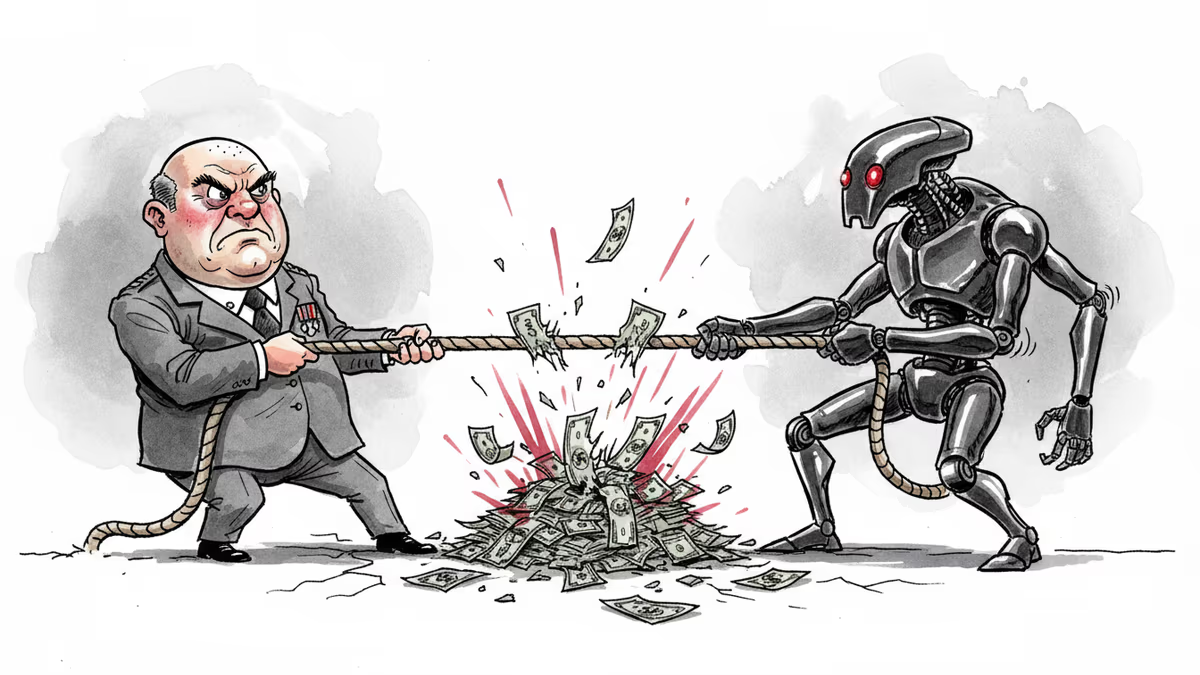
The Pentagon and Anthropic are locked in a high-stakes battle over a $200 million contract—and the future of AI ethics in warfare. At the center of the dispute: whether AI should be available for "all lawful purposes," including military applications with minimal restrictions.
The Trump administration has made the same demand to OpenAI, Google, and xAI. According to Axios, one company has already agreed, two others have shown "flexibility," but Anthropic remains the holdout. The Pentagon's response? Threatening to pull the plug on the entire contract.
Anthropic's Hard Line
Anthropic isn't budging on what it calls its "hard limits": fully autonomous weapons and mass domestic surveillance. The company insists these are non-negotiable red lines for its Claude models.
"We have not discussed the use of Claude for specific operations with the Department of Defense," a company spokesperson told Axios. Instead, they're "focused on a specific set of Usage Policy questions"—namely, those two critical boundaries.
But here's the twist: Claude has already been used in military operations. The Wall Street Journal reported that the AI helped in the U.S. operation to capture former Venezuelan President Nicolás Maduro. The irony isn't lost on anyone.

The Bigger AI Arms Race
This isn't just about one contract. It's a preview of how the AI industry will navigate the growing pressure from governments worldwide to weaponize artificial intelligence. While Anthropic draws ethical lines, other companies appear more willing to compromise.
The Pentagon's "all lawful purposes" demand essentially means: if it's legal, it's fair game. That could include everything from battlefield decision-making to surveillance operations that walk right up to—but don't cross—constitutional boundaries.
What's Really at Stake
For Anthropic, this is about brand identity. The company has built its reputation on "AI safety" and responsible development. Caving to Pentagon pressure could undermine that positioning in a competitive market where consumers and developers increasingly care about ethical AI.
For the Pentagon, it's about technological sovereignty. As China advances its military AI capabilities, U.S. defense officials don't want to be hamstrung by Silicon Valley's moral qualms.
For the industry, it's a precedent-setting moment. Whatever happens here will influence how other governments approach AI companies—and how those companies respond.
Authors
Related Articles
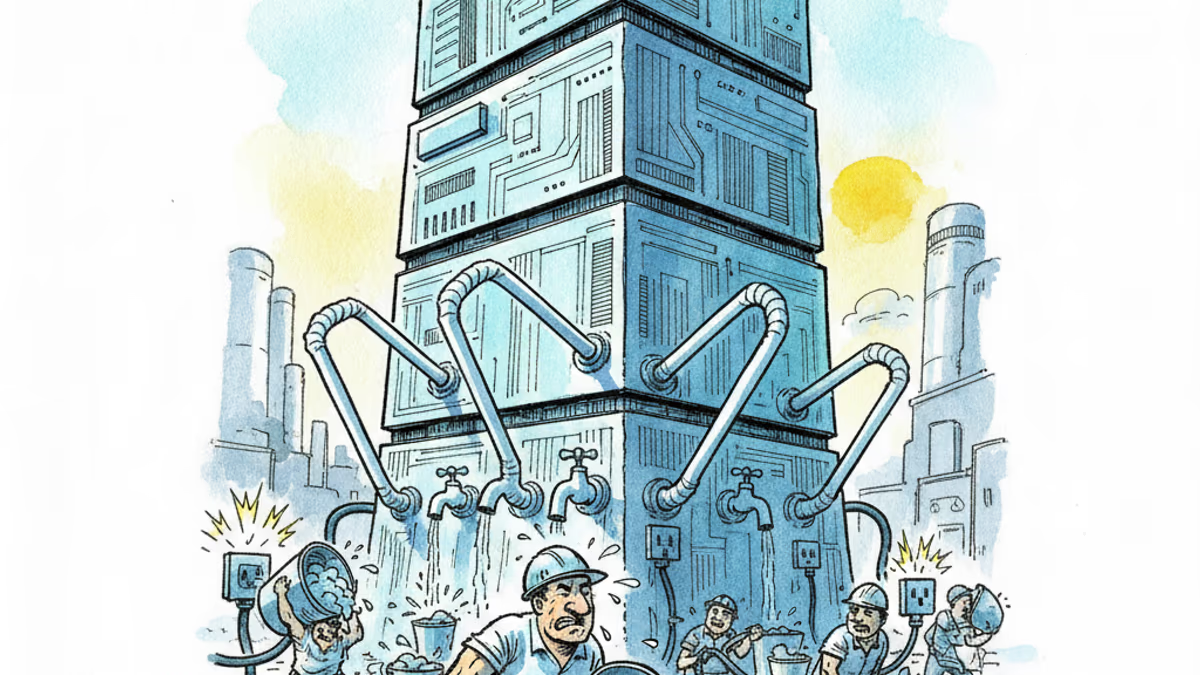
Samsung and SK unveiled a chip and AI investment package worth thousands of trillions of won on June 29. The headline number swings wildly by outlet, but the real contest isn't capital — it's water and power.
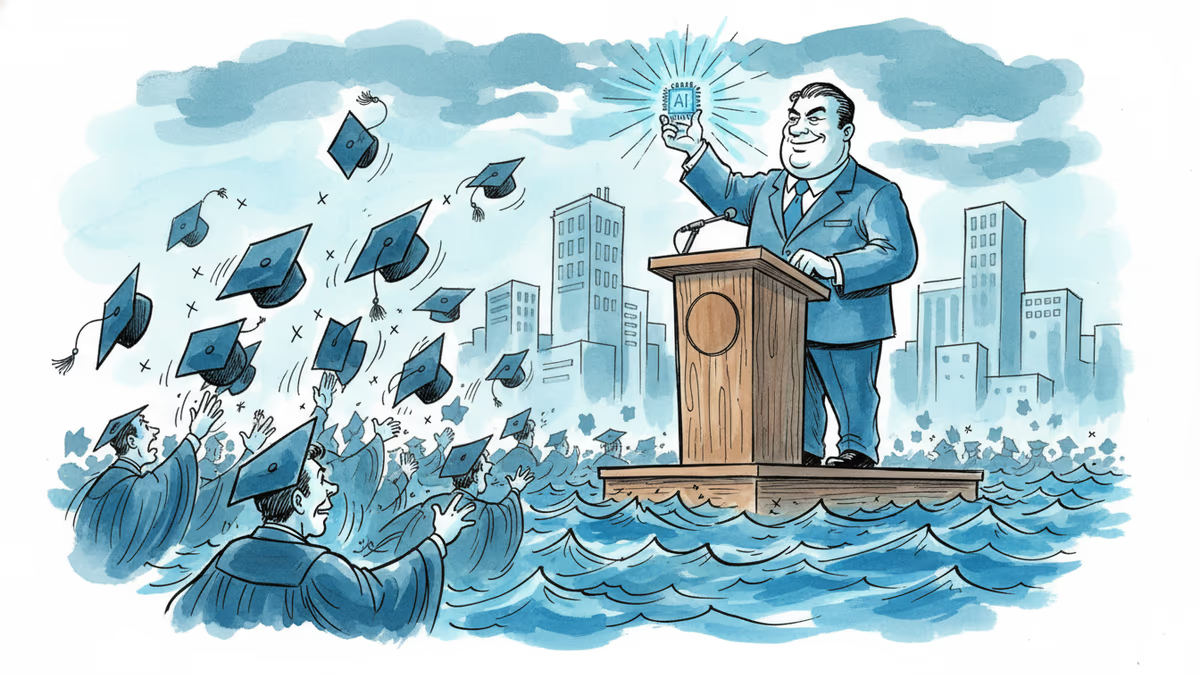
Viral videos show 2026 graduates jeering executives who praise AI at commencement ceremonies. It's not just rudeness — it's a signal about who pays for technological optimism.
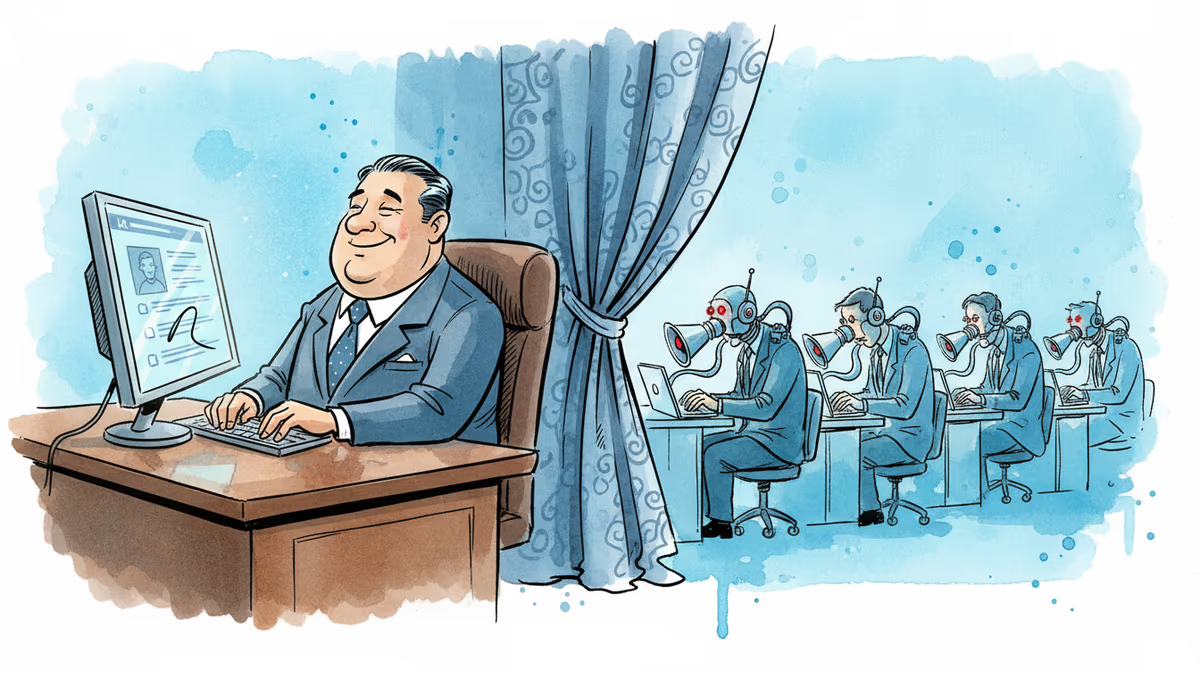
Filipino virtual assistants using AI to ghost-manage LinkedIn profiles for executives is now a structured industry. 30 comments a day, fake engagement rings, and a platform struggling to tell real from fabricated.
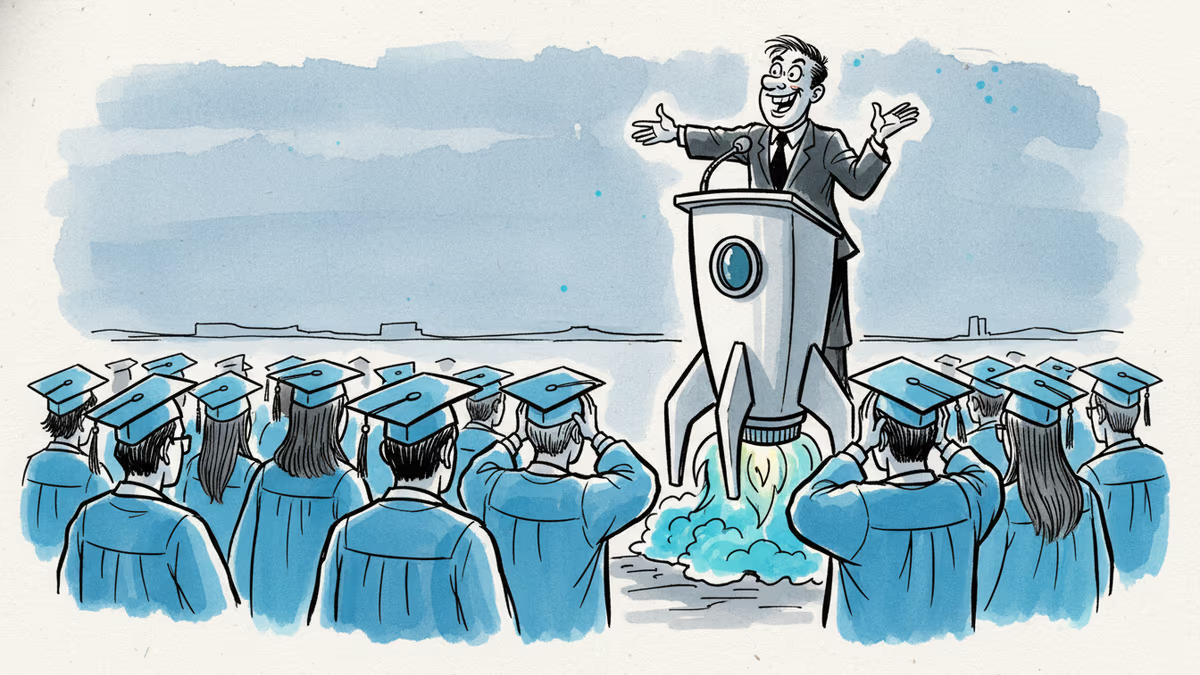
Two commencement speakers learned the hard way that AI enthusiasm doesn't land well with today's graduates. The backlash reveals a widening gap between tech optimism and Gen Z's economic reality.
Samsung and SK unveiled a chip and AI investment package worth thousands of trillions of won on June 29. The headline number swings wildly by outlet, but the real contest isn't capital — it's water and power.
Viral videos show 2026 graduates jeering executives who praise AI at commencement ceremonies. It's not just rudeness — it's a signal about who pays for technological optimism.
Filipino virtual assistants using AI to ghost-manage LinkedIn profiles for executives is now a structured industry. 30 comments a day, fake engagement rings, and a platform struggling to tell real from fabricated.
Two commencement speakers learned the hard way that AI enthusiasm doesn't land well with today's graduates. The backlash reveals a widening gap between tech optimism and Gen Z's economic reality.
Thoughts
Share your thoughts on this article
Sign in to join the conversation