
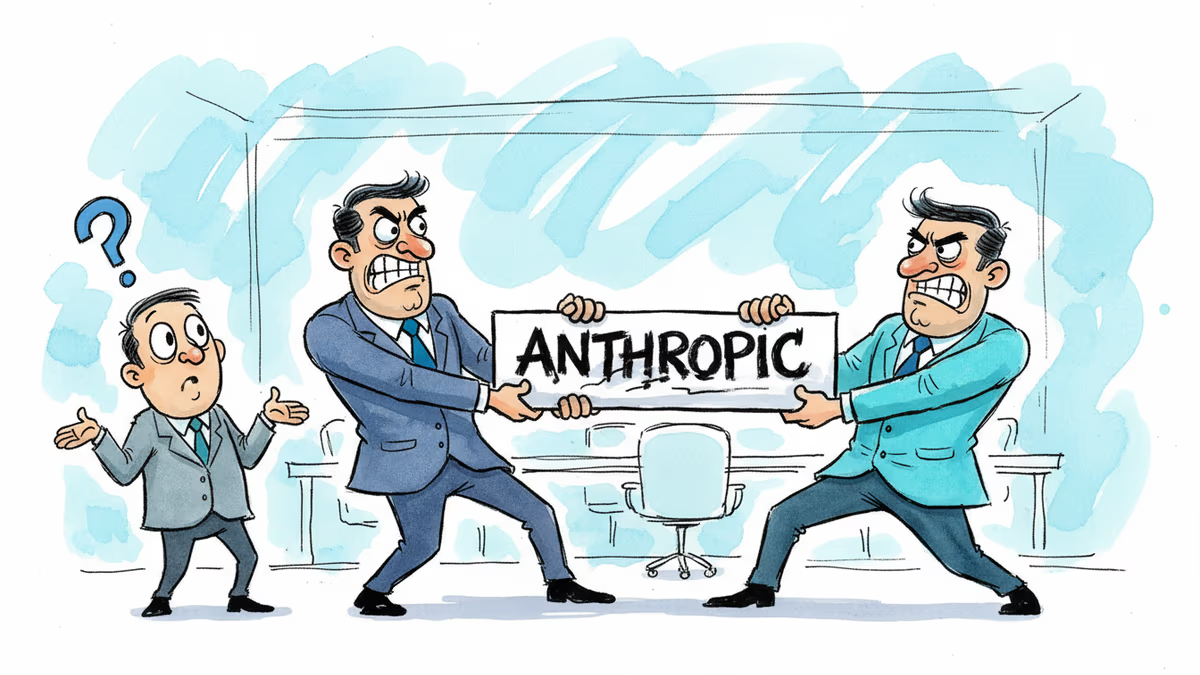
The $110K Lawsuit That Could Slow AI's Global March
Anthropic faces trademark dispute in India as local company claims prior use of the name since 2017. What this reveals about AI expansion risks.
A $1.3 Billion AI Company vs. a $110K Lawsuit: David Meets Goliath in India
Anthropic's ambitious push into India hit an unexpected snag. A local software company filed a trademark complaint, claiming it's been using the name since 2017 – years before the AI giant even existed. The timing couldn't be more awkward: Anthropic just opened its India office last October and recently appointed former Microsoft India managing director Irina Ghose to lead operations.
The plaintiff, Anthropic Software, is seeking ₹10 million (about $110,000) in damages and recognition of its prior use. Founder Mohammad Ayyaz Mulla insists they're not looking for confrontation, just clarity. "It's causing huge confusion to my customers," he told TechCrunch.
A Karnataka commercial court issued notice to Anthropic on January 20 but declined an interim injunction. The next hearing is set for February 16.
The 1.4 Billion Person Prize: Why Every AI Giant Wants India
India represents the ultimate prize for AI companies expanding beyond the US and Europe. As the world's most populous nation and one of its fastest-growing internet markets, it's where OpenAI, Anthropic, and others see their next phase of growth.
Next week's AI Impact Summit in New Delhi underscores this importance. Anthropic CEO Dario Amodei will appear alongside industry titans like Sam Altman, Jensen Huang, and Sundar Pichai – a who's who of AI leadership converging on the subcontinent.

But the race for market share is creating friction with local incumbents who've been operating under similar names for years.
Three Perspectives on a Small But Significant Fight
For Anthropic: This represents the kind of operational complexity that comes with rapid global expansion. While $110,000 is pocket change for a company valued in the billions, the precedent matters. Legal uncertainty could slow their India rollout at a critical moment.
For Local Companies: Anthropic Software's position reflects broader concerns about global tech giants steamrolling local businesses. "We're not David trying to slay Goliath," Mulla emphasized. "We just want recognition of our rights."
For India's Tech Ecosystem: This case tests how the country balances attracting global AI investment while protecting domestic players. India's approach could influence how other emerging markets handle similar disputes.
The Bigger Pattern: When Speed Meets Legal Reality
This isn't just about one company's naming rights. It highlights a fundamental tension in today's tech expansion: AI companies are moving at 6-month development cycles, but legal due diligence still takes months to complete properly.
Anthropic declined to comment, but their silence speaks volumes about the delicate nature of such disputes. Even a minor legal hiccup can complicate relationships with regulators, partners, and customers in new markets.
Similar scenarios are playing out globally as AI companies race to establish footholds before competitors. The question isn't whether these conflicts will happen – it's how companies will navigate them.
Authors
Related Articles

Samsung and SK unveiled a chip and AI investment package worth thousands of trillions of won on June 29. The headline number swings wildly by outlet, but the real contest isn't capital — it's water and power.

Viral videos show 2026 graduates jeering executives who praise AI at commencement ceremonies. It's not just rudeness — it's a signal about who pays for technological optimism.

Filipino virtual assistants using AI to ghost-manage LinkedIn profiles for executives is now a structured industry. 30 comments a day, fake engagement rings, and a platform struggling to tell real from fabricated.
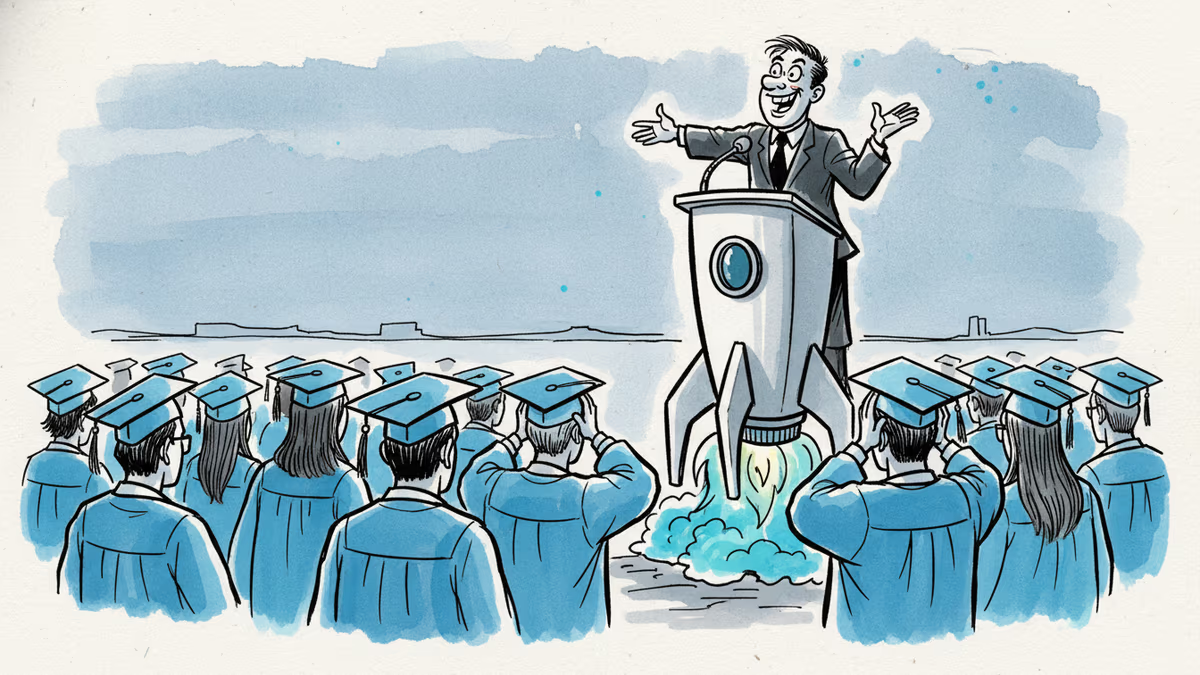
Two commencement speakers learned the hard way that AI enthusiasm doesn't land well with today's graduates. The backlash reveals a widening gap between tech optimism and Gen Z's economic reality.
Samsung and SK unveiled a chip and AI investment package worth thousands of trillions of won on June 29. The headline number swings wildly by outlet, but the real contest isn't capital — it's water and power.
Viral videos show 2026 graduates jeering executives who praise AI at commencement ceremonies. It's not just rudeness — it's a signal about who pays for technological optimism.
Filipino virtual assistants using AI to ghost-manage LinkedIn profiles for executives is now a structured industry. 30 comments a day, fake engagement rings, and a platform struggling to tell real from fabricated.
Two commencement speakers learned the hard way that AI enthusiasm doesn't land well with today's graduates. The backlash reveals a widening gap between tech optimism and Gen Z's economic reality.
Thoughts
Share your thoughts on this article
Sign in to join the conversation