
The $200M Deal That Reveals AI's Military Dilemma
Anthropic's failed Pentagon contract and sudden return to negotiations exposes the ethical fault lines dividing Silicon Valley over AI's military applications.
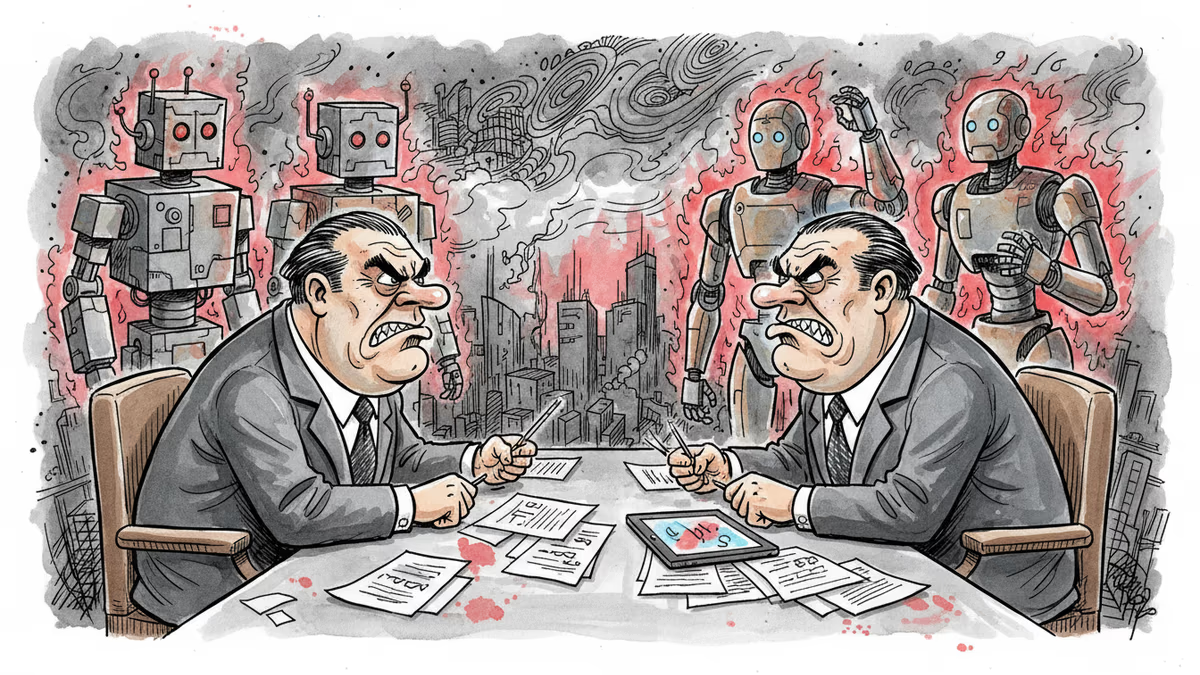
$200 million on the table. That's what Anthropic walked away from when talks with the Pentagon collapsed last week. The sticking point? A single clause allowing the military to use Anthropic's AI for "any lawful use."
CEO Dario Amodei refused, fearing it could enable domestic mass surveillance or autonomous weaponry. The Department of Defense promptly pivoted to OpenAI. Case closed, or so it seemed.
The Unexpected Return
But Silicon Valley loves a plot twist. New reports from the Financial Times and Bloomberg reveal that Amodei has quietly resumed negotiations with Pentagon official Emil Michael. Both sides are apparently seeking a compromise that could salvage their relationship.
This is surprising, given the public vitriol exchanged between the parties. Michael called Amodei a "liar" with a "God complex." Amodei fired back in a staff memo this week, branding OpenAI's deal "safety theater" and its messaging "straight up lies."
"The main reason [OpenAI] accepted [the DOD's deal] and we did not is that they cared about placating employees, and we actually cared about preventing abuses," Amodei wrote.
The Nuclear Option
Defense Secretary Pete Hegseth has threatened to escalate further, pledging to designate Anthropic as a "supply-chain risk." This designation—typically reserved for foreign adversaries like Chinese firms—would effectively blacklist Anthropic from working with any company that does business with the U.S. military.

It's an unprecedented move against an American AI company, and legal experts question whether such a designation would survive court challenges.
Why Return to the Table?
So why are both sides reconsidering? Pragmatism trumps principle, it seems. The Pentagon already relies on Anthropic's technology—an abrupt switch to OpenAI's systems would be disruptive and costly. For Anthropic, walking away from a $200 million contract hurts, especially as competition intensifies.
But there's a deeper strategic calculation at play. Anthropic has positioned itself as the "responsible AI" alternative to OpenAI. Completely cutting off government work could cede this lucrative market to competitors while undermining its influence over how AI is deployed in sensitive applications.
Silicon Valley's Ethical Divide
The dispute illuminates how differently AI companies approach military contracts. Google famously withdrew from Project Maven in 2018 after employee protests over drone targeting AI. Microsoft maintains selective partnerships with defense agencies. OpenAI, despite early principles against military use, has now embraced Pentagon contracts.
Each company draws different ethical lines—and those lines often shift based on business considerations. Anthropic's principled stance looks admirable, but is it genuine conviction or clever brand differentiation?
The Compromise Challenge
Any renewed deal will need to thread a narrow needle. The Pentagon wants flexibility to deploy AI across its operations without constant vendor oversight. Anthropic wants assurances its technology won't enable what it considers harmful applications.
Potential middle ground might include specific use-case restrictions, regular audits, or joint oversight committees. But such arrangements are complex to negotiate and harder to enforce—especially in classified military contexts.
Authors
Related Articles
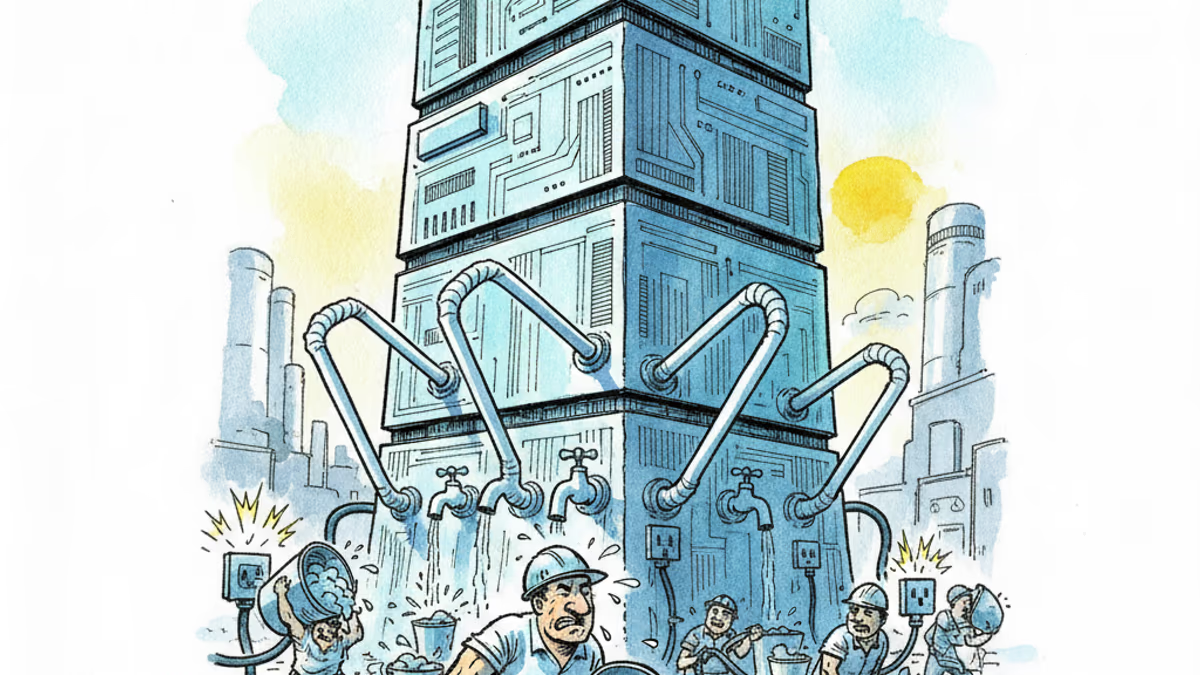
Samsung and SK unveiled a chip and AI investment package worth thousands of trillions of won on June 29. The headline number swings wildly by outlet, but the real contest isn't capital — it's water and power.
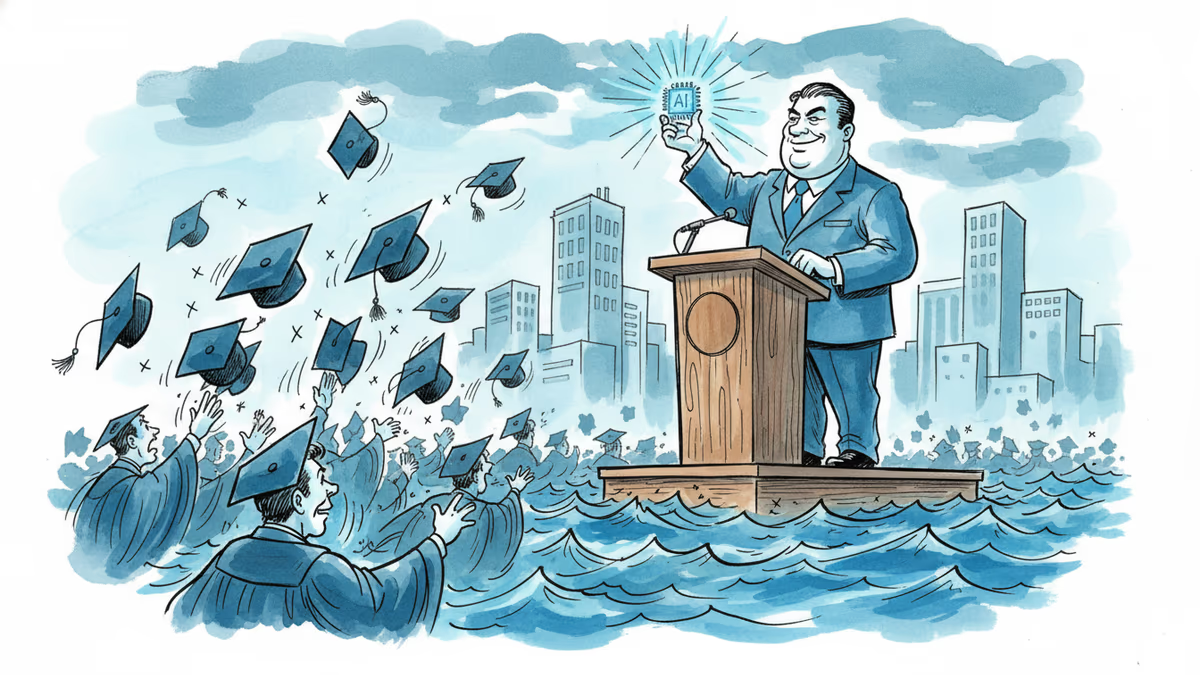
Viral videos show 2026 graduates jeering executives who praise AI at commencement ceremonies. It's not just rudeness — it's a signal about who pays for technological optimism.
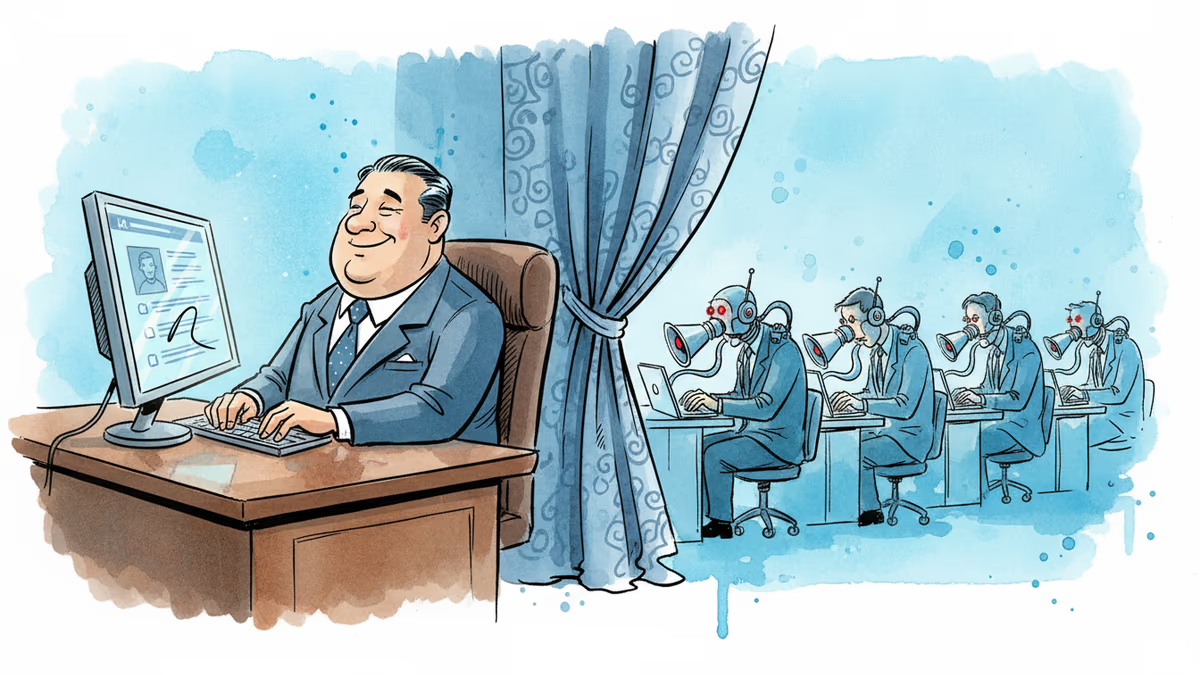
Filipino virtual assistants using AI to ghost-manage LinkedIn profiles for executives is now a structured industry. 30 comments a day, fake engagement rings, and a platform struggling to tell real from fabricated.
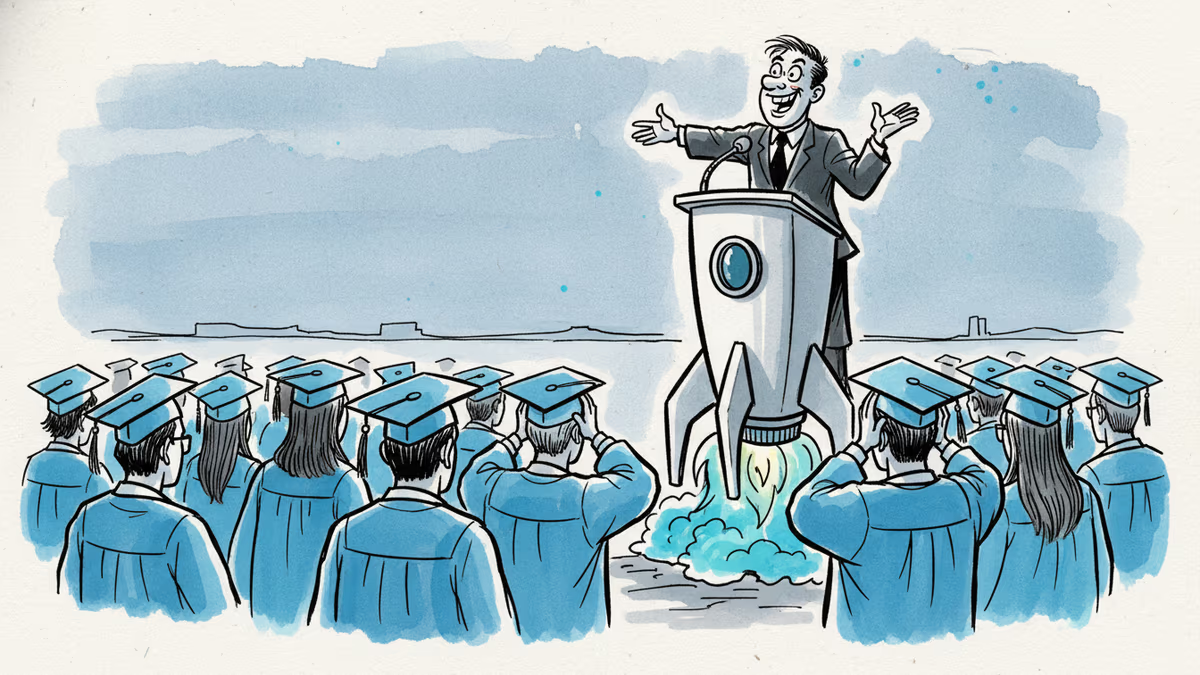
Two commencement speakers learned the hard way that AI enthusiasm doesn't land well with today's graduates. The backlash reveals a widening gap between tech optimism and Gen Z's economic reality.
Samsung and SK unveiled a chip and AI investment package worth thousands of trillions of won on June 29. The headline number swings wildly by outlet, but the real contest isn't capital — it's water and power.
Viral videos show 2026 graduates jeering executives who praise AI at commencement ceremonies. It's not just rudeness — it's a signal about who pays for technological optimism.
Filipino virtual assistants using AI to ghost-manage LinkedIn profiles for executives is now a structured industry. 30 comments a day, fake engagement rings, and a platform struggling to tell real from fabricated.
Two commencement speakers learned the hard way that AI enthusiasm doesn't land well with today's graduates. The backlash reveals a widening gap between tech optimism and Gen Z's economic reality.
Thoughts
Share your thoughts on this article
Sign in to join the conversation