
When AI Becomes Your Parking Cop
Santa Monica launches America's first AI-powered parking enforcement for bike lanes. A glimpse into smart city surveillance or necessary urban innovation?
47 Cars Block Bike Lanes Daily. AI Is Fighting Back
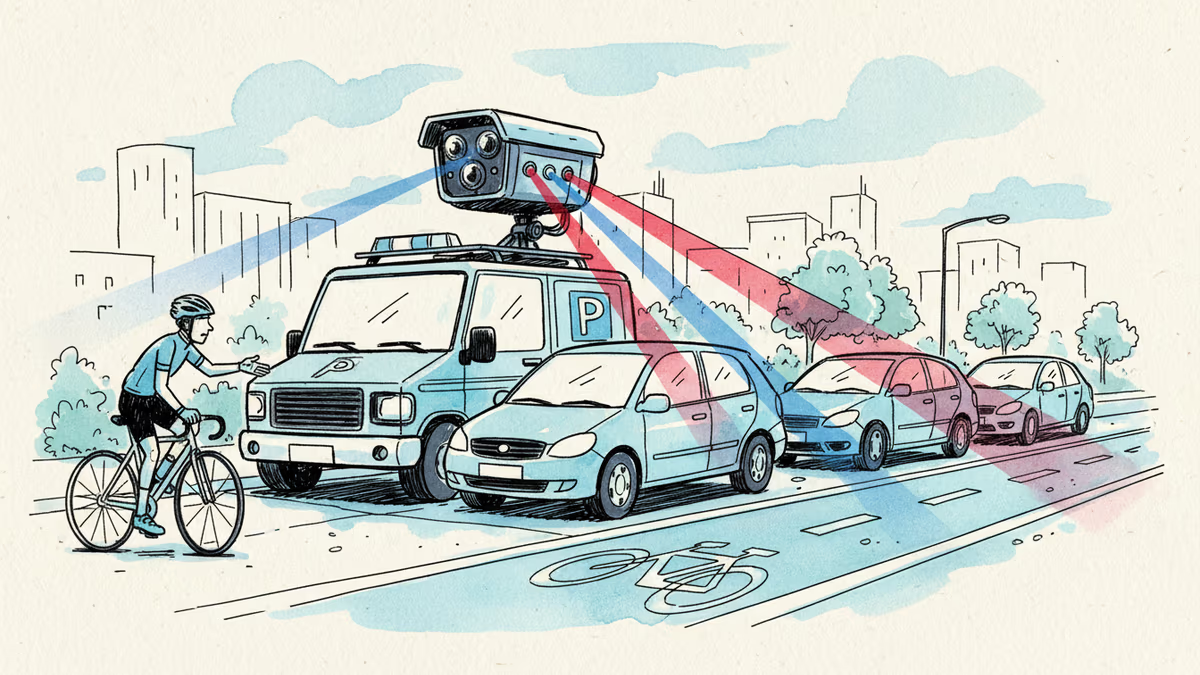
Every day in Santa Monica, dozens of illegally parked cars force cyclists into traffic lanes, creating dangerous situations. This April, the California beach town becomes America's first city to deploy AI-powered parking enforcement specifically targeting bike lane violations.
Hayden AI's scanning technology will be installed on seven municipal parking enforcement vehicles, expanding beyond similar cameras already mounted on city buses. "The more we can reduce the amount of illegal parking, the safer we can make it for bike riders," says Charley Territo, chief growth officer at Hayden AI.
The system automatically detects license plates, verifies GPS locations, and identifies violations without human intervention. It's 24/7 enforcement that never gets tired, never takes breaks, and doesn't play favorites.
Privacy Advocates vs. Cycling Safety: The New Urban Divide
The technology is impressive, but the implications are complex. Cyclists celebrate the potential for clearer bike lanes, while privacy advocates worry about expanding digital surveillance networks. Every day, thousands of vehicle photos will be captured, analyzed, and stored.

The question isn't whether the technology works—it does. The question is whether we're comfortable with AI systems constantly monitoring our movements, even for legitimate safety purposes. Santa Monica's experiment sits at the intersection of urban innovation and civil liberties.
Similar debates are erupting in cities worldwide. London's congestion charge cameras sparked privacy concerns in the early 2000s. Singapore's comprehensive traffic monitoring system raises questions about surveillance scope. Now American cities face the same trade-offs.
The Slippery Slope of Smart City Surveillance
What starts with bike lane enforcement rarely stops there. The same cameras that catch parking violations can track protest participants, monitor individual movement patterns, or feed into broader surveillance networks. China's social credit system began with traffic violations.
Urban planners face a fundamental question: How much surveillance is acceptable for public safety? The technology exists to monitor everything—jaywalking, littering, loitering. But should it?
San Francisco recently banned facial recognition technology for city departments, citing privacy concerns. Meanwhile, New York City expanded its automated enforcement programs. American cities are choosing different paths in the surveillance vs. safety debate.
The bike lane issue reveals deeper tensions about urban governance in the digital age. Traditional enforcement relies on human judgment and discretion. AI systems operate on programmed rules and data patterns. Which approach better serves diverse urban communities?
Authors
Related Articles
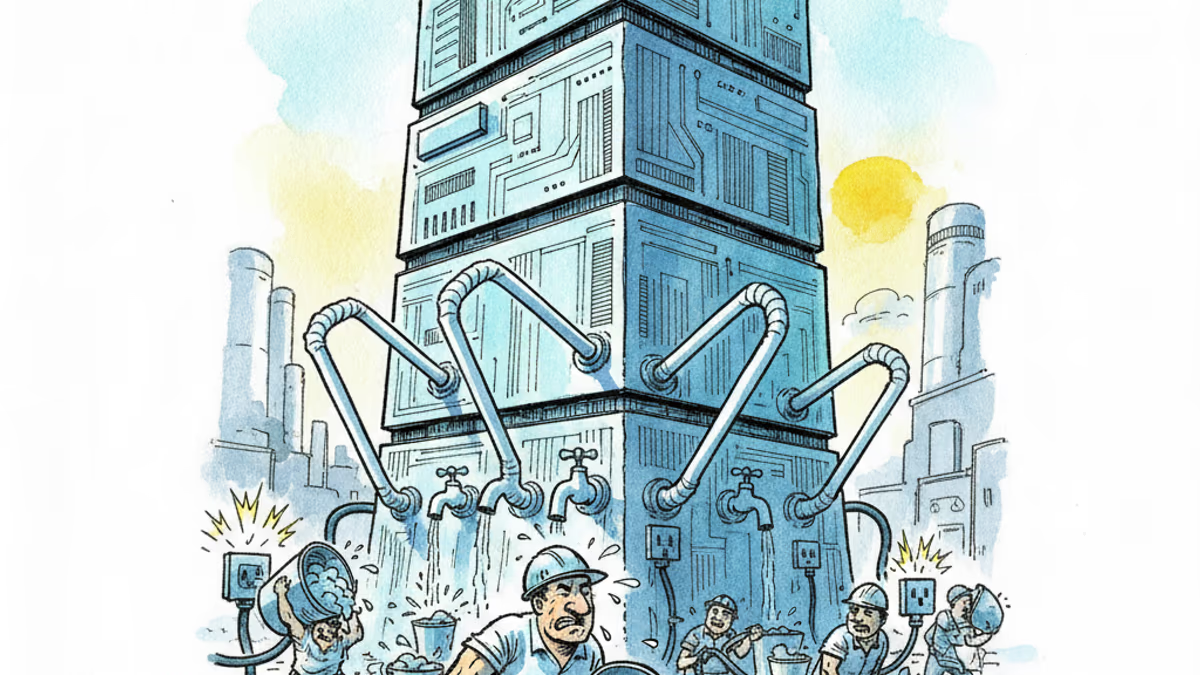
Samsung and SK unveiled a chip and AI investment package worth thousands of trillions of won on June 29. The headline number swings wildly by outlet, but the real contest isn't capital — it's water and power.
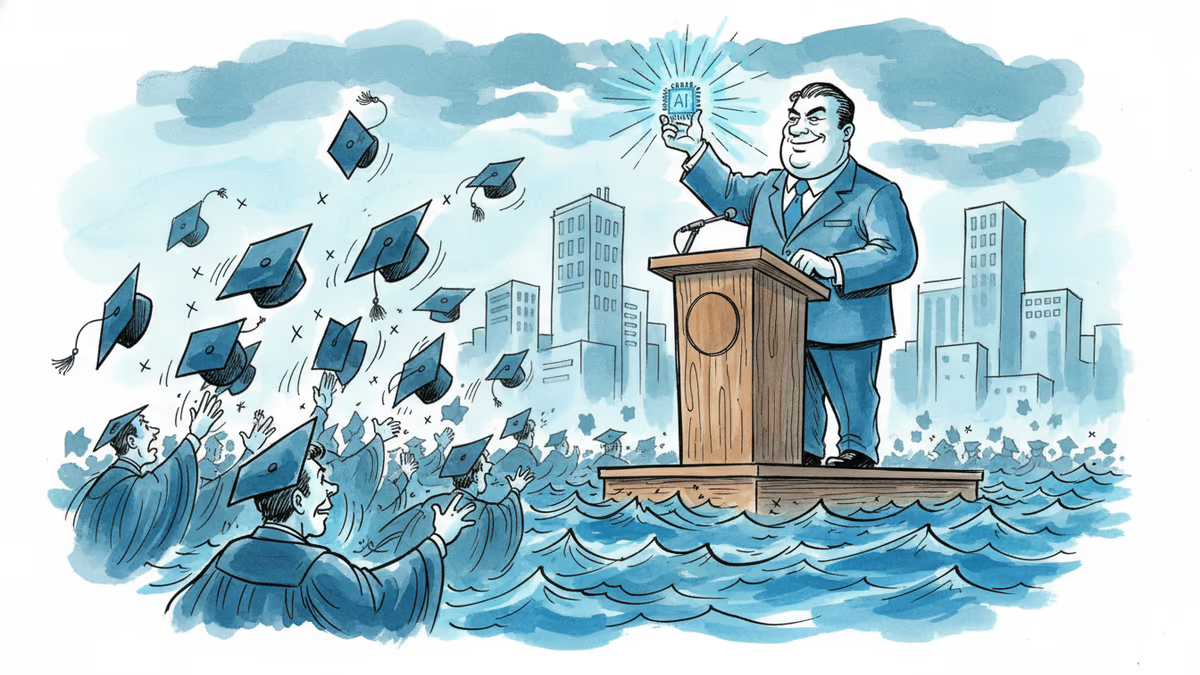
Viral videos show 2026 graduates jeering executives who praise AI at commencement ceremonies. It's not just rudeness — it's a signal about who pays for technological optimism.

Filipino virtual assistants using AI to ghost-manage LinkedIn profiles for executives is now a structured industry. 30 comments a day, fake engagement rings, and a platform struggling to tell real from fabricated.
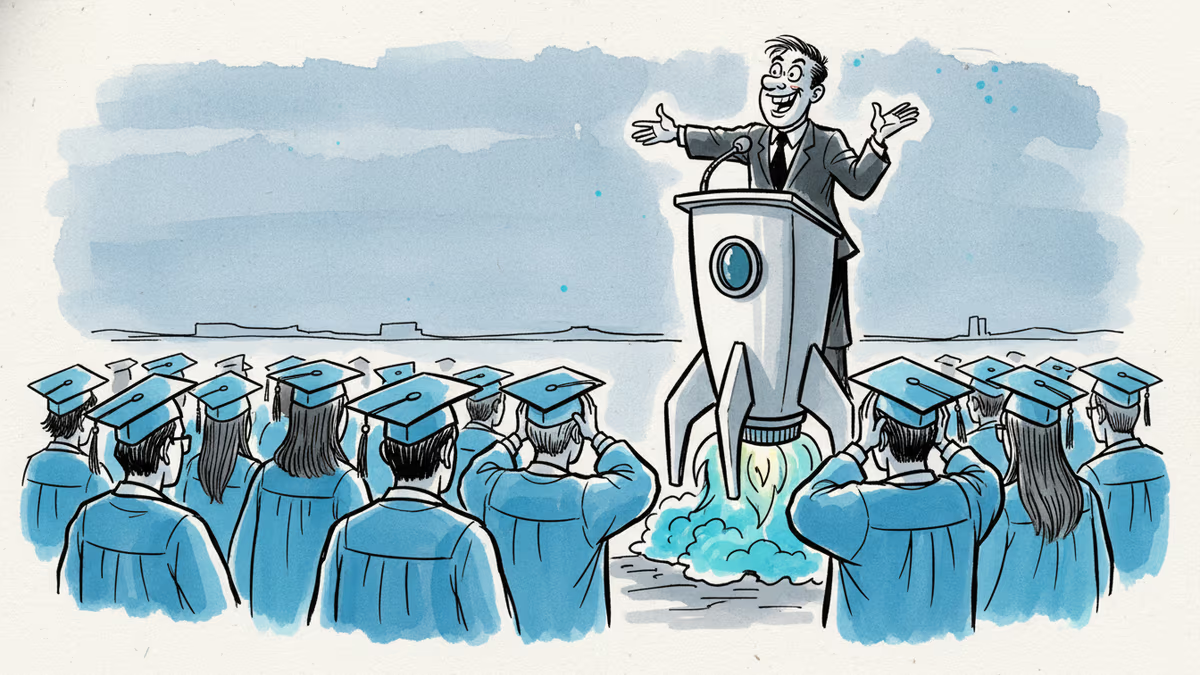
Two commencement speakers learned the hard way that AI enthusiasm doesn't land well with today's graduates. The backlash reveals a widening gap between tech optimism and Gen Z's economic reality.
Samsung and SK unveiled a chip and AI investment package worth thousands of trillions of won on June 29. The headline number swings wildly by outlet, but the real contest isn't capital — it's water and power.
Viral videos show 2026 graduates jeering executives who praise AI at commencement ceremonies. It's not just rudeness — it's a signal about who pays for technological optimism.
Filipino virtual assistants using AI to ghost-manage LinkedIn profiles for executives is now a structured industry. 30 comments a day, fake engagement rings, and a platform struggling to tell real from fabricated.
Two commencement speakers learned the hard way that AI enthusiasm doesn't land well with today's graduates. The backlash reveals a widening gap between tech optimism and Gen Z's economic reality.
Thoughts
Share your thoughts on this article
Sign in to join the conversation