
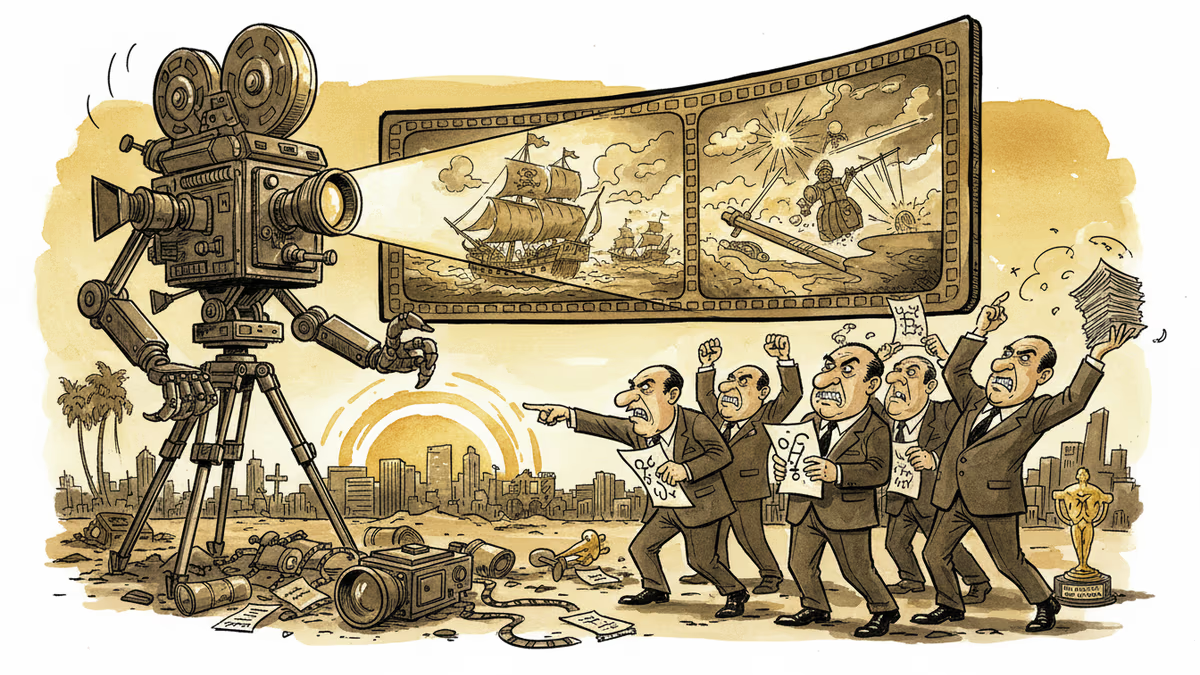
ByteDance's AI Creates Fake Tom Cruise Videos, Hollywood Erupts
ByteDance's Seedance 2.0 AI video generator sparks fierce backlash from Disney, Paramount after viral deepfake videos of Tom Cruise, Brad Pitt surface without consent
48 hours. That's how long it took for Hollywood to mobilize against ByteDance after hyperrealistic videos of Tom Cruise fighting Brad Pitt went viral on social media. The AI-generated clips, created using the company's Seedance 2.0 tool, have triggered the entertainment industry's most aggressive response to generative AI yet.
Disney and Paramount Lead the Charge
Major studios including Disney and Paramount have accused ByteDance of copyright violations, marking a significant escalation in the ongoing battle between AI companies and content creators. The controversy extends beyond celebrity likenesses—viral videos featuring characters from Dragon Ball Z, Family Guy, and Pokémon have raised questions about unauthorized use of intellectual property.
ByteDance responded swiftly but defensively. "We respect intellectual property rights and have heard the concerns regarding Seedance 2.0," a company spokesperson told CNBC. "We are taking steps to strengthen current safeguards." Yet the damage may already be done, with thousands of these AI-generated videos circulating across platforms.
The New Frontier of IP Warfare
This isn't just another tech hiccup—it's the inevitable collision between cutting-edge AI capabilities and century-old copyright frameworks. Unlike previous AI controversies focused on text or static images, Seedance 2.0 targets what actors consider their most valuable assets: their faces and personas.
The entertainment industry's reaction has been notably more aggressive than during last year's writers' and actors' strikes over ChatGPT and similar tools. The reason is clear: this technology doesn't just threaten to replace human creativity—it can literally steal human identity.

Beyond Hollywood: A Global Precedent
The implications stretch far beyond Tinseltown. If ByteDance—owner of TikTok—can generate convincing videos of A-list celebrities without consent, what prevents similar misuse of ordinary people's likenesses? The technology that creates a fake Tom Cruise action sequence today could generate revenge porn or political disinformation tomorrow.
Legal experts are watching closely. "This case could set crucial precedents for how AI companies handle likeness rights globally," says digital rights attorney Sarah Chen. "The outcome will influence how every major tech company approaches AI-generated content."
The Regulatory Response Begins
European regulators, already scrutinizing AI through the EU AI Act, are taking note. The UK's AI Safety Institute has indicated it's "monitoring developments closely." In the US, where federal AI regulation remains fragmented, this controversy could accelerate congressional action.
Meanwhile, ByteDance faces a delicate balancing act. Completely restricting the tool could hamper its competitive position against OpenAI's Sora and Google's Veo. But continued controversy could jeopardize its already precarious position in Western markets, especially as TikTok faces potential bans.
The Industry Scrambles for Solutions
Other AI companies are quietly reviewing their own safeguards. OpenAI has been notably cautious with Sora's public release, citing similar concerns. Adobe, which has built AI tools specifically for creative professionals, emphasizes its "ethical AI" approach and consent-based training data.
The question isn't whether AI video generation will advance—it's how the industry will navigate the ethical and legal minefield ahead.
Authors
Related Articles

Samsung and SK unveiled a chip and AI investment package worth thousands of trillions of won on June 29. The headline number swings wildly by outlet, but the real contest isn't capital — it's water and power.
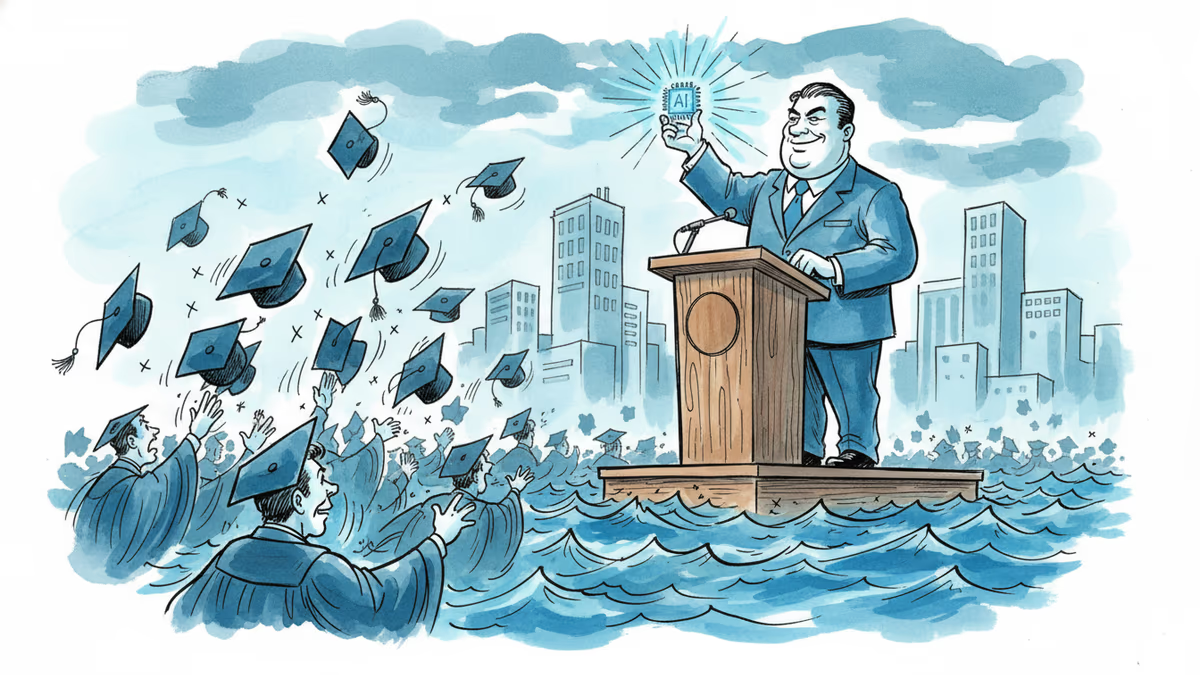
Viral videos show 2026 graduates jeering executives who praise AI at commencement ceremonies. It's not just rudeness — it's a signal about who pays for technological optimism.
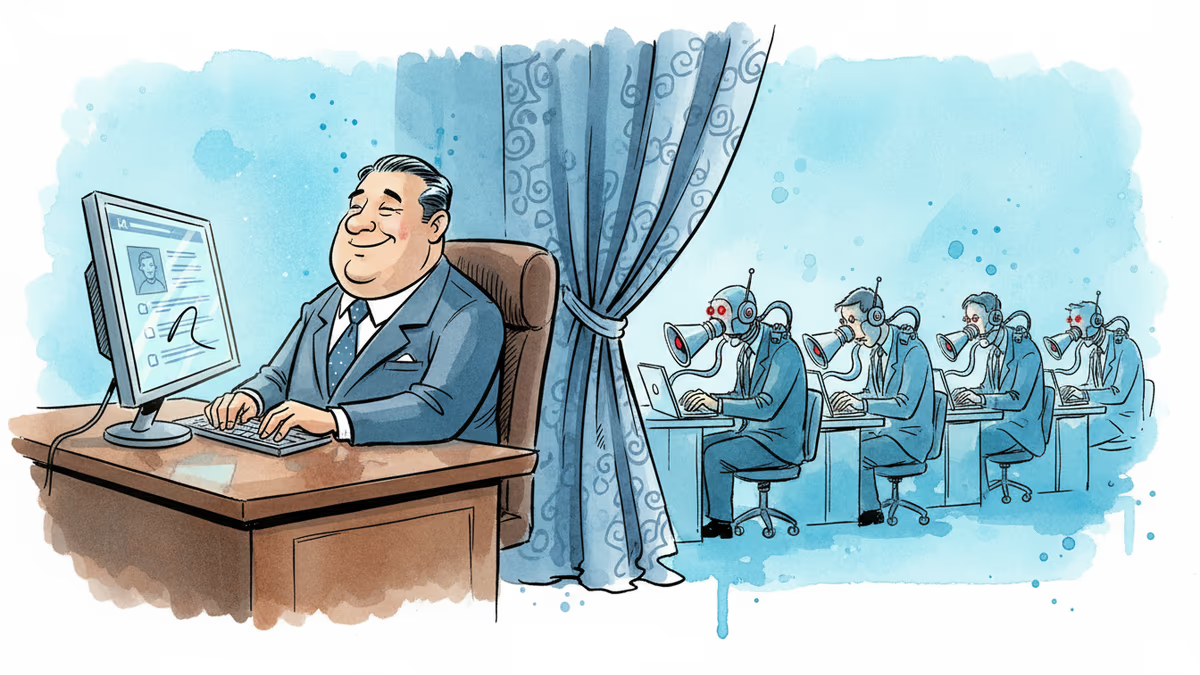
Filipino virtual assistants using AI to ghost-manage LinkedIn profiles for executives is now a structured industry. 30 comments a day, fake engagement rings, and a platform struggling to tell real from fabricated.
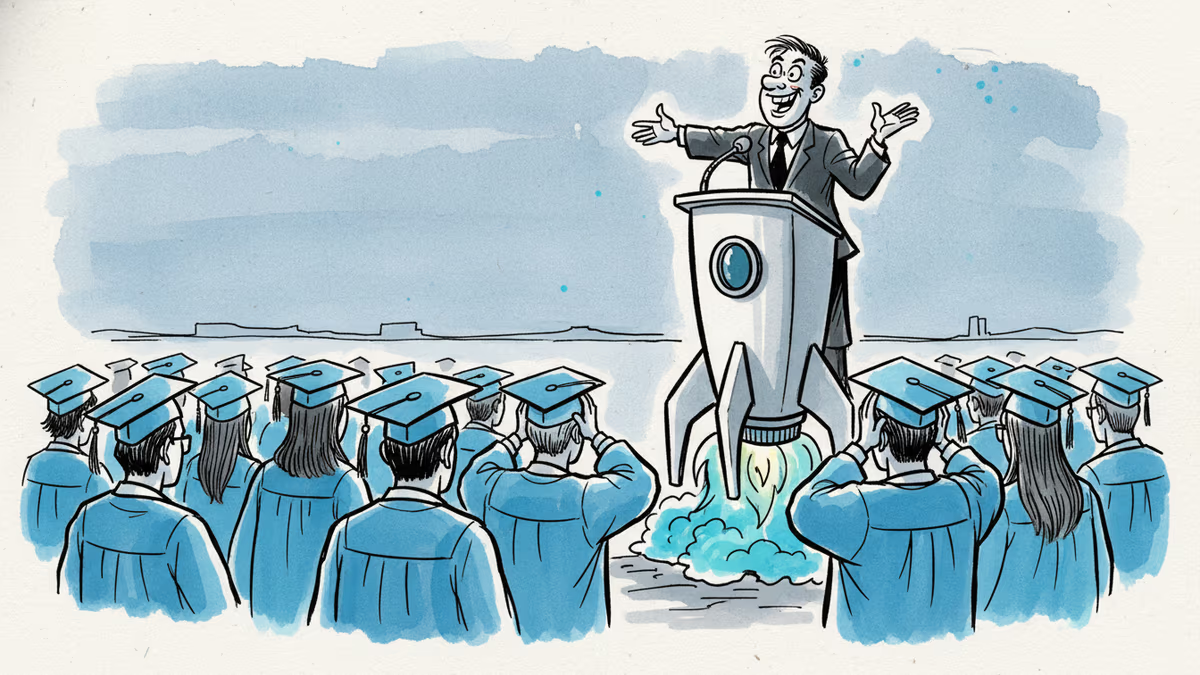
Two commencement speakers learned the hard way that AI enthusiasm doesn't land well with today's graduates. The backlash reveals a widening gap between tech optimism and Gen Z's economic reality.
Samsung and SK unveiled a chip and AI investment package worth thousands of trillions of won on June 29. The headline number swings wildly by outlet, but the real contest isn't capital — it's water and power.
Viral videos show 2026 graduates jeering executives who praise AI at commencement ceremonies. It's not just rudeness — it's a signal about who pays for technological optimism.
Filipino virtual assistants using AI to ghost-manage LinkedIn profiles for executives is now a structured industry. 30 comments a day, fake engagement rings, and a platform struggling to tell real from fabricated.
Two commencement speakers learned the hard way that AI enthusiasm doesn't land well with today's graduates. The backlash reveals a widening gap between tech optimism and Gen Z's economic reality.
Thoughts
Share your thoughts on this article
Sign in to join the conversation