
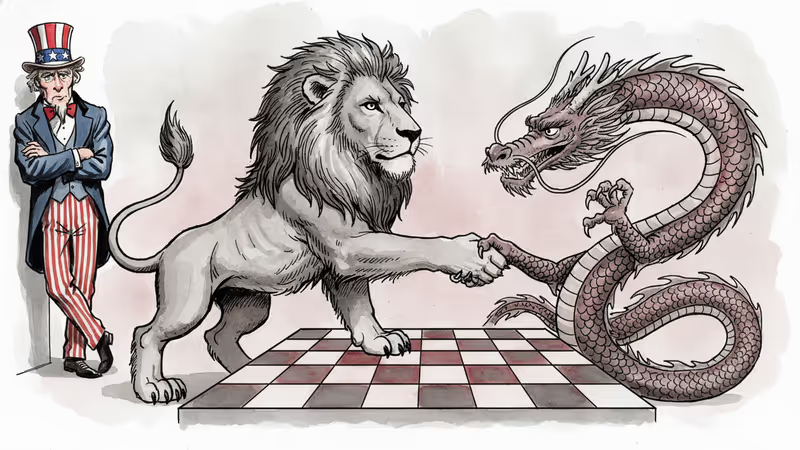
영국 총리의 중국 방문, 8년 만의 '리셋'인가 굴복인가
키어 스타머 영국 총리가 8년 만에 중국을 방문해 시진핑 주석과 회담했다. 경제 성장을 위한 실용 외교인가, 중국에 대한 굴복인가?
8년. 영국 총리가 중국 땅을 밟지 않은 세월이다. 키어 스타머 총리가 29일 베이징 인민대회당에서 시진핑 중국 국가주석과 악수를 나누며 이 공백을 메웠다.
"중국은 글로벌 무대의 핵심 플레이어입니다. 협력할 기회를 찾되, 의견이 다른 부분에서는 의미 있는 대화를 나눌 수 있는 보다 정교한 관계를 구축하는 것이 중요합니다." 스타머 총리의 이 발언은 단순한 외교 수사가 아니다. 영국이 중국과의 관계에서 새로운 접근법을 시도하고 있다는 신호다.
왜 지금 중국인가
스타머 총리의 중국 방문 타이밍은 우연이 아니다. 도널드 트럼프 미국 대통령이 관세 위협과 그린란드 점령 발언으로 전통적 동맹국들을 당황시키고 있는 상황에서, 서구 지도자들이 중국과의 관계 개선에 나서고 있다.
캐나다의 마크 카니 총리가 스타머보다 먼저 중국을 방문해 무역 장벽 철폐 협정을 체결했고, 이는 트럼프의 분노를 샀다. 스타머의 방문은 이런 흐름의 연장선상에 있다.
영국 내에서도 변화의 바람이 불고 있다. 보수당 정부 시절 국가 안보를 이유로 중국 투자를 제한하고 홍콩 민주화 탄압을 비판했던 것과 달리, 노동당 정부는 '성숙한 관계'를 표방하며 실용적 접근을 택했다.
경제가 답이다
스타머 총리와 함께 중국을 방문한 50명 이상의 기업인들이 이번 방문의 진짜 목적을 말해준다. 성장 공약을 지키지 못해 지지율이 하락하고 있는 노동당 정부에게 세계 2위 경제대국 중국은 매력적인 파트너다.
양국은 불법 이민 밀입국 조직 척결에 공동 대응하기로 했다. 중국산 엔진을 사용한 소형 보트로 유럽을 거쳐 영국으로 향하는 밀입국 루트를 차단하겠다는 것이다. 영국과 중국 당국이 정보를 공유하고, 중국 제조업체들이 조직범죄에 악용되지 않도록 협력하기로 했다.
시진핑 주석도 호응했다. "중영 관계가 우여곡절을 겪었지만, 이는 양국 이익에 부합하지 않는다"며 "중국은 장기적 전략적 파트너십 발전에 나설 준비가 되어 있다"고 말했다.
비판의 목소리
하지만 모든 이가 이번 방문을 환영하는 건 아니다. 보수당 당수인 케미 베이드녹은 "중국이 제기하는 보안 위험 때문에 중국을 방문하지 않았을 것"이라고 비판했다. 영국 정보기관들이 중국의 정부 스파이 활동을 지속적으로 경고해온 상황에서 나온 발언이다.
인권 문제도 여전히 뜨거운 감자다. 스타머 총리는 기자들에게 "제기해야 할 인권 문제들을 제기하겠다"고 말했지만, 구체적으로 영국 시민권자인 지미 라이 전 홍콩 언론 재벌의 석방을 요구할지는 불분명하다.
한국에게 주는 시사점
영국의 중국 접근법은 한국에게도 시사하는 바가 크다. 미중 갈등 속에서 어느 한쪽을 선택하기보다는 실용적 관계를 유지하려는 시도로 볼 수 있다. 특히 경제적 실익을 위해 이념적 차이를 일시 유보하는 모습은 한국의 대중국 외교에도 참고할 만하다.
하지만 영국의 선택이 성공할지는 미지수다. 중국과의 경제 협력을 늘리면서도 보안 우려를 관리하고, 인권 문제에서 목소리를 내는 균형잡기가 쉽지 않기 때문이다.

"EN": "--- title: Britain's China Reset: Pragmatic Diplomacy or Strategic Surrender? meta_description: PM Keir Starmer's first visit to China in 8 years signals a major shift in UK-China relations. Is this smart economic diplomacy or dangerous appeasement? focus_keyword: UK China relations tags: - UK Politics - China Diplomacy - International Relations visual_concept: Editorial cartoon, ink and wash technique. Two figures shaking hands across a large chessboard, with business people and security officials watching from opposite sides. Bold black ink outlines, loose gray and red watercolor washes. 16:9 aspect ratio. No text or letters.
Eight years. That's how long a British Prime Minister had avoided stepping foot in China. Until Wednesday, when Keir Starmer walked into Beijing's Great Hall of the People and shook hands with Xi Jinping, ending the diplomatic drought.
\"China is a vital player on the global stage, and it's vital that we build a more sophisticated relationship where we can identify opportunities to collaborate, but of course, also allow a meaningful dialogue on areas where we disagree,\" Starmer told Xi. These weren't just diplomatic pleasantries—they signaled Britain's most significant foreign policy recalibration in years.
Why China, Why Now?
The timing of Starmer's visit isn't coincidental. As Donald Trump rattles traditional allies with tariff threats and talk of grabbing Greenland, Western leaders are hedging their bets with Beijing. Justin Trudeau's successor, Mark Carney, had just signed an economic deal with China, drawing Trump's fury.
But this shift runs deeper than Trump-induced anxiety. Starmer's center-left Labour government has struggled to deliver the economic growth it promised voters. With Britain's economy sluggish and public finances tight, the world's second-largest economy suddenly looks less like a strategic threat and more like an economic opportunity.
The contrast with previous Conservative governments is stark. Where Boris Johnson and Liz Truss curbed Chinese investment over national security concerns and criticized Beijing's Hong Kong crackdown, Starmer speaks of \"mature\" relationships and pragmatic engagement.
The Business of Diplomacy
The 50-plus business leaders traveling with Starmer tell the real story of this visit. From financial services to manufacturing, British companies see China as essential for growth in an increasingly uncertain global economy.
The two leaders announced a joint initiative to tackle people smuggling—specifically targeting Chinese-made engines used in small boats crossing the Channel. British and Chinese officials will share intelligence on smuggling routes and work with Chinese manufacturers to prevent legitimate businesses from being exploited by criminal networks.
It's a clever piece of diplomacy: addressing a major domestic political issue for Starmer while giving Xi something concrete to point to as evidence of productive cooperation.
The Critics Circle
Not everyone's buying the reset narrative. Kemi Badenoch, leader of Britain's Conservative opposition, said she wouldn't have made the trip due to security risks. British intelligence services have repeatedly warned that China routinely spies on the government—claims Beijing denies but that cast a shadow over any warming relationship.
Human rights advocates worry about the cost of economic engagement. Starmer promised to \"raise the issues that need to be raised\" with Xi, but his reluctance to specifically mention Jimmy Lai—the British citizen and former Hong Kong media tycoon convicted of national security crimes—suggests these conversations may be more private than public.
The Global Context
Starmer's China visit reflects a broader recalibration happening across the West. As American leadership becomes less predictable under Trump, European allies are exploring their own relationships with Beijing. It's not quite hedging against America, but it's certainly hedging against American unpredictability.
This creates opportunities for China, which has long sought to drive wedges between Western allies. Xi's comment that UK-China ties had gone through \"twists and turns\" that didn't serve either country's interests was both diplomatic and strategic—positioning China as the reasonable party seeking stable relations.
The Balancing Act Ahead
The real test of Starmer's \"sophisticated relationship\" approach will come in implementation. Can Britain increase economic ties with China while maintaining security guardrails? Can it pursue trade deals while still raising human rights concerns? Can it engage with Beijing without alienating Washington?
Kerry Brown from King's College London expects several deals to be announced to demonstrate improved relations. \"This must look like it's been a success,\" he noted. But success in diplomacy often depends on managing contradictions rather than resolving them.
기자
관련 기사
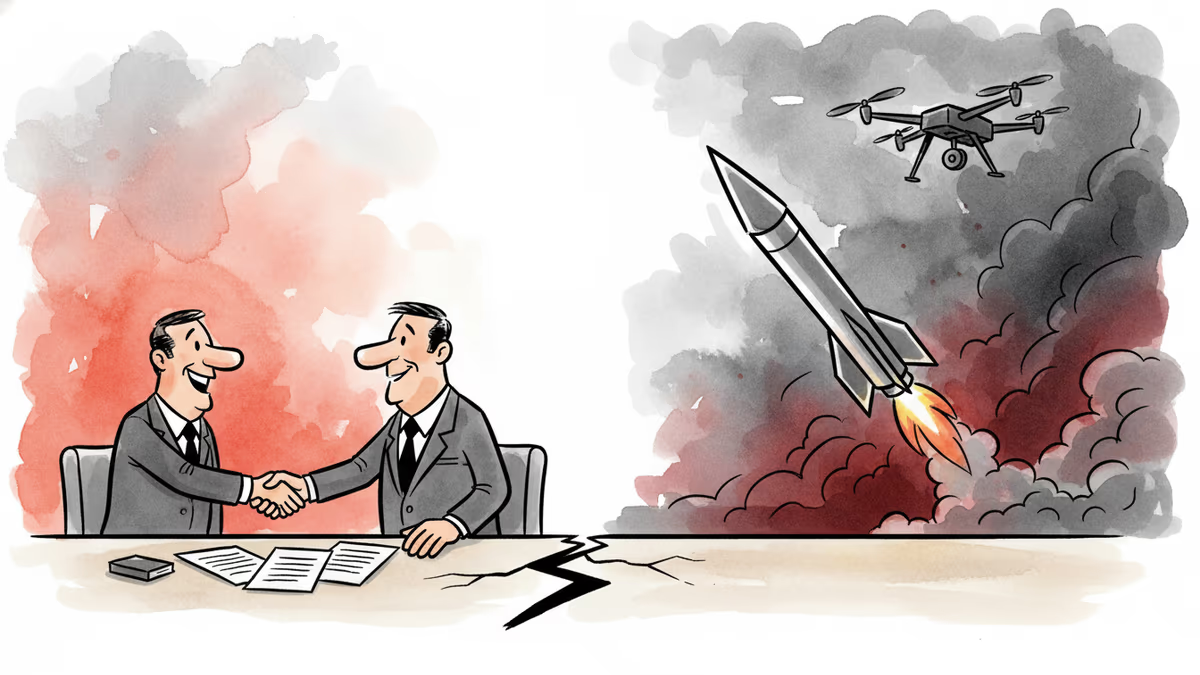
미국이 이란 남부에 '자위권' 공습을 감행한 직후, 이란 혁명수비대가 미군 리퍼 드론을 격추했다고 밝혔다. 외교 협상이 진행 중인 가운데 군사 충돌이 동시에 벌어지는 이중 구도를 분석한다.

중국 국방장관 둥쥔이 올해 샹그릴라 대화에 불참할 것으로 알려졌다. 2년 연속 장관급 대표단 미파견이 아시아 안보 외교에 던지는 메시지를 분석한다.

중국이 AI와 전자전을 결합한 'AI 플러스' 전략으로 전자기 스펙트럼 지배권을 노린다. 통신·레이더·재밍이 AI로 재편될 때, 한반도 안보 방정식은 어떻게 달라지는가.
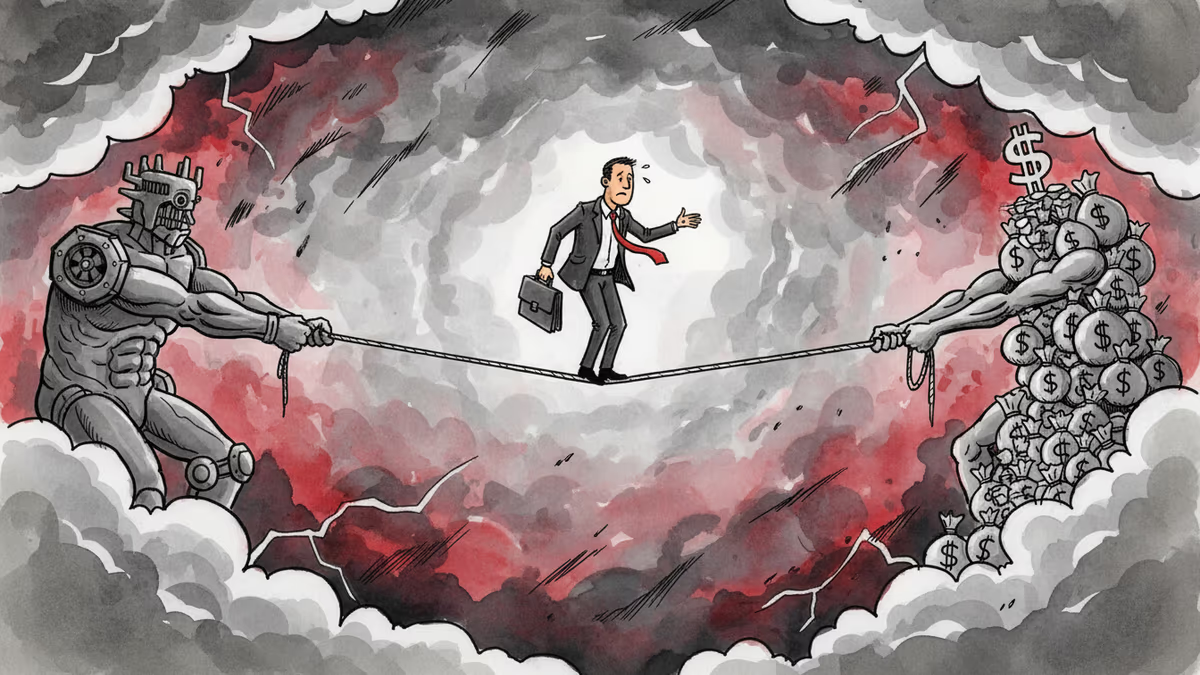
미중 정상회담 직후 푸틴이 베이징을 찾았다. 중국은 미국과 화해하면서 러시아와도 밀착을 유지할 수 있을까? 세 강대국의 삼각 외교를 분석한다.
미국이 이란 남부에 '자위권' 공습을 감행한 직후, 이란 혁명수비대가 미군 리퍼 드론을 격추했다고 밝혔다. 외교 협상이 진행 중인 가운데 군사 충돌이 동시에 벌어지는 이중 구도를 분석한다.
중국 국방장관 둥쥔이 올해 샹그릴라 대화에 불참할 것으로 알려졌다. 2년 연속 장관급 대표단 미파견이 아시아 안보 외교에 던지는 메시지를 분석한다.
중국이 AI와 전자전을 결합한 'AI 플러스' 전략으로 전자기 스펙트럼 지배권을 노린다. 통신·레이더·재밍이 AI로 재편될 때, 한반도 안보 방정식은 어떻게 달라지는가.
미중 정상회담 직후 푸틴이 베이징을 찾았다. 중국은 미국과 화해하면서 러시아와도 밀착을 유지할 수 있을까? 세 강대국의 삼각 외교를 분석한다.
의견
이 기사에 대한 생각을 나눠주세요
로그인하고 의견을 남겨보세요