
#space technology
Total 9 articles
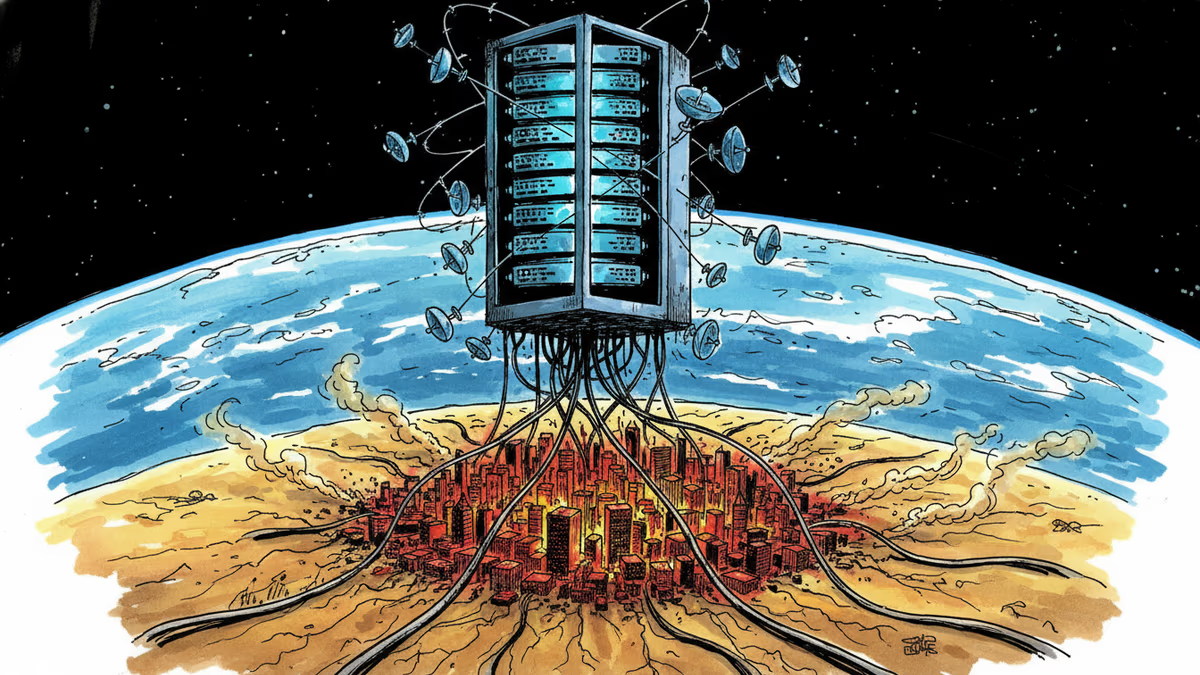
SpaceX wants to launch a million orbital data centers to power AI without draining Earth. The vision is compelling. The physics, economics, and debris math are not.
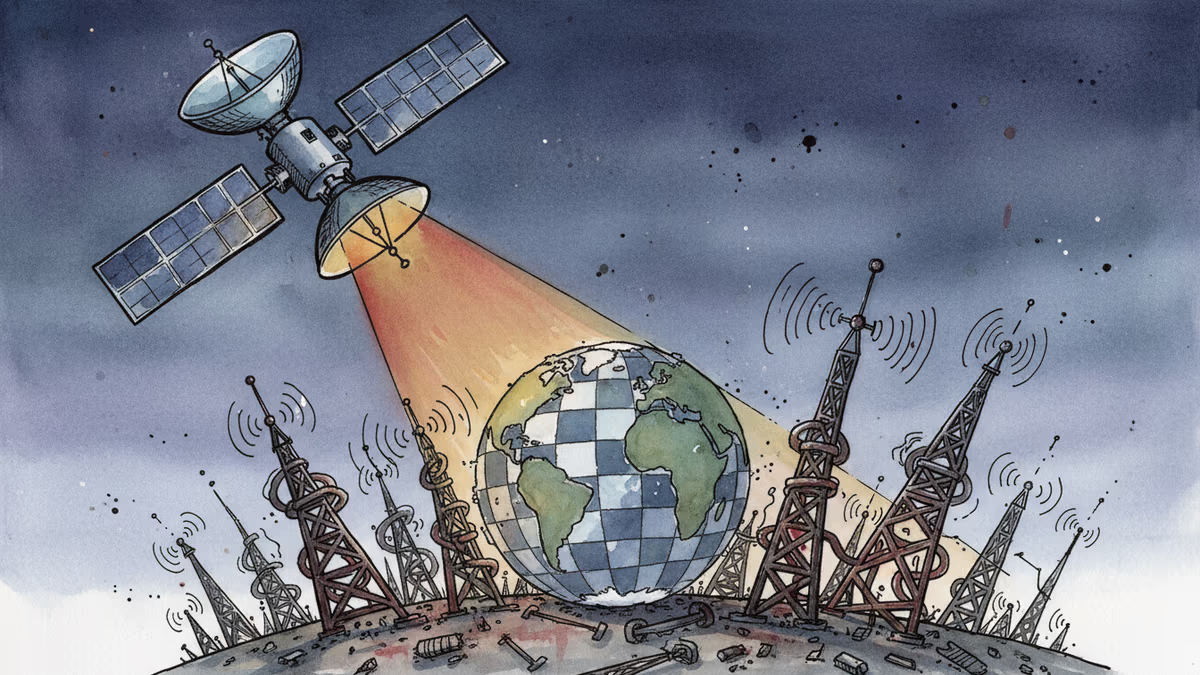
Chinese researchers have built an 11-satellite optical navigation network immune to GPS jamming. Here's what it means for autonomous vehicles, drones, and the growing rivalry over who controls positioning infrastructure.
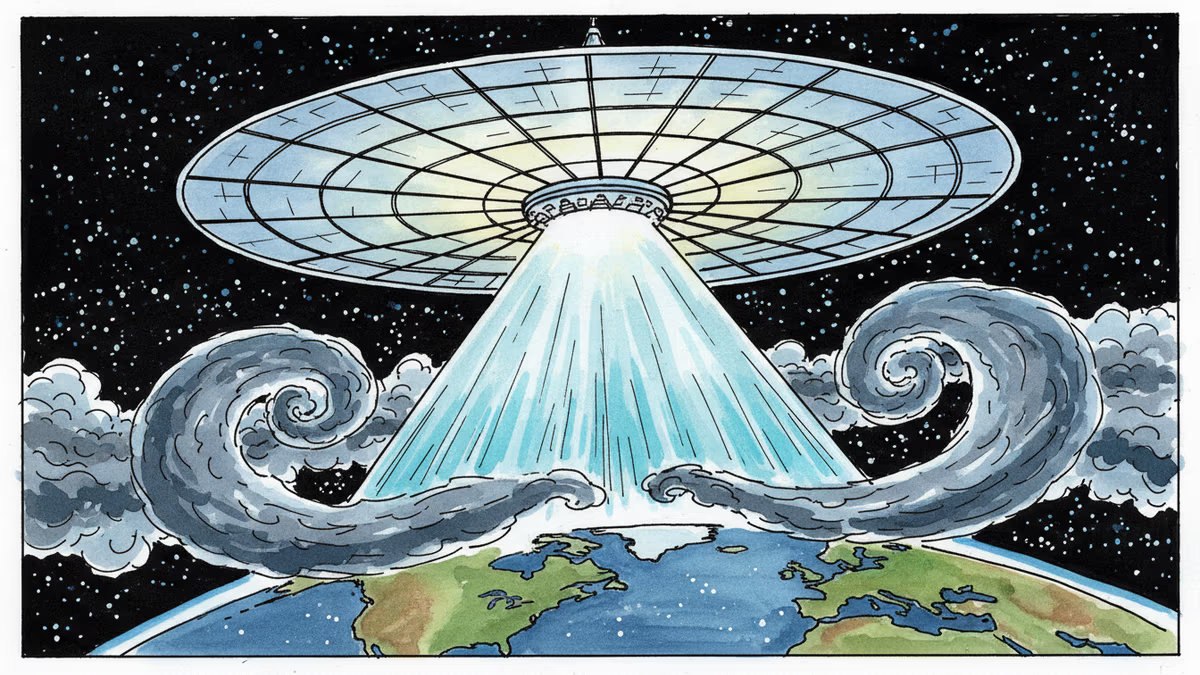
China accelerates the Zhuri project to build a space-based solar power station by 2030, claiming it could alter typhoon paths and serve as a space power bank.

PRISM by Liabooks
Place your ad in this space
[email protected]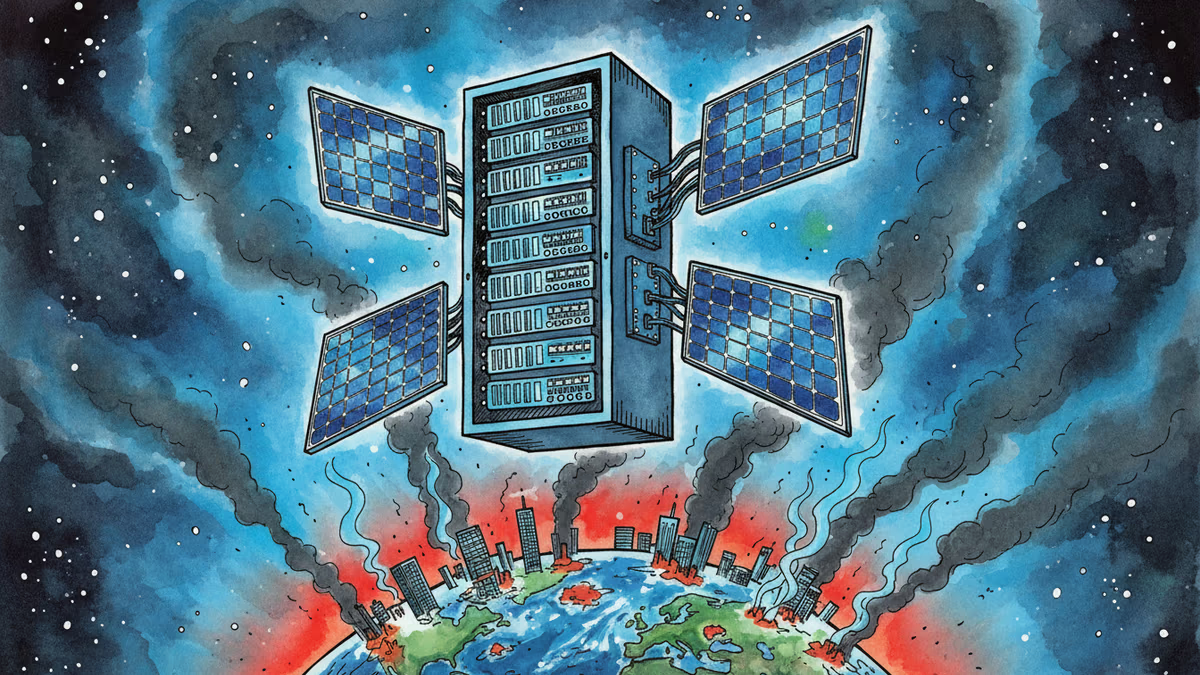
As AI drives massive energy demands, some propose building data centers in space. But does the physics actually work, or is this just sci-fi dreaming?

US allies like Australia, Canada, Germany, and Spain are investing billions to build domestic launch capabilities, challenging American and Chinese dominance in space access
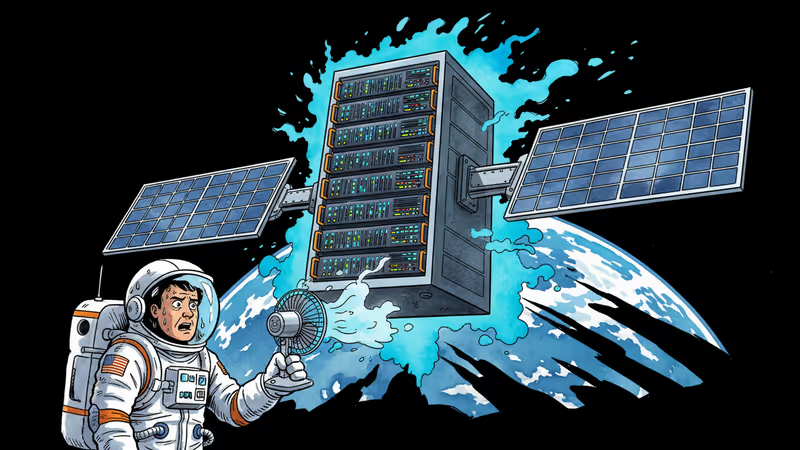
Elon Musk's $1.25 trillion SpaceX-xAI merger hinges on space data centers, but cooling issues remain unsolved. Industry leaders say 2-year timeline is 'aggressive' as investment hype meets technical reality.
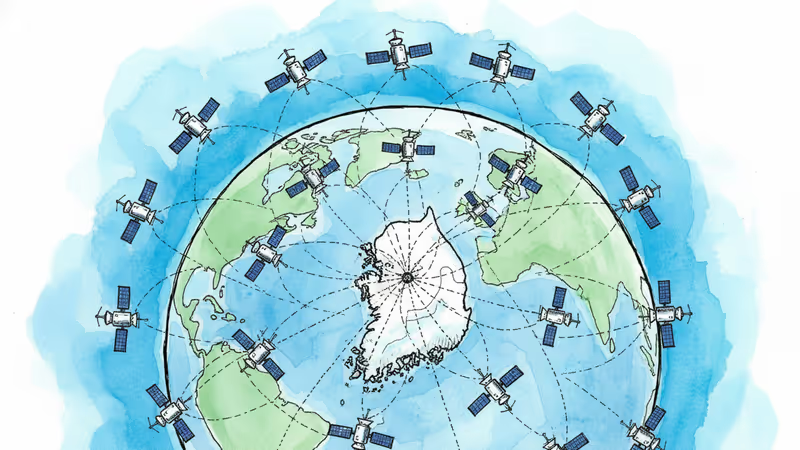
KAIST's NEONSAT-1A successfully launches from New Zealand as part of South Korea's ambitious plan to deploy 11 nanosatellites for continuous Korean Peninsula monitoring by 2027.
PRISM by Liabooks
Place your ad in this space
[email protected]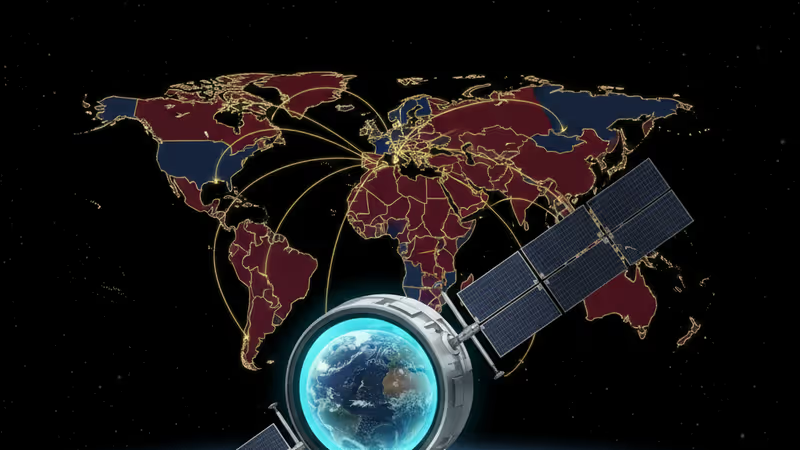
China's Yaogan-47 satellite reportedly features a two-meter optical aperture similar to Hubble, despite being significantly lighter, signaling a shift in orbital technology.
Professor Zhang Hongzhang leads innovative battery research on China's Tiangong space station to improve lithium-ion performance in microgravity.
