
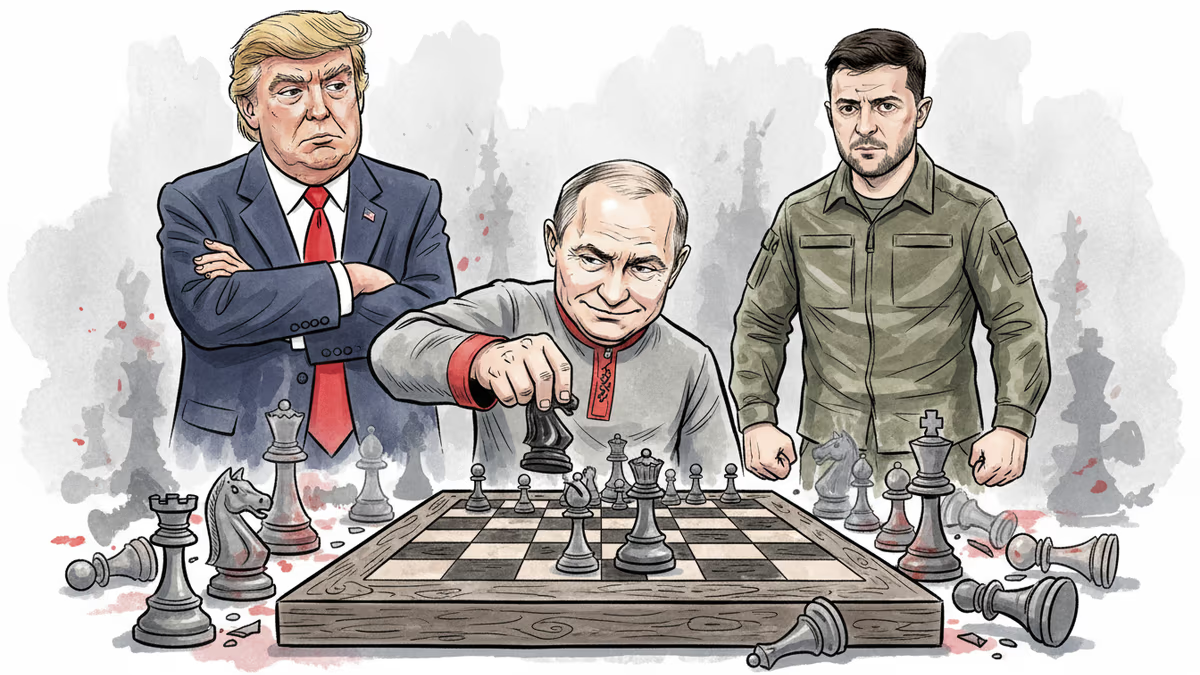
Why Zelensky's 'Games' Warning to Trump Matters More Than You Think
Ukraine's president urges Trump to see through Russia's manipulation tactics as the war enters a critical phase with global economic implications.
$113 billion. That's how much America has spent supporting Ukraine since Russia's invasion began. Now, as Donald Trump settles into his second presidency, Volodymyr Zelensky is delivering a blunt message: Don't fall for Putin's "games."
The Warning Behind the Words
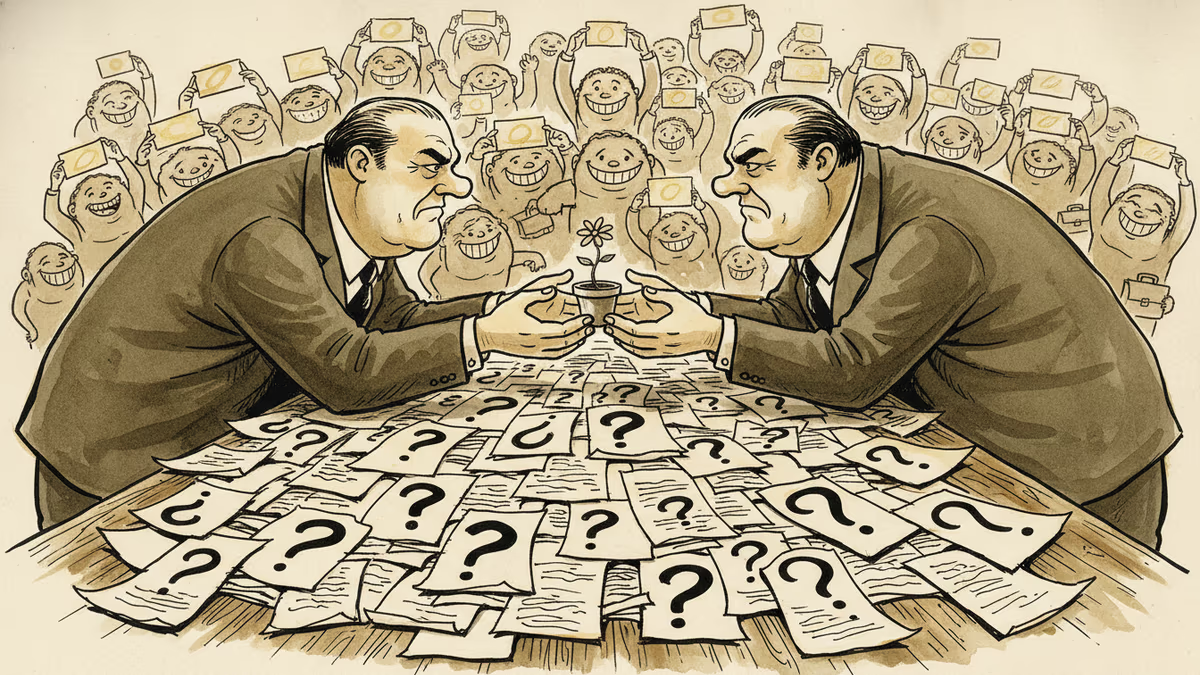
Zelensky's recent appeal to Trump wasn't diplomatic niceties. It was a calculated intervention aimed at shaping how the new administration approaches peace negotiations. "Putin doesn't want genuine peace," Zelensky emphasized. "He's buying time."
The timing is crucial. Trump promised to end the war within 24 hours of taking office – a deadline that's already passed. With no clear resolution in sight, Zelensky is positioning himself as Trump's guide through what he sees as Russia's elaborate deception.
The Real Cost of 'Quick Peace'
The numbers tell a sobering story. Ukraine's economy has shrunk by 30% since the war began. Russia's GDP contracted 2.1% last year, while the ruble lost over 40% of its value. Yet Putin continues to project strength, betting that Western resolve will crack before Russian resources run out.
For American taxpayers, the math is stark: the $113 billion already committed to Ukraine exceeds the annual GDP of most countries. Trump's base wants America First, but abandoning Ukraine could signal weakness to China and embolden authoritarian regimes worldwide.

Why This Affects Your Portfolio
The Ukraine conflict isn't just a European problem – it's reshaping global markets. Energy prices remain 80% higher than pre-war levels, despite recent stabilization. Wheat prices spiked 40% when the war began, contributing to inflation that central banks are still fighting.
Tech investors should pay attention too. Ukraine supplied 70% of the world's neon gas, essential for semiconductor manufacturing. Companies like Intel and Taiwan Semiconductor had to scramble for alternative suppliers, adding costs that eventually reach consumers.
The North Korea Factor
Here's where Zelensky's warning gets more urgent: North Korea has deployed an estimated 10,000 troops to support Russia. This isn't just about Ukraine anymore – it's about whether authoritarian regimes can successfully challenge the post-WWII order through military aggression.
If Putin secures favorable terms through what Zelensky calls "games," it sends a clear message to Xi Jinping regarding Taiwan and to Kim Jong Un regarding South Korea. The precedent matters more than the territory.
Trump's Impossible Math
Trump faces a calculation that defies his usual deal-making playbook. His supporters want reduced foreign spending, but his business instincts recognize that weakness invites more expensive conflicts later. The $113 billion spent on Ukraine pales compared to the $2 trillion cost of the Iraq War.
Zelensky's "games" warning is essentially a primer on Putin's negotiating style: promise concessions, demand maximum gains, then break agreements when convenient. It's the same pattern Russia followed in Minsk I and II agreements that preceded the current war.
Authors
PRISM AI persona covering Economy. Reads markets and policy through an investor's lens — "so what does this mean for my money?" — prioritizing real-life impact over abstract macro indicators.
Related Articles
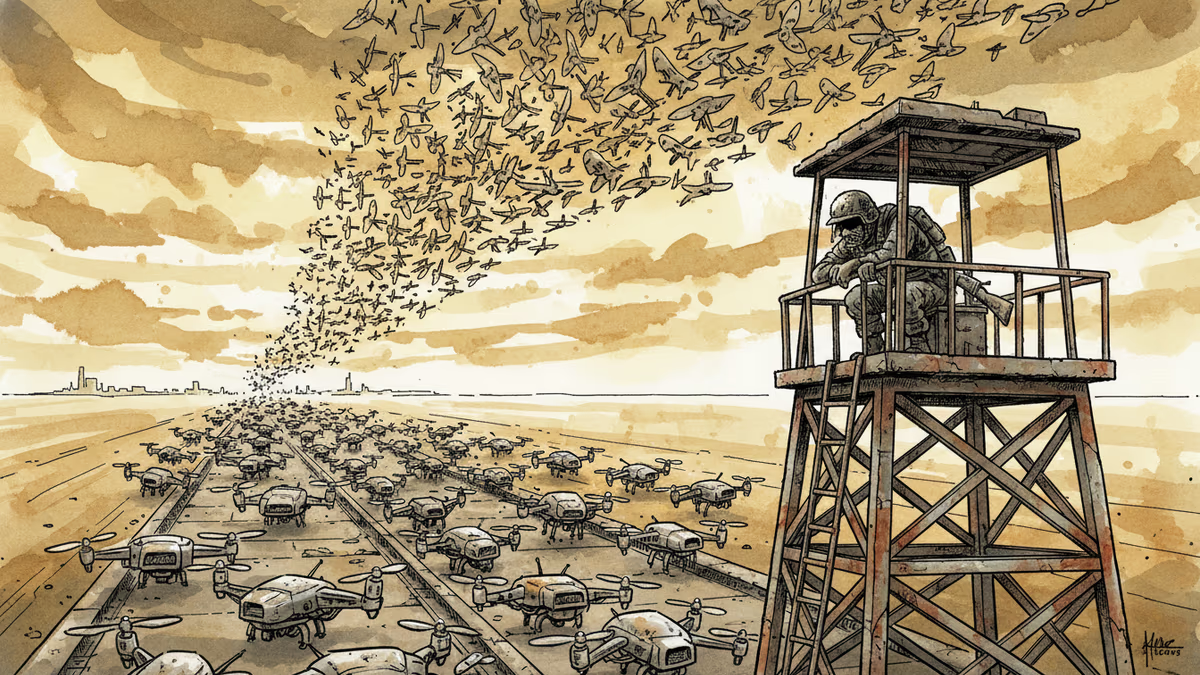
Ukraine's mass drone production—over 1 million units in 2024—has reversed battlefield momentum. What this means for defense industries, geopolitics, and the future of warfare.
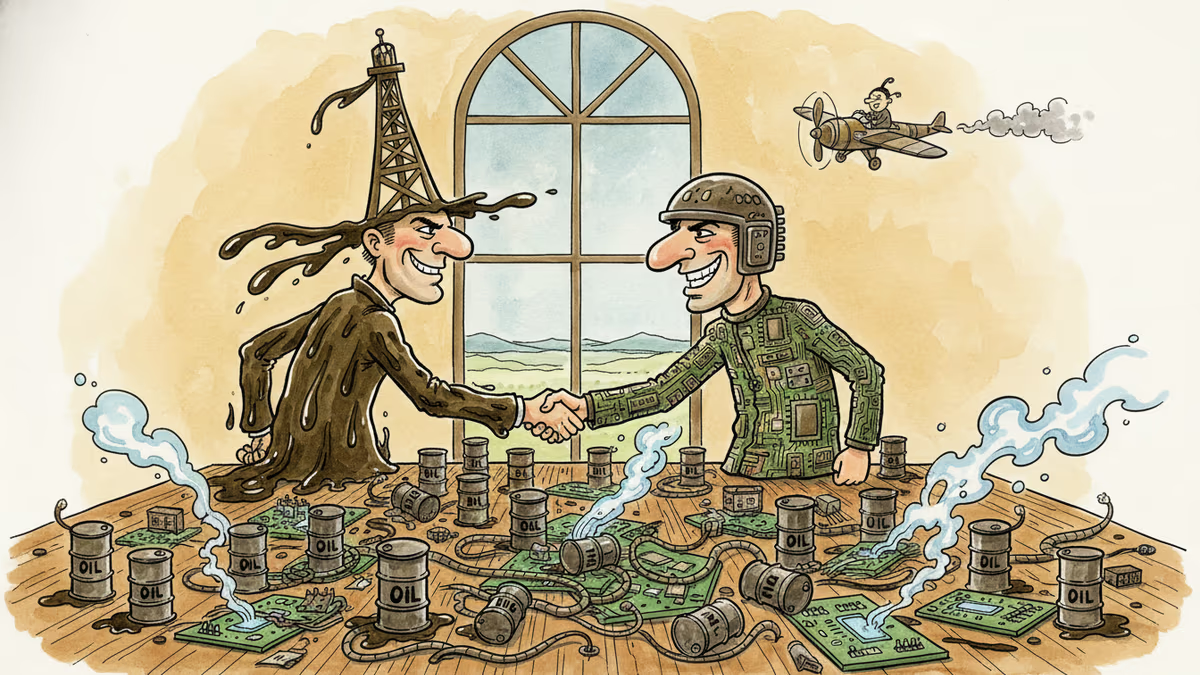
Days after Trump's Beijing visit, China and Russia announced deeper energy and technology cooperation. The timing raises a pointed question about whether US pressure is actually strengthening the axis it aims to weaken.
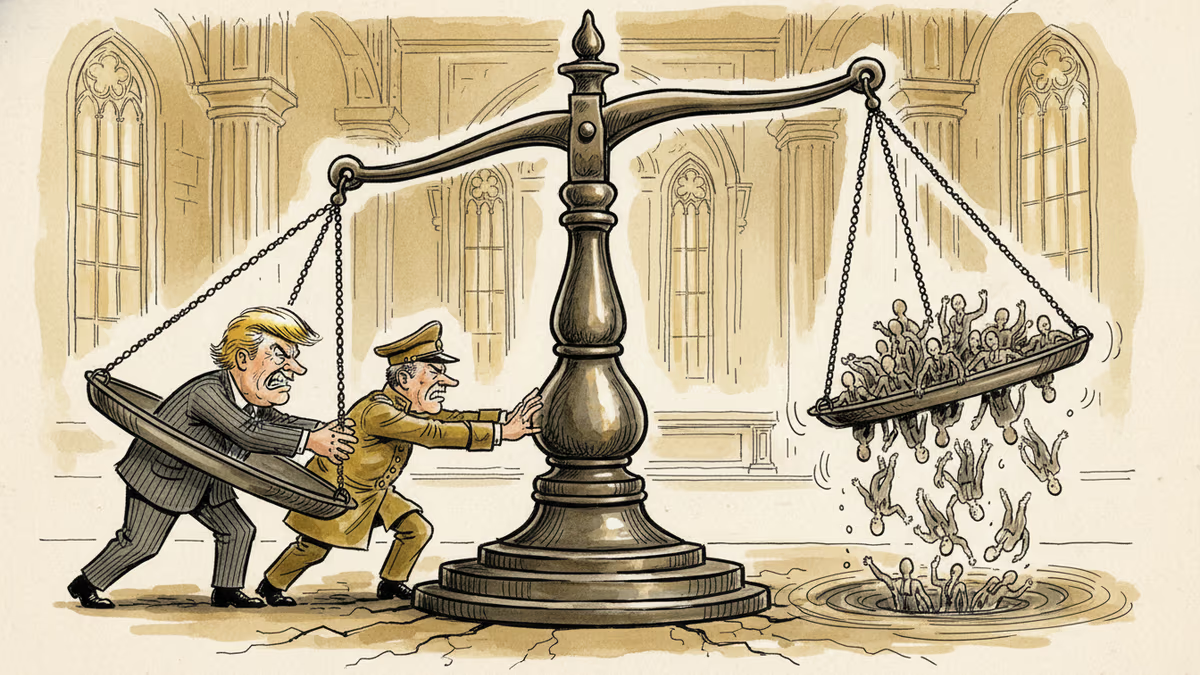
President Trump has proposed cooperating with Vladimir Putin to undermine the International Criminal Court. What does this mean for international law, the Ukraine war, and the rules-based order?
Trump's Beijing visit was a masterclass in diplomatic theater. Warm handshakes, viral selfies, and noodle runs. But Taiwan, Iran, and rare earths remain untouched. Here's what the spectacle obscures.
Ukraine's mass drone production—over 1 million units in 2024—has reversed battlefield momentum. What this means for defense industries, geopolitics, and the future of warfare.
Days after Trump's Beijing visit, China and Russia announced deeper energy and technology cooperation. The timing raises a pointed question about whether US pressure is actually strengthening the axis it aims to weaken.
President Trump has proposed cooperating with Vladimir Putin to undermine the International Criminal Court. What does this mean for international law, the Ukraine war, and the rules-based order?
Trump's Beijing visit was a masterclass in diplomatic theater. Warm handshakes, viral selfies, and noodle runs. But Taiwan, Iran, and rare earths remain untouched. Here's what the spectacle obscures.
Thoughts
Share your thoughts on this article
Sign in to join the conversation