
YouTube Kills Browser Background Play Loophole, Tightens Premium Paywall
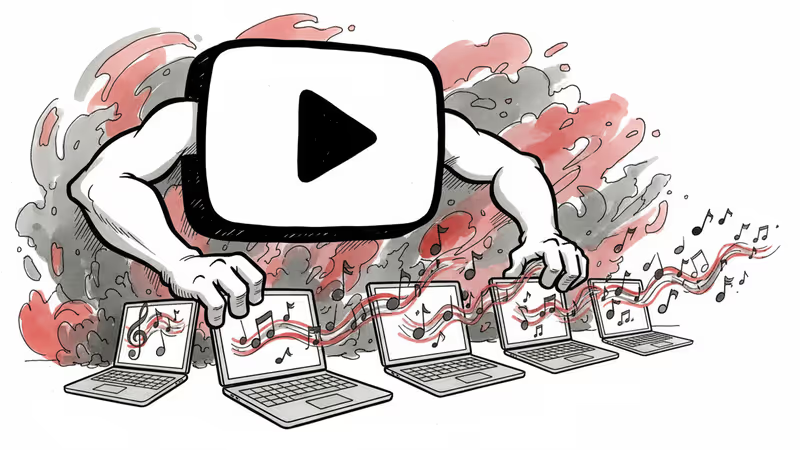
YouTube has blocked third-party browsers like Brave and Vivaldi from offering free background playback, forcing users toward Premium subscriptions or official apps.
Millions of users just lost their favorite YouTube hack. Third-party browsers like Brave, Vivaldi, and Edge can no longer bypass YouTube's paywall for background playback—the feature that lets you listen to music while using other apps or with your screen off.
"Background playback is a feature intended to be exclusive for YouTube Premium members," a Google spokesperson told Android Authority. Translation: the loophole that let non-Premium users access this $11.99/month feature through mobile browsers has been officially plugged.
The End of Free Lunch
For years, savvy users found ways around YouTube's restrictions. Brave Browser blocked ads and enabled background play by default. Vivaldi and Edge mobile versions offered similar workarounds. These browsers became unofficial YouTube Premium alternatives, letting users stream music without interruption—and without paying.
The timing isn't coincidental. Google has been waging war on ad blockers for months, showing increasingly aggressive pop-ups demanding users either disable their blockers or subscribe to Premium. Now they're closing the browser loophole entirely.
This move particularly stings for users who've built their music habits around YouTube. With over 2 billion logged-in users monthly, YouTube hosts everything from obscure indie tracks to live concert recordings that aren't available on Spotify or Apple Music. For many, it became their primary music platform—just without the subscription fee.
Browser Wars Get Messier
This crackdown puts alternative browser makers in an awkward position. Brave built its reputation on ad-blocking and privacy features that major sites increasingly resist. Vivaldi and others differentiate themselves by offering capabilities that Chrome doesn't—but if content providers start blocking these features directly, what's the point of switching?

Microsoft'sEdge faces similar challenges. The company has been trying to chip away at Chrome's65% market share by offering unique features and better integration with Windows. But when major platforms like YouTube start restricting third-party browser capabilities, it pushes users back toward Google's ecosystem.
The irony? Chrome users never needed these workarounds. They were already in Google's walled garden, just a credit card swipe away from Premium.
The Subscription Economy Tightens Its Grip
YouTube's move reflects a broader shift in how digital platforms monetize. The era of finding creative workarounds is ending as companies get more sophisticated about closing loopholes. Netflix cracked down on password sharing. Twitter put basic features behind a paywall. Now YouTube is eliminating browser-based bypasses.
For consumers, this means fewer options and clearer choices: pay up, watch ads, or find alternatives. The middle ground of "free premium features through technical workarounds" is disappearing.
This also signals how confident YouTube feels about its market position. The platform hosts 500 hours of video uploaded every minute and has become essential infrastructure for creators and viewers alike. Google can afford to be aggressive because where else are users going to go?
What's Next for Free Users?
The blocked users now face a stark choice. They can subscribe to YouTube Premium for ad-free viewing and background play. They can return to the official app and tolerate ads. Or they can migrate to dedicated music streaming services—though none offer YouTube's unique mix of music videos, live performances, and creator content.
Some might turn to desktop browsers with ad blockers, but Google's been targeting those too. Others might explore alternative platforms, though none match YouTube's scale or content variety.
Authors
Related Articles
YouTube's 2025 ad revenue hit $40.4B, surpassing Disney, NBC, Paramount, and Warner Bros. Discovery combined. What this means for advertisers, creators, and the future of media.
Apple's spring video podcast launch isn't just a feature update. It's a strategic play for the **$51 billion** podcasting market that could reshape how creators monetize content.
Apple adds seamless audio-video switching to Podcasts app, challenging YouTube's dominance in video podcasting. What this means for creators, listeners, and the streaming wars.
Google launches official YouTube app for Apple Vision Pro after two years. The timing reveals strategic calculations about the mixed reality market's future.
YouTube's 2025 ad revenue hit $40.4B, surpassing Disney, NBC, Paramount, and Warner Bros. Discovery combined. What this means for advertisers, creators, and the future of media.
Apple's spring video podcast launch isn't just a feature update. It's a strategic play for the **$51 billion** podcasting market that could reshape how creators monetize content.
Apple adds seamless audio-video switching to Podcasts app, challenging YouTube's dominance in video podcasting. What this means for creators, listeners, and the streaming wars.
Google launches official YouTube app for Apple Vision Pro after two years. The timing reveals strategic calculations about the mixed reality market's future.
Thoughts
Share your thoughts on this article
Sign in to join the conversation