
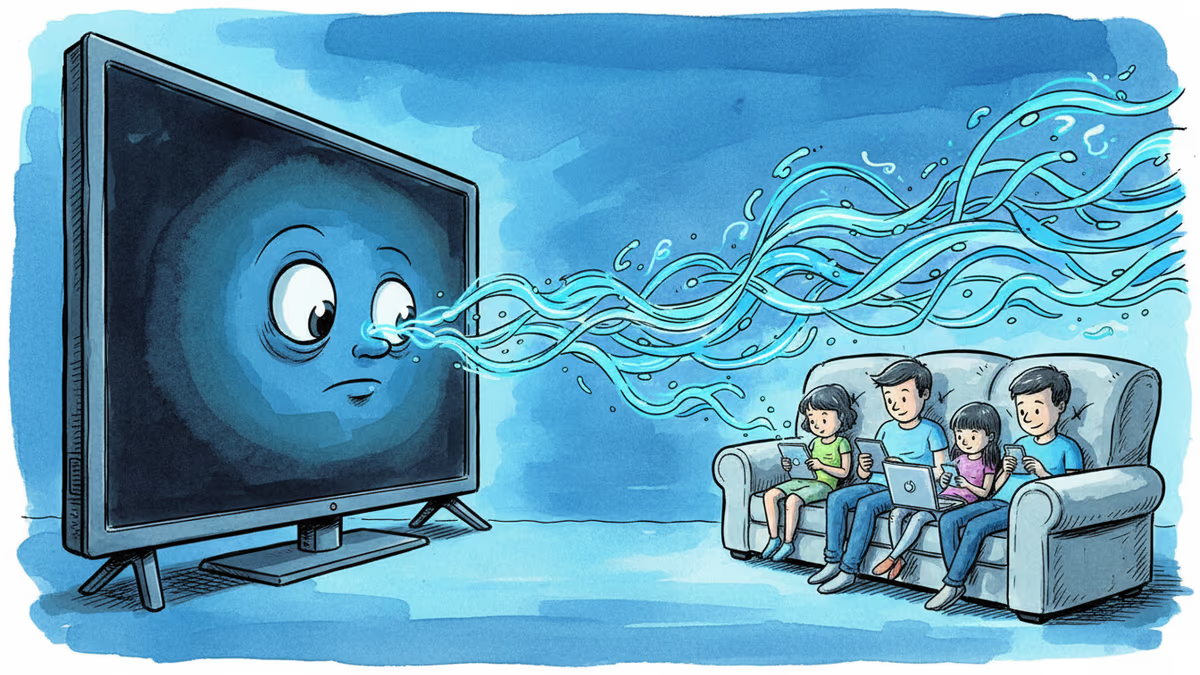
Your Smart TV Might Be Watching You Back
Bright Data proposes new revenue model for Samsung and LG smart TV streaming apps - collecting user data instead of showing ads. What's the real cost of 'free' streaming?
The Too-Good-To-Be-True Streaming Deal
Imagine a streaming service with no ads and no subscription fees. Sounds impossible? Web data aggregator Bright Data is pitching exactly that to streaming operators on Samsung's Tizen and LG's webOS platforms. The catch? Your personal data becomes the product.
This isn't just another privacy story. It's about a fundamental shift in how we might consume entertainment - and what we're willing to trade for "free" content.
How Your TV Becomes a Data Harvester
The mechanics are surprisingly straightforward. When users install a streaming app and consent to the terms, the app collects web data in the background. Bright Data monetizes this information by selling it to businesses, then shares revenue with the streaming service operators.
The company claims the system is designed to be unobtrusive - data collection pauses during viewing and only operates when the TV is idle. But privacy advocates are asking the crucial question: Do users really understand what they're agreeing to?
The Living Room Dilemma
This model isn't new for mobile apps, where "free" often means ad-supported or data-harvesting. But smart TVs present unique challenges.

Unlike smartphones, TVs sit in shared spaces. They capture viewing patterns of entire households. The data footprint extends beyond individual preferences to family dynamics, children's viewing habits, and collective household behavior.
Samsung and LG haven't officially commented on adopting such services, but both companies already generate significant revenue from smart TV advertising and viewer analytics. The appeal of an additional revenue stream without traditional advertising friction is obvious.
Consumer Choice or Coercion?
On the surface, this creates more options: pay with money, pay with attention (ads), or pay with data. That sounds like consumer empowerment.
But privacy experts worry about economic coercion. If premium ad-free tiers cost $15-20 monthly while data-sharing options are free, is that really a choice for budget-conscious families?
The streaming industry has already normalized the "freemium" model where free users get inferior experiences. Now we're potentially adding a third tier where privacy becomes a luxury good.
The Transparency Problem
The real issue isn't data collection itself - it's informed consent. Current privacy policies are notorious for their length and complexity. When Bright Data's model scales to mainstream streaming, will users genuinely understand they're trading household internet behavior for entertainment access?
Regulators in the EU and California have already tightened data collection rules. This model will likely face scrutiny, especially regarding children's data and household-level tracking.
Authors
Related Articles
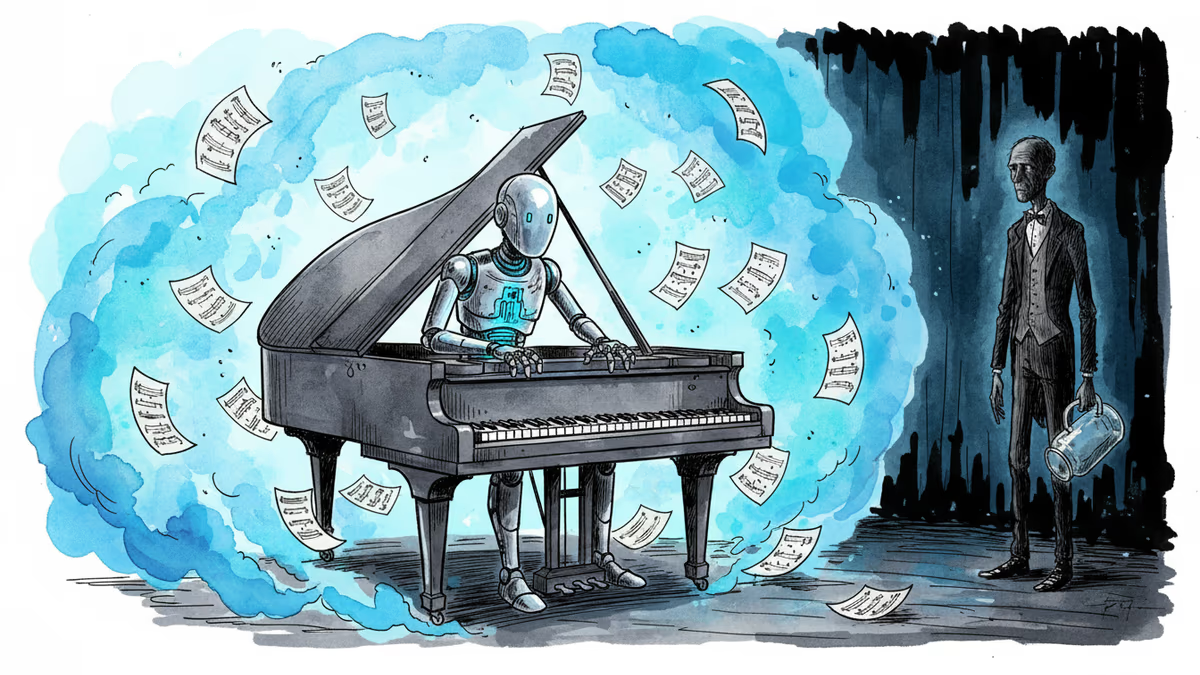
From a niche experiment in 2018 to a mainstream disruption in 2026, AI-generated music is forcing the industry to rethink creativity, copyright, and compensation.
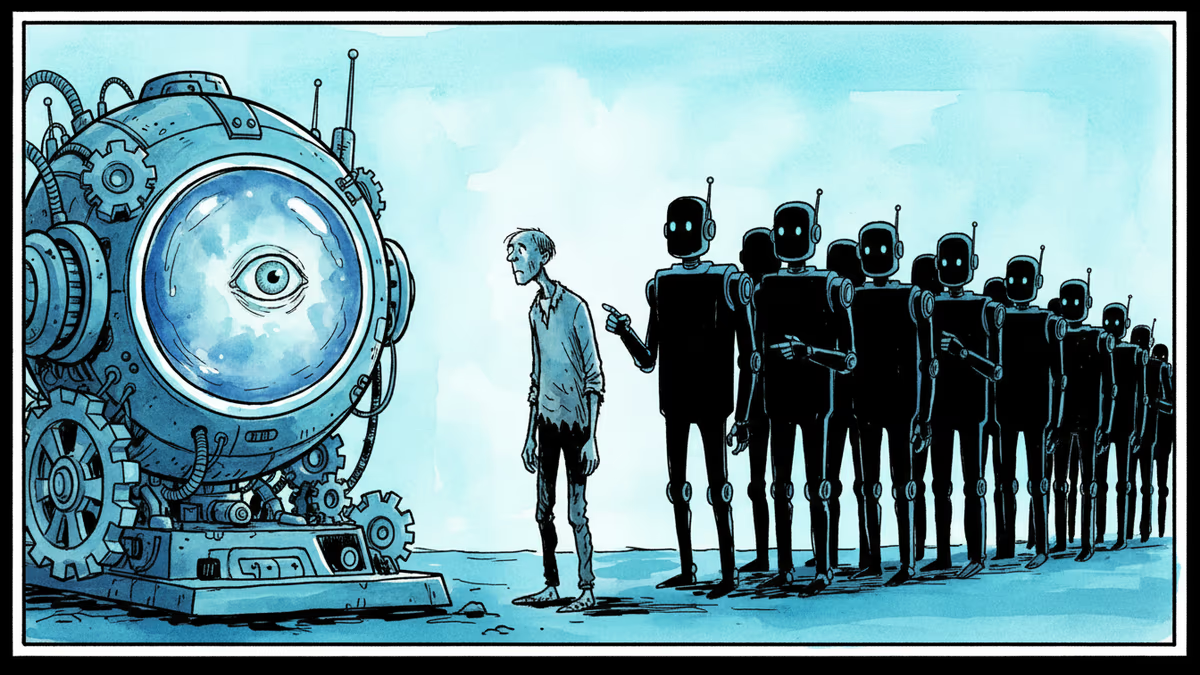
Tinder now rewards users who scan their irises at a World orb with free in-app boosts. As AI agents flood dating apps, 'being human' is becoming a verified status — and a business model.
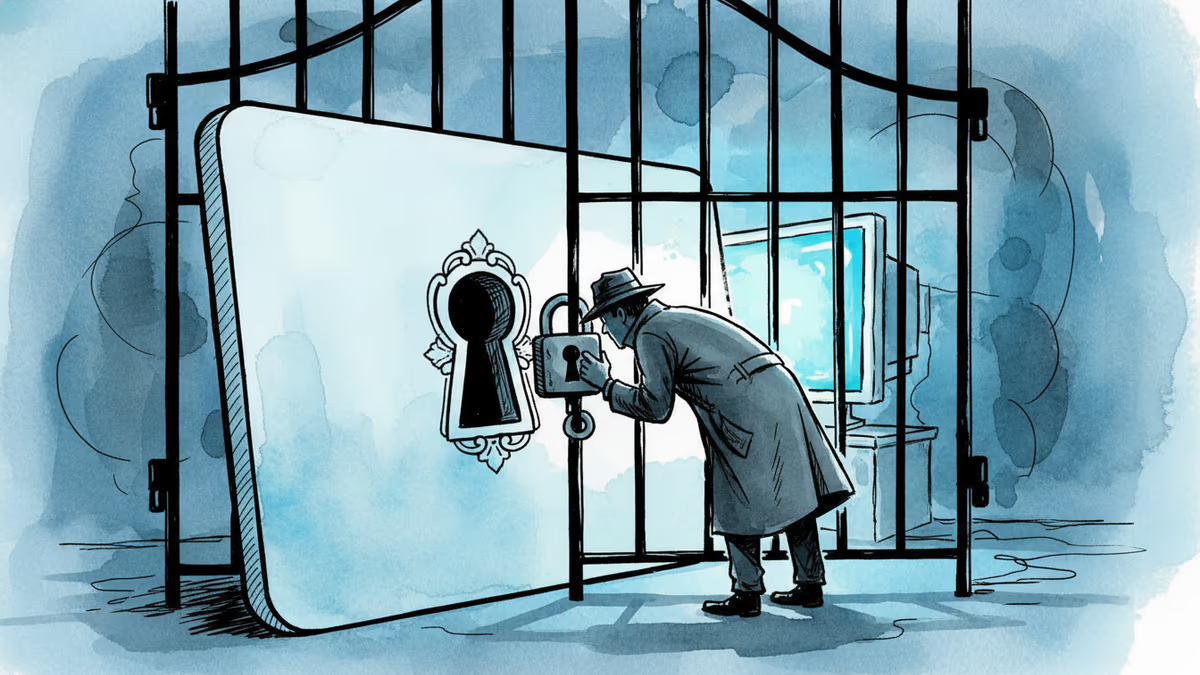
Wisconsin Governor Tony Evers vetoed an age verification bill for adult sites, citing privacy concerns. With 25+ states going the other way, the debate cuts to the heart of online freedom vs. child protection.
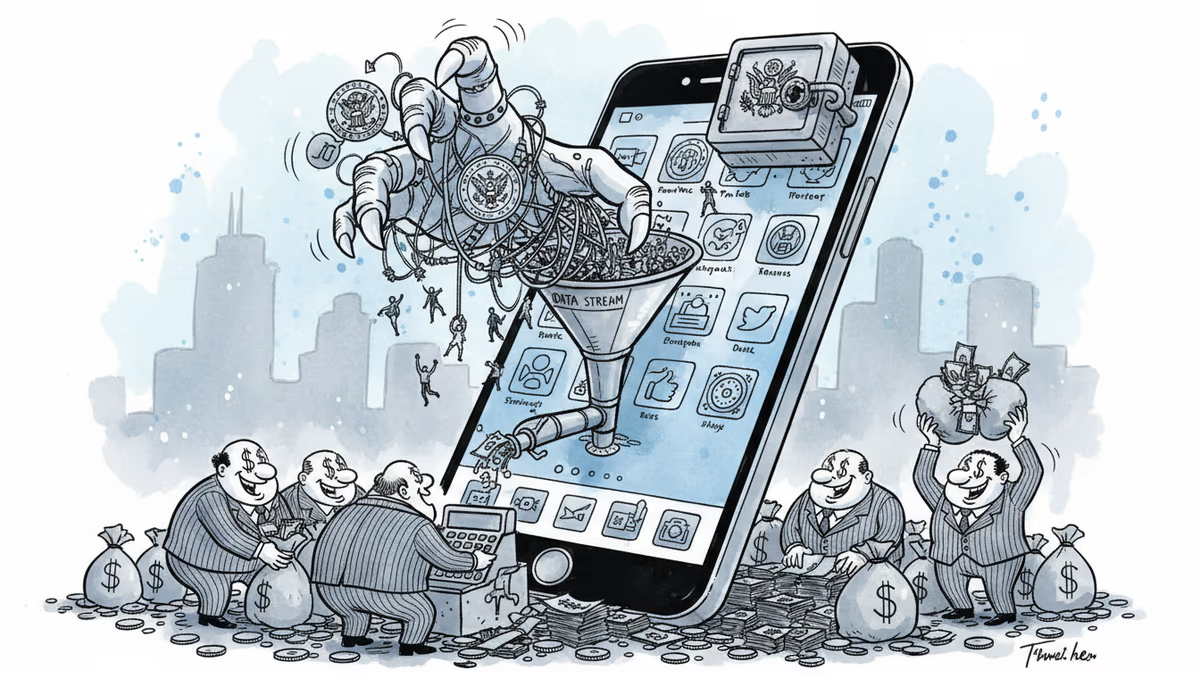
CBP admits buying location data from ad industry while Meta contractors watch users in bathrooms through smart glasses. The digital privacy boundary is crumbling.
From a niche experiment in 2018 to a mainstream disruption in 2026, AI-generated music is forcing the industry to rethink creativity, copyright, and compensation.
Tinder now rewards users who scan their irises at a World orb with free in-app boosts. As AI agents flood dating apps, 'being human' is becoming a verified status — and a business model.
Wisconsin Governor Tony Evers vetoed an age verification bill for adult sites, citing privacy concerns. With 25+ states going the other way, the debate cuts to the heart of online freedom vs. child protection.
CBP admits buying location data from ad industry while Meta contractors watch users in bathrooms through smart glasses. The digital privacy boundary is crumbling.
Thoughts
Share your thoughts on this article
Sign in to join the conversation