

Why Leica Finally Gave Xiaomi the Red Dot
Leica grants Xiaomi its iconic red dot logo for the first time, marking a new phase in their 3-year partnership. What this means for the premium smartphone market.
The $200 Million Question: What Changed?
For three years, Leica and Xiaomi have been partners. But the German camera giant never let the Chinese phonemaker use its sacred red dot logo on actual hardware. Until now.
The Leitzphone – essentially a rebranded Xiaomi 17 Ultra – represents more than just another premium smartphone launch. It's the first time Leica has trusted a non-Japanese manufacturer with its most precious brand asset, and the first Leitzphone to leave Japan's shores.
This isn't just about logos. It's about $847 billion smartphone market where technical specs have plateaued, and emotional differentiation has become the new battleground.
When Camera Heritage Meets Smartphone Scale
Leica's decision reflects a harsh reality: standalone cameras are dying, but camera brands are thriving. The company that once served war correspondents and street photographers now sees its future in devices that fit in your pocket.

The Leitzphone is mechanically identical to Xiaomi's 17 Ultra – same sensors, same processing power. The differences? A rotating camera ring and that coveted red dot. Yet early reports suggest consumers are willing to pay a 15-20% premium for these seemingly minor additions.
Sharp previously held exclusive Leitzphone manufacturing rights in Japan, producing three models for the domestic market only. Xiaomi's global Leitzphone launch signals Leica's confidence in expanding beyond its traditional comfort zone.
The Premium Paradox
This partnership exposes an interesting contradiction in today's smartphone market. While Apple and Samsung invest billions in proprietary camera technology, Xiaomi is betting that borrowed prestige can compete with homegrown innovation.
Photography enthusiasts are split. Professional shooters appreciate Leica's color science and lens heritage translated to smartphone sensors. But purists argue that slapping a red dot on a Chinese phone dilutes the brand's century-old legacy.
The timing is crucial. As Huawei's smartphone business struggles under sanctions, Leica needed a new global partner. Xiaomi, meanwhile, seeks premium credibility as it pushes beyond its budget-friendly roots.
Authors
Related Articles

The Xiaomi 17 Ultra, Honor Magic 8 Pro, and other global flagships are outspeccing Samsung and Apple—but US consumers can't legally buy them. Here's what that means.

Complete breakdown of iPhone 17 series with 5 models from $599-$1,199. Analysis of Apple's new Air model strategy and what it means for smartphone market competition.
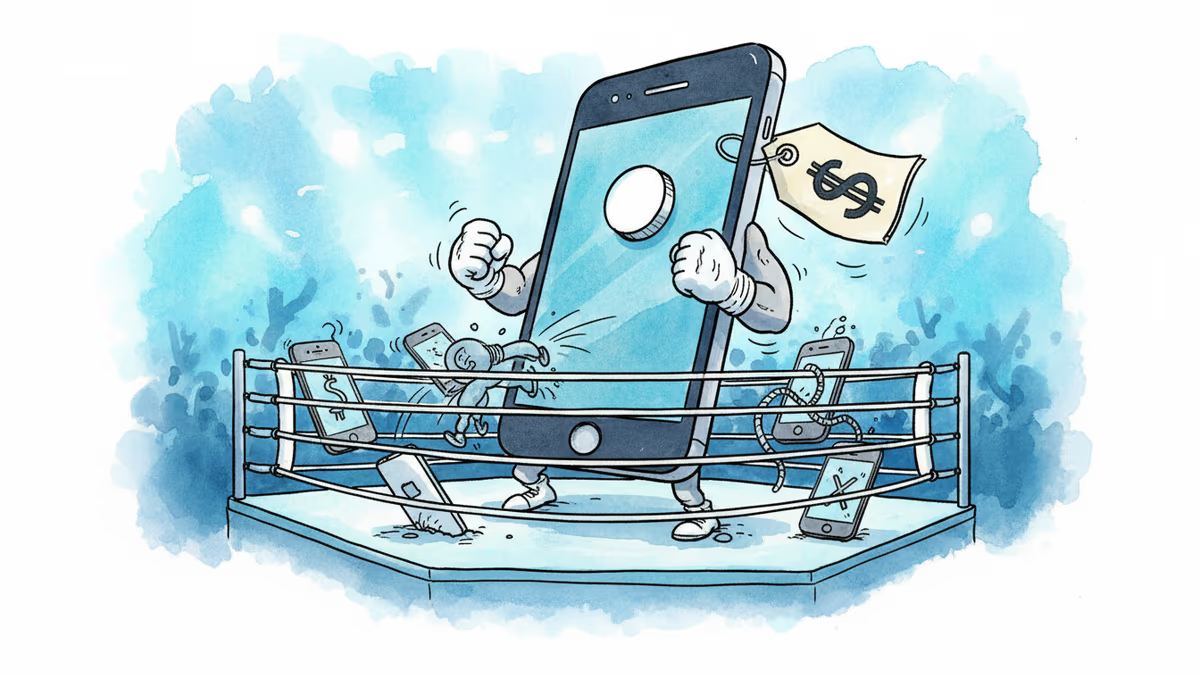
iPhone 17E starts at $599 with 256GB storage and MagSafe compatibility. How Apple's budget push threatens Samsung and Chinese brands in the competitive mid-range market.
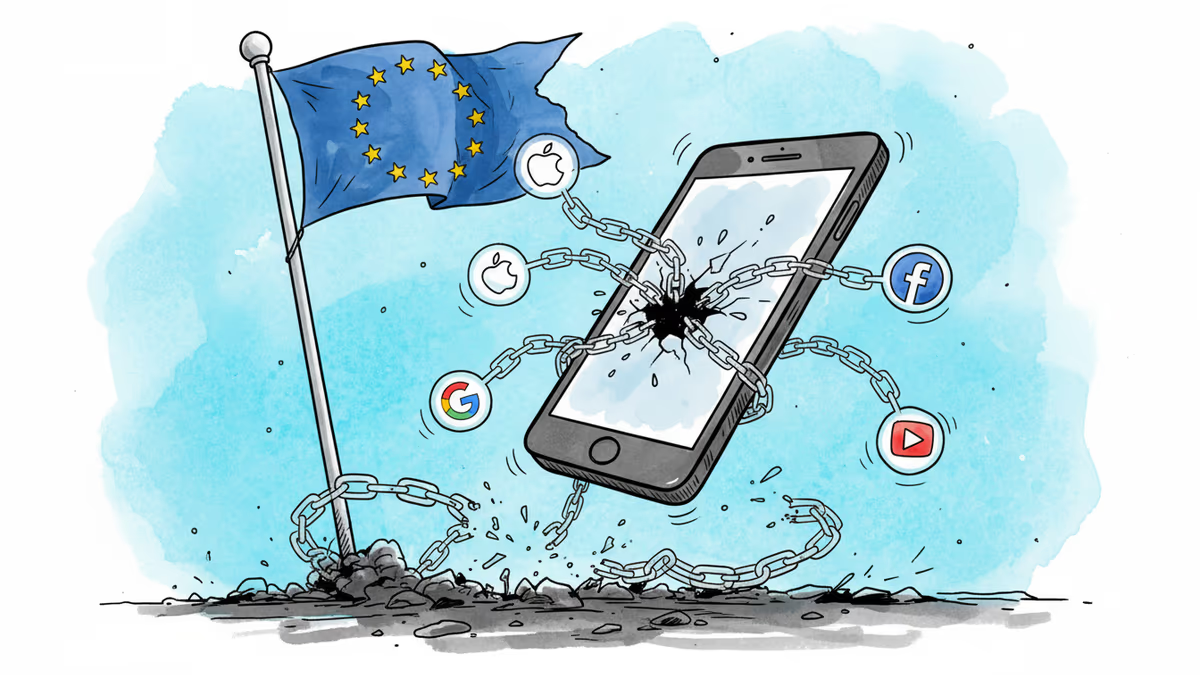
After 13 years, Finland's Jolla launches new smartphone with Linux-based OS, no Google services. 10,000 pre-orders signal growing demand for digital sovereignty in post-Trump tech landscape.
The Xiaomi 17 Ultra, Honor Magic 8 Pro, and other global flagships are outspeccing Samsung and Apple—but US consumers can't legally buy them. Here's what that means.
Complete breakdown of iPhone 17 series with 5 models from $599-$1,199. Analysis of Apple's new Air model strategy and what it means for smartphone market competition.
iPhone 17E starts at $599 with 256GB storage and MagSafe compatibility. How Apple's budget push threatens Samsung and Chinese brands in the competitive mid-range market.
After 13 years, Finland's Jolla launches new smartphone with Linux-based OS, no Google services. 10,000 pre-orders signal growing demand for digital sovereignty in post-Trump tech landscape.
Thoughts
Share your thoughts on this article
Sign in to join the conversation