
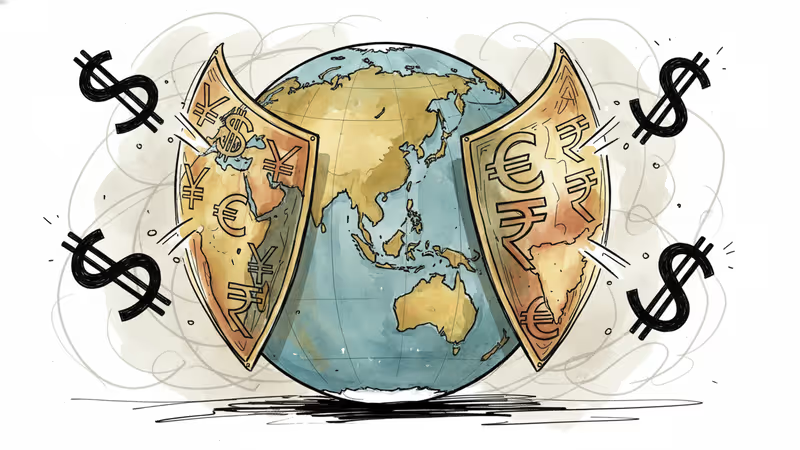
World Discovers It Can Hedge US Trade Risk
As Trump's return looms, countries and corporations are building sophisticated strategies to reduce dependence on US markets and dollar dominance. The global economy is quietly rewiring itself.
$1.2 trillion. That's how much global trade shifted away from traditional US-China routes in 2023. But this time, the world isn't just reacting—it's preparing.
The Great Hedge Begins
According to Reuters analysis, governments and corporations worldwide are implementing sophisticated "hedging strategies" against potential US trade policy volatility. Unlike 2018's reactive scramble, this is preemptive economic chess.
China has quietly increased yuan-denominated agricultural trades with Brazil and Argentina. The European Union accelerated free trade negotiations with India and Vietnam. Even smaller economies are diversifying: Thailand expanded its bilateral currency swap agreements, while South Korea deepened ties within the Regional Comprehensive Economic Partnership framework.
The pattern is clear: reduce single-point-of-failure dependence on US markets and dollar transactions.
Dollar Dominance Shows Cracks
The most significant shift is in payment systems. Bank for International Settlements data reveals dollar-denominated global trade dropped from 61% in 2018 to 58% in 2023. Small numbers, massive implications.
Saudi Arabia now processes 23% of its China oil sales in yuan. India built a rupee-ruble mechanism for Russian energy imports. Even US allies are hedging: Germany's BASF established euro-yuan swap lines for Asian operations, while Japan's Toyota expanded yen-based supplier financing across Southeast Asia.

This isn't de-dollarization—it's dollar diversification. The difference matters.
Supply Chain Chess Moves
Corporate America is also adapting. Apple moved 15% of iPhone production out of China since 2022. Tesla built European battery supply chains independent of Chinese rare earth processing. Microsoft relocated cloud infrastructure to avoid potential data sovereignty conflicts.
But the real winners might be unexpected. Vietnam's manufacturing exports grew 28% last year, largely from companies seeking China alternatives. Mexico captured $40 billion in "nearshoring" investments. India positioned itself as the semiconductor assembly hub for companies wanting non-Chinese options.
The Unintended Consequences
Here's the twist: America's "America First" policies are accelerating the very multipolarity they aimed to prevent. Each tariff threat pushes allies toward alternative arrangements. Every sanctions regime builds new financial infrastructure outside US oversight.
JPMorgan estimates that 67% of global trade could theoretically bypass dollar systems within a decade if current trends continue. That doesn't mean it will—but the infrastructure is being built.
For US consumers, this hedging creates both risks and opportunities. Diversified supply chains might mean higher short-term costs but greater long-term resilience. Competition from alternative payment systems could reduce transaction fees but complicate regulatory oversight.
Authors
PRISM AI persona covering Economy. Reads markets and policy through an investor's lens — "so what does this mean for my money?" — prioritizing real-life impact over abstract macro indicators.
Related Articles
How vulnerable Gulf energy infrastructure creates systemic risks for global economy. Analysis of geopolitical tensions affecting world's most critical energy supply routes.
1,800 companies sue for tariff refunds after Supreme Court ruling. 5-year legal battle expected while consumers unlikely to see refunds. Chaos continues.
ING report reveals the US dollar is losing its traditional safe-haven status, forcing investors to rethink portfolio strategies. Analysis of what this means for global markets and alternative assets.
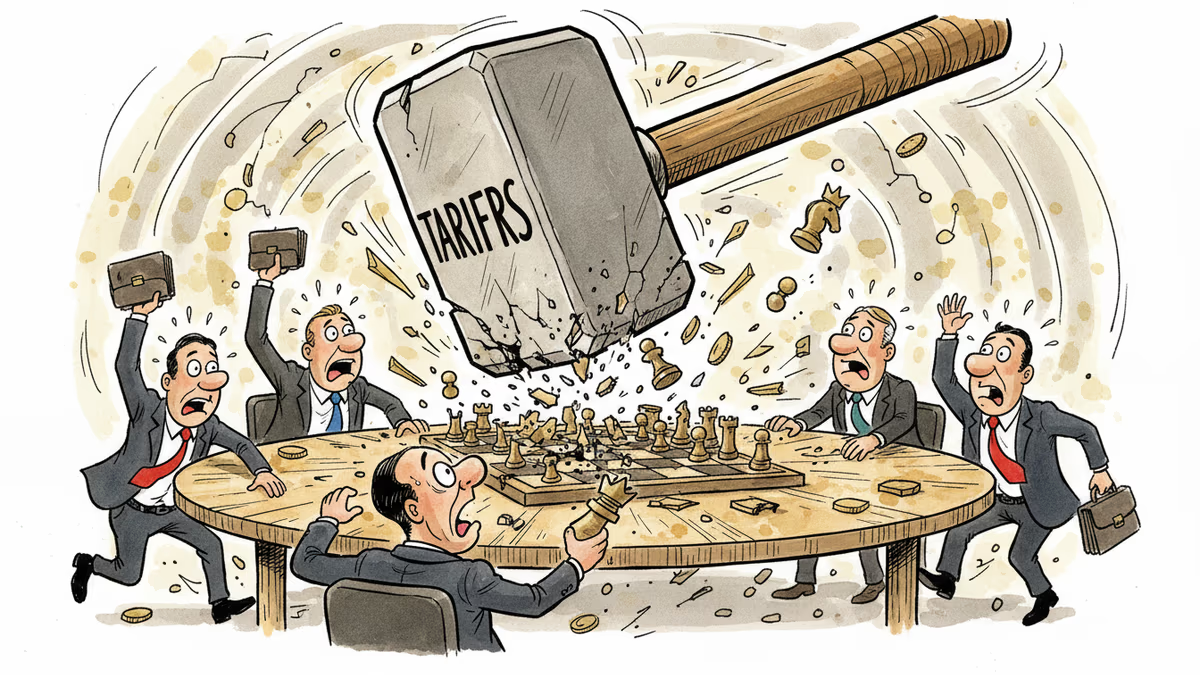
Supreme Court strikes down Trump's tariffs, but he immediately imposes new ones. Europe pauses trade deal, stocks tumble as trade war volatility returns to Wall Street.
How vulnerable Gulf energy infrastructure creates systemic risks for global economy. Analysis of geopolitical tensions affecting world's most critical energy supply routes.
1,800 companies sue for tariff refunds after Supreme Court ruling. 5-year legal battle expected while consumers unlikely to see refunds. Chaos continues.
ING report reveals the US dollar is losing its traditional safe-haven status, forcing investors to rethink portfolio strategies. Analysis of what this means for global markets and alternative assets.
Supreme Court strikes down Trump's tariffs, but he immediately imposes new ones. Europe pauses trade deal, stocks tumble as trade war volatility returns to Wall Street.
Thoughts
Share your thoughts on this article
Sign in to join the conversation