
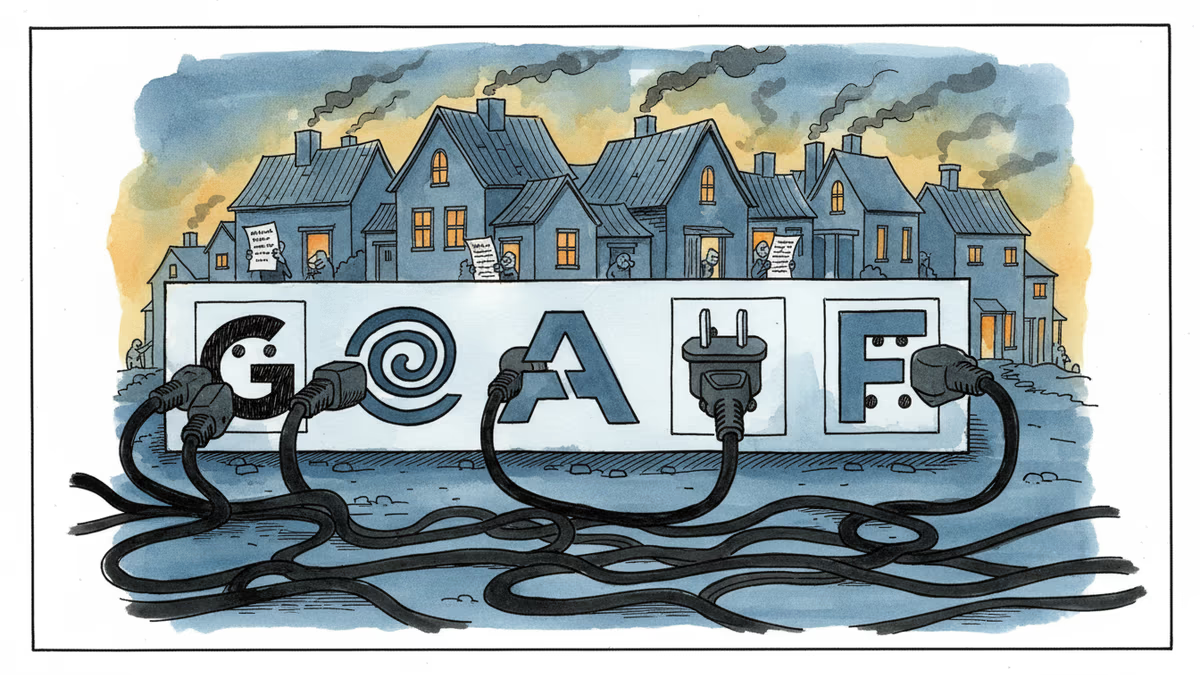
Big Tech Promises to Pay for AI's Power Surge. Can They Actually Deliver?
Trump demands tech giants build their own power plants as AI data centers drive electricity prices up 6%. Microsoft, Google, and OpenAI pledge to cover costs, but the devil's in the details—and communities aren't buying it yet.
The 6% Electricity Bill Shock That Reached the White House
AI data centers plugged into America's electrical grid have pushed national electricity prices up more than 6% in just one year. That's enough to make it a presidential talking point. In his State of the Union address, Trump delivered a direct message to Big Tech: "You have the obligation to provide for your own power needs. Build your own power plants so no one's prices go up."
The response was swift. Over recent weeks, major tech companies have rushed to make public commitments about covering electricity costs. Microsoft led the charge on January 11, promising "to ensure that the electricity cost of serving our datacenters is not passed on to residential customers." OpenAI followed on January 26, committing to "paying its own way on energy." Anthropic made the same pledge on February 11. Yesterday, Google announced the world's largest battery project to support a Minnesota data center.
The Promise Sounds Good. The Details? Not So Much
Here's the catch: nobody knows what these commitments actually mean in practice. Which data centers will be responsible for which price increases? Who decides? The White House hasn't even released the text of the proposed pledge yet.
"A handshake agreement with Big Tech over data center costs isn't good enough," Arizona Democratic Senator Mark Kelly said on social media. "Americans need a guarantee that energy prices won't soar and communities have a say."

Next week, representatives from Amazon, Google, Meta, Microsoft, xAI, Oracle, and OpenAI are reportedly set to formally sign the pledge at the White House. But here's the thing—none of the companies have actually confirmed they're attending.
Self-Built Power Plants Aren't a Silver Bullet
Even if tech companies do shoulder electricity costs, on-site power generation comes with its own problems. These facilities can harm surrounding environments and will strain supply chains for natural gas, turbines, solar panels, and batteries—depending on how companies choose to power their compute.
The broader question isn't just about who pays, but about the sustainability of AI's exponential energy appetite. Current projections suggest AI could consume 10-20% of global electricity by 2030. That's roughly equivalent to the entire consumption of Japan today.
Communities Want More Than Corporate Promises
Local communities aren't just worried about electricity bills—they're concerned about infrastructure strain, environmental impact, and having a voice in decisions that affect their daily lives. The tech industry's track record on community engagement hasn't exactly built trust. Remember the backlash against Amazon's HQ2 selection process or Google's abandoned Toronto smart city project?
The real test will be whether these corporate commitments translate into meaningful community benefits or just become another form of greenwashing with better PR.
Authors
Related Articles
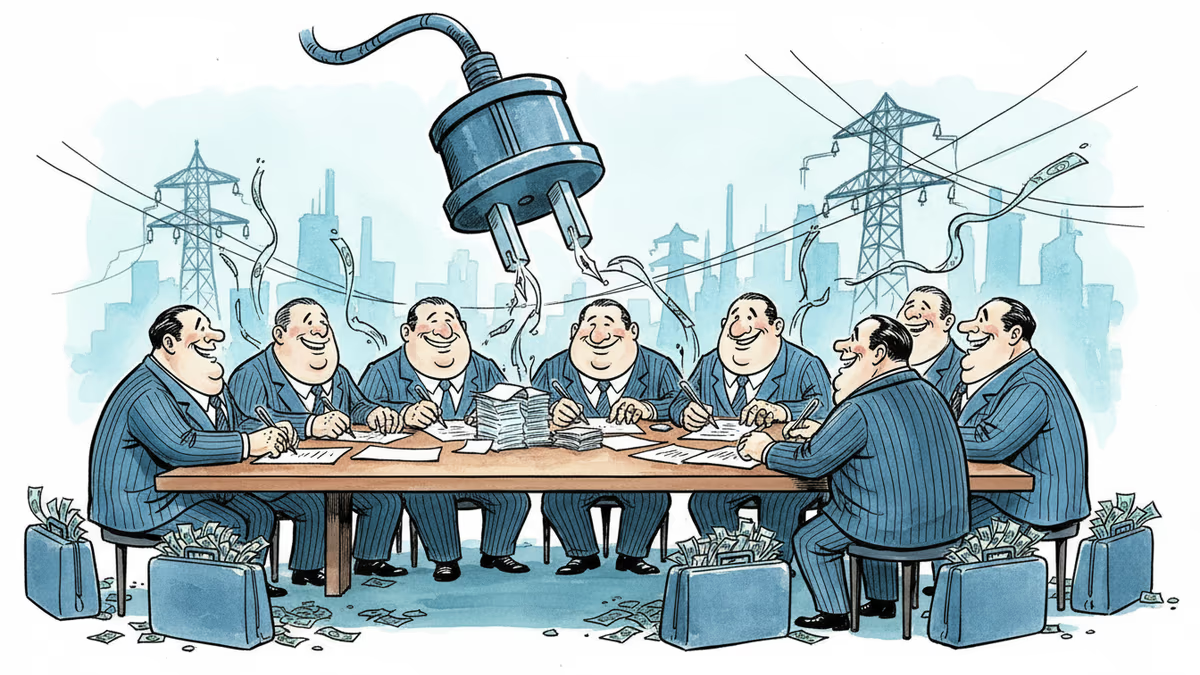
Trump secured pledges from Google, Meta, Microsoft, and other tech giants to cover electricity costs for AI data centers. But can they actually deliver on this promise?
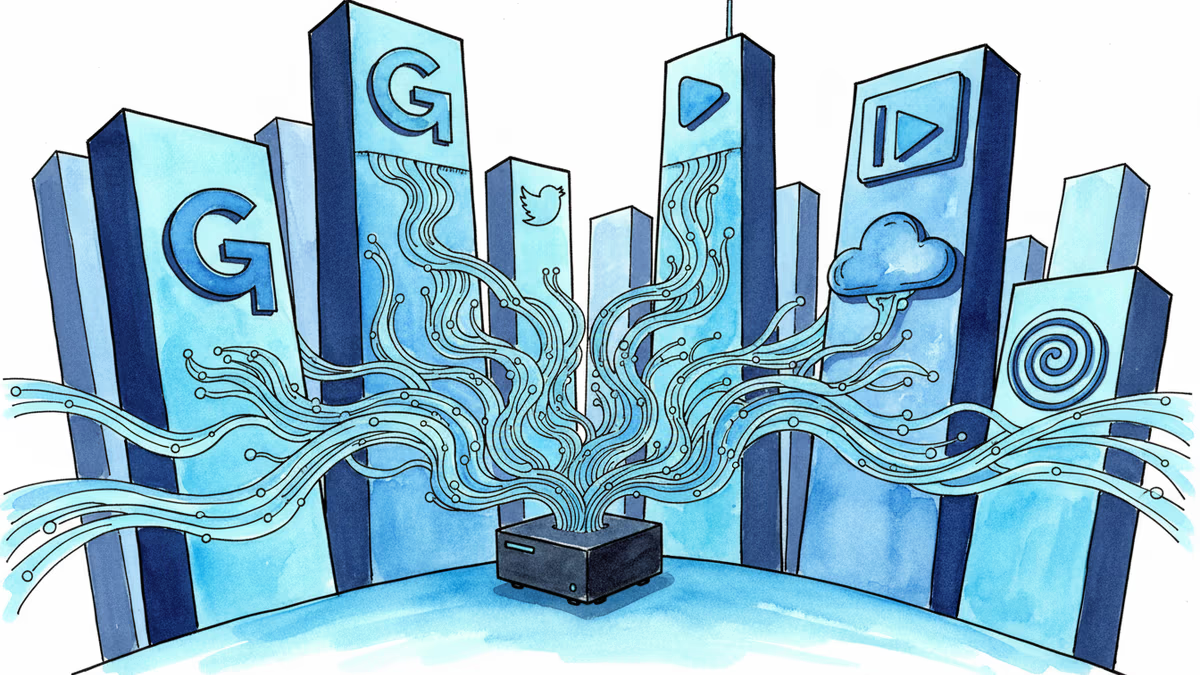
Current AI's open-source device challenges Big Tech's AI monopoly with offline capabilities and 22 Indian languages. Could this spark a new era of decentralized AI?
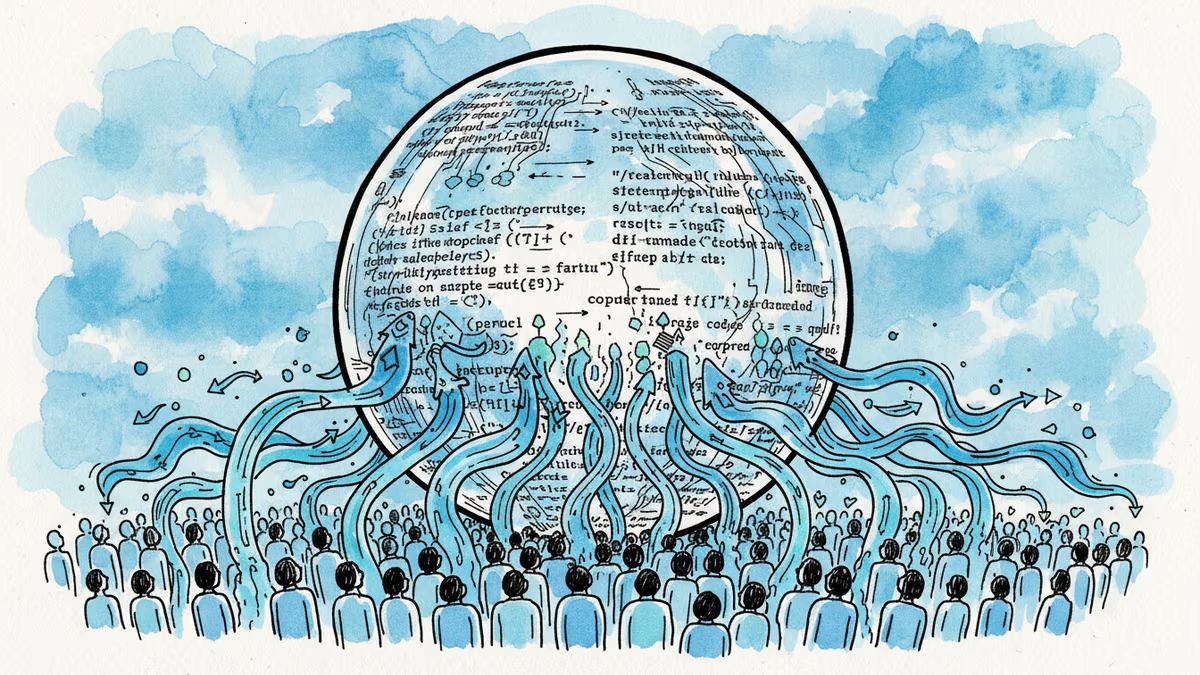
As AI predictions shape every aspect of our lives, three scholars reveal who really benefits from our algorithmic oracle and what we're losing in the process.
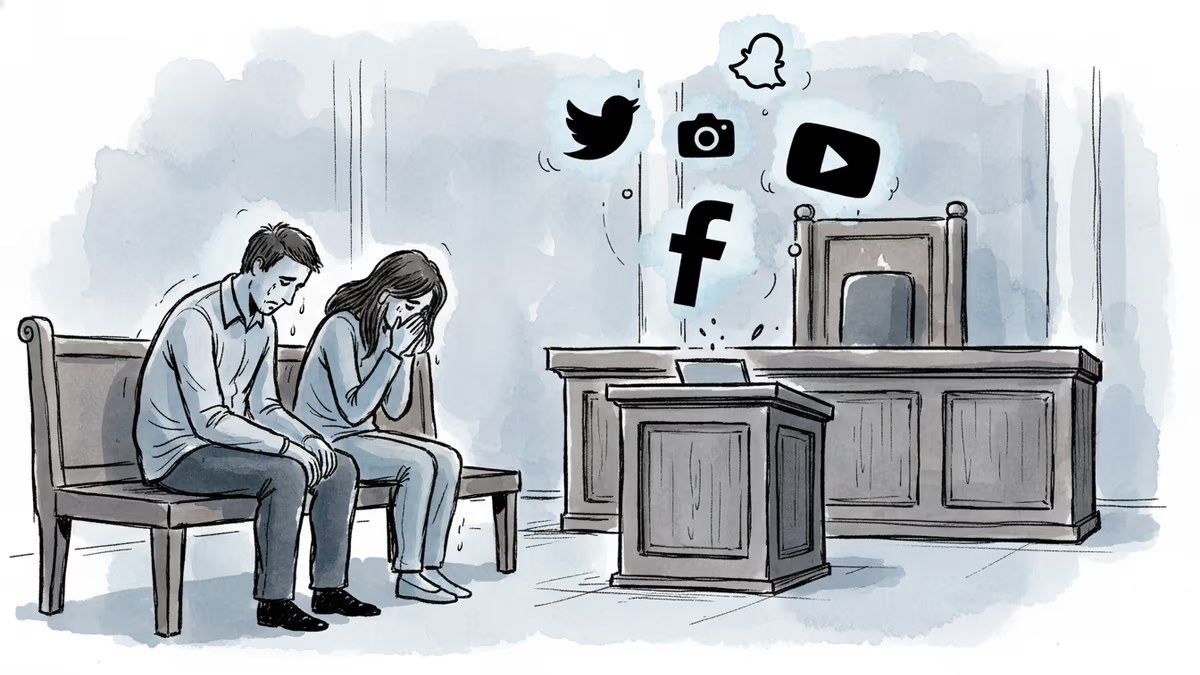
Parents who lost children gather in LA courtroom as Meta CEO Zuckerberg prepares to testify in landmark social media mental health lawsuit. A defining moment for tech accountability.
Trump secured pledges from Google, Meta, Microsoft, and other tech giants to cover electricity costs for AI data centers. But can they actually deliver on this promise?
Current AI's open-source device challenges Big Tech's AI monopoly with offline capabilities and 22 Indian languages. Could this spark a new era of decentralized AI?
As AI predictions shape every aspect of our lives, three scholars reveal who really benefits from our algorithmic oracle and what we're losing in the process.
Parents who lost children gather in LA courtroom as Meta CEO Zuckerberg prepares to testify in landmark social media mental health lawsuit. A defining moment for tech accountability.
Thoughts
Share your thoughts on this article
Sign in to join the conversation