

“Tech Is Too Complicated” – WeTransfer Co-founder Launches Boomerang
WeTransfer co-founder Nalden launches Boomerang, a minimalist file transfer tool. Read about his critique of Bending Spoons and the return to simple, no-login sharing.
"Why do tech companies always make things so complicated?" That's the question from Nalden, the co-founder of WeTransfer. After watching his original creation struggle under new ownership, he's returned to his roots. Nalden just launched Boomerang, a file transfer service that strips away the bloat and puts the user back in control.
Why WeTransfer Co-founder Nalden Launched Boomerang
Speaking to TechCrunch, Nalden didn't mince words about Bending Spoons, the company that acquired WeTransfer last year. He criticized their private equity strategy, which included laying off 75% of the staff and a controversial move to train AI models on user content. Feeling that the tool he built had been "killed" by confusing updates, Nalden decided to build a simpler alternative.

Simplicity Over Complexity: The Boomerang Model
Boomerang offers a three-tier structure designed for ease of use. Casual users can transfer up to 1GB without ever logging in. Free account holders get 3GB of space, while a paid tier costing €6.99 per month unlocks 500GB of total storage with a 5GB upload limit.
Authors
Related Articles
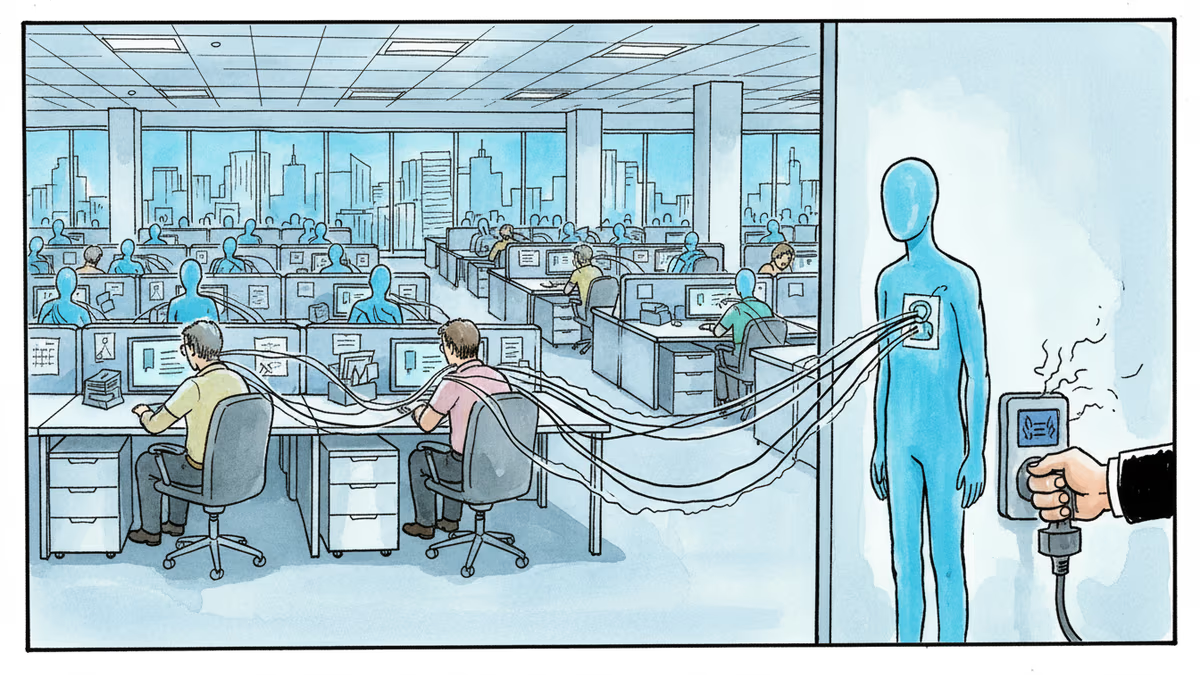
Okta CEO Todd McKinnon on why AI agents need identity management, the SaaSpocalypse threat, and why the kill switch might be the most important button in enterprise tech.
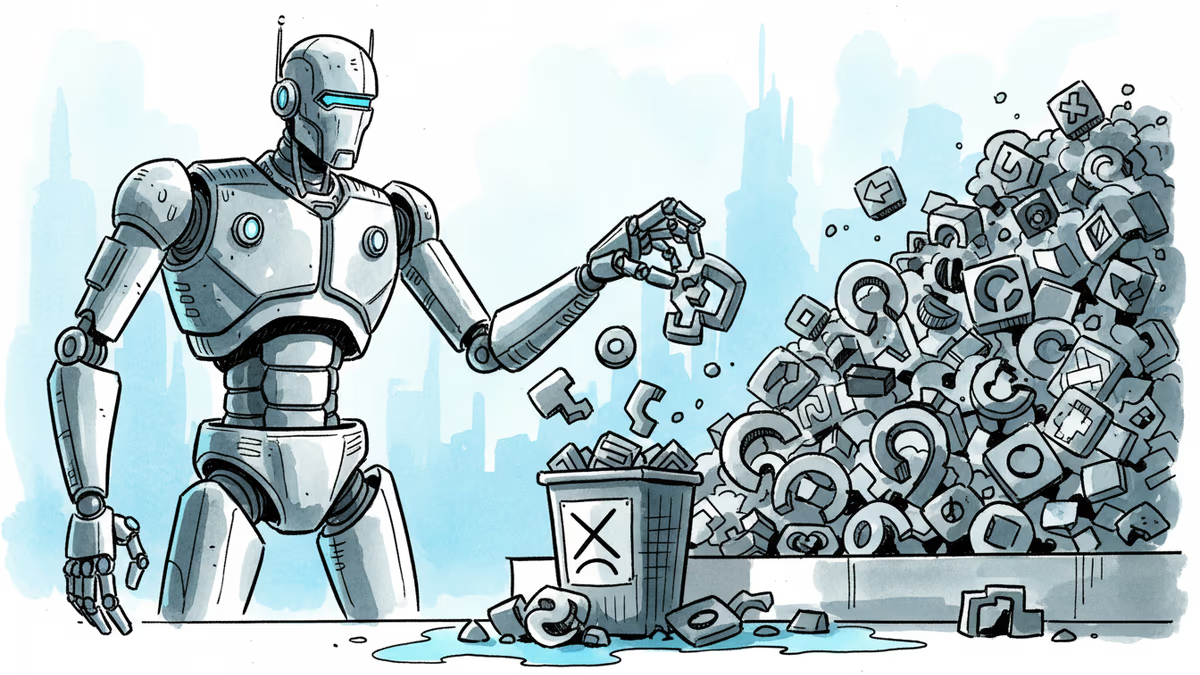
Why billions in AI funding isn't reaching certain SaaS startups. VCs reveal what they're avoiding and what they're seeking in the new AI landscape.
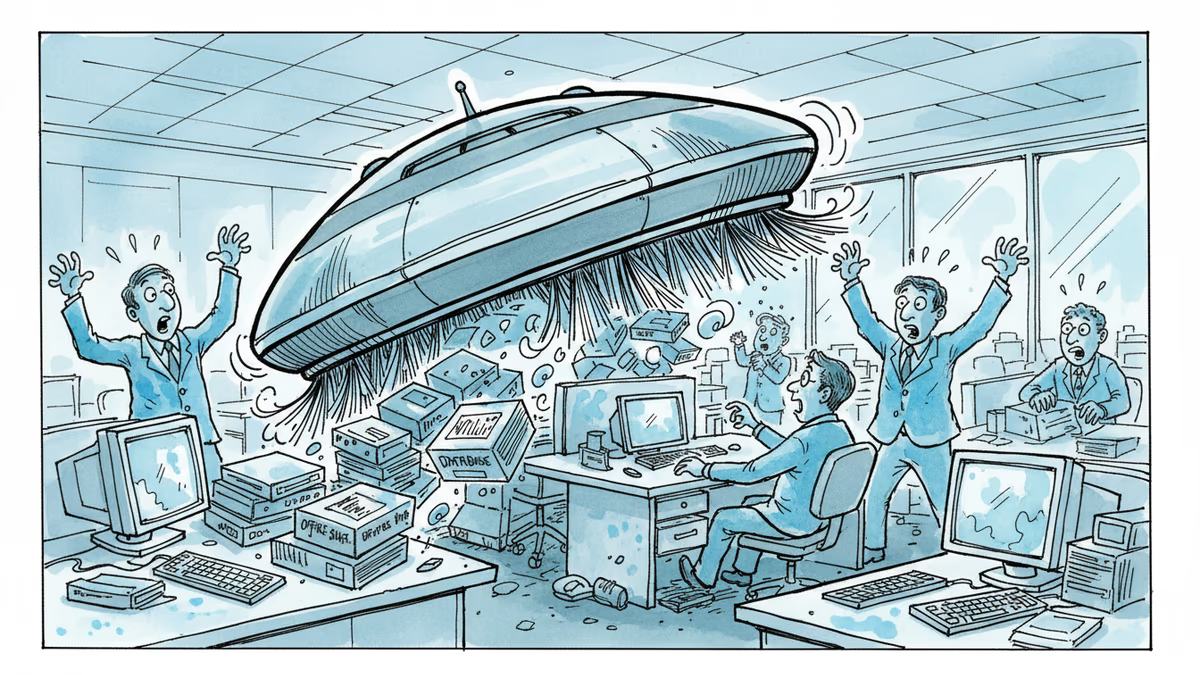
AI coding agents are threatening the $1 trillion SaaS industry. As companies choose to build rather than buy, the per-seat pricing model crumbles. Is this the end of software as we know it?
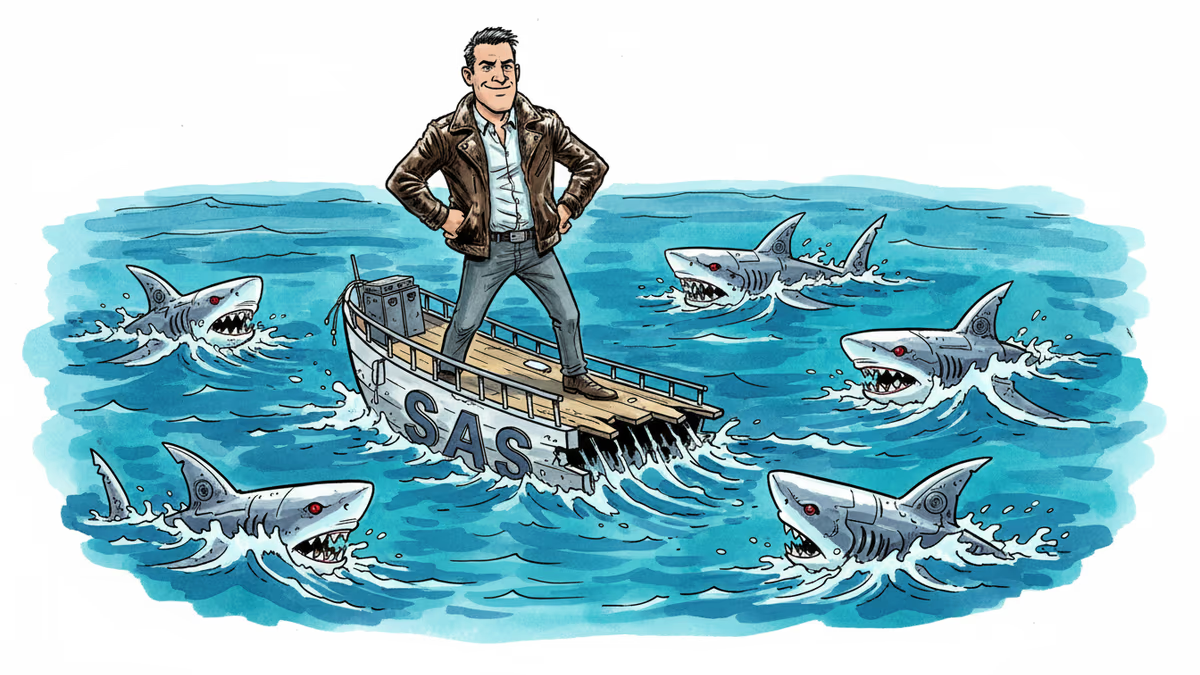
Salesforce deployed every weapon in its arsenal to convince investors that AI agents won't kill SaaS. But are they fighting the right battle?
Okta CEO Todd McKinnon on why AI agents need identity management, the SaaSpocalypse threat, and why the kill switch might be the most important button in enterprise tech.
Why billions in AI funding isn't reaching certain SaaS startups. VCs reveal what they're avoiding and what they're seeking in the new AI landscape.
AI coding agents are threatening the $1 trillion SaaS industry. As companies choose to build rather than buy, the per-seat pricing model crumbles. Is this the end of software as we know it?
Salesforce deployed every weapon in its arsenal to convince investors that AI agents won't kill SaaS. But are they fighting the right battle?
Thoughts
Share your thoughts on this article
Sign in to join the conversation