
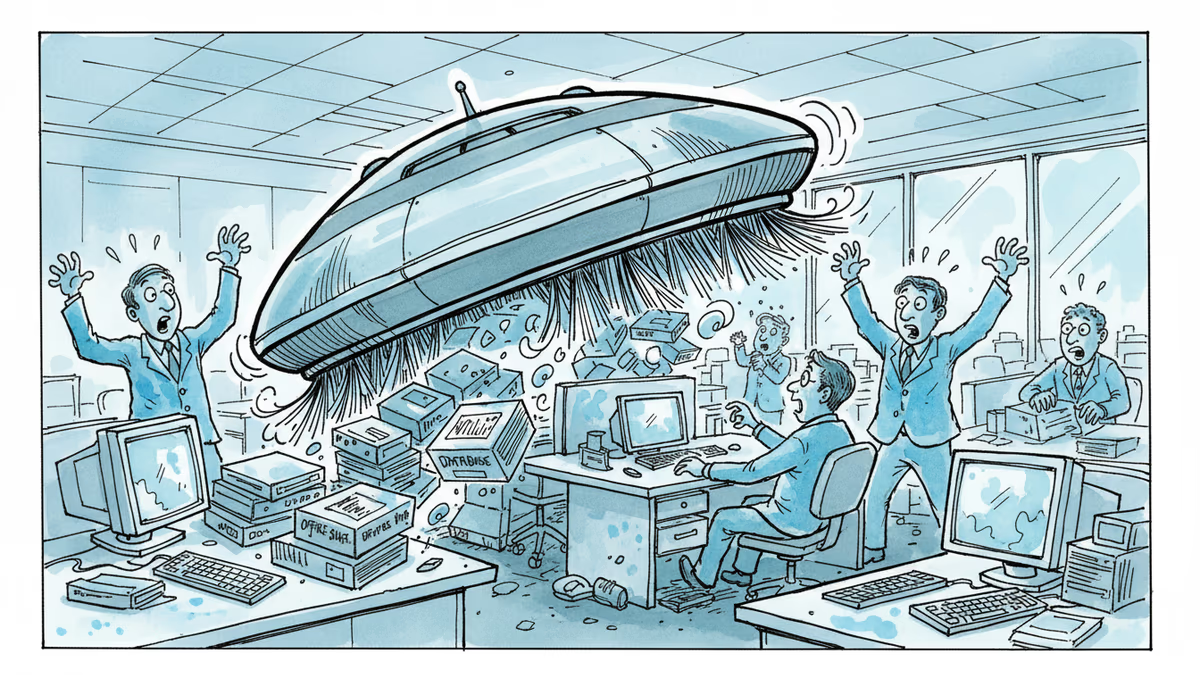
The SaaSpocalypse Is Here: When AI Agents Replace Enterprise Software
AI coding agents are threatening the $1 trillion SaaS industry. As companies choose to build rather than buy, the per-seat pricing model crumbles. Is this the end of software as we know it?
A $1 Trillion Market Shakeup in 48 Hours
A founder texted his investor with a casual update: he'd replaced his entire customer service team with Claude Code. To Lex Zhao at One Way Ventures, this wasn't just another automation story. It was the moment when giants like Salesforce stopped being the automatic default.
"The barriers to entry for creating software are so low now thanks to coding agents, that the build versus buy decision is shifting toward build in so many cases," Zhao told TechCrunch. In early February, software stocks shed nearly $1 trillion in market value. Experts are calling it the SaaSpocalypse.
But here's the thing: this might be exactly what the industry needed.
The 30-Year SaaS Empire Cracks
SaaS has been the golden child of business models. 70-90% gross margins. Predictable recurring revenue. Infinite scalability. But AI agents are breaking the fundamental assumption that made it all work: the per-seat pricing model.
When companies pay based on how many employees log in, what happens when one AI agent can do the work of ten people? When employees simply ask their AI to "pull that data from the system" instead of logging in themselves?
Klarna's decision to ditch Salesforce for its own AI system in late 2024 wasn't an isolated incident. It was a preview of what's coming. The ultimate contract negotiation tool is now in every customer's pocket: "If we don't like your prices, we'll build our own."
Three Perspectives on the Collapse

The Investor Panic: "This may be the first time in history that the terminal value of software is being fundamentally questioned," says Abdul Abdirahman from F-Prime. Every time Anthropic launches a new tool, related SaaS stocks tremble. Cybersecurity tools? Security stocks drop. Legal AI? Legal software ETFs fall.
The Enterprise Opportunity: Companies now have unprecedented leverage. The cost of building custom software has plummeted thanks to coding agents. Why pay Salesforce$150 per seat when you can build exactly what you need for a fraction of the cost?
The Startup Gold Rush: AI-native companies are redefining what it means to be a software company. Sierra, founded by former Salesforce CEO Bret Taylor, hit $100 million in annual recurring revenue in less than two years using "outcome-based pricing" – charging based on results, not seats.
The New Models Emerging
The replacement isn't just about technology – it's about entirely new business models. Some AI companies are experimenting with consumption-based pricing (pay per token used). Others are betting on outcome-based fees (pay only when the AI delivers results).
But here's the catch: nobody knows if these new models will actually work long-term. The market lacks enough time and evidence to prove that whatever emerges from SaaS's ashes will be sustainable.
Why This Isn't the End
Aaron Holiday from 645 Ventures puts it best: "This isn't the death of SaaS. It's an old snake shedding its skin."
Enterprises will always need software that handles compliance, supports audits, manages workflows, and offers durability. The difference is that slapping AI features on top of existing SaaS products won't be enough. The winners will be those who rebuild from the ground up with AI at their core.
Meanwhile, the IPO market has frozen for SaaS companies. Private late-stage companies like Canva and Rippling are staying private longer, waiting for the dust to settle. The first AI-native IPOs – potentially OpenAI or Anthropic later this year – will set the template for what comes next.
Authors
Related Articles
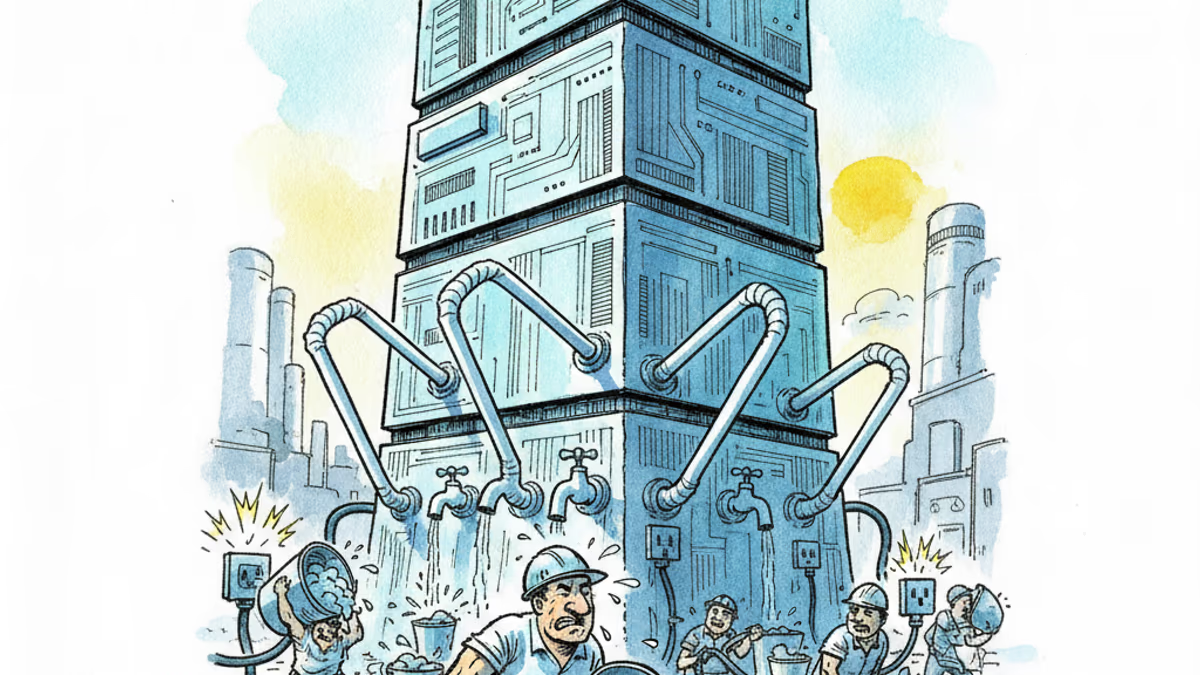
Samsung and SK unveiled a chip and AI investment package worth thousands of trillions of won on June 29. The headline number swings wildly by outlet, but the real contest isn't capital — it's water and power.
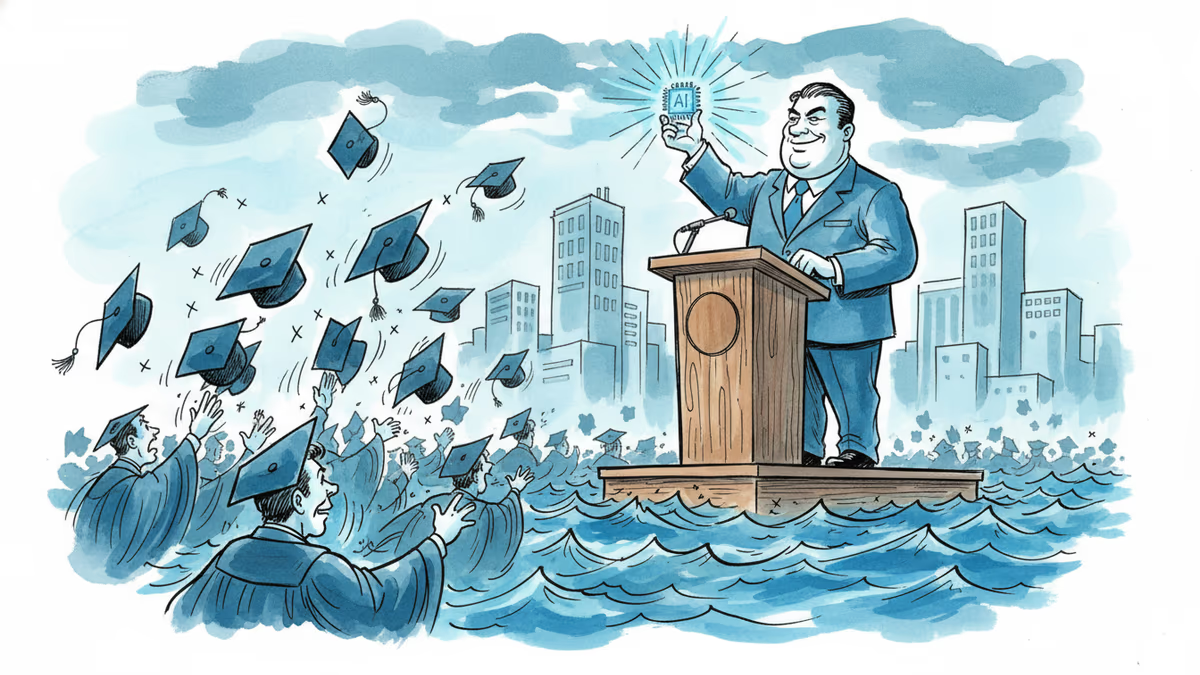
Viral videos show 2026 graduates jeering executives who praise AI at commencement ceremonies. It's not just rudeness — it's a signal about who pays for technological optimism.
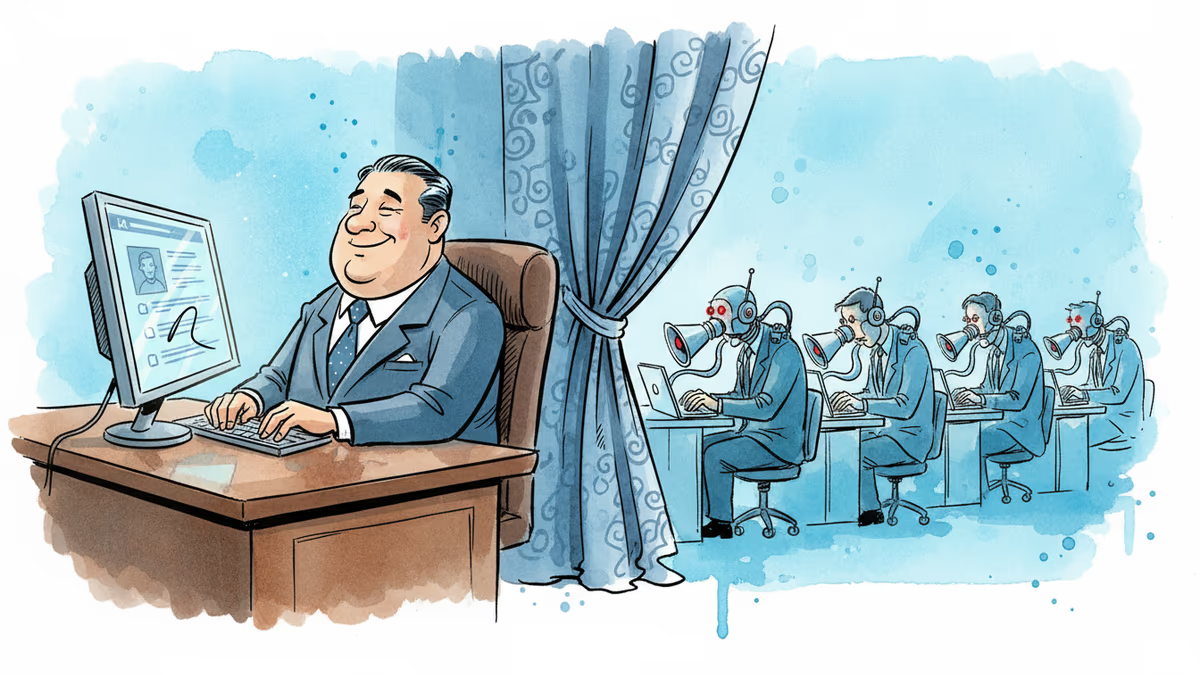
Filipino virtual assistants using AI to ghost-manage LinkedIn profiles for executives is now a structured industry. 30 comments a day, fake engagement rings, and a platform struggling to tell real from fabricated.
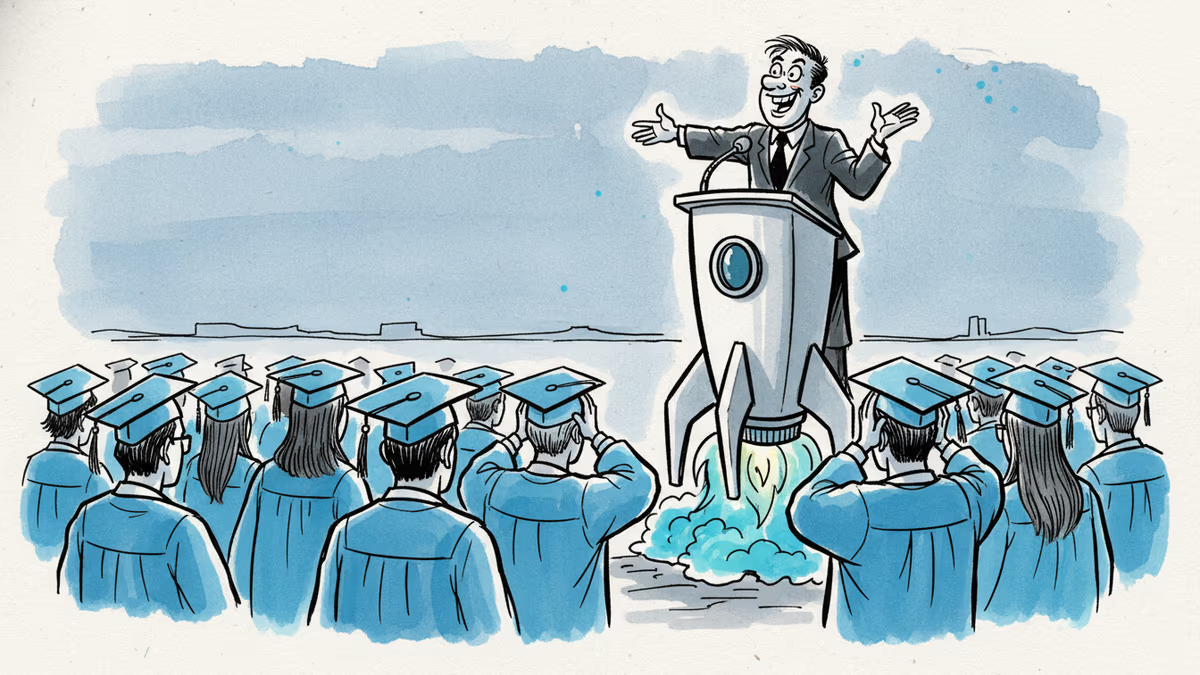
Two commencement speakers learned the hard way that AI enthusiasm doesn't land well with today's graduates. The backlash reveals a widening gap between tech optimism and Gen Z's economic reality.
Samsung and SK unveiled a chip and AI investment package worth thousands of trillions of won on June 29. The headline number swings wildly by outlet, but the real contest isn't capital — it's water and power.
Viral videos show 2026 graduates jeering executives who praise AI at commencement ceremonies. It's not just rudeness — it's a signal about who pays for technological optimism.
Filipino virtual assistants using AI to ghost-manage LinkedIn profiles for executives is now a structured industry. 30 comments a day, fake engagement rings, and a platform struggling to tell real from fabricated.
Two commencement speakers learned the hard way that AI enthusiasm doesn't land well with today's graduates. The backlash reveals a widening gap between tech optimism and Gen Z's economic reality.
Thoughts
Share your thoughts on this article
Sign in to join the conversation