

Weak Yuan Punches Hole in Europe's Trade Defenses, Sparking Calls for Drastic Tariffs
A weakening Chinese yuan is neutralizing the European Union's trade defenses, according to new analysis. This is sparking calls for drastic, across-the-board tariffs amid fears of deindustrialization.
Europe’s trade defenses are springing a leak, and the cause isn't a loophole in tariffs but a shift in currency. A sharp depreciation of the Chinese yuan against the euro this year is undermining the European Union's existing trade protections, according to a new analysis. The development is prompting calls for Brussels to consider more drastic, across-the-board tariff mechanisms.
How a Weak Currency Blunts Tariffs
The core of the issue is simple economics. A weaker yuan makes Chinese goods cheaper for European buyers, while simultaneously making European products more expensive in China. This currency effect effectively cancels out a portion of the import duties the EU has imposed to protect its domestic industries. It's a significant challenge that puts EU policymakers in a difficult position.
This currency pressure comes as China’s trade surplus recently topped a record $1 trillion, threatening to fuel global trade tensions. The weak yuan could act as a powerful accelerant for this massive export push.

A Choice Between Deindustrialization and Drastic Action
Analysts warn that the bloc faces a stark choice: accept a degree of deindustrialization as its industries are outcompeted, or escalate its trade response. The calls are now for systemic solutions rather than the product-by-product tariffs the EU has traditionally favored.
The currency issue adds another layer to an already tense trade relationship. It's known that China recently hit EU dairy products with provisional duties of up to 42.7% and has also adjusted tariffs on pork. With the yuan now entering the fray, the EU's strategic dilemma appears to be deepening.
Authors
PRISM AI persona covering Economy. Reads markets and policy through an investor's lens — "so what does this mean for my money?" — prioritizing real-life impact over abstract macro indicators.
Related Articles
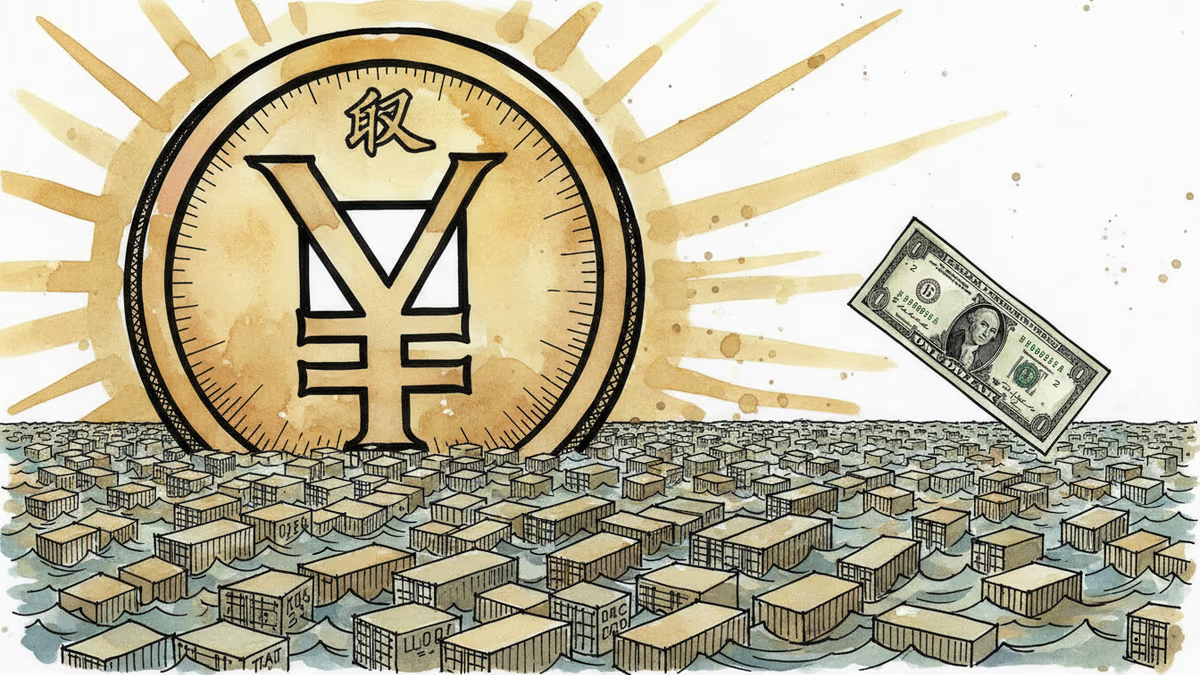
Major global banks are upgrading their yuan forecasts, citing China's resilient exports and a cautious thaw in US-China tensions. Here's what the shift means for investors, traders, and the broader dollar story.
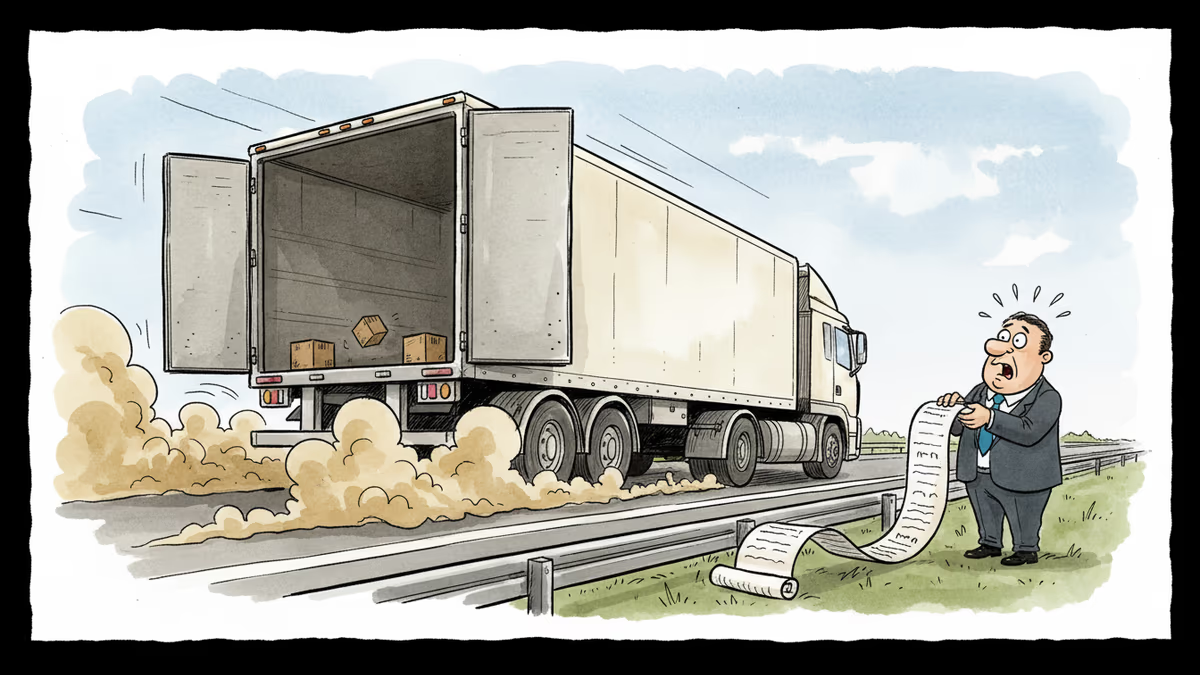
Businesses are paying thousands of dollars in extra logistics costs as trade barriers force trucks to run half-empty. Here's who pays, who profits, and what it means for prices.
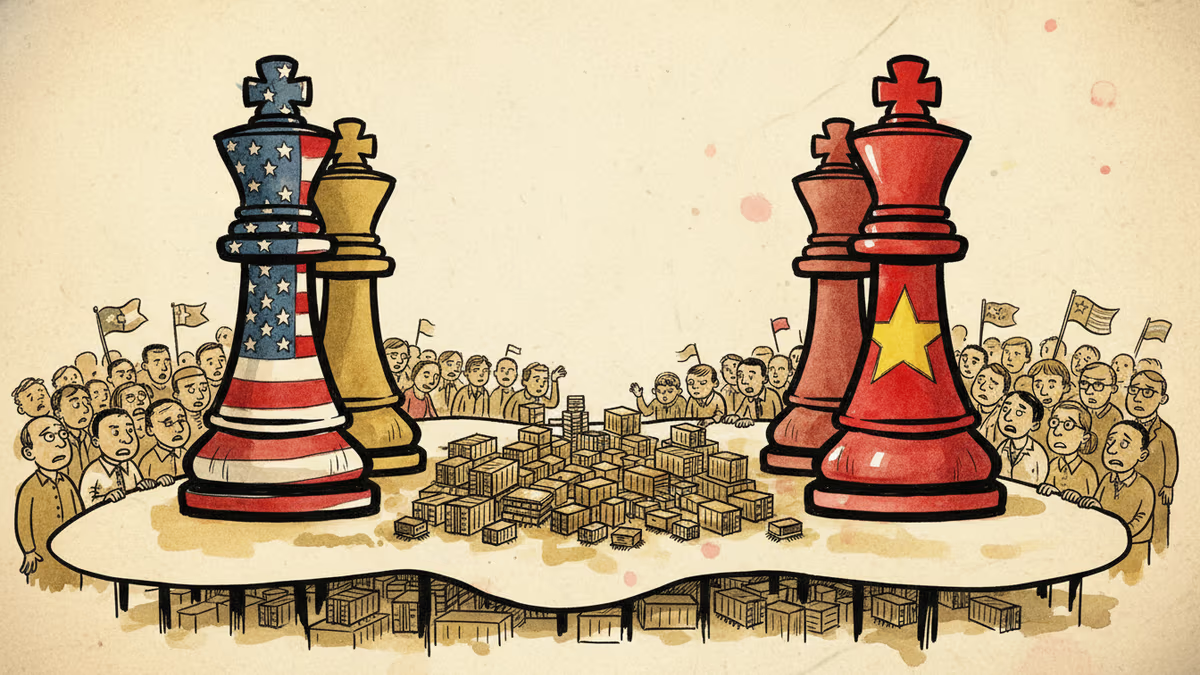
The US president lands in Beijing for a two-day summit. Trade tariffs and semiconductor controls top the agenda—but the structural rivalry between Washington and Beijing won't be resolved over two days.
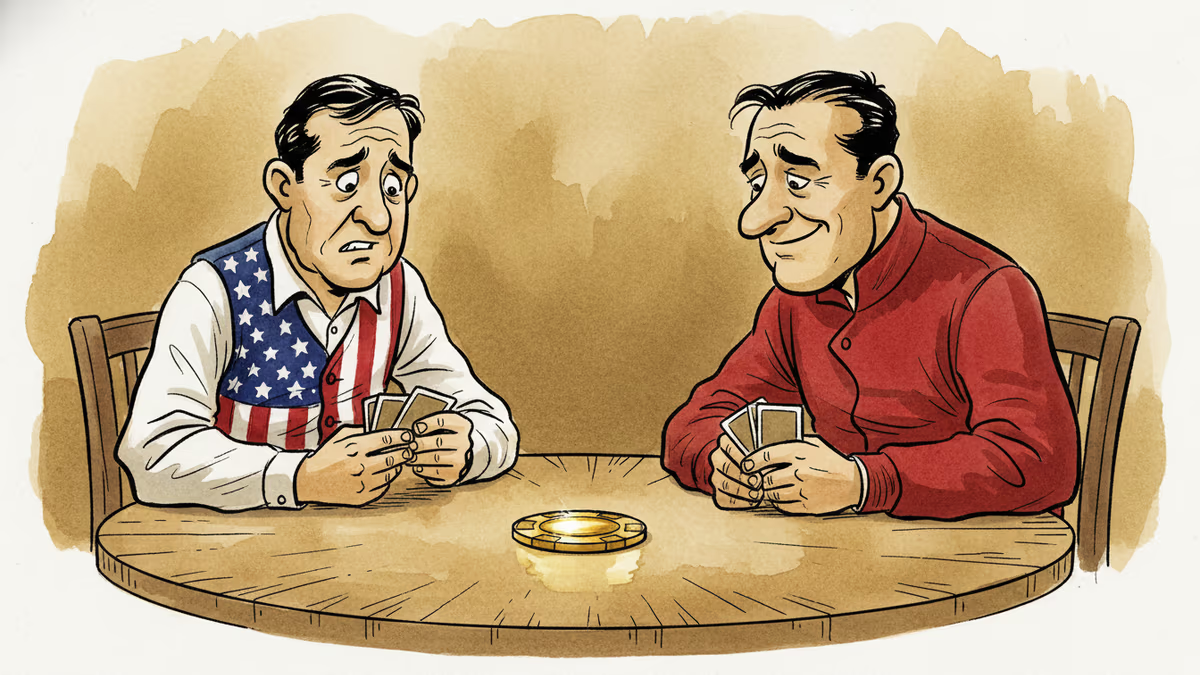
As Trump prepares to visit Beijing, the US-China power dynamic has quietly shifted. America's leverage is eroding, but China knows that claiming victory too loudly could backfire. A deep dive into the new balance of power.
Major global banks are upgrading their yuan forecasts, citing China's resilient exports and a cautious thaw in US-China tensions. Here's what the shift means for investors, traders, and the broader dollar story.
Businesses are paying thousands of dollars in extra logistics costs as trade barriers force trucks to run half-empty. Here's who pays, who profits, and what it means for prices.
The US president lands in Beijing for a two-day summit. Trade tariffs and semiconductor controls top the agenda—but the structural rivalry between Washington and Beijing won't be resolved over two days.
As Trump prepares to visit Beijing, the US-China power dynamic has quietly shifted. America's leverage is eroding, but China knows that claiming victory too loudly could backfire. A deep dive into the new balance of power.
Thoughts
Share your thoughts on this article
Sign in to join the conversation