
Verizon's 60-Day Unlocking Rule Ends: The Impact of Verizon FCC phone unlocking waiver 2026
The FCC has granted Verizon a waiver from its 60-day phone unlocking mandate. Learn how the Verizon FCC phone unlocking waiver 2026 affects your ability to switch carriers.
Leaving your carrier just got a whole lot harder. The Federal Communications Commission (FCC) has granted Verizon a waiver that scraps the long-standing requirement to automatically unlock phones just 60 days after activation. This decision marks a significant shift in U.S. telecom policy, effectively handing more power back to the carriers.
Understanding the Verizon FCC phone unlocking waiver 2026
According to official reports, the FCC approved Verizon's petition to bypass the strict 60-day rule. For years, Verizon was unique among carriers because it was legally bound to unlock handsets quickly. Now, the company will follow the CTIA trade group's voluntary policy. It's a move that critics argue will discourage competition by making it difficult for users to switch to cheaper networks.

New Rules for Prepaid and Postpaid Customers
The change hits different user groups in distinct ways. Prepaid customers might have to wait up to one year before they can take their device to another provider. Postpaid users are tied down until their financing plans are fully settled. The FCC stated that this waiver stays in place until they decide on a broader, industry-wide approach to handset unlocking.
| Device Type | Previous Policy | New Waiver Policy |
|---|---|---|
| Unlocking Method | Automatic after 60 days | Manual request required |
| Prepaid Wait Time | 60 days | Up to 1 year |
| Postpaid Condition | 60 days | Full payment/Contract end |
Authors
Related Articles
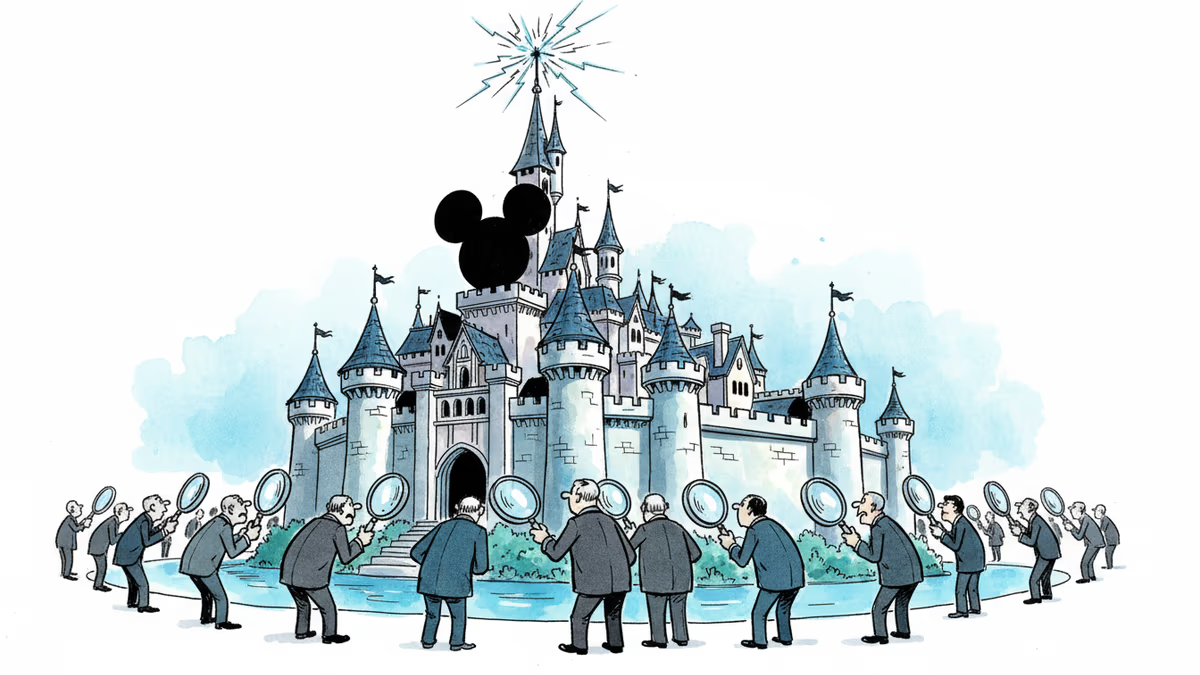
Josh D'Amaro took over Disney with a bold Disney Plus vision. Days later, he's in a First Amendment fight with the Trump administration over The View. What does this mean for media freedom?
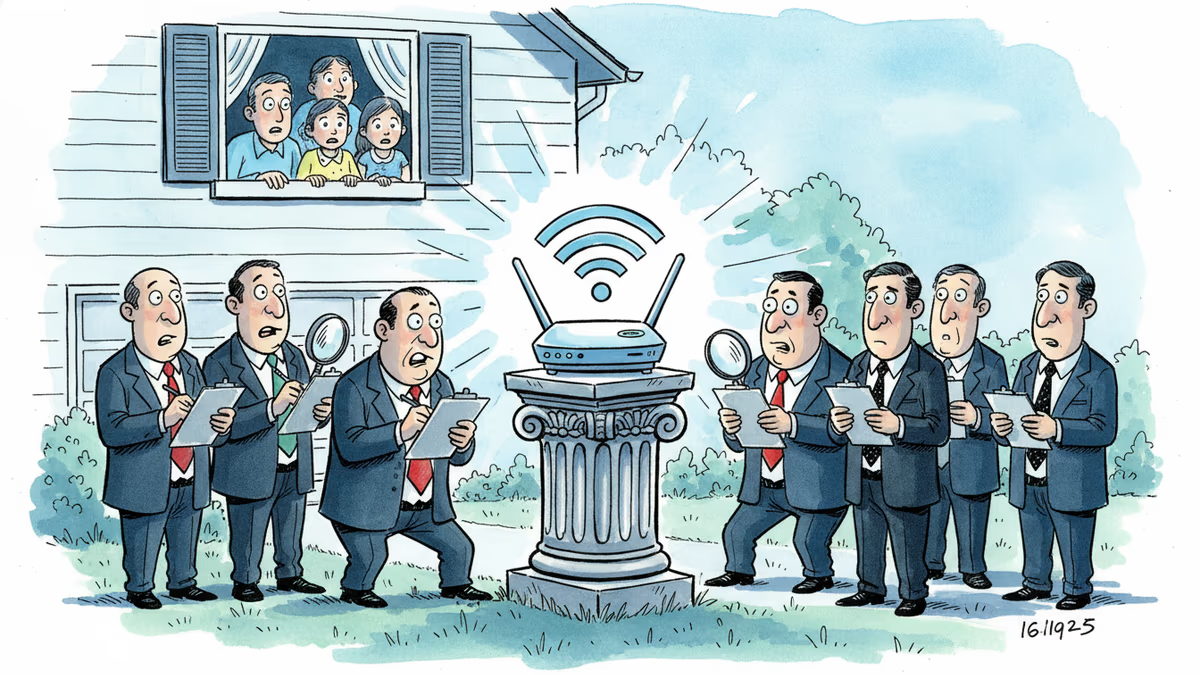
The FCC has banned new foreign-made consumer routers, citing cyberattacks linked to China. Every major brand is affected. Here's what it means for your home, your wallet, and the future of internet hardware.
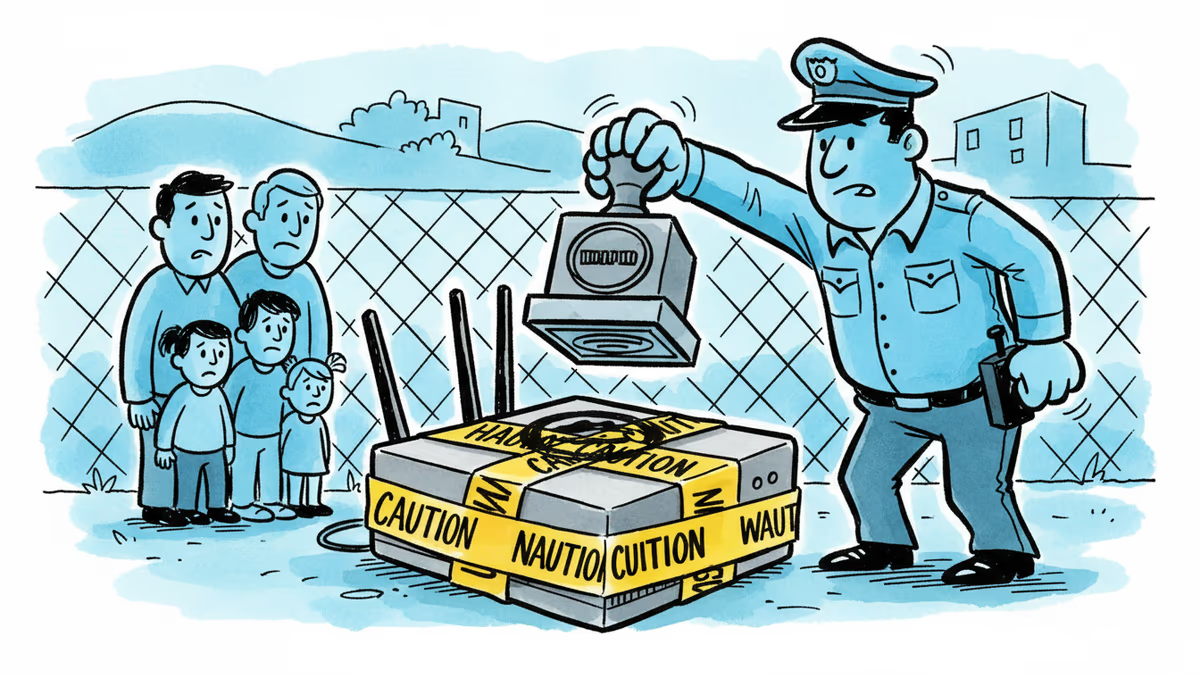
The FCC has banned new imports of foreign-made consumer networking gear, citing national security. After drones, routers are next. What this means for prices, competition, and the future of connected homes.
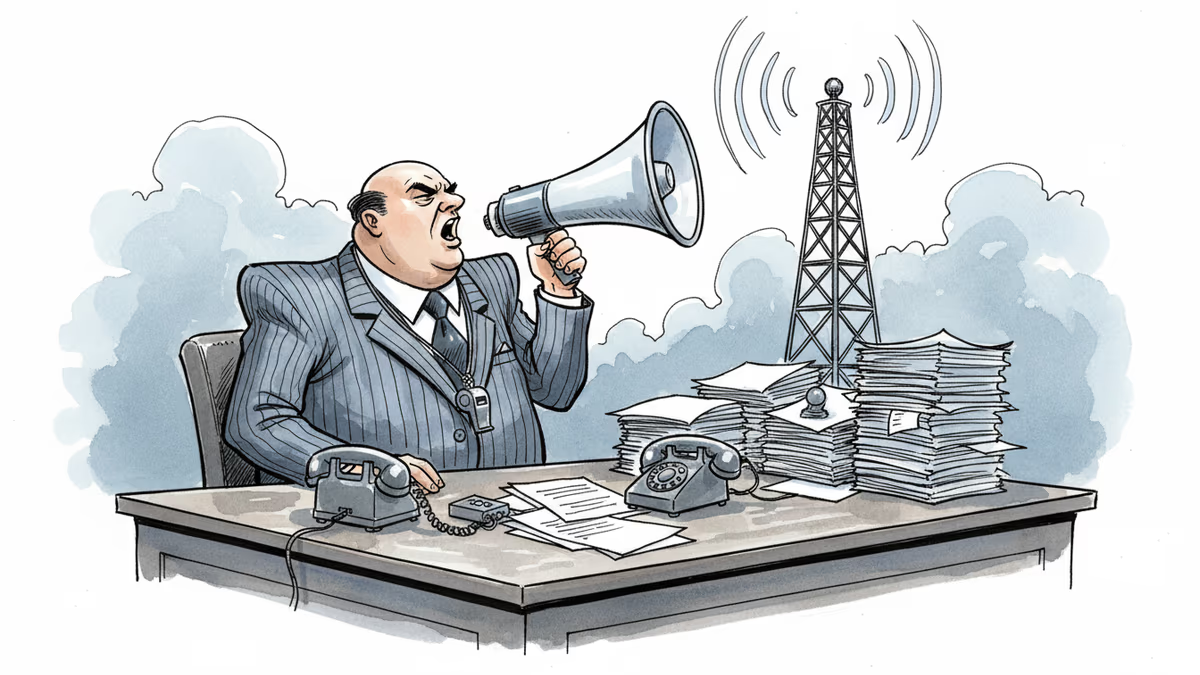
An FCC enforcement chief privately offered to help Chairman Brendan Carr's pressure campaign against ABC—while holding direct authority over the very stations being targeted. What this reveals about regulatory independence.
Josh D'Amaro took over Disney with a bold Disney Plus vision. Days later, he's in a First Amendment fight with the Trump administration over The View. What does this mean for media freedom?
The FCC has banned new foreign-made consumer routers, citing cyberattacks linked to China. Every major brand is affected. Here's what it means for your home, your wallet, and the future of internet hardware.
The FCC has banned new imports of foreign-made consumer networking gear, citing national security. After drones, routers are next. What this means for prices, competition, and the future of connected homes.
An FCC enforcement chief privately offered to help Chairman Brendan Carr's pressure campaign against ABC—while holding direct authority over the very stations being targeted. What this reveals about regulatory independence.
Thoughts
Share your thoughts on this article
Sign in to join the conversation