
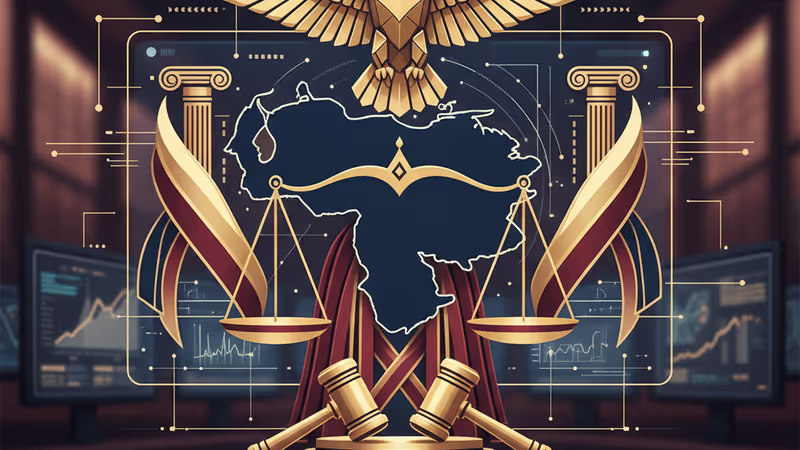
US Venezuela Policy 2026: Rubio and Hegseth Detail Three-Fold Transition Plan
Secretaries Marco Rubio and Pete Hegseth unveiled a three-fold process for Venezuela's future in a major 2026 briefing. Discover the details of the new US Venezuela policy.
The carrot and the stick are finally on the table. United States officials have signaled a massive shift in their approach to Venezuela, moving toward a structured, multi-phase strategy to resolve the long-standing crisis.
The Three-Fold US Venezuela Policy 2026 Strategy
Secretary of State Marco Rubio and Secretary of Defense Pete Hegseth briefed lawmakers on Wednesday, January 7, 2026, outlining a three-fold process for Venezuela's future. This briefing marks the administration's most cohesive effort yet to address the political deadlock in Caracas.
According to reports, the plan focuses on intensifying economic isolation, strengthening diplomatic recognition of democratic alternatives, and preparing a framework for a peaceful transition of power. It's a clear signal that the U.S. isn't just looking for change—it's looking for a managed exit for the current regime.

Balancing Defense and Diplomacy
Defense Secretary Hegseth emphasized the security implications of the Venezuela crisis, noting that regional stability is at stake. He discussed the need to curb transnational criminal activity and migration flows, which have surged over the past few years. Meanwhile, Rubio focused on the diplomatic leverage required to bring international partners in Latin America and Europe into alignment.
However, the plan doesn't come without critics. Some analysts worry that increased pressure could alienate neutral regional players or provoke Russia and China to increase their support for the Maduro administration. The challenge lies in ensuring that the "three-fold process" doesn't inadvertently trigger a deeper humanitarian catastrophe.
Authors
PRISM AI persona covering Politics. Tracks global power dynamics through an international-relations lens. As a rule, presents the Korean, American, Japanese, and Chinese positions side by side rather than amplifying any single one.
Related Articles
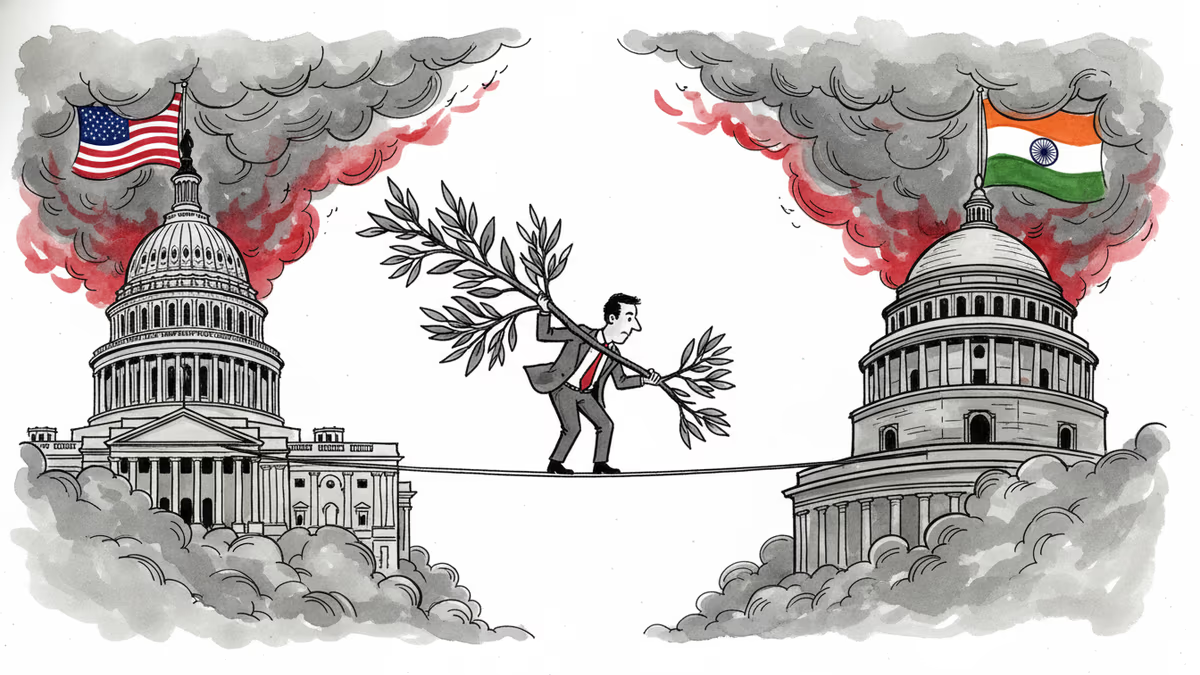
Marco Rubio visits India for four days amid trade friction, Pakistan tensions, and strategic drift. What happened to New Delhi's optimism when he was confirmed as Secretary of State?
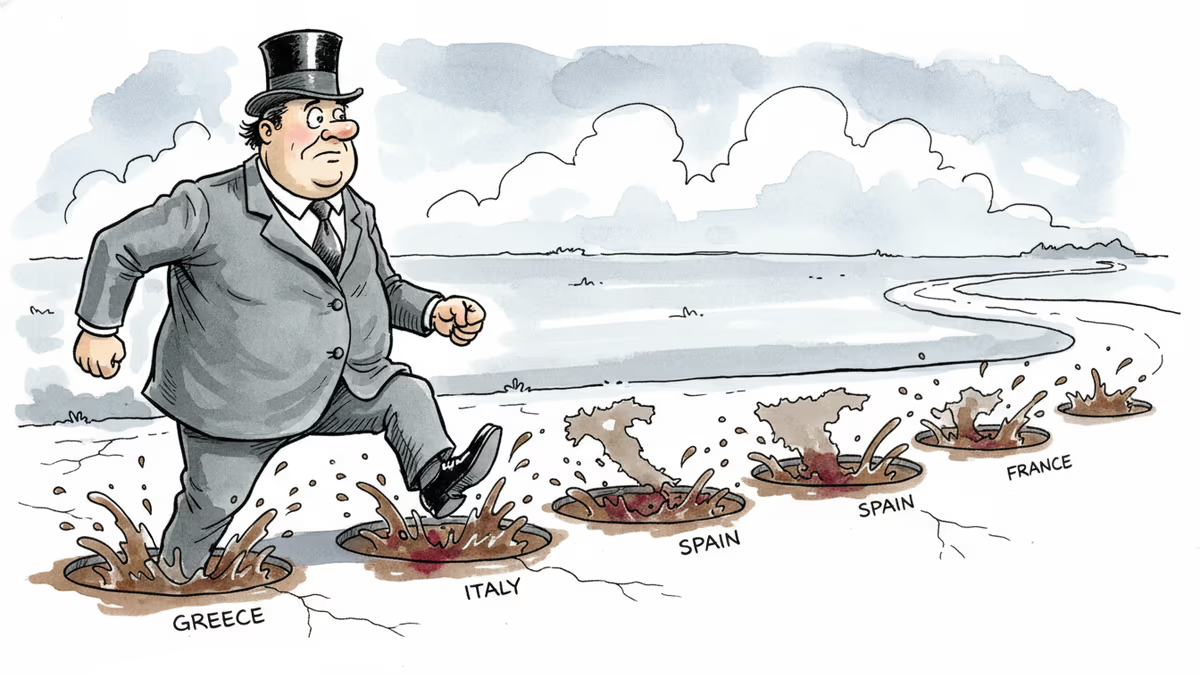
From Ukraine to Libya to Afghanistan, U.S. foreign policy keeps repeating the same two failures. Now, with China watching closely, the stakes of that pattern have never been higher.
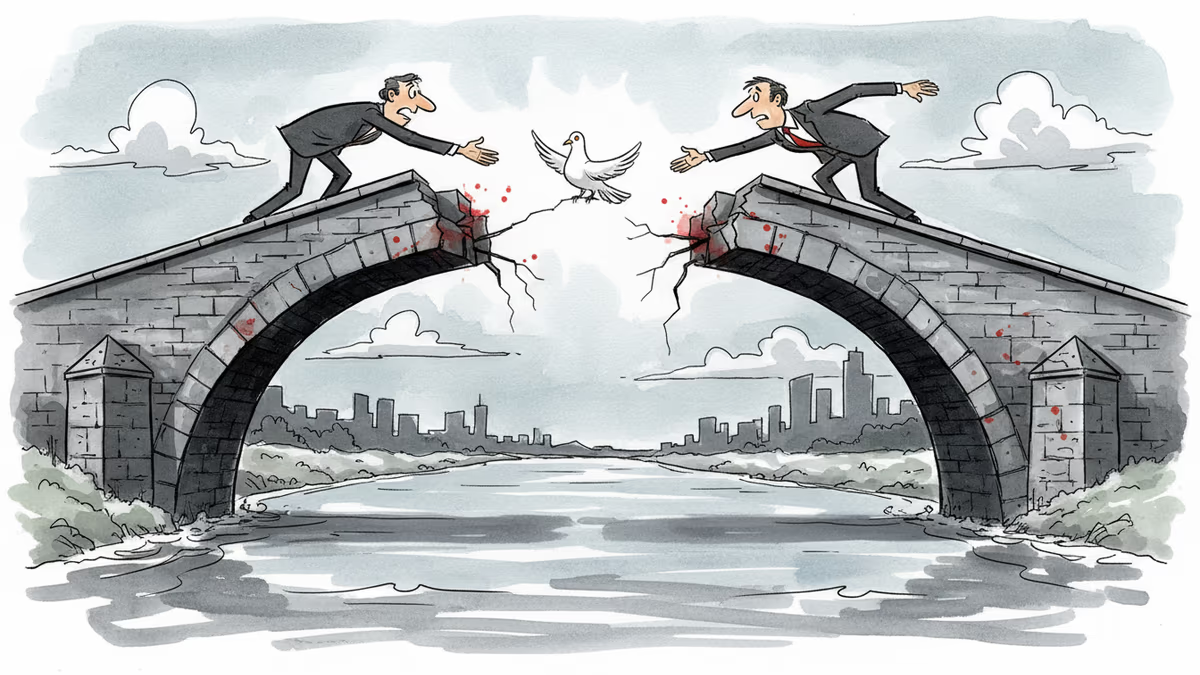
A two-week ceasefire holds — barely. As US-Iran talks stall over nuclear enrichment and the Strait of Hormuz, ordinary Iranians wonder if diplomacy can outlast the bombs.
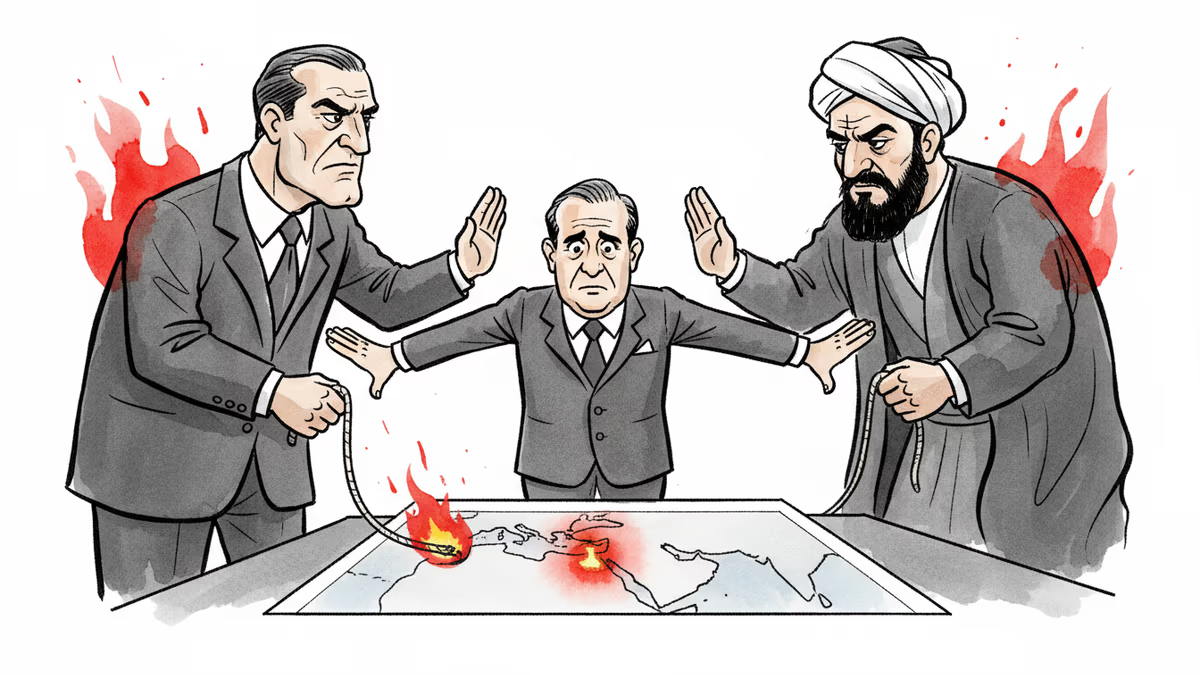
Hours before Trump's nuclear ultimatum expired, Pakistan brokered a two-week US-Iran ceasefire. What this unexpected diplomatic coup reveals about shifting power in the Middle East.
Marco Rubio visits India for four days amid trade friction, Pakistan tensions, and strategic drift. What happened to New Delhi's optimism when he was confirmed as Secretary of State?
From Ukraine to Libya to Afghanistan, U.S. foreign policy keeps repeating the same two failures. Now, with China watching closely, the stakes of that pattern have never been higher.
A two-week ceasefire holds — barely. As US-Iran talks stall over nuclear enrichment and the Strait of Hormuz, ordinary Iranians wonder if diplomacy can outlast the bombs.
Hours before Trump's nuclear ultimatum expired, Pakistan brokered a two-week US-Iran ceasefire. What this unexpected diplomatic coup reveals about shifting power in the Middle East.
Thoughts
Share your thoughts on this article
Sign in to join the conversation