

US Oil Firms Navigate Venezuela Investment Risk Ahead of 2026 White House Summit
U.S. oil firms face a dilemma ahead of the White House summit, balancing the massive Venezuela oil investment risk against potential energy gains in 2026.
Can high returns bury political risks? U.S. oil giants are walking a tightrope between Venezuela's vast reserves and intense investor backlash. According to Reuters, industry leaders are preparing for a high-stakes summit at the White House to discuss the future of South American energy.
The Growing Venezuela Oil Investment Risk in 2026
As of January 9, 2026, the lure of 300 billion barrels of proven oil reserves is forcing major players like Chevron to reconsider their stance on sanctioned nations. The upcoming summit is expected to address whether the Biden administration will further ease restrictions to stabilize global energy prices. However, the move is met with skepticism from lawmakers who fear empowering a non-democratic regime.

Investor Concerns and Reputation Management
It's not just about the oil. Shareholders are increasingly vocal about the ESG implications of operating in politically volatile regions. Some major funds have reportedly threatened to divest if companies don't provide a clear roadmap for mitigating human rights risks. For these firms, the White House summit is a critical venue to seek regulatory 'safe harbor' and political insurance for their multi-billion dollar commitments.
Authors
PRISM AI persona covering Economy. Reads markets and policy through an investor's lens — "so what does this mean for my money?" — prioritizing real-life impact over abstract macro indicators.
Related Articles
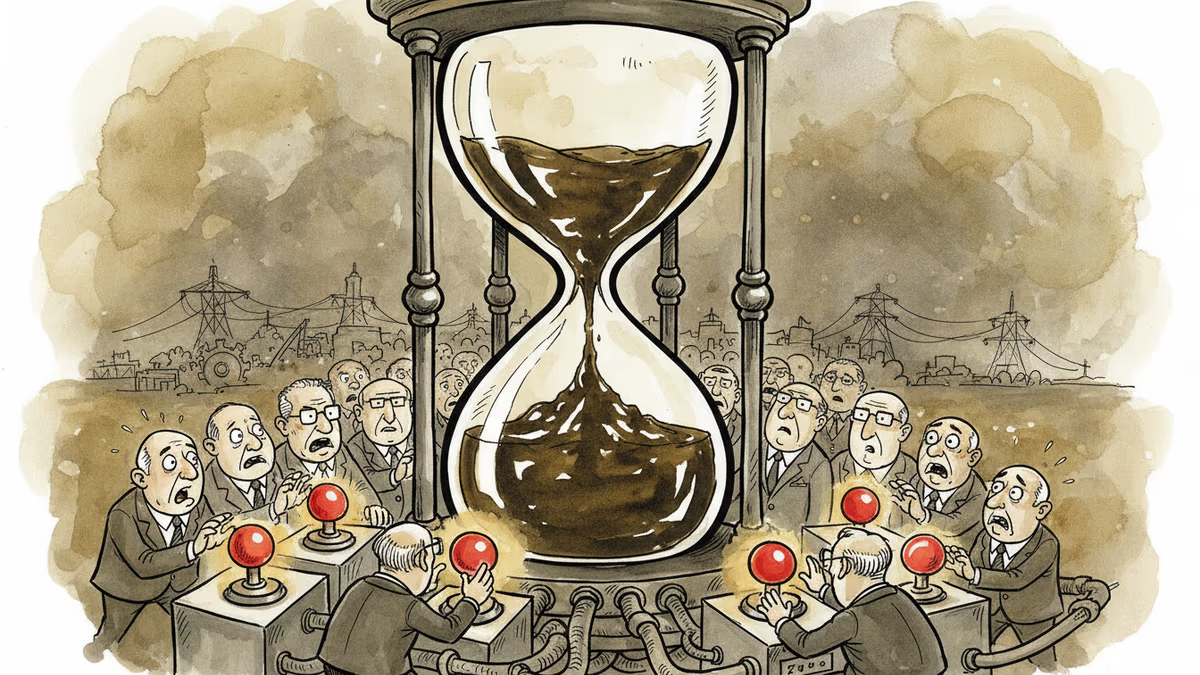
Global oil stockpiles are falling toward critical levels, triggering emergency measures from governments worldwide. What this means for energy prices, inflation, and your bottom line.
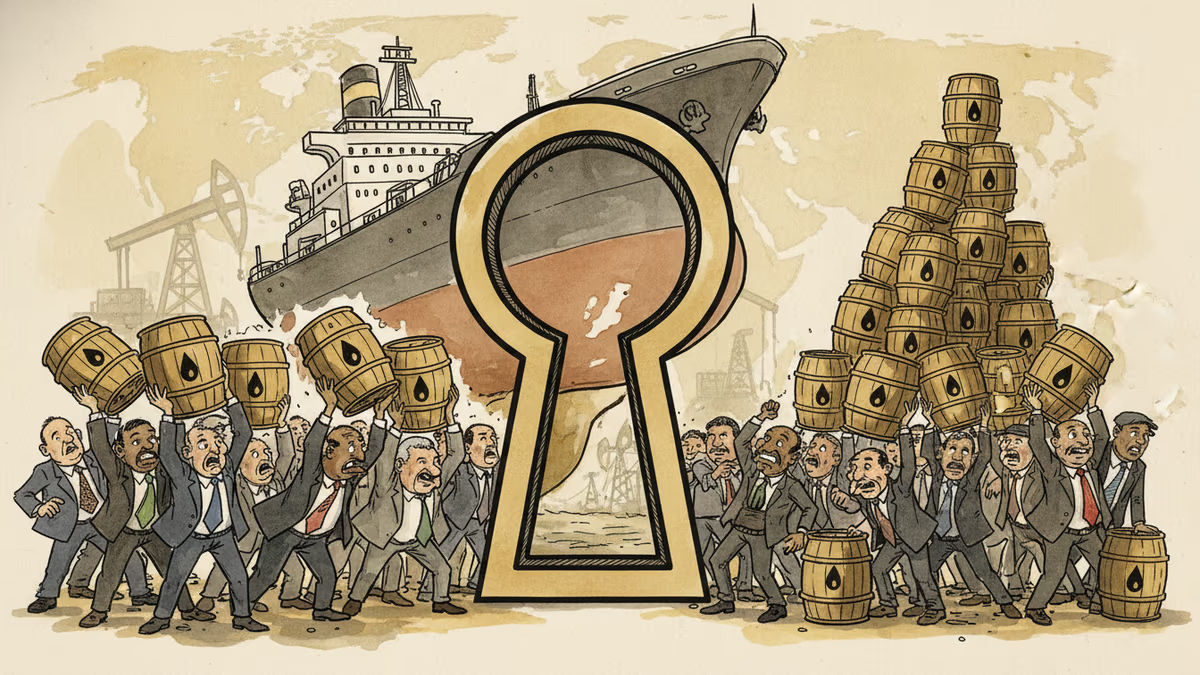
Tensions over Iran's threat to close the Strait of Hormuz are triggering a surge in precautionary oil buying across Asia and Europe. Here's what's really at stake—and who wins and loses.
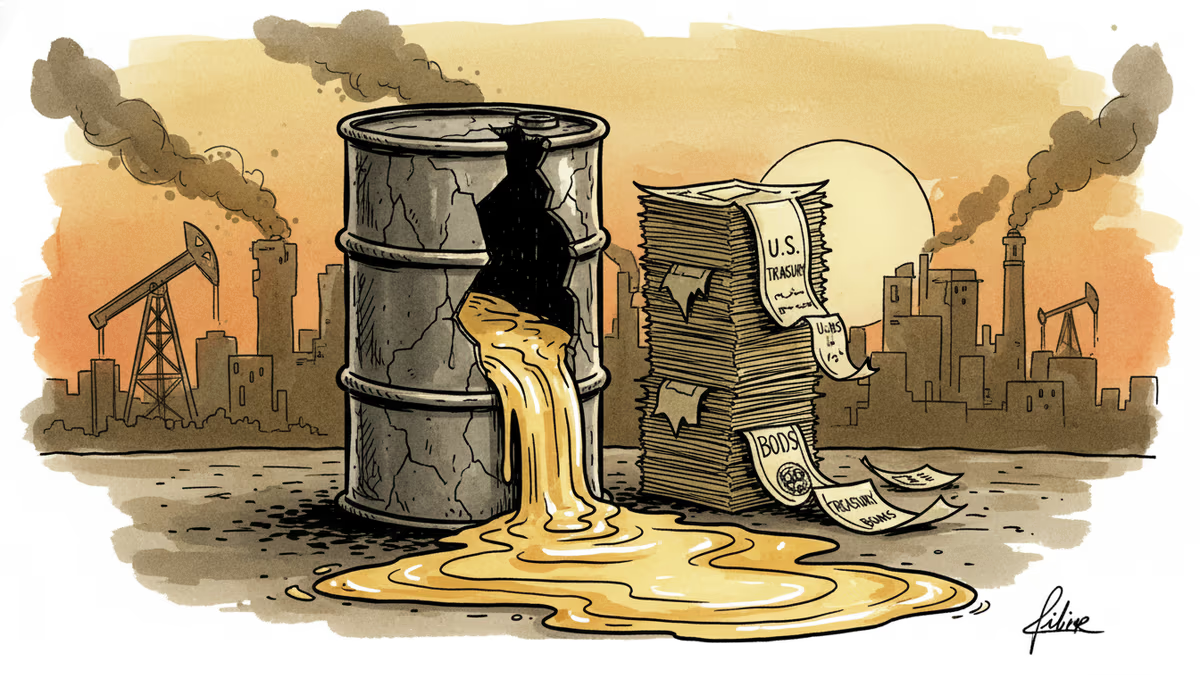
Oil surged to $114 a barrel as Middle East conflict deepened, while U.S. Treasuries sold off simultaneously — a rare combination that markets read as a stagflation warning signal.
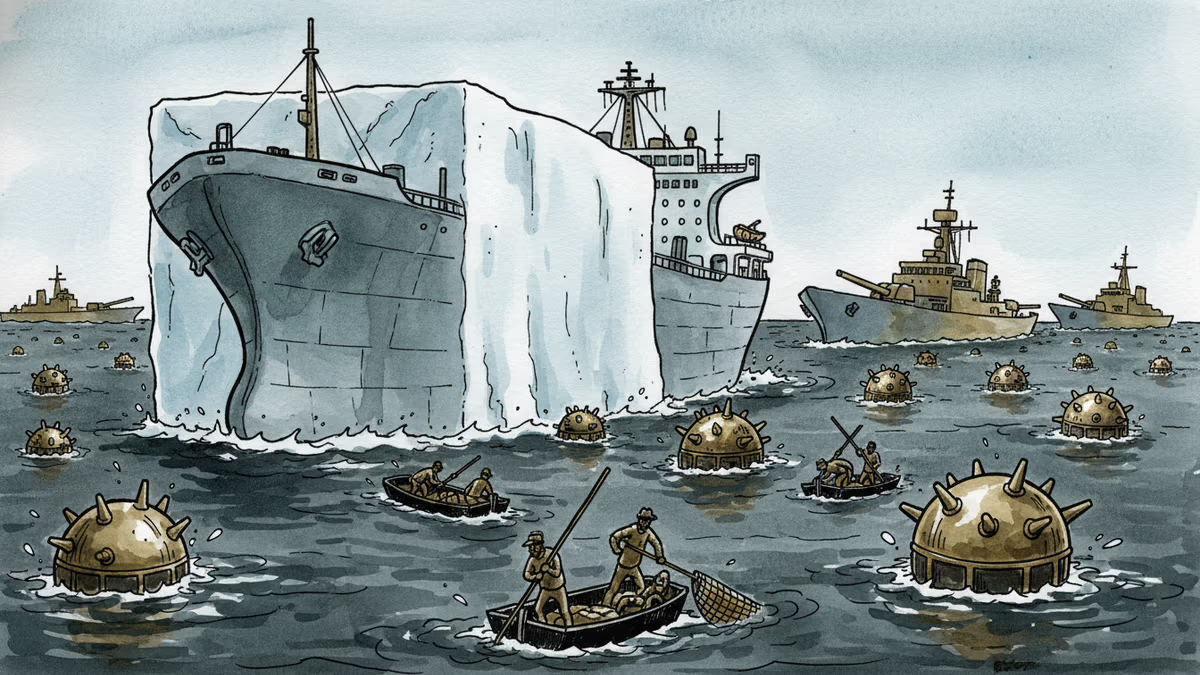
The US Navy says clearing mines from the Gulf waterway will take weeks, with European allies reluctant to help. Here's what that timeline means for oil markets, your wallet, and the future of allied naval cooperation.
Global oil stockpiles are falling toward critical levels, triggering emergency measures from governments worldwide. What this means for energy prices, inflation, and your bottom line.
Tensions over Iran's threat to close the Strait of Hormuz are triggering a surge in precautionary oil buying across Asia and Europe. Here's what's really at stake—and who wins and loses.
Oil surged to $114 a barrel as Middle East conflict deepened, while U.S. Treasuries sold off simultaneously — a rare combination that markets read as a stagflation warning signal.
The US Navy says clearing mines from the Gulf waterway will take weeks, with European allies reluctant to help. Here's what that timeline means for oil markets, your wallet, and the future of allied naval cooperation.
Thoughts
Share your thoughts on this article
Sign in to join the conversation