
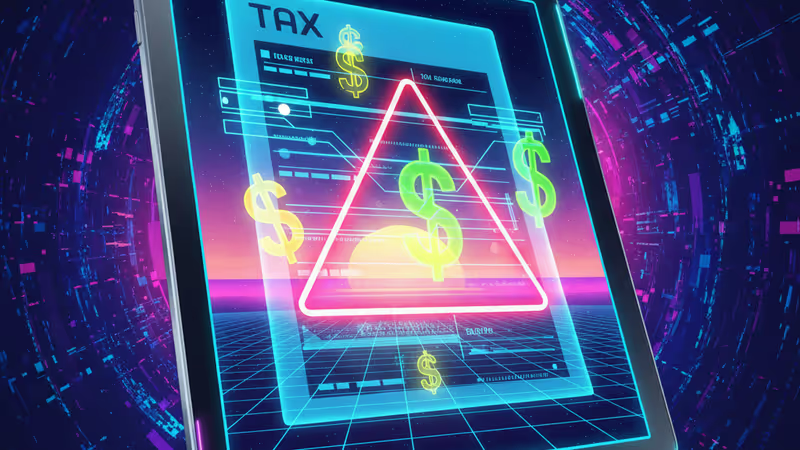
Utah Adult Content Tax Bill 2026: A New 7% Levy on the Digital Horizon
Utah State Senator Calvin Musselman has proposed a 7% tax on adult site revenue. The Utah Adult Content Tax Bill 2026 aims to fund teen mental health services.
How much is digital privacy worth in the eyes of the law? Utah is upping the ante by proposing a direct financial penalty on the adult industry, a move that could redefine how states regulate internet content.
Breaking Down the Utah Adult Content Tax Bill 2026
This week, Republican State Senator Calvin Musselman introduced legislation that would impose a 7 percent tax on total receipts from adult-oriented sales, subscriptions, and performances based in or generated within Utah. This isn't just a minor fee; it's a targeted economic measure against material deemed harmful to minors.
In addition to the percentage-based tax, adult sites would be required to pay a $500 annual fee to the State Tax Commission. According to the bill's text, the revenue generated will be channeled into the Department of Health and Human Services to bolster mental health support for teenagers across the state.

The Conflict Between Policy and Digital Rights
The proposal comes as age-verification laws are already forcing major shifts in the industry. While proponents argue the tax addresses social costs, digital rights advocates warn it sets a dangerous precedent for taxing speech. If passed, the law is slated to go into effect in May 2026.
| Feature | Current Status | Proposed Change (2026) |
|---|---|---|
| Tax Rate | Standard Sales Tax | Standard + 7% Surcharge |
| Annual Fee | None | $500 |
| Revenue Use | General Fund | Teen Mental Health Services |
Authors
Related Articles
The Tate brothers are suing X to unmask anonymous accounts that criticized them. The case cuts to the heart of online anonymity, free speech, and who controls the cost of public criticism.
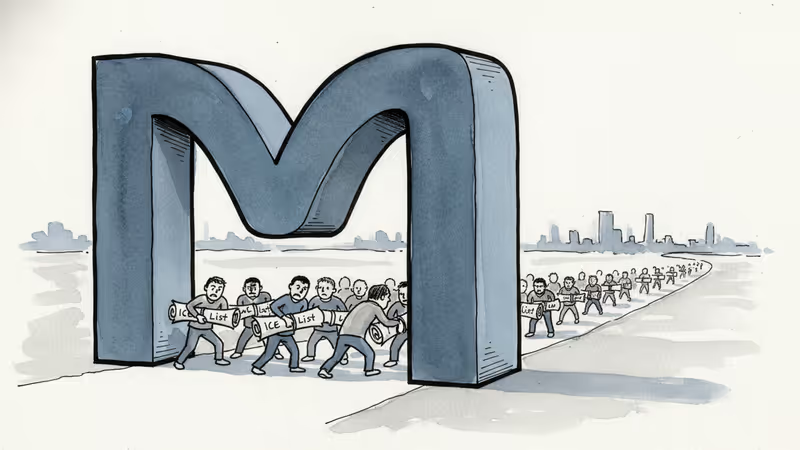
Meta has started blocking links to ICE List, a website exposing DHS employee names. The move raises questions about free speech, privacy, and Big Tech's gatekeeper power.
Meta starts blocking links to ICE List, a site tracking immigration agents, raising questions about platform accountability and free speech under Trump 2.0

In early December, developer Joshua Aaron sued the DOJ and Apple over the removal of the ICEBlock app. The Apple ICEBlock app lawsuit 2025 challenges the constitutionality of government-pressured censorship.
The Tate brothers are suing X to unmask anonymous accounts that criticized them. The case cuts to the heart of online anonymity, free speech, and who controls the cost of public criticism.
Meta has started blocking links to ICE List, a website exposing DHS employee names. The move raises questions about free speech, privacy, and Big Tech's gatekeeper power.
Meta starts blocking links to ICE List, a site tracking immigration agents, raising questions about platform accountability and free speech under Trump 2.0
In early December, developer Joshua Aaron sued the DOJ and Apple over the removal of the ICEBlock app. The Apple ICEBlock app lawsuit 2025 challenges the constitutionality of government-pressured censorship.
Thoughts
Share your thoughts on this article
Sign in to join the conversation