

Uber’s New Profit Engine: Why Your Ride History is Up for Sale
Uber is reportedly planning to sell user data to the highest bidders to boost revenue. According to Reuters, the ride-hailing giant seeks new profit streams beyond service fees.
Your privacy might be the next item up for auction. An anonymous source recently told Reuters that Uber doesn't feel it's making enough money from ride-hailing alone and plans to sell customer data to the highest bidders.
The Shift from Service to Data Brokerage
It's a familiar playbook for app-based giants. When margins in the physical world get tight, they look to exploit their users' digital footprints. Uber is reportedly moving toward a model where the value isn't just in the fare, but in the metadata generated during every trip.

Privacy Advocates Raise Red Flags
The move suggests that companies are no longer satisfied with the fees users already pay for services. Instead, they're looking to capitalize on personal behaviors beyond the app's primary function, sparking immediate concern among privacy advocates regarding how this sensitive location data will be used.
Authors
Related Articles
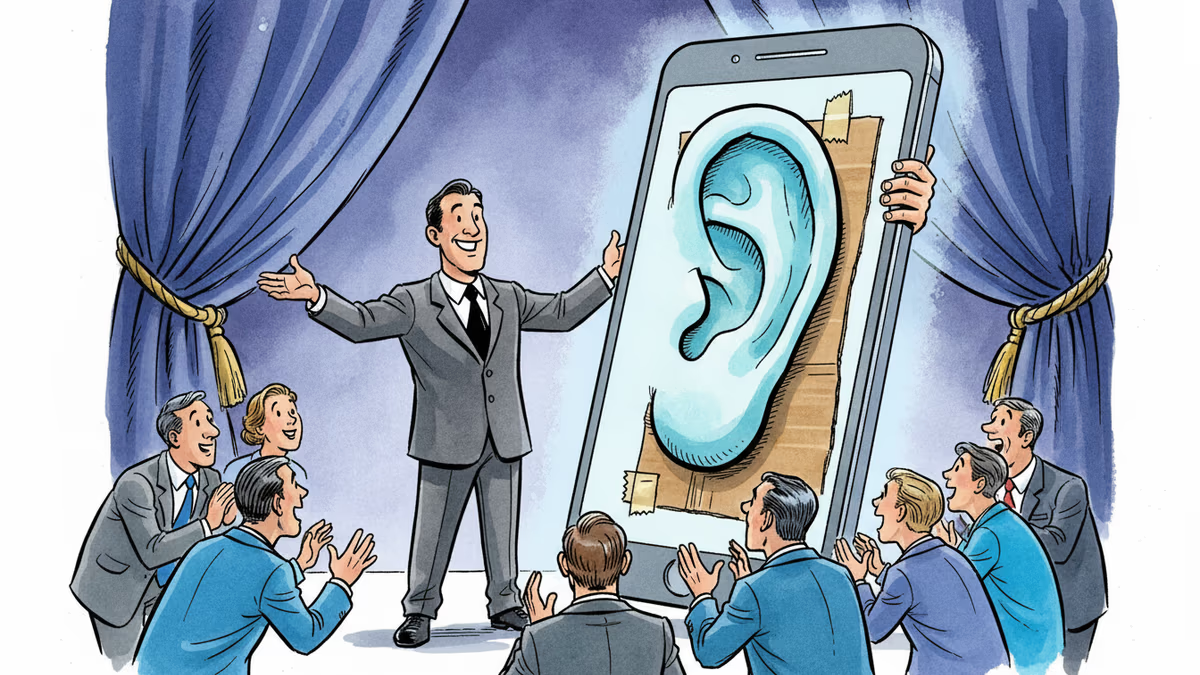
The FTC fined Cox Media and two ad firms $930,000 — not for actually eavesdropping on users, but for falsely claiming they could. The case raises uncomfortable questions about surveillance capitalism.
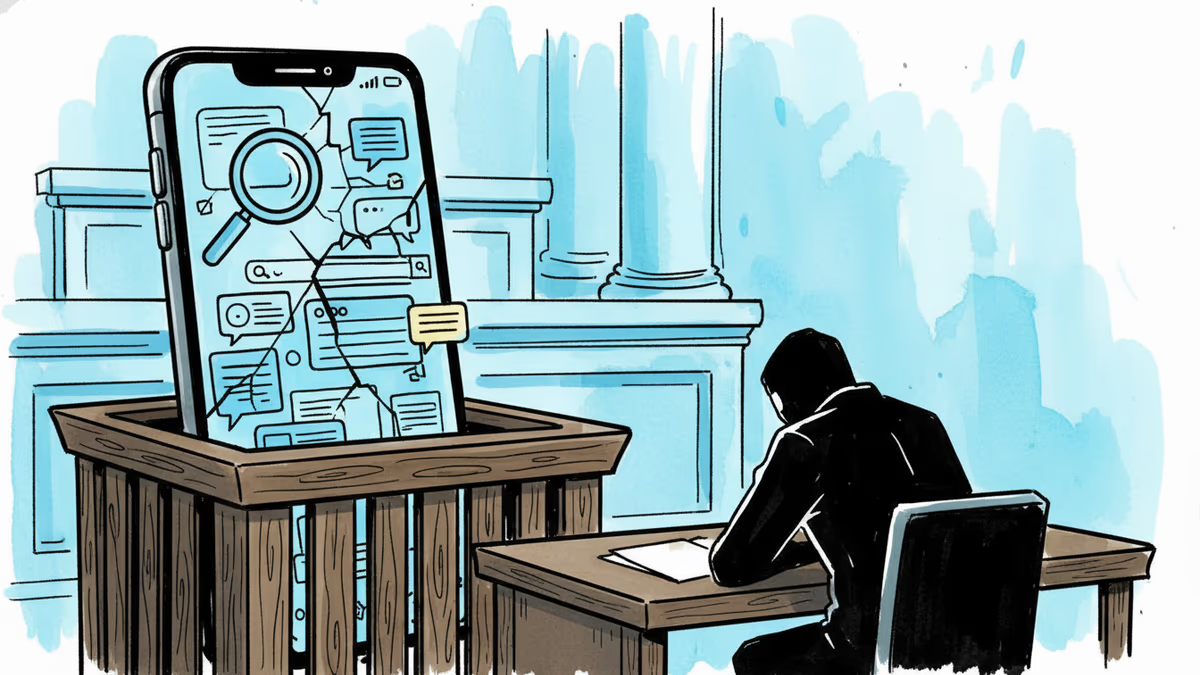
A Utah woman was sentenced to life in prison partly because of her Google searches and deleted texts. The Kouri Richins case reveals how digital footprints have become the courtroom's most reliable witness.
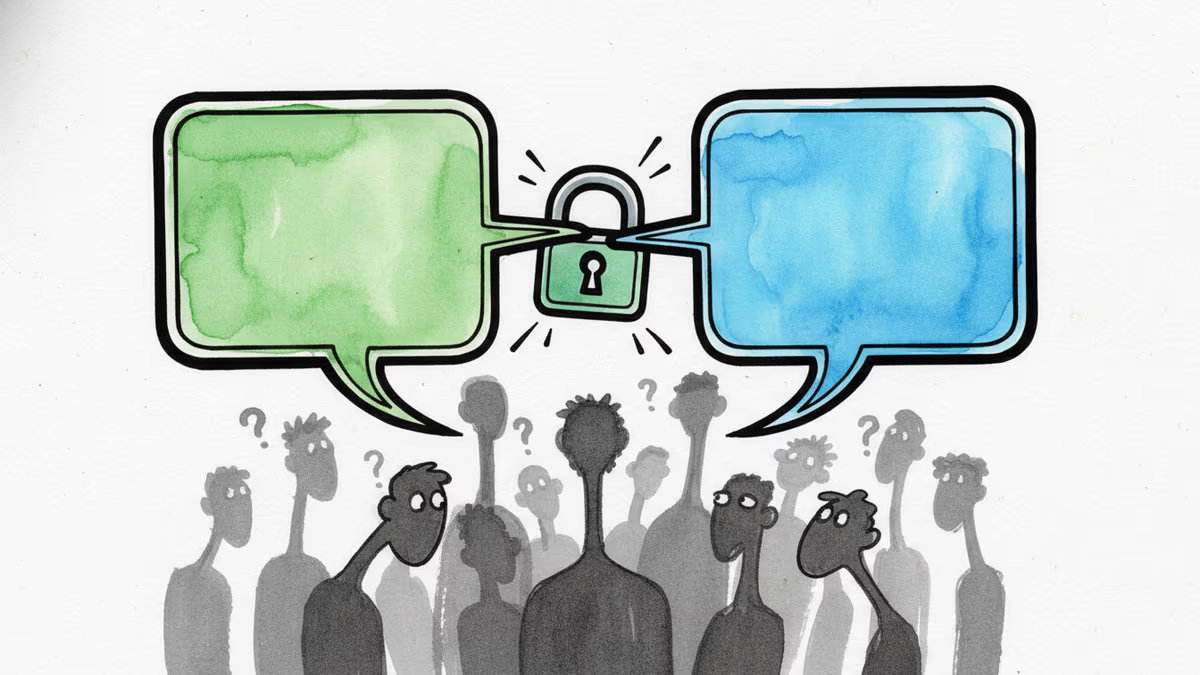
After 15 years of fragmented mobile messaging, Apple and Google are rolling out end-to-end encrypted RCS messaging between iPhones and Android devices. Here's what changed, why it took so long, and what it means for your privacy.
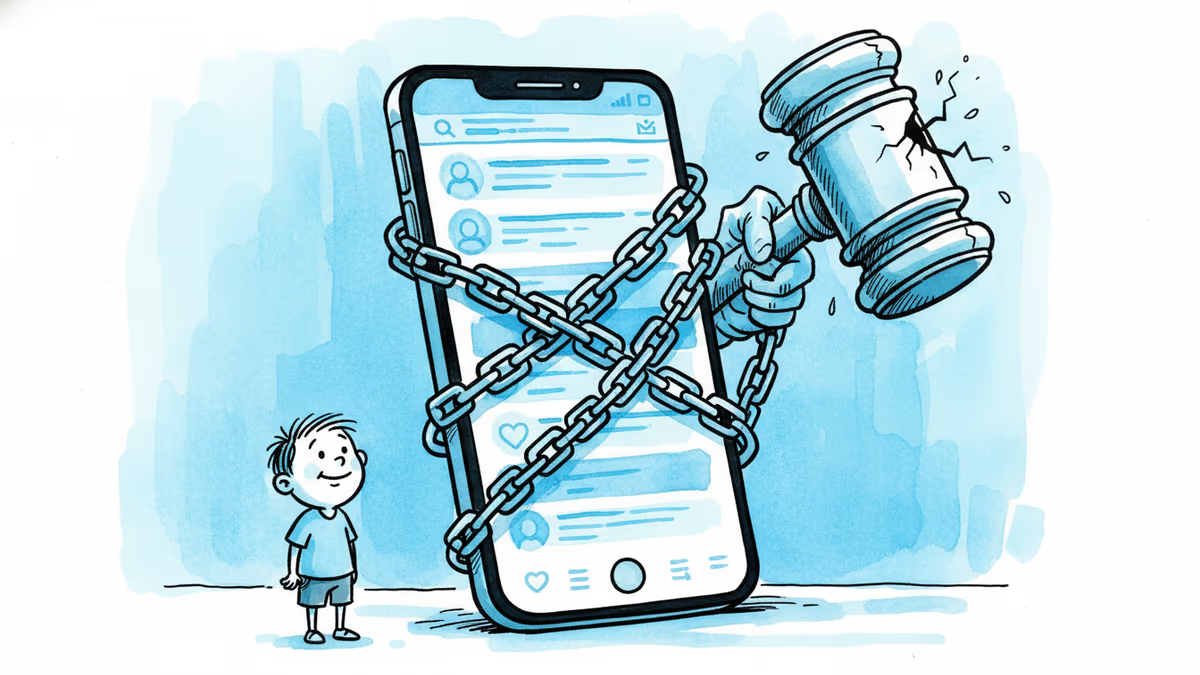
New Mexico already won $375 million from Meta. Now it wants something harder to give: a court order forcing Facebook, Instagram, and WhatsApp to redesign themselves. A three-week trial starts Monday.
The FTC fined Cox Media and two ad firms $930,000 — not for actually eavesdropping on users, but for falsely claiming they could. The case raises uncomfortable questions about surveillance capitalism.
A Utah woman was sentenced to life in prison partly because of her Google searches and deleted texts. The Kouri Richins case reveals how digital footprints have become the courtroom's most reliable witness.
After 15 years of fragmented mobile messaging, Apple and Google are rolling out end-to-end encrypted RCS messaging between iPhones and Android devices. Here's what changed, why it took so long, and what it means for your privacy.
New Mexico already won $375 million from Meta. Now it wants something harder to give: a court order forcing Facebook, Instagram, and WhatsApp to redesign themselves. A three-week trial starts Monday.
Thoughts
Share your thoughts on this article
Sign in to join the conversation