

UAE Joins Pax Silica AI Supply Chain Coalition, Expanding U.S.-Led Tech Bloc to 9 Nations
On Jan 14, 2026, the UAE joined the U.S.-led Pax Silica AI supply chain coalition. Discover how this 9-nation alliance is reshaping the global tech landscape and AI dominance.
The "Silicon Peace" is gaining momentum as global tech rivalries intensify. On January 14, 2026, the United Arab Emirates (UAE) officially signed its accession to Pax Silica, a U.S.-led economic security initiative focused on artificial intelligence (AI) and critical mineral supply chains. According to the State Department, the UAE joins South Korea and seven other nations to counter China's growing dominance in advanced technologies.
The Strategic Expansion of the Pax Silica AI Supply Chain
The signing ceremony featured Under Secretary of State Jacob Helberg and UAE Minister of State Saeed Bin Mubarak Al Hajeri. This move aligns with the Trump administration's aggressive push for global "AI dominance." The coalition, which now boasts 9 members, aims to eliminate "single points of failure" in the global tech stack and move away from coercive dependencies.

From 6G to Critical Minerals: A Comprehensive Tech Stack
The partnership isn't limited to AI. Members will collaborate on flagship projects including 6G connectivity, edge infrastructure, advanced manufacturing, and mineral refining. The current list of participants includes South Korea, the United States, Australia, Israel, Japan, Qatar, Singapore, Britain, and the UAE. With India set to join next month, the coalition is rapidly becoming a formidable alternative to China-centric supply chains.
Authors
Related Articles

The Trump administration has gutted the DOJ's Voting Section, pushing out two dozen experienced lawyers and replacing them with loyalists. With 2026 midterms approaching, what does this mean for American democracy?
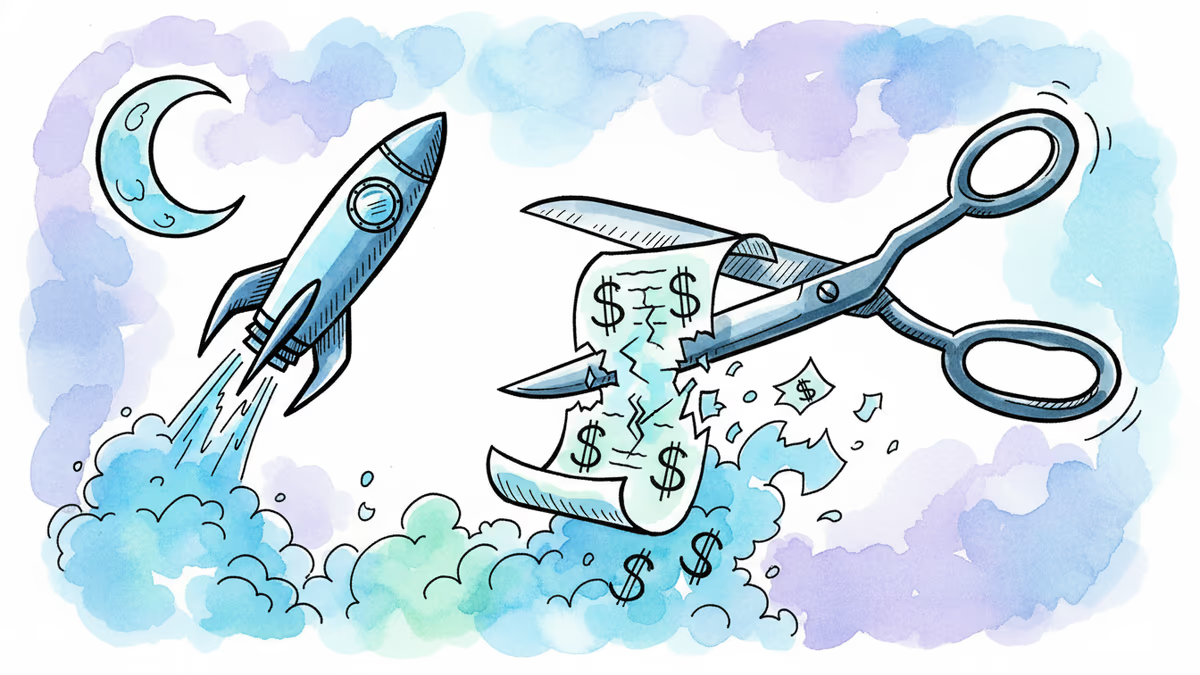
Two days after launching the first crewed lunar mission in over 50 years, the Trump administration proposed cutting NASA's budget by 23%. What does this mean for the future of space exploration?
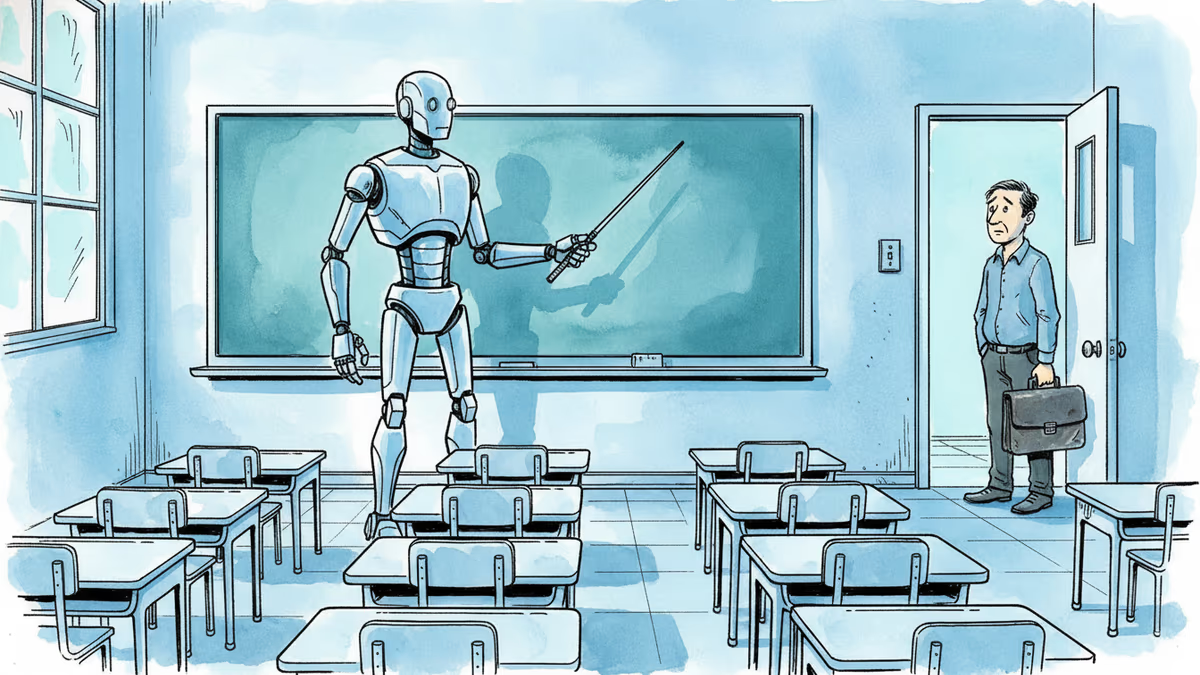
A humanoid robot walked the White House red carpet with Melania Trump. It's a preview of an ed-tech vision that could reshape — or fracture — how children learn.
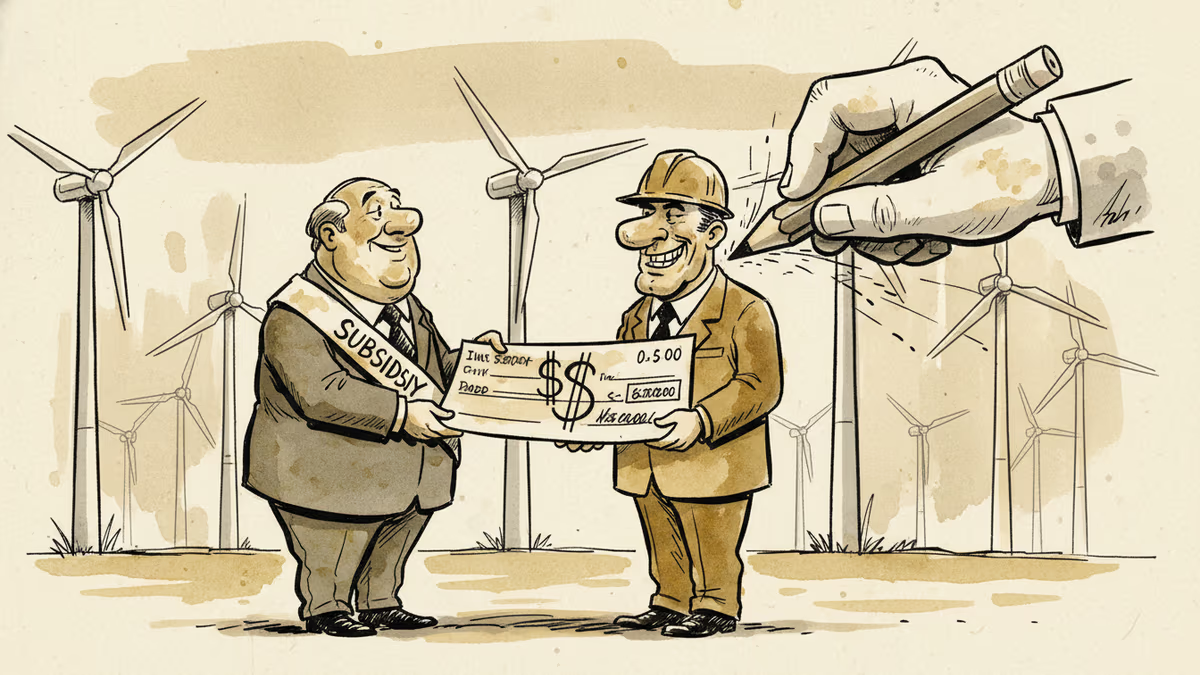
The Trump administration struck a deal to buy back offshore wind leases from TotalEnergies for $1 billion, redirecting that money into fossil fuel projects. What this means for energy markets, grid reliability, and the future of U.S. climate policy.
The Trump administration has gutted the DOJ's Voting Section, pushing out two dozen experienced lawyers and replacing them with loyalists. With 2026 midterms approaching, what does this mean for American democracy?
Two days after launching the first crewed lunar mission in over 50 years, the Trump administration proposed cutting NASA's budget by 23%. What does this mean for the future of space exploration?
A humanoid robot walked the White House red carpet with Melania Trump. It's a preview of an ed-tech vision that could reshape — or fracture — how children learn.
The Trump administration struck a deal to buy back offshore wind leases from TotalEnergies for $1 billion, redirecting that money into fossil fuel projects. What this means for energy markets, grid reliability, and the future of U.S. climate policy.
Thoughts
Share your thoughts on this article
Sign in to join the conversation