
The FCC's Selective Enforcement: When Fairness Rules Become Political Weapons
Trump's FCC threatens TV talk shows with equal-time rules while exempting conservative talk radio, raising questions about regulatory weaponization and media independence.
When 8 out of 10 Top Radio Shows Get a Free Pass
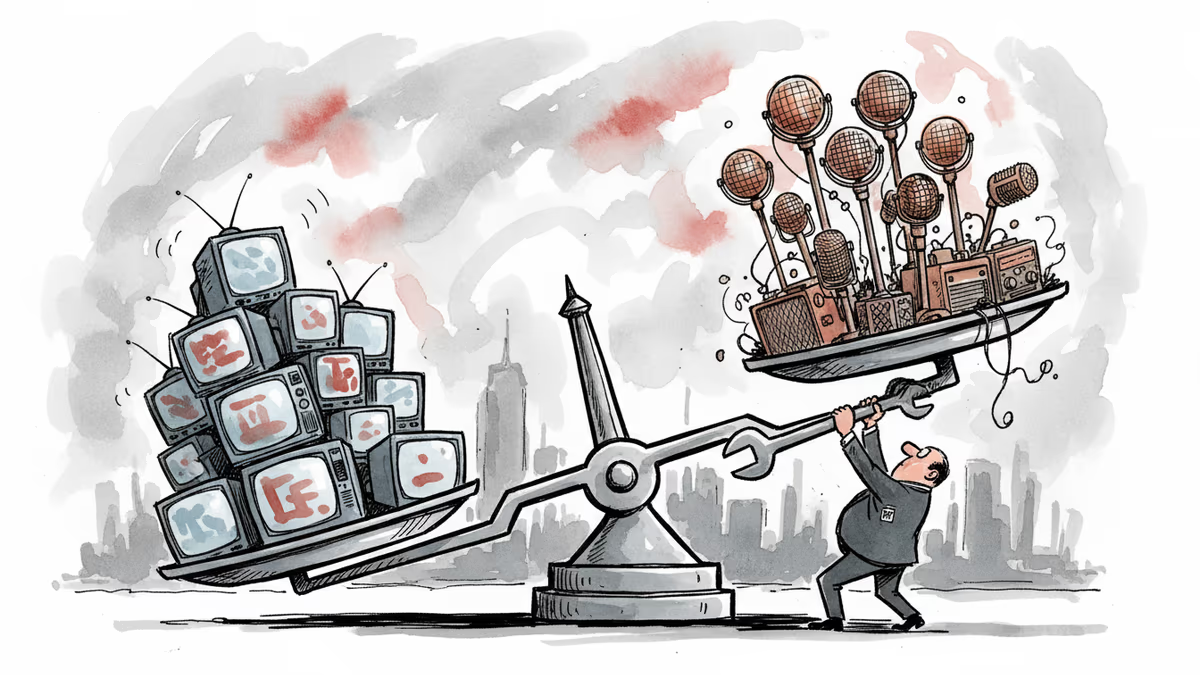
FCC Chairman Brendan Carr is threatening to enforce equal-time rules on TV talk shows while staying conspicuously silent about talk radio. The numbers tell the story: 8 of the top 10 nationally syndicated talk radio programs lean conservative, yet they face no equal-time scrutiny.
The equal-time rule requires broadcasters to provide equal opportunities to competing political candidates. Talk show interviews have historically been exempt, but Carr is reinterpreting decades-old precedent to target networks that President Trump disfavors.
The View vs Rush Limbaugh's Legacy: A Tale of Two Standards
Carr has launched investigations into ABC's The View over an interview with Texas Democratic Senate candidate James Talarico. He's also tangled with Stephen Colbert's Late Show. Meanwhile, conservative talk radio—which has dominated the airwaves since Rush Limbaugh's era—operates without similar threats.
When Deadline's Ted Johnson pressed Carr about this disparity at a February 18 press conference, asking why he hasn't expressed "the same concern about broadcast talk radio as broadcast TV talk shows," the chairman's response was notably vague.
The Weaponization Playbook
This isn't just about regulatory interpretation—it's about how government agencies can pressure media through selective enforcement. The pattern is clear:

Liberal-leaning TV shows: Face equal-time enforcement threats Conservative talk radio: Gets a regulatory pass Same interview format: Different rules based on political lean
Media critics argue this represents "regulatory weaponization"—using government power to intimidate unfriendly outlets while protecting allies. Carr has built a reputation for creative interpretations of FCC rules when targeting Trump-disfavored networks.
Broadcasters' Impossible Choice: Self-Censorship or Legal Battle
TV networks now face an impossible calculus. Strict equal-time enforcement would essentially kill political interviews. If hosting one Democratic politician requires offering identical time to every Republican challenger, news programming becomes logistically impossible.
Some broadcasters are already self-censoring, reducing political interviews to avoid regulatory headaches. Others are preparing legal challenges, arguing that applying equal-time rules to news interviews violates First Amendment protections.
The chilling effect is real. When regulatory uncertainty looms, media companies often choose the safe path: less coverage, fewer challenging interviews, reduced accountability journalism.
The Radio Silence Strategy
Talk radio's exemption isn't accidental—it's strategic. Conservative voices dominate AM radio, from Mark Levin to Ben Shapiro. These shows regularly feature Republican politicians and conservative candidates without equal-time concerns.
The format differences between TV and radio interviews are minimal. Both involve hosts asking questions, candidates responding, and audiences listening. Yet only one medium faces regulatory threats.
This selective application raises fundamental questions about regulatory fairness and the role of government in media oversight.
Authors
Related Articles
The Trump administration has gutted the DOJ's Voting Section, pushing out two dozen experienced lawyers and replacing them with loyalists. With 2026 midterms approaching, what does this mean for American democracy?
Two days after launching the first crewed lunar mission in over 50 years, the Trump administration proposed cutting NASA's budget by 23%. What does this mean for the future of space exploration?

A humanoid robot walked the White House red carpet with Melania Trump. It's a preview of an ed-tech vision that could reshape — or fracture — how children learn.
The Trump administration struck a deal to buy back offshore wind leases from TotalEnergies for $1 billion, redirecting that money into fossil fuel projects. What this means for energy markets, grid reliability, and the future of U.S. climate policy.
The Trump administration has gutted the DOJ's Voting Section, pushing out two dozen experienced lawyers and replacing them with loyalists. With 2026 midterms approaching, what does this mean for American democracy?
Two days after launching the first crewed lunar mission in over 50 years, the Trump administration proposed cutting NASA's budget by 23%. What does this mean for the future of space exploration?
A humanoid robot walked the White House red carpet with Melania Trump. It's a preview of an ed-tech vision that could reshape — or fracture — how children learn.
The Trump administration struck a deal to buy back offshore wind leases from TotalEnergies for $1 billion, redirecting that money into fossil fuel projects. What this means for energy markets, grid reliability, and the future of U.S. climate policy.
Thoughts
Share your thoughts on this article
Sign in to join the conversation