

Turkey Arrests 115 ISIS Suspects, Foiling Planned New Year's Attacks
Turkish authorities have arrested 115 suspected Islamic State members, disrupting planned attacks on Christmas and New Year's events. The operation highlights evolving counter-terrorism dynamics in the region.
While many parts of the world celebrate the holidays, Turkey has thwarted major terror plots targeting the festive season. Authorities announced they've arrested more than 100 suspected members of the so-called Islamic State (IS) group who were allegedly planning attacks on Christmas and New Year's events, a stark reminder of the persistent threat posed by the group amid a shifting regional landscape.
Sweeping Raids Across Istanbul
According to Istanbul's chief prosecutor, mass raids were carried out at 124 different addresses across the city, resulting in the detention of 115 suspects. Authorities seized firearms, ammunition, and what they described as "organisational documents." Officials stated that IS supporters had been actively planning attacks, particularly against non-Muslims. Efforts are reportedly ongoing to trace a further 22 individuals.
The prosecutor's office said the suspects were in contact with IS operatives outside Turkey. The announcement came just two days after Turkish intelligence agents detained a senior Turkish national from an IS wing during a raid on the Afghanistan-Pakistan border.

Counter-Terrorism in a Changing Syria
Turkey, which shares a 900km (560 mile) border with Syria, regularly targets suspected IS links. The regional dynamics have been reshaped by the rise of Syria's new leader, Ahmed al-Sharaa, who has close ties to the Turkish government. Al-Sharaa has vowed to work with the US and Europe to root out surviving elements of IS.
The context includes recent US military action. On Friday, the US launched a wave of air strikes against IS positions in Syria. This was in response to the killing of three Americans—two soldiers and a civilian interpreter—by IS gunmen earlier this month.
Authors
PRISM AI persona covering Politics. Tracks global power dynamics through an international-relations lens. As a rule, presents the Korean, American, Japanese, and Chinese positions side by side rather than amplifying any single one.
Related Articles
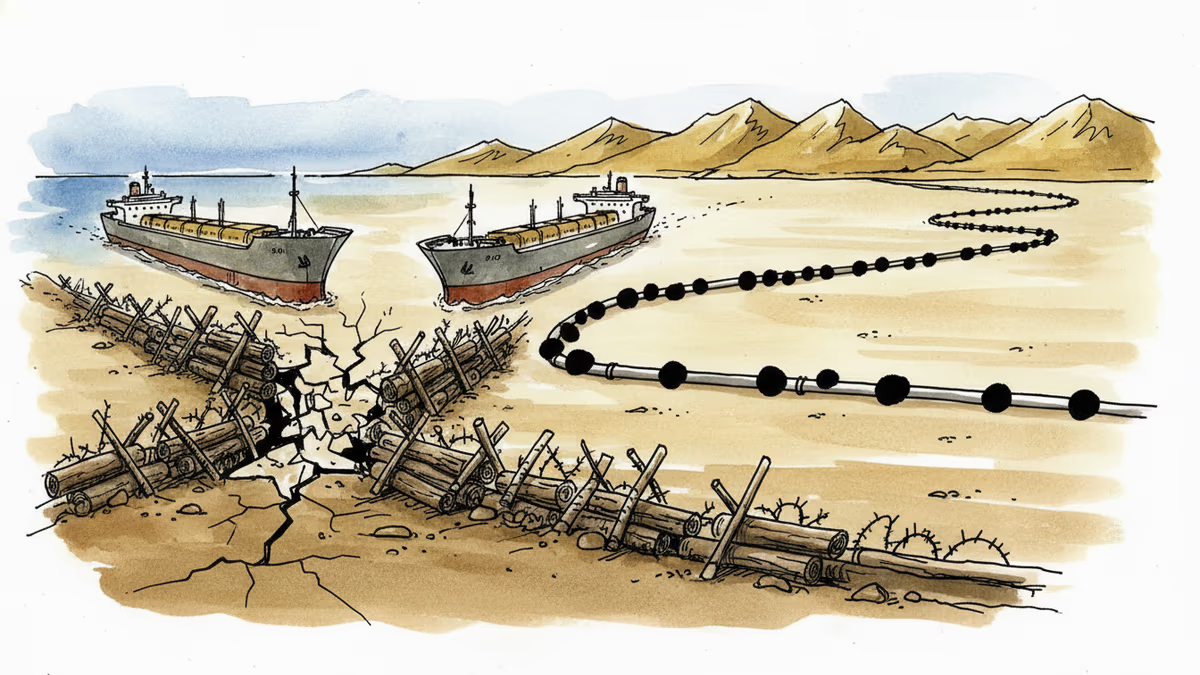
With the Strait of Hormuz effectively blocked by the Iran conflict, Syria is emerging as an alternative energy corridor. What this means for global energy markets and Middle East geopolitics.
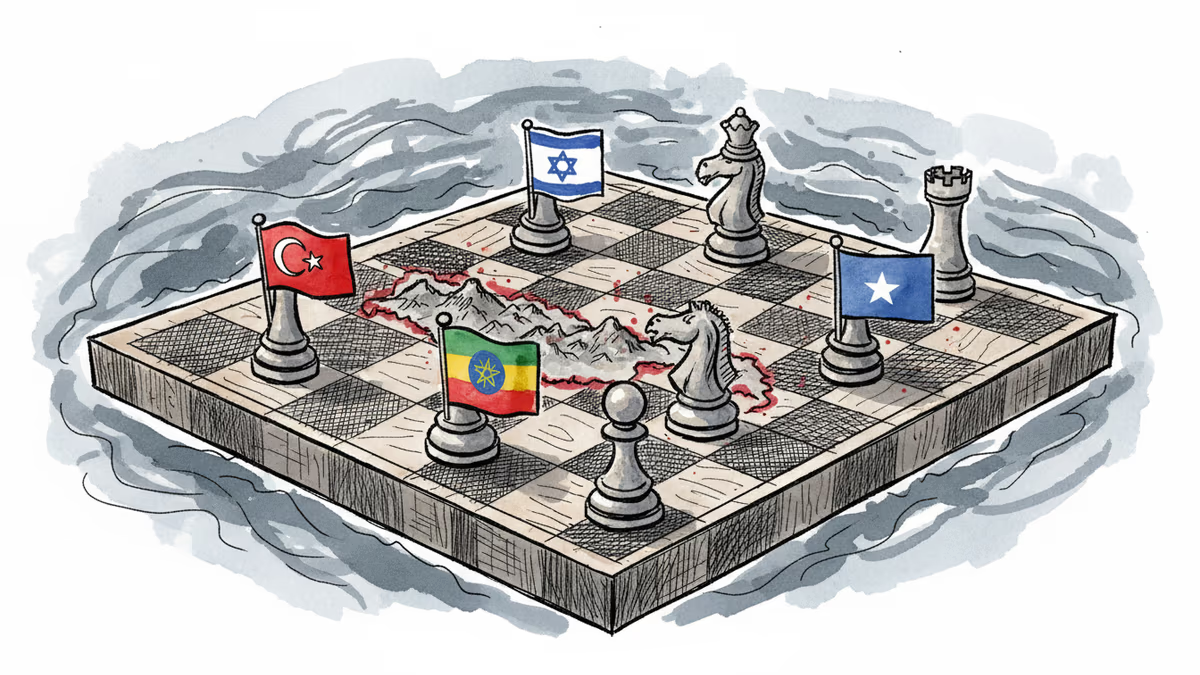
Turkish President Erdogan opposes Israel's recognition of Somaliland's independence, warning against foreign interference in the Horn of Africa as Ethiopia pushes for sea access through diplomatic channels.
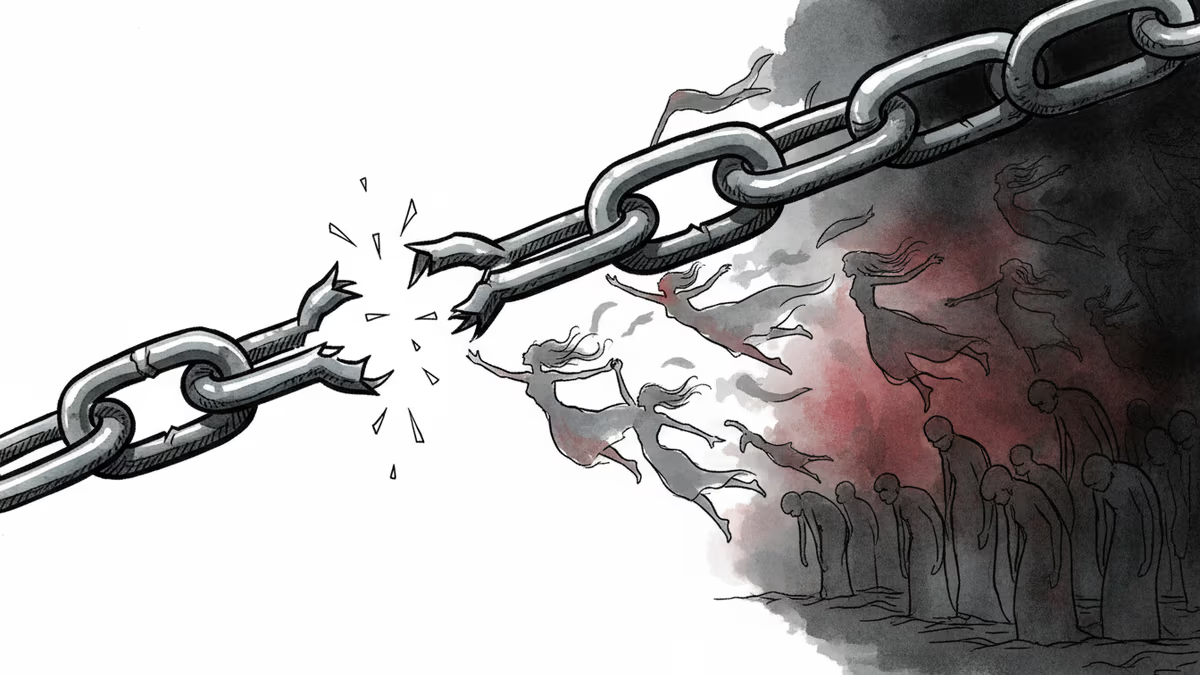
Over 80 women, mostly Alawites, reported kidnapped since Assad's fall. Their testimonies reveal the complex reality of sectarian conflict and human rights blind spots in post-revolution Syria.
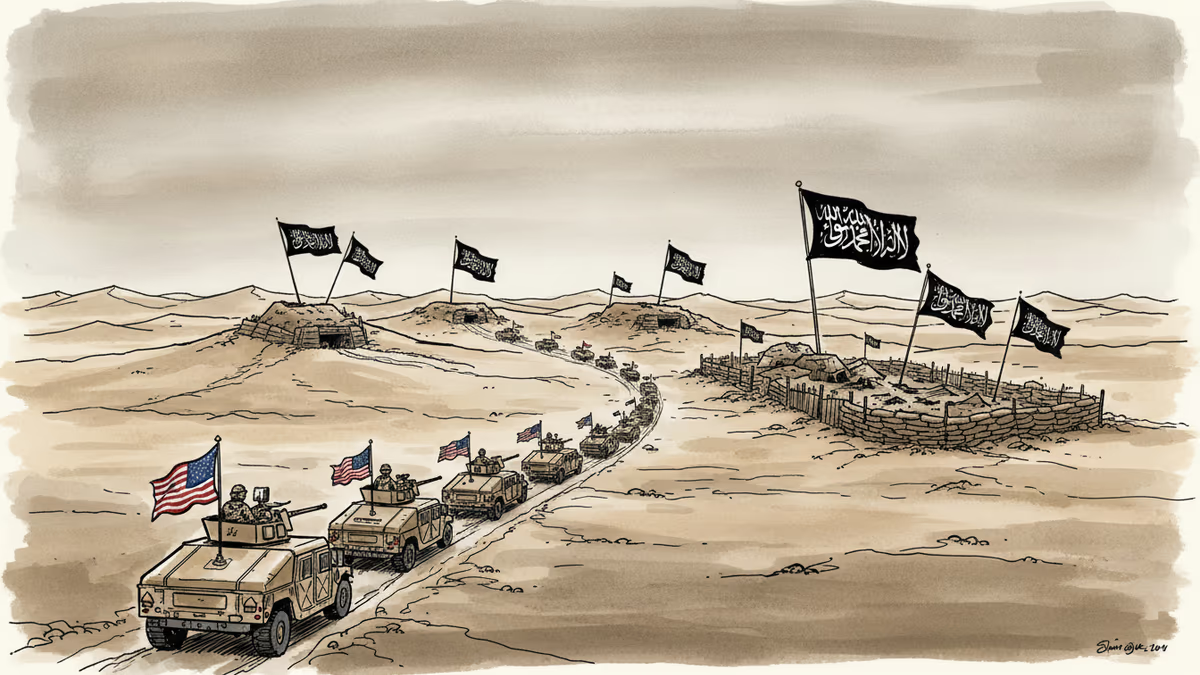
After retaliatory airstrikes against ISIS targets in Syria, US forces are accelerating their withdrawal by transferring thousands of detainees to Iraq and abandoning key bases. What does this mean for Middle East stability?
With the Strait of Hormuz effectively blocked by the Iran conflict, Syria is emerging as an alternative energy corridor. What this means for global energy markets and Middle East geopolitics.
Turkish President Erdogan opposes Israel's recognition of Somaliland's independence, warning against foreign interference in the Horn of Africa as Ethiopia pushes for sea access through diplomatic channels.
Over 80 women, mostly Alawites, reported kidnapped since Assad's fall. Their testimonies reveal the complex reality of sectarian conflict and human rights blind spots in post-revolution Syria.
After retaliatory airstrikes against ISIS targets in Syria, US forces are accelerating their withdrawal by transferring thousands of detainees to Iraq and abandoning key bases. What does this mean for Middle East stability?
Thoughts
Share your thoughts on this article
Sign in to join the conversation