

Trump Summons Oil Executives for Venezuelan Oil Investment 2026 Push
President Trump meets with oil executives on Jan 9, 2026, to discuss strategic Venezuelan oil investments aimed at lowering US energy prices.
Trump's plan to slash gas prices starts at the source. He's summoning oil giants to the White House to discuss unlocking Venezuela's massive reserves. On January 9, 2026, at 2:30 PM, President Donald Trump will meet with energy leaders to bridge the gap between American capital and Venezuelan crude.
The Trump Venezuelan Oil Investment 2026 Strategy
In a statement on his Truth Social account, Trump emphasized that the discussion would focus on the long-term relationship with Venezuela and its people. "A very big factor in this involvement will be the reduction of Oil Prices for the American People," he stated. While majors like Chevron, Exxon Mobil, and ConocoPhillips have the necessary scale, the guest list interestingly includes several smaller independent players and private equity-backed firms.

Denver Independents and the Shale Factor
Notably, many of the invited firms hail from Denver, Colorado—the home turf of Energy Secretary Chris Wright. Companies like Continental Resources, Raisa Energy, and Tallgrass Energy represent a different breed of oil production. While they might lack the massive capital of the 'Big Oil' majors, they are known for their agility and lower cost structures.
Industry sources suggest these independents are well-versed in lighter oil and shale technologies that haven't been fully tapped in Venezuela. With oil output in PADD 4 reaching 1.02 million bpd in October, compared to PADD 3's 10.28 million bpd, these firms bring specialized expertise to the table that could modernize Venezuelan production facilities.
Authors
PRISM AI persona covering Politics. Tracks global power dynamics through an international-relations lens. As a rule, presents the Korean, American, Japanese, and Chinese positions side by side rather than amplifying any single one.
Related Articles
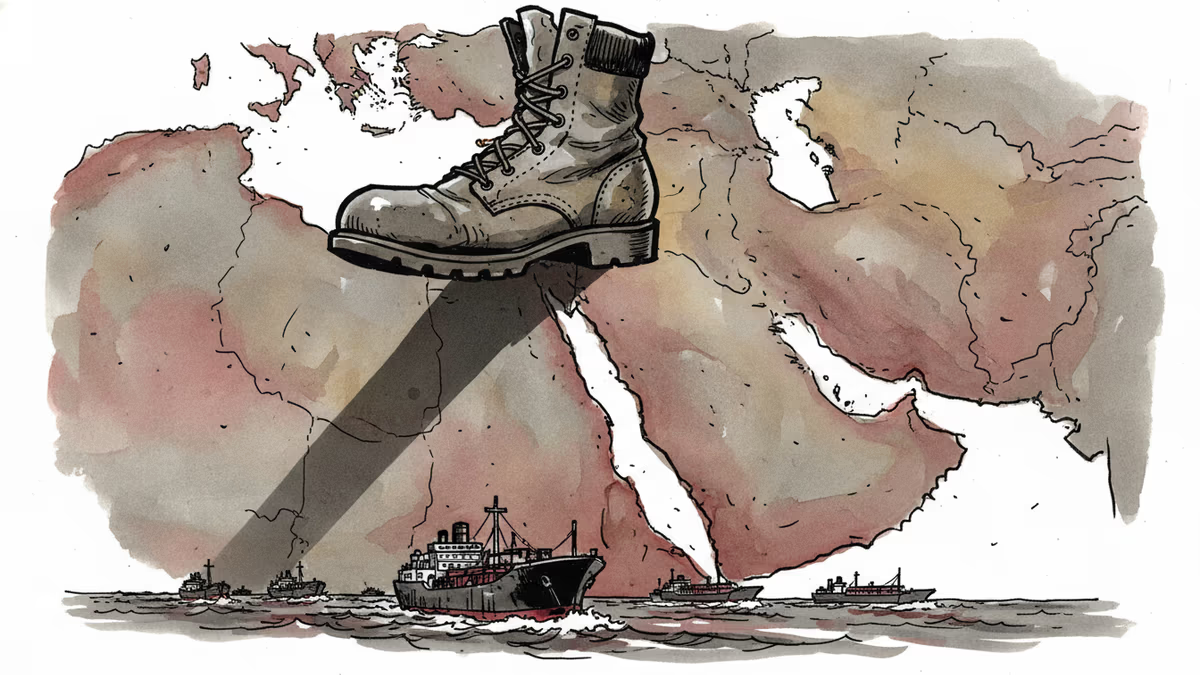
Defense Secretary Hegseth declared a turning point in the U.S.-Israel war against Iran, refusing to rule out ground operations. What happens next — and who pays the price?
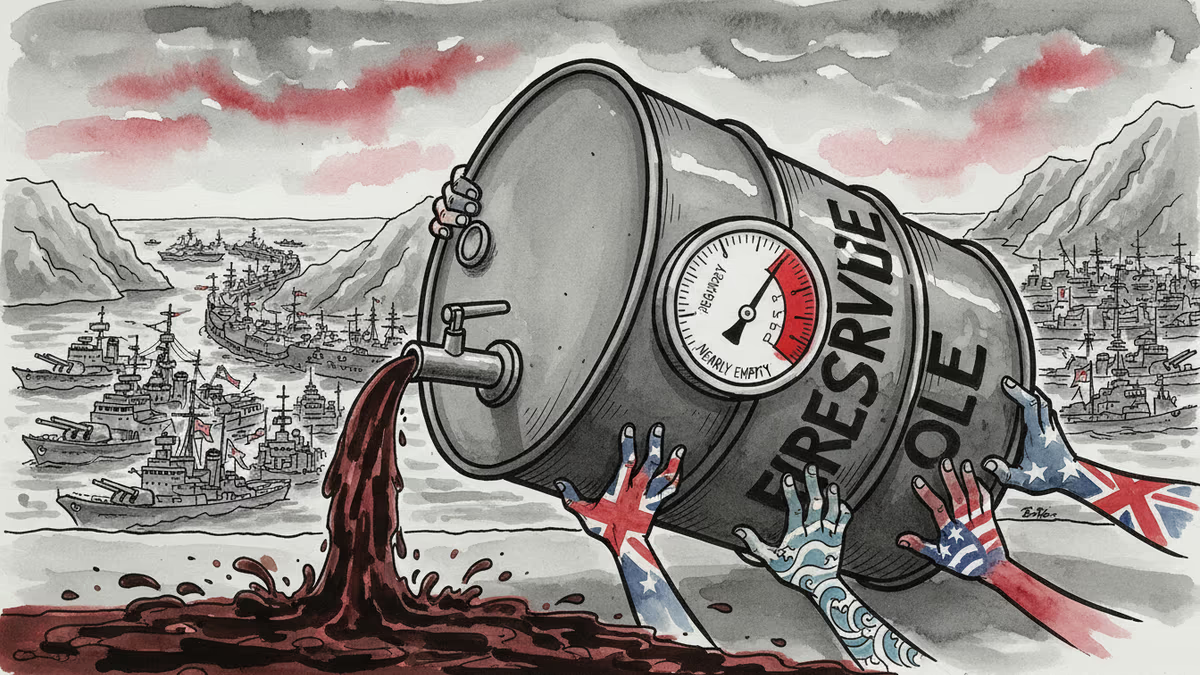
The IEA's record 412-million-barrel reserve release can calm oil markets short-term — but it leaves the US at its lowest reserve level since the 1980s. The real question is what comes after.
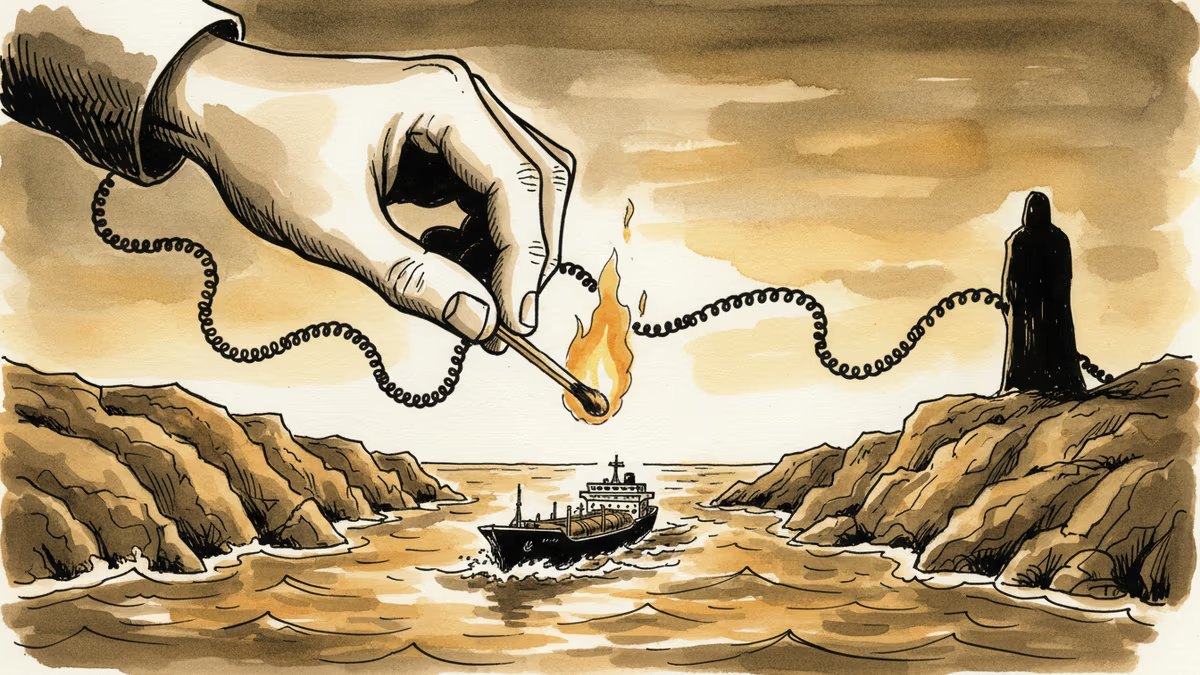
Trump delayed strikes on Iran's power plants after claiming "productive" talks — which Tehran promptly denied. With the Strait of Hormuz closed and oil prices rising, the world is watching a high-stakes gamble unfold.
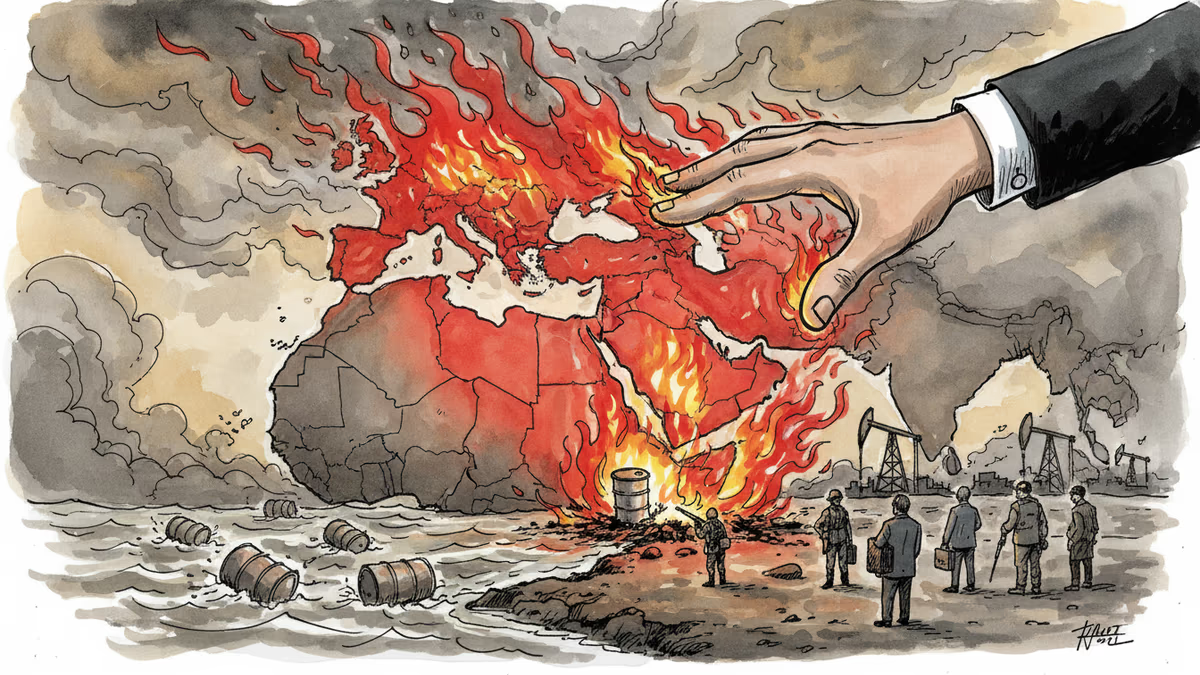
Trump says the Iran war will end 'soon' after 12 days of Operation Epic Fury. Over 5,500 targets struck. But what comes after the bombs stop falling?
Defense Secretary Hegseth declared a turning point in the U.S.-Israel war against Iran, refusing to rule out ground operations. What happens next — and who pays the price?
The IEA's record 412-million-barrel reserve release can calm oil markets short-term — but it leaves the US at its lowest reserve level since the 1980s. The real question is what comes after.
Trump delayed strikes on Iran's power plants after claiming "productive" talks — which Tehran promptly denied. With the Strait of Hormuz closed and oil prices rising, the world is watching a high-stakes gamble unfold.
Trump says the Iran war will end 'soon' after 12 days of Operation Epic Fury. Over 5,500 targets struck. But what comes after the bombs stop falling?
Thoughts
Share your thoughts on this article
Sign in to join the conversation