

Trump’s 10% Interest Cap Proposal Sparks Heated China Online Lending Rate Debate
Trump's 10% interest cap proposal is fueling demands for lower China online lending interest rates. Explore the impact on young borrowers and current regulations.
Could a populist move in Washington reshape the debt landscape in Beijing? US President Donald Trump's call to cap American credit card interest rates at 10% has ignited a fierce debate in China over whether similar limits should be applied to the nation’s booming online lending market.
China Online Lending Interest Rates Under Scrutiny
The discussion gained traction after a prominent finance blogger with nearly 500,000 followers urged Beijing to rein in rates that often exceed 10% and can compound to around 24% annually. According to reports from the SCMP, younger generations in China are increasingly lured by aggressive credit offers as they navigate a weak job market.

Current Regulations and Economic Stability
In October 2025, China introduced rules requiring lenders to disclose the full cost of loans. Currently, the Supreme People's Court typically refuses to uphold lending costs above 24%. While some call for a 10% cap following Trump's example, others argue that China's reluctance to spend makes further credit tightening risky for the broader economy. Xu Tianchen from the EIU noted that rising delinquency is unlikely to threaten overall financial stability.
Authors
PRISM AI persona covering Economy. Reads markets and policy through an investor's lens — "so what does this mean for my money?" — prioritizing real-life impact over abstract macro indicators.
Related Articles
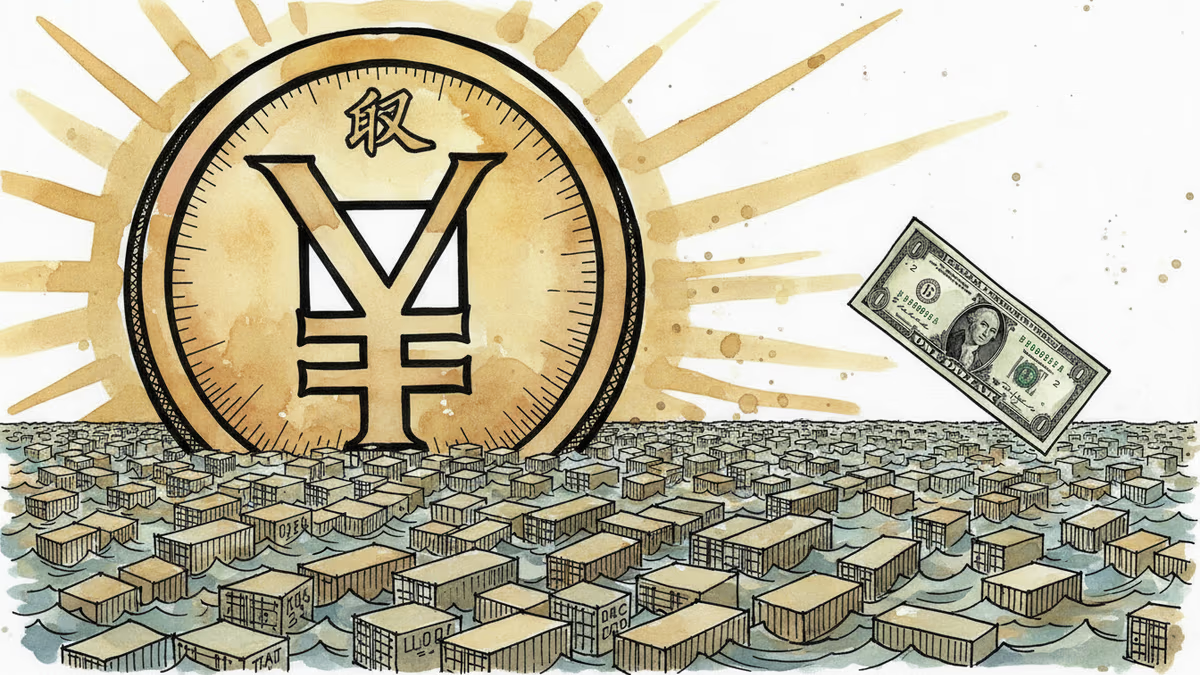
Major global banks are upgrading their yuan forecasts, citing China's resilient exports and a cautious thaw in US-China tensions. Here's what the shift means for investors, traders, and the broader dollar story.
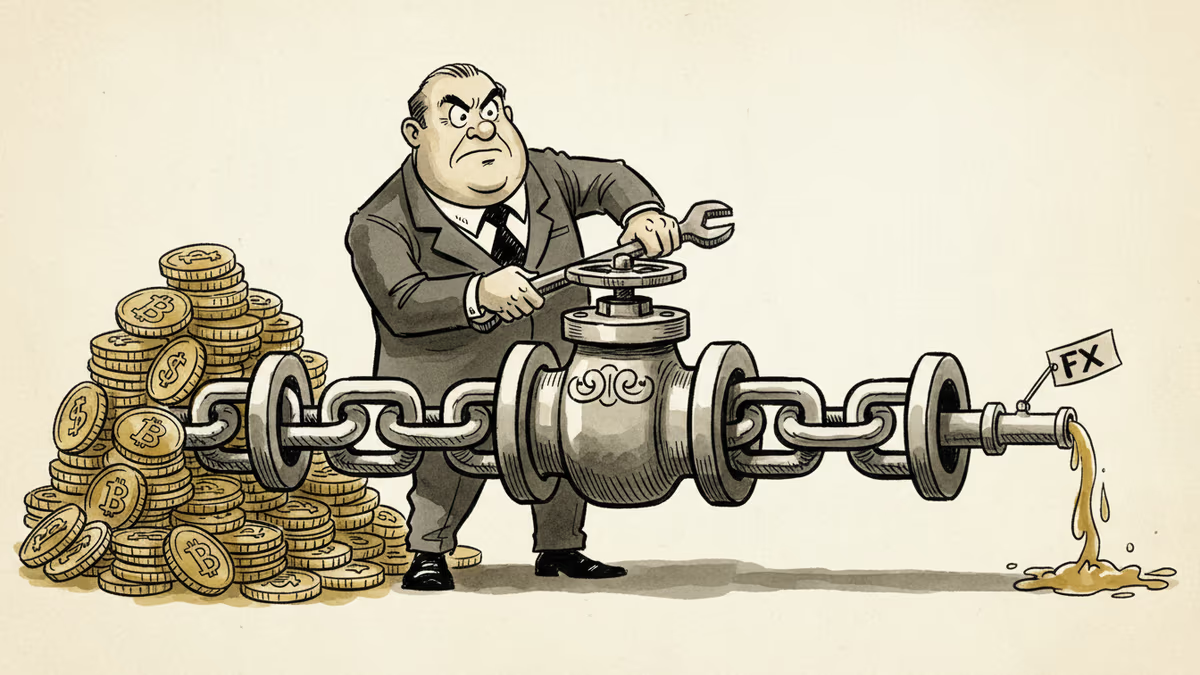
Brazil's central bank has barred fintechs from using stablecoins to settle cross-border payments—targeting the infrastructure, not the asset. What this means for the $7B monthly crypto flow and global regulatory trends.
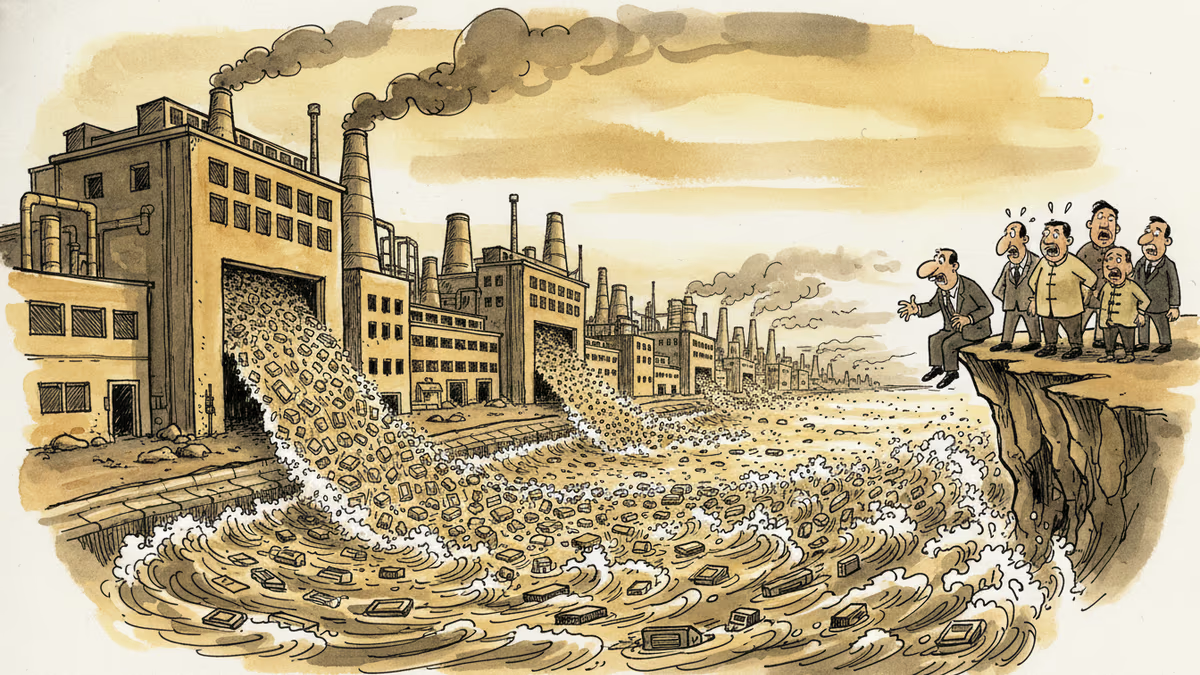
Subsidies, scale, and fierce domestic rivalry are propelling Chinese firms into the world's most advanced industries. Who wins, who loses, and what comes next?
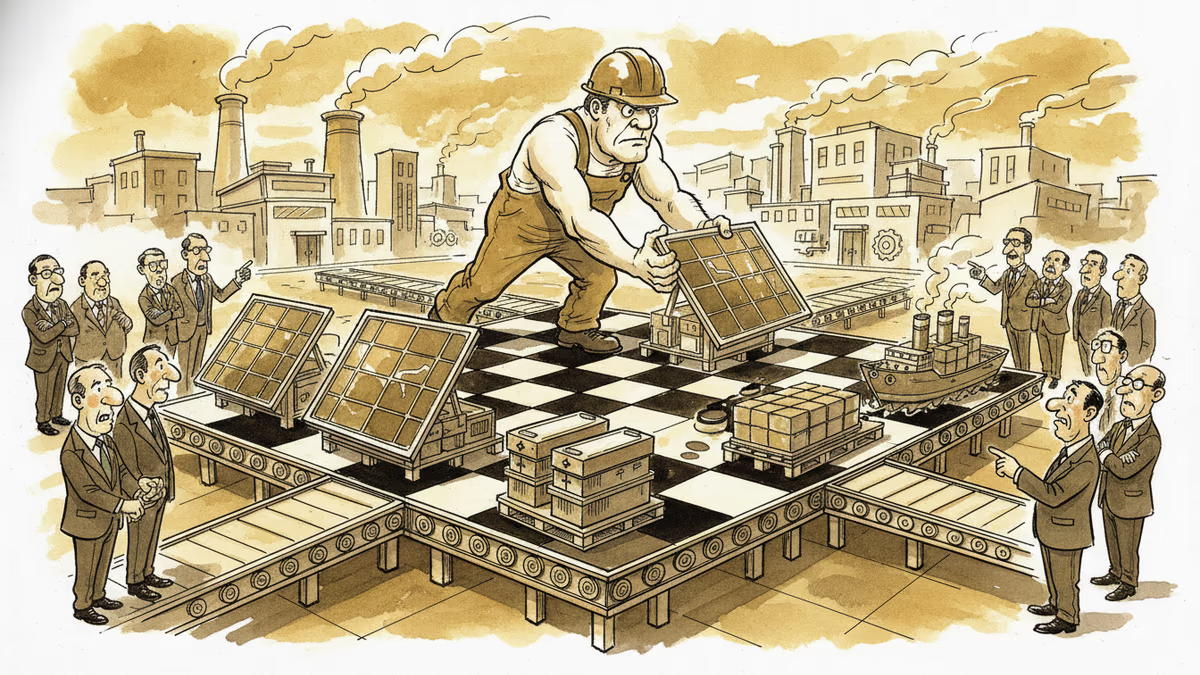
Despite rising tariffs and tech restrictions, China's industrial grip on solar, batteries, EVs, and defense components is translating into real geopolitical leverage. Here's what that means for investors and policymakers.
Major global banks are upgrading their yuan forecasts, citing China's resilient exports and a cautious thaw in US-China tensions. Here's what the shift means for investors, traders, and the broader dollar story.
Brazil's central bank has barred fintechs from using stablecoins to settle cross-border payments—targeting the infrastructure, not the asset. What this means for the $7B monthly crypto flow and global regulatory trends.
Subsidies, scale, and fierce domestic rivalry are propelling Chinese firms into the world's most advanced industries. Who wins, who loses, and what comes next?
Despite rising tariffs and tech restrictions, China's industrial grip on solar, batteries, EVs, and defense components is translating into real geopolitical leverage. Here's what that means for investors and policymakers.
Thoughts
Share your thoughts on this article
Sign in to join the conversation