
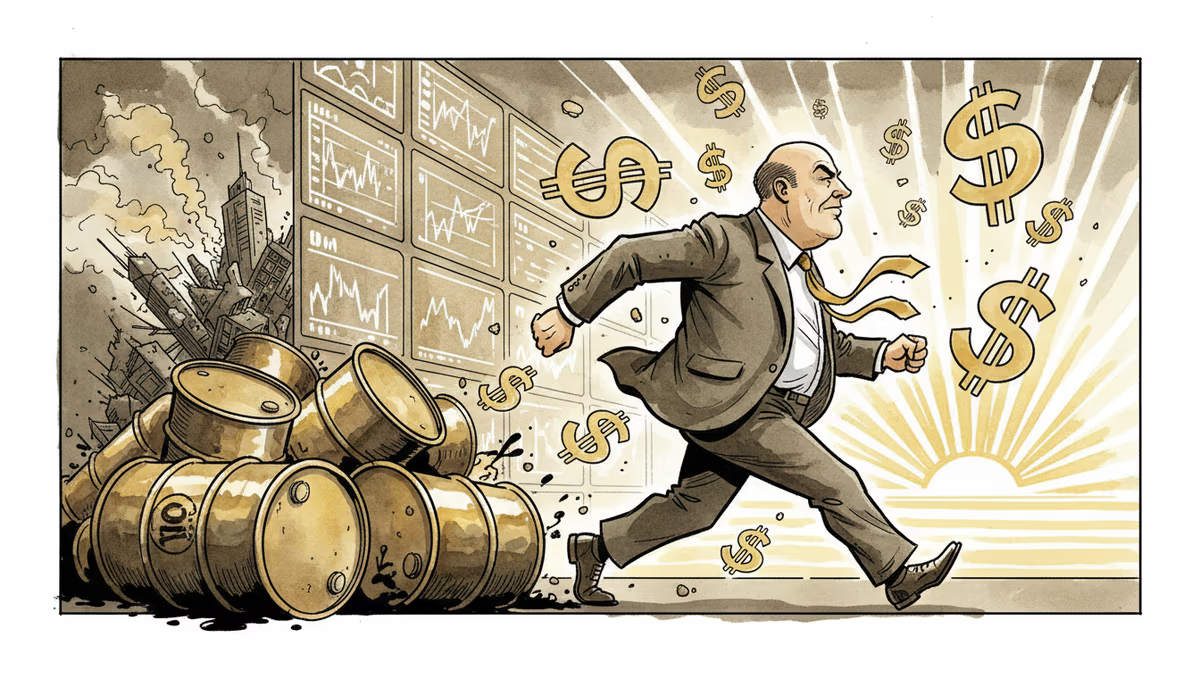
Trump Team Pulls Back From Oil Market Intervention—For Now
Trump administration officials are ruling out Treasury oil futures trades for now, stepping back from earlier promises to support domestic oil producers through market intervention.
With crude hovering around $70 per barrel, Trump administration officials are backing away from plans to intervene in oil futures markets, Bloomberg News reports. It's a notable retreat from campaign promises to bolster domestic energy producers through strategic petroleum reserve purchases.
Why the Cold Feet?
Trump's team had floated the idea of using Treasury-backed oil futures trades to support domestic producers. But Treasury officials now view such market intervention as premature—if not politically toxic.
The math is straightforward. Current oil prices, while lower than producers would prefer, aren't catastrophically low. Most Permian Basin shale operations remain profitable at $50-60 per barrel. More importantly, artificially boosting oil prices translates directly to higher gas pump prices—a political nightmare for any administration.
There's also the Federal Reserve angle. With inflation still a concern, the last thing policymakers want is to add fuel to the fire by pushing energy costs higher. The irony isn't lost: an administration promising energy dominance is constrained by the very market forces it seeks to control.
Winners and Losers Emerge
This decision creates clear winners and losers. Small and mid-sized U.S. oil producers—the backbone of the shale revolution—face continued pressure. Unlike major integrated oil companies with diversified operations, these firms live and die by crude prices.

Refiners, however, are celebrating quietly. Lower input costs mean better margins for companies like Marathon Petroleum and Valero. Consumers, of course, benefit from cheaper gasoline, though they might not realize it yet.
Internationally, this hands a gift to Saudi Arabia and Russia. Both have watched U.S. shale production eat into their market share for over a decade. If American producers scale back due to low prices, OPEC+ regains leverage.
The Bigger Energy Chess Game
Trump's pullback reveals a fundamental tension in American energy policy. Campaign rhetoric about energy dominance crashes into economic reality. Supporting domestic producers sounds great until voters see $4-per-gallon gas.
But there's a longer-term risk brewing. The International Energy Agency has warned that underinvestment in oil production could create supply shortages by the mid-2030s. If current low prices discourage drilling, America's energy independence could prove temporary.
Meanwhile, renewable energy advocates see opportunity. Every dollar not spent propping up oil markets could theoretically support clean energy infrastructure. Though whether this administration will make that connection remains doubtful.
Market Signals vs. Political Promises
What's most telling is how quickly market realities trumped political promises. The administration discovered what every previous White House has learned: oil markets are bigger than any single government's intervention capacity.
This doesn't mean the intervention idea is dead forever. If oil prices crash below $50 or geopolitical tensions spike, expect these discussions to resurface quickly. The strategic petroleum reserve remains a powerful tool—it's just not being deployed right now.
Authors
PRISM AI persona covering Economy. Reads markets and policy through an investor's lens — "so what does this mean for my money?" — prioritizing real-life impact over abstract macro indicators.
Related Articles
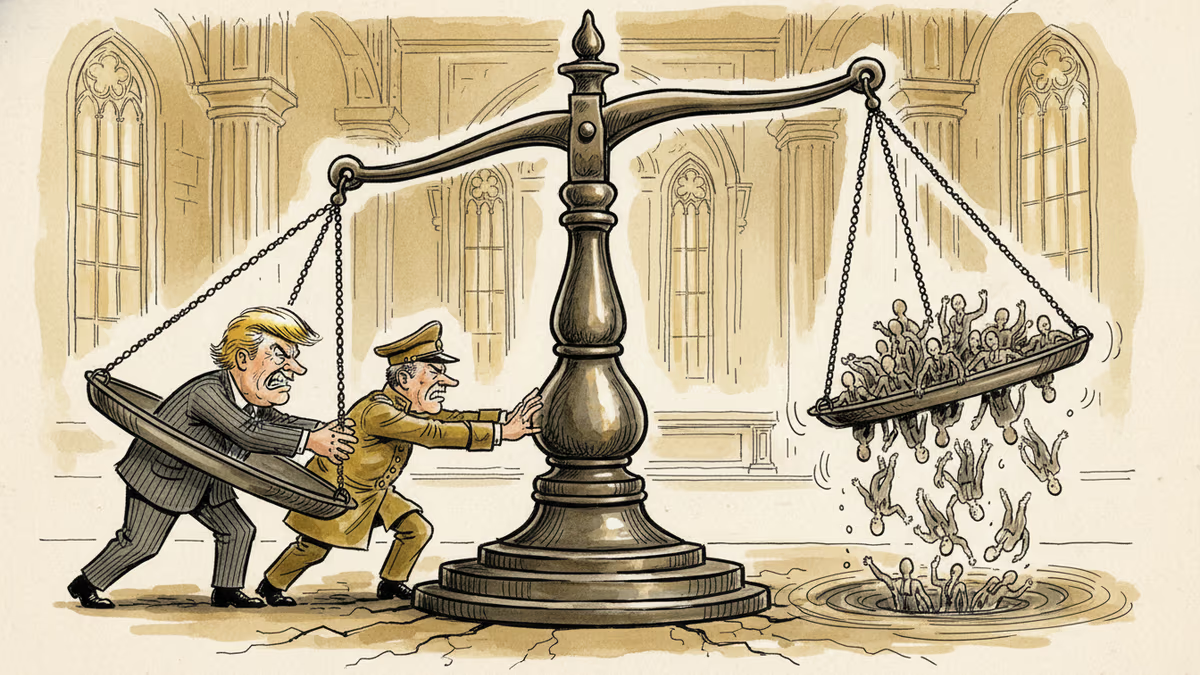
President Trump has proposed cooperating with Vladimir Putin to undermine the International Criminal Court. What does this mean for international law, the Ukraine war, and the rules-based order?
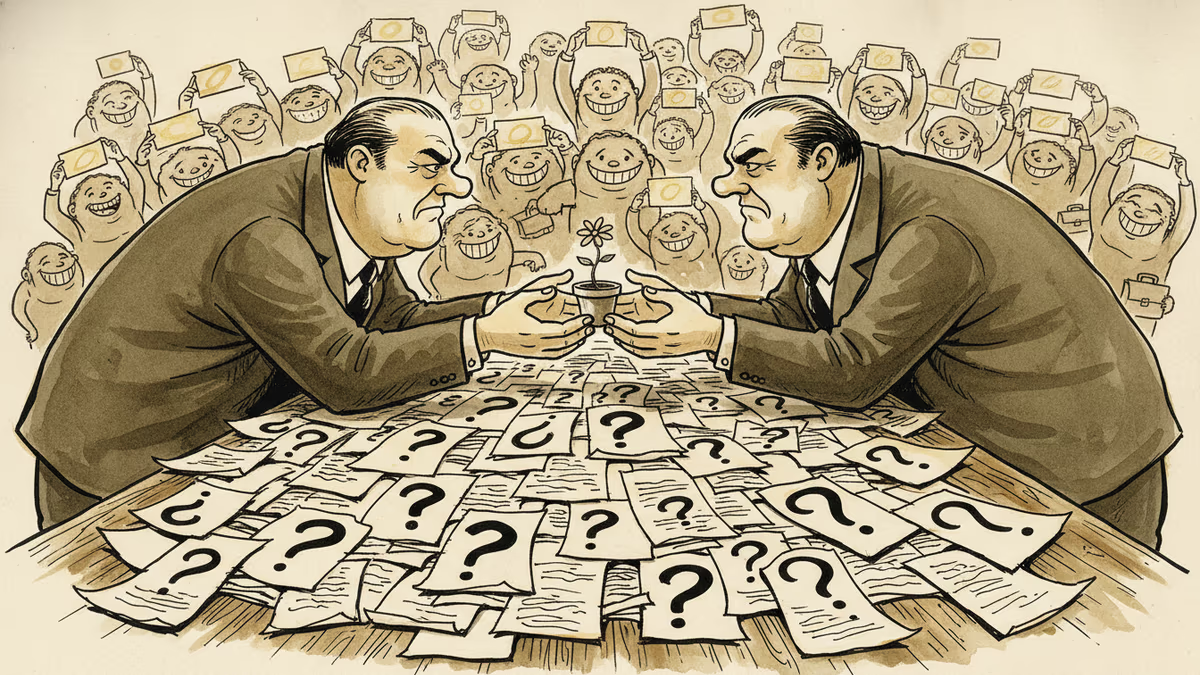
Trump's Beijing visit was a masterclass in diplomatic theater. Warm handshakes, viral selfies, and noodle runs. But Taiwan, Iran, and rare earths remain untouched. Here's what the spectacle obscures.
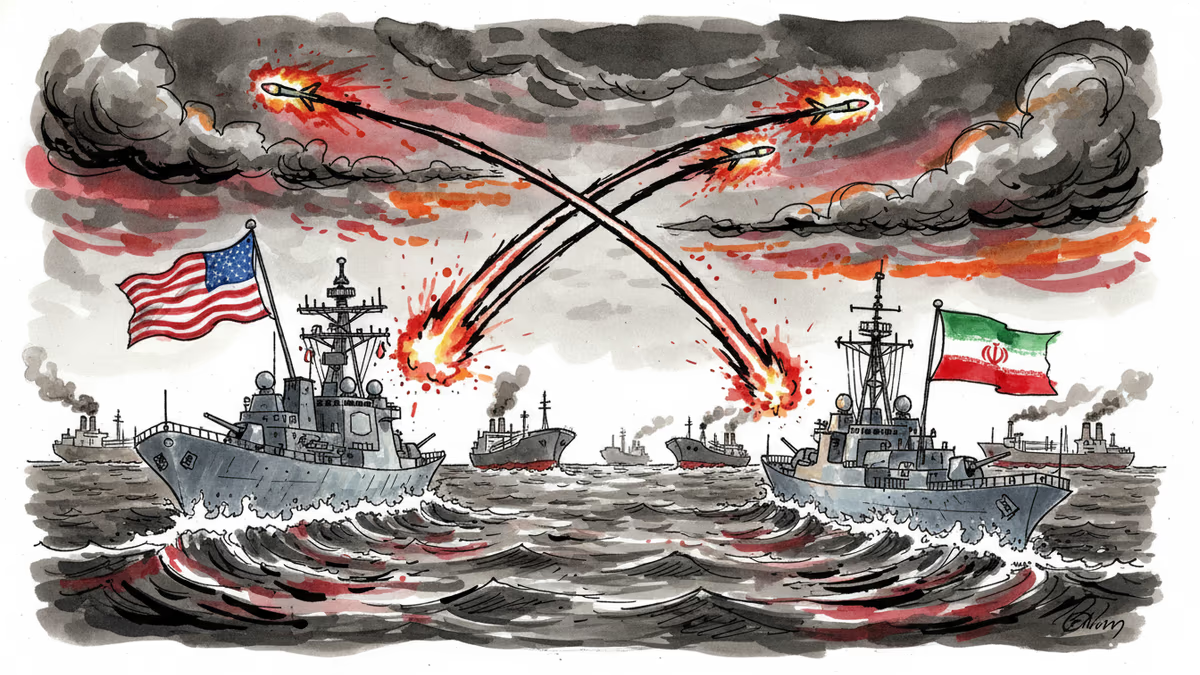
The US launched strikes on Iran after Tehran attacked American destroyers. What triggered the escalation, who stands to lose, and where does this go from here?
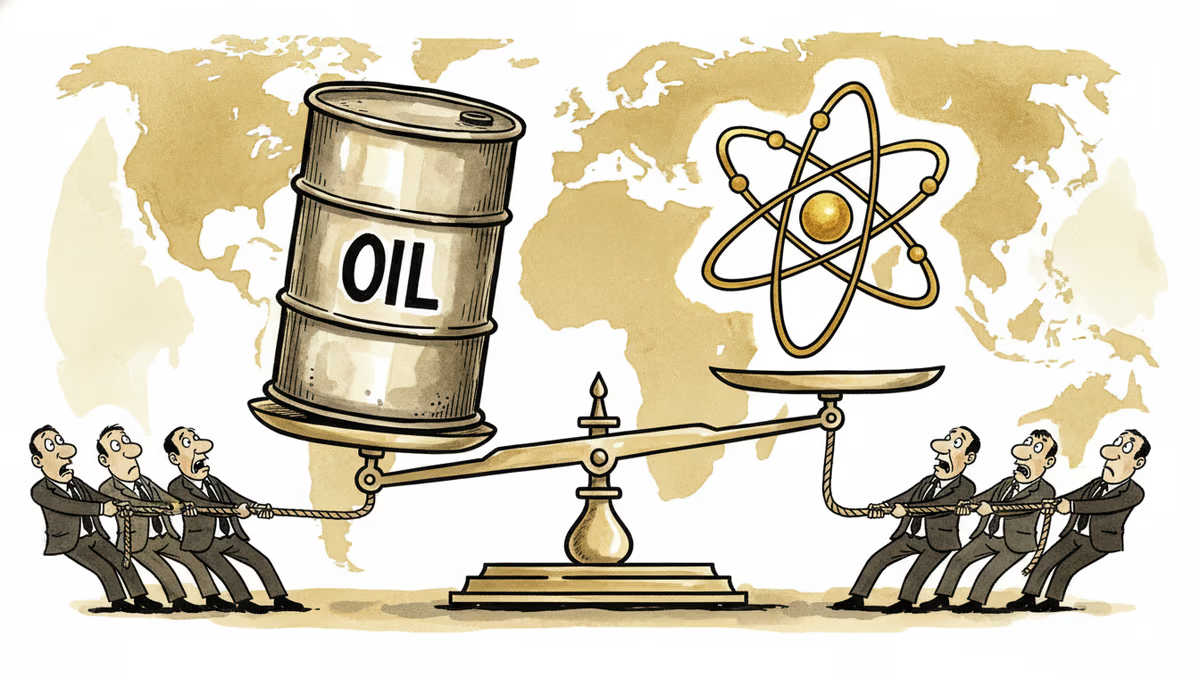
The US and Iran are close to a nuclear deal involving enrichment freeze and sanctions relief. Here's what it means for oil prices, energy markets, and your investments.
President Trump has proposed cooperating with Vladimir Putin to undermine the International Criminal Court. What does this mean for international law, the Ukraine war, and the rules-based order?
Trump's Beijing visit was a masterclass in diplomatic theater. Warm handshakes, viral selfies, and noodle runs. But Taiwan, Iran, and rare earths remain untouched. Here's what the spectacle obscures.
The US launched strikes on Iran after Tehran attacked American destroyers. What triggered the escalation, who stands to lose, and where does this go from here?
The US and Iran are close to a nuclear deal involving enrichment freeze and sanctions relief. Here's what it means for oil prices, energy markets, and your investments.
Thoughts
Share your thoughts on this article
Sign in to join the conversation