
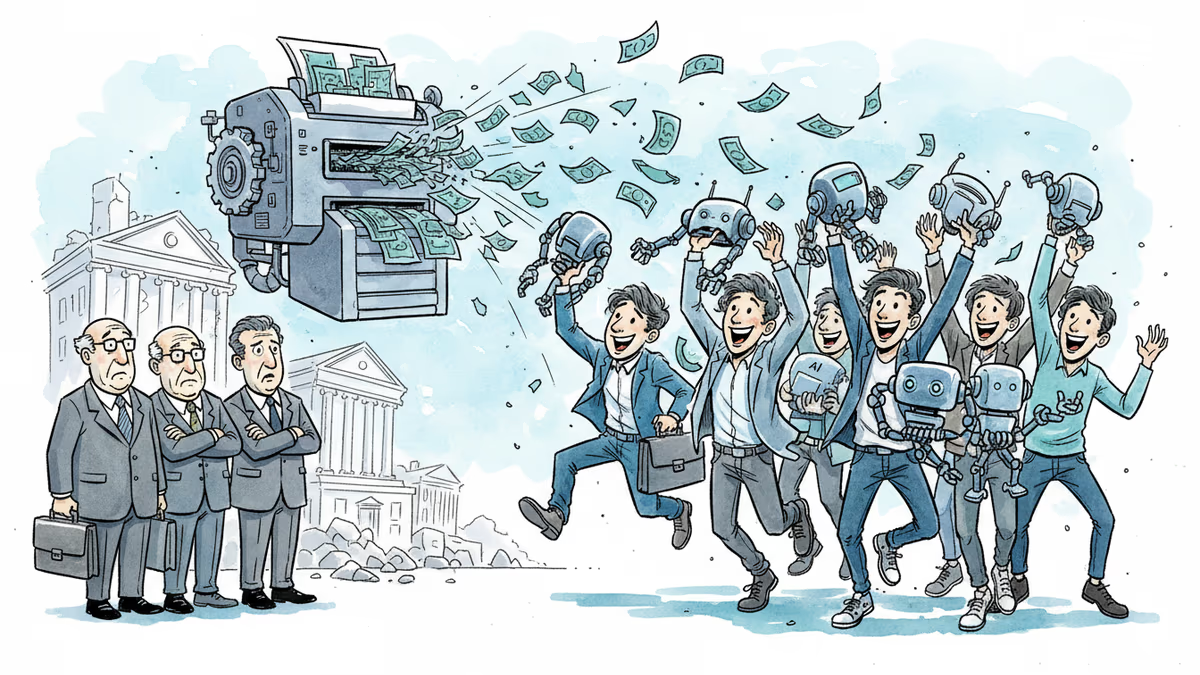
$2 Trillion in 76 Days: What AI's Funding Frenzy Really Means
20 US AI startups raised $100M+ rounds in just 76 days of 2026. After $76B in megarounds last year, is this sustainable growth or dangerous speculation?
$2 Trillion Moved in 76 Days
The AI funding machine hasn't slowed down—it's accelerated. In just 76 days of 2026, 20 US-based AI startups have raised rounds of $100 million or more. Last year's $76 billion in AI megarounds was already unprecedented. This year might dwarf it.
The numbers are staggering. Anthropic secured $30 billion at a $380 billion valuation. xAI grabbed $20 billion before being acquired by SpaceX. Even humans&, founded mere months ago, raised a $480 million seed round at a $4.48 billion valuation.
But behind these eye-watering figures lies a more complex story about fear, opportunity, and the race for AI dominance.
Investors: "We Can't Miss This Again"
Silicon Valley has FOMO. Many VCs who sat out the 2023 ChatGPT boom are now scrambling to make up for lost ground. The conservative funds that called AI a "bubble" are watching Nvidia, Google Ventures, and Sequoia reap massive returns.
"The fear of missing out is driving valuations to crazy levels," admits one partner at a top-tier fund. "But the fear of missing the next OpenAI is even stronger."
This psychological shift explains why startups like Inferact can raise $150 million at an $800 million valuation just months after founding. Traditional due diligence timelines have compressed from months to weeks.

The Ecosystem Play
What makes this funding wave different is who's writing the checks. Nvidia appears as an investor in multiple rounds, not just for returns but for strategic positioning. Cloud giants like Google and Microsoft are backing startups that will inevitably become their customers.
This creates a self-reinforcing cycle. Startups get funding and computing credits, cloud providers get guaranteed revenue, and chip makers get demand for their hardware. Everyone wins—until they don't.
The Valuation Reality Check
Anthropic at $380 billion is worth more than most Fortune 500 companies, despite generating minimal revenue. Arena, valued at $1.7 billion after one year, operates in the niche market of LLM evaluation. Are these numbers justified?
The bulls argue yes. AI's potential market is so vast that today's valuations might look conservative in five years. The bears point to the dot-com bubble, when companies with no revenue commanded billion-dollar valuations.
History suggests both sides have a point. Some of today's AI darlings will become the next Google or Amazon. Others will join the graveyard of overhyped startups.
The Competitive Imperative
Behind the funding frenzy lies a brutal truth: AI development is a winner-take-all game. The best models require the best talent, the most compute power, and the deepest pockets. Fall behind by six months, and you might never catch up.
This explains why investors are willing to pay seemingly irrational prices. They're not just buying equity in startups—they're buying lottery tickets for the next phase of computing.
Authors
Related Articles
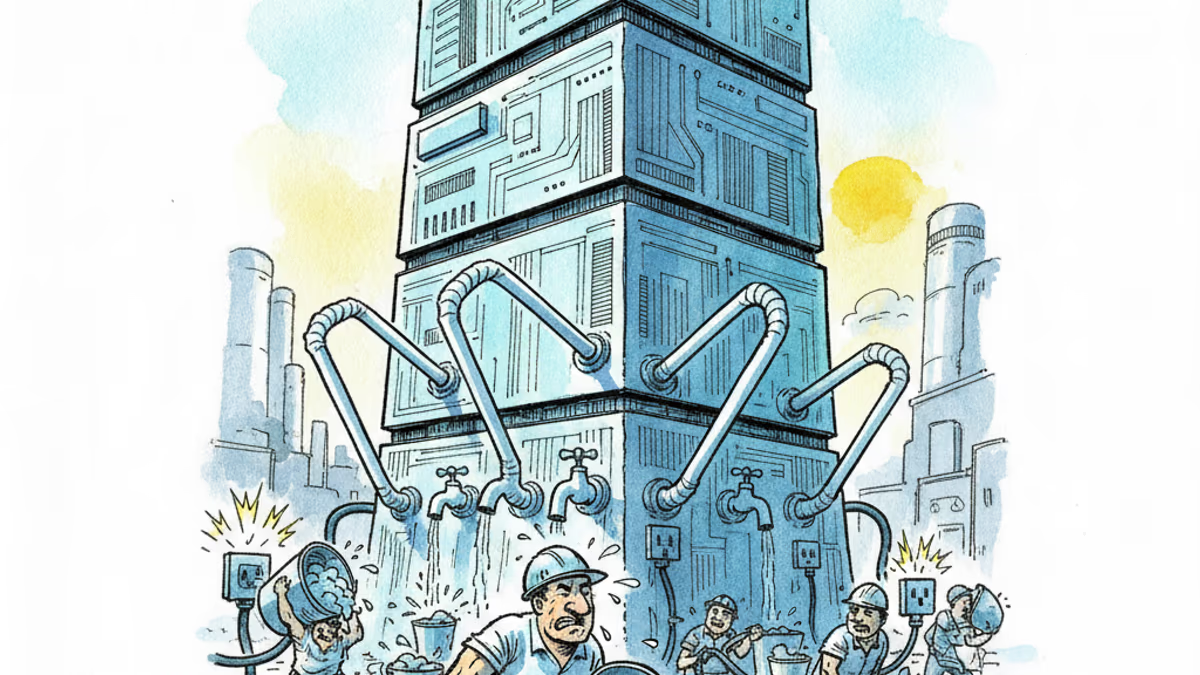
Samsung and SK unveiled a chip and AI investment package worth thousands of trillions of won on June 29. The headline number swings wildly by outlet, but the real contest isn't capital — it's water and power.
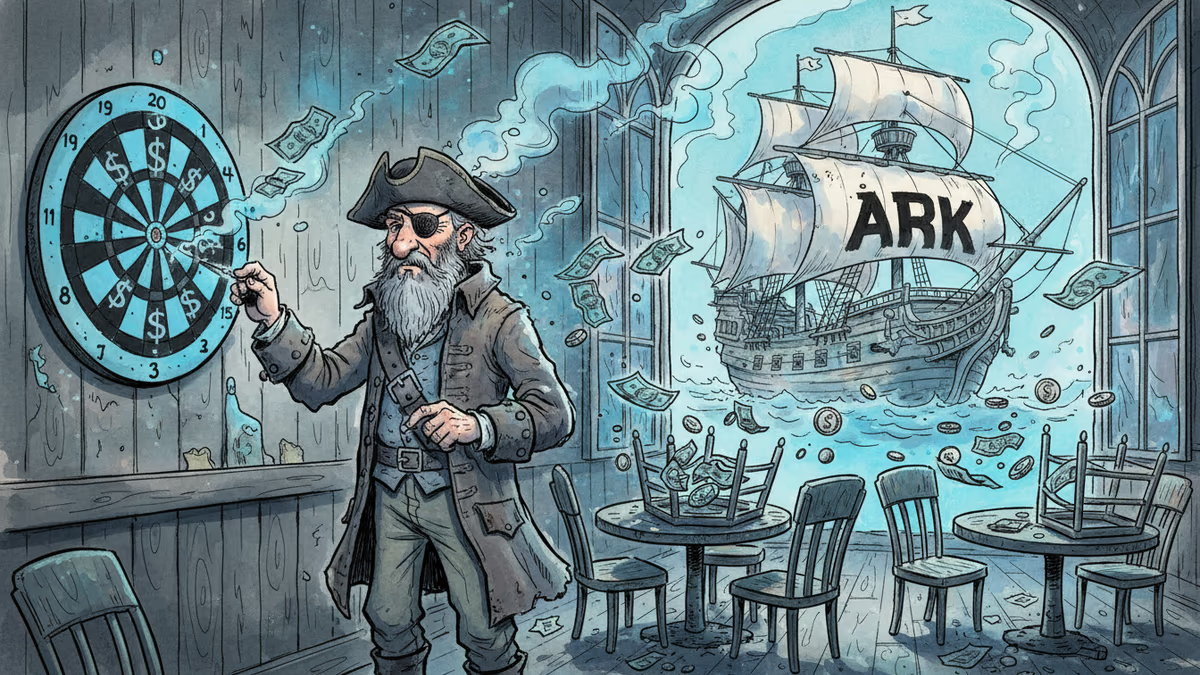
Lucra Sports CEO Dylan Robbins landed Cathie Wood's ARK Invest as a Series B lead without building AI. The story behind his unconventional fundraising playbook.
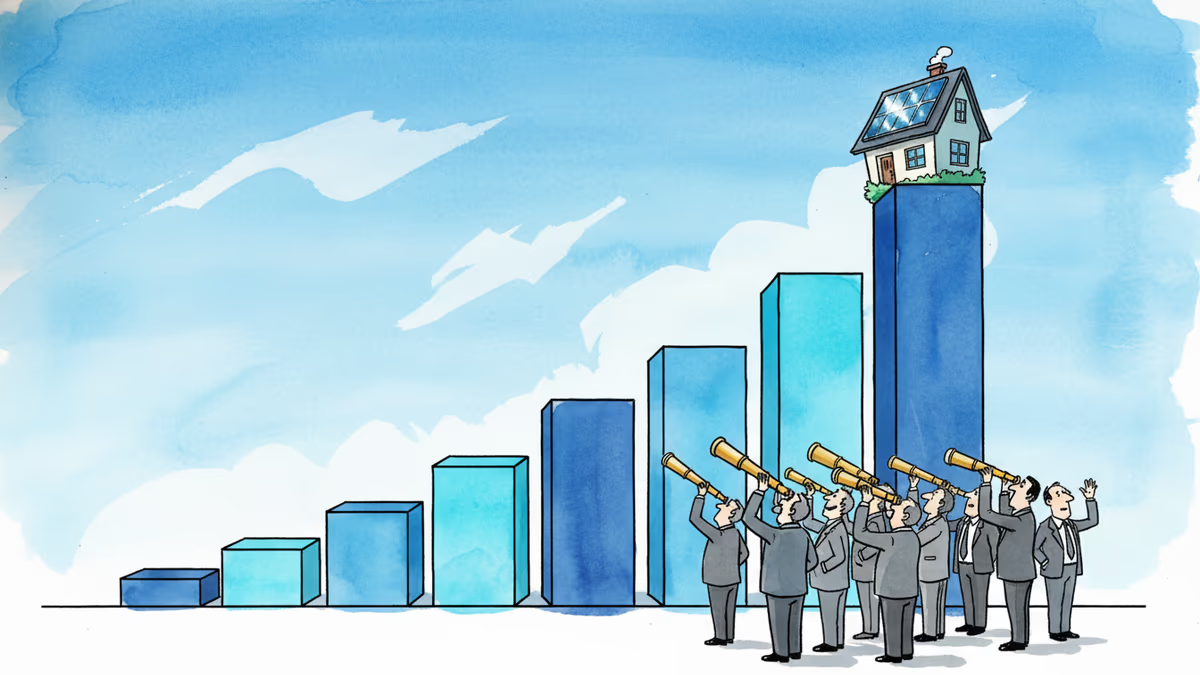
SolarSquare is raising $55-60M at a $450-500M valuation, more than doubling its worth in 18 months. Here's what's driving investor conviction in India's residential solar market.
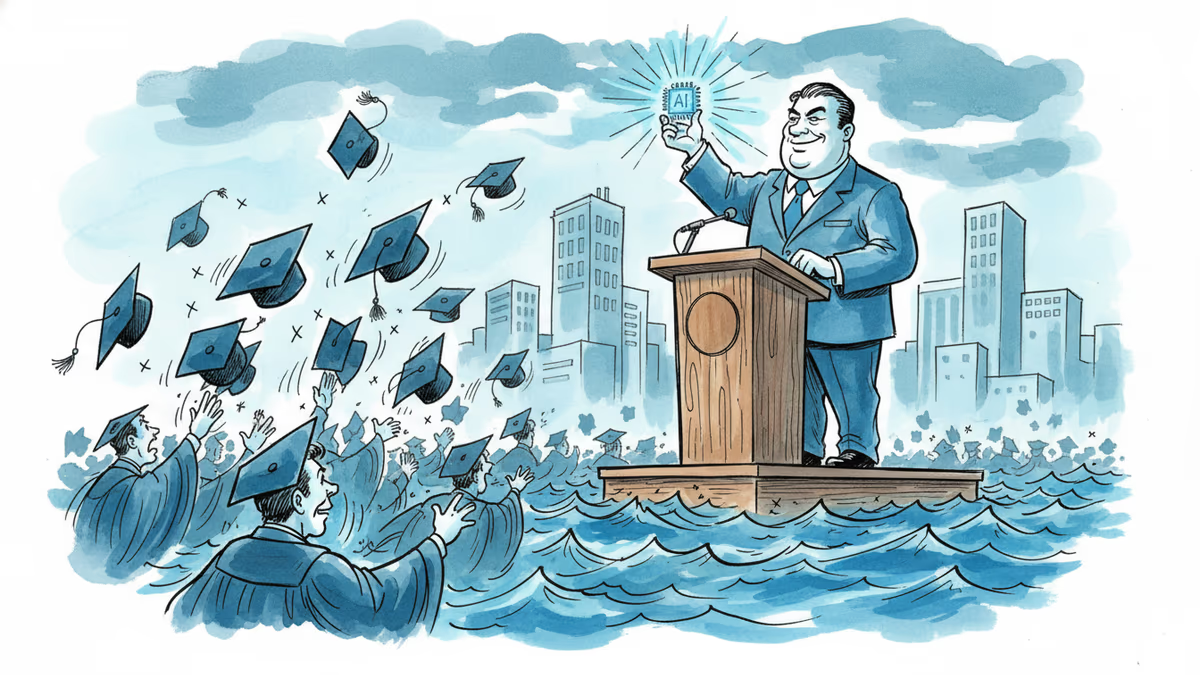
Viral videos show 2026 graduates jeering executives who praise AI at commencement ceremonies. It's not just rudeness — it's a signal about who pays for technological optimism.
Samsung and SK unveiled a chip and AI investment package worth thousands of trillions of won on June 29. The headline number swings wildly by outlet, but the real contest isn't capital — it's water and power.
Lucra Sports CEO Dylan Robbins landed Cathie Wood's ARK Invest as a Series B lead without building AI. The story behind his unconventional fundraising playbook.
SolarSquare is raising $55-60M at a $450-500M valuation, more than doubling its worth in 18 months. Here's what's driving investor conviction in India's residential solar market.
Viral videos show 2026 graduates jeering executives who praise AI at commencement ceremonies. It's not just rudeness — it's a signal about who pays for technological optimism.
Thoughts
Share your thoughts on this article
Sign in to join the conversation