
Tinder's AI Gamble: Can Algorithms Cure Swipe Fatigue?
Tinder introduces Chemistry, an AI feature replacing endless swiping with targeted recommendations. Analyzing the shift from choice illusion to algorithmic matchmaking in dating apps.
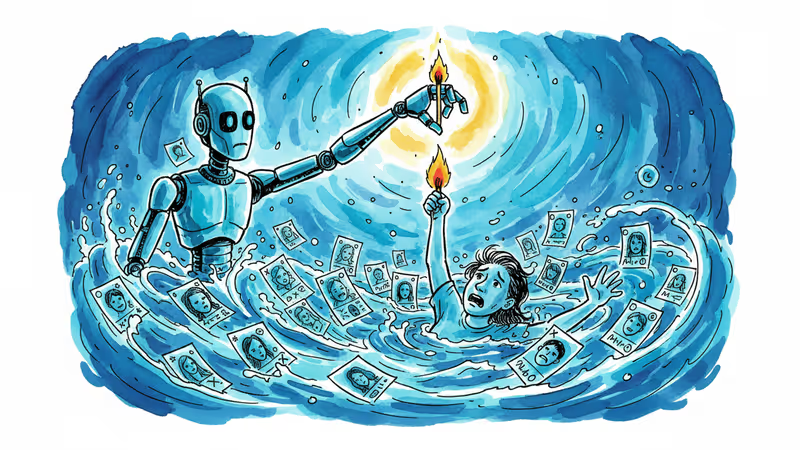
Nine percent. That's how much Tinder's monthly active users dropped year-over-year in Q4 2026. New registrations fell 5%. The app that once revolutionized dating by making it as easy as swiping right is now fighting for relevance in a market saturated with burned-out users and declining engagement.
Match Group's answer? An AI feature called Chemistry that promises to replace mindless swiping with meaningful connections.
From Infinite Scroll to AI Curation
Chemistry represents a fundamental shift in how Tinder approaches matchmaking. Instead of presenting users with an endless stream of profiles, the AI asks questions and—with permission—analyzes users' camera rolls to understand their interests and personality. The result: "just a single drop or two, rather than swiping through many, many profiles," as CEO Spencer Rascoff explained during Match's Q4 earnings call.
Currently testing only in Australia, Chemistry hints at Tinder's broader strategy to combat "swipe fatigue"—the phenomenon where users become overwhelmed by the sheer volume of profiles they must evaluate. This isn't just a Tinder problem; the entire dating app ecosystem faces declining subscribers, user burnout, and fewer new sign-ups.
The company's pivot comes at a critical time. Dating apps have created what behavioral economists call "choice overload"—when too many options lead to decision paralysis and decreased satisfaction. Tinder's swipe mechanism, once innovative, now feels like digital labor to many users.
The Illusion of Infinite Choice

Tinder's original swipe model created a powerful psychological hook: the illusion of unlimited romantic possibilities. Users believed they were choosing from an endless pool of potential matches. Reality, however, was more constrained. Matches required mutual interest, conversations often fizzled, and actual meetups remained rare.
This "choice paradox" may explain why Tinder is seeing improvements from AI-driven changes to the order of profiles shown to women and other algorithmic tweaks. The company reported that these modifications contributed to slight improvements in user metrics over previous quarters.
Match is betting that Gen Z users—who increasingly value authenticity, relevance, and trust—will prefer curated recommendations over infinite options. The company is redesigning its discovery features to be "less repetitive" and implementing tools like Face Check, a facial recognition verification system that reduced interactions with bad actors by more than 50%.
Marketing the 'Cool' Factor Back
Beyond technology, Match is committing $50 million to Tinder marketing, including creator campaigns on TikTok and Instagram where influencers will claim "Tinder is cool again." This marketing push acknowledges a harsh reality: many young users now view Tinder as dated, even obsolete.
The financial stakes are significant. While Match beat Q4 expectations with $878 million in revenue and 83 cents earnings per share, weak guidance sent shares tumbling before recovering in pre-market trading. The company needs Chemistry and similar innovations to work—not just technically, but culturally.
The Algorithmic Love Question
Tinder's shift toward AI curation raises profound questions about modern romance. If algorithms can predict what we'll buy, watch, or read, can they predict whom we'll love? The company seems to think so, but early results from Australia will be crucial.
There's also the privacy consideration. Chemistry requires access to users' photos and answers to personal questions—data that could reveal intimate details about preferences, lifestyle, and personality. In an era of increasing privacy concerns, will users trade personal data for better matches?
Authors
Related Articles
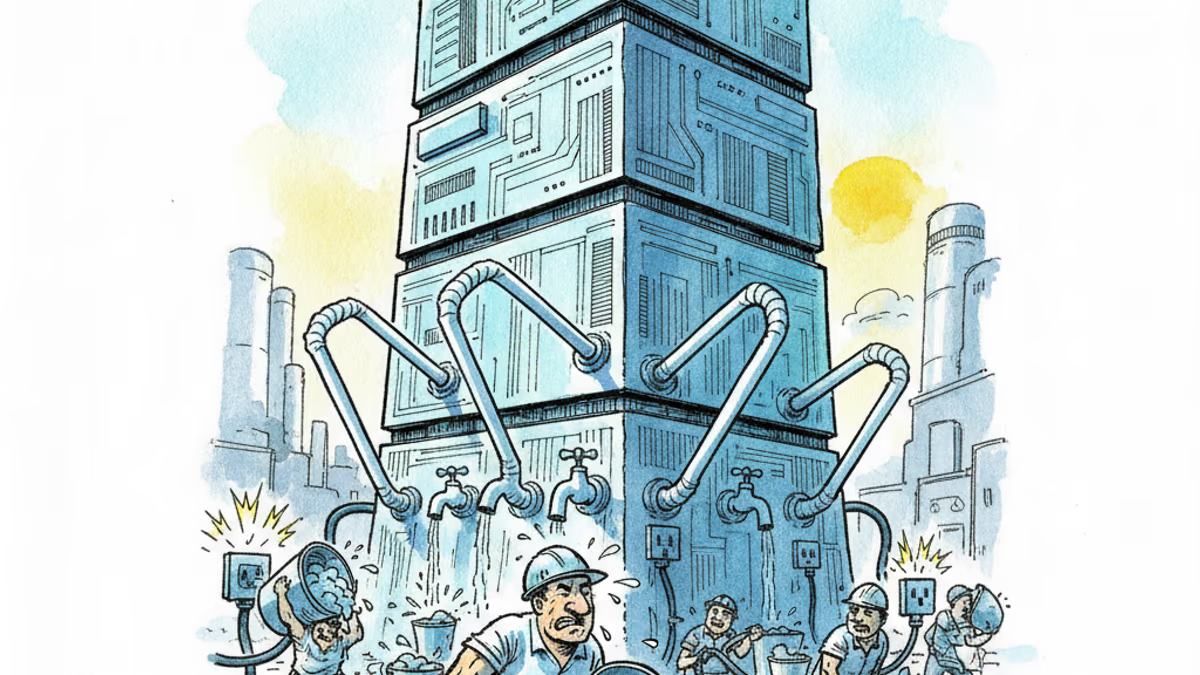
Samsung and SK unveiled a chip and AI investment package worth thousands of trillions of won on June 29. The headline number swings wildly by outlet, but the real contest isn't capital — it's water and power.
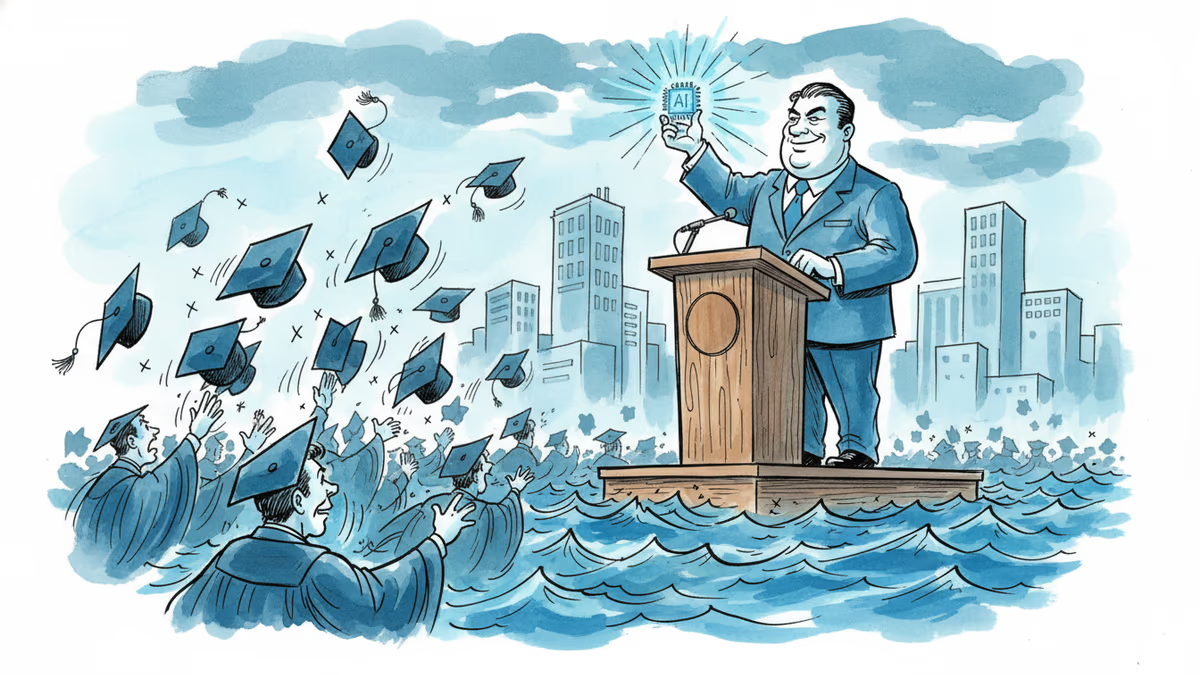
Viral videos show 2026 graduates jeering executives who praise AI at commencement ceremonies. It's not just rudeness — it's a signal about who pays for technological optimism.
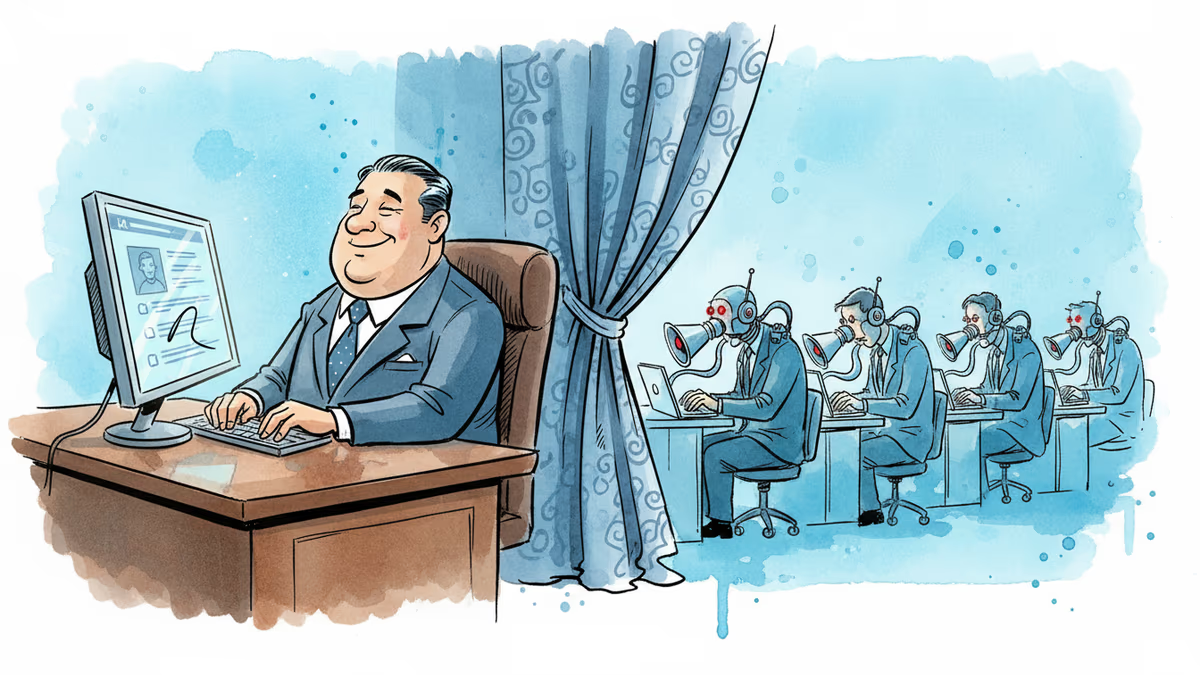
Filipino virtual assistants using AI to ghost-manage LinkedIn profiles for executives is now a structured industry. 30 comments a day, fake engagement rings, and a platform struggling to tell real from fabricated.
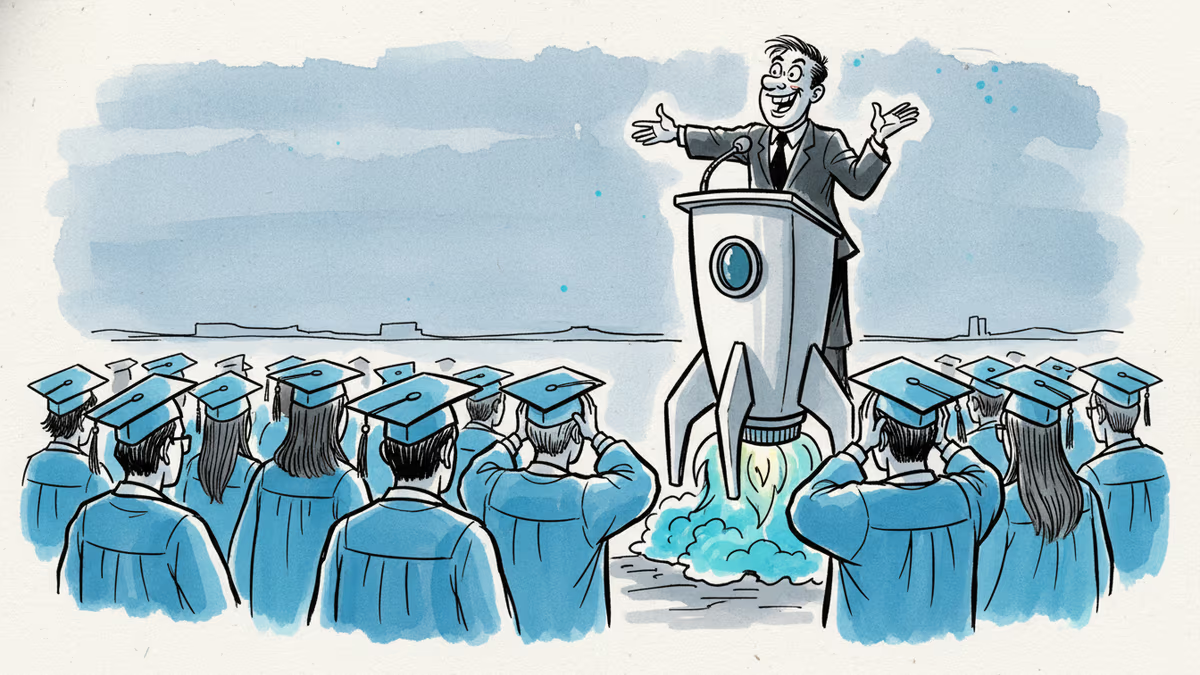
Two commencement speakers learned the hard way that AI enthusiasm doesn't land well with today's graduates. The backlash reveals a widening gap between tech optimism and Gen Z's economic reality.
Samsung and SK unveiled a chip and AI investment package worth thousands of trillions of won on June 29. The headline number swings wildly by outlet, but the real contest isn't capital — it's water and power.
Viral videos show 2026 graduates jeering executives who praise AI at commencement ceremonies. It's not just rudeness — it's a signal about who pays for technological optimism.
Filipino virtual assistants using AI to ghost-manage LinkedIn profiles for executives is now a structured industry. 30 comments a day, fake engagement rings, and a platform struggling to tell real from fabricated.
Two commencement speakers learned the hard way that AI enthusiasm doesn't land well with today's graduates. The backlash reveals a widening gap between tech optimism and Gen Z's economic reality.
Thoughts
Share your thoughts on this article
Sign in to join the conversation