

TikTok Privacy Policy 2026: Why Users are Panicking Over Sensitive Data Collection
TikTok's updated 2026 privacy policy has triggered widespread alarm over the collection of sensitive data like immigration status. Explore the legal reasons behind it.
TikTok's new ownership isn't the only thing changing. A massive wave of user panic is hitting the app over 'sensitive data' disclosures. Following an in-app alert about the updated privacy policy, users discovered language stating TikTok could collect details about their 'sexual orientation, immigration status, and religious beliefs.'
Decoding the TikTok Privacy Policy 2026 Concerns
The timing couldn't be worse. Amidst heightened immigration enforcement and economic protests in Minnesota, U.S. users are hyper-vigilant about government surveillance. According to TechCrunch, the revised document lists categories of sensitive information that the platform 'may' process—leading many to threaten account deletion.
| Category | Sensitive Data Examples | Legal Mandate |
|---|---|---|
| Identification | SSN, Driver's License, Passport | CCPA/CPRA |
| Demographics | Racial Origin, Religious Beliefs | CCPA |
| Personal Life | Sexual Life, Transgender Status | AB-947 |
| Biometrics | Neural Data, Genetic Data | California Law |

Legal Compliance vs. User Perception
Legal experts argue the backlash is a misunderstanding of regulatory requirements. Jennifer Daniels of Blank Rome explains that TikTok is simply meeting its obligations under the California Consumer Privacy Act (CCPA). Notably, immigration status was added to the 'sensitive' category on October 8, 2023, when Governor Gavin Newsom signed AB-947 into law.
TikTok is essentially saying that if you disclose something sensitive, that information becomes part of the content the platform technically 'collects.' Policies like this often look alarming because they're written for regulators, not consumers.
Authors
Related Articles
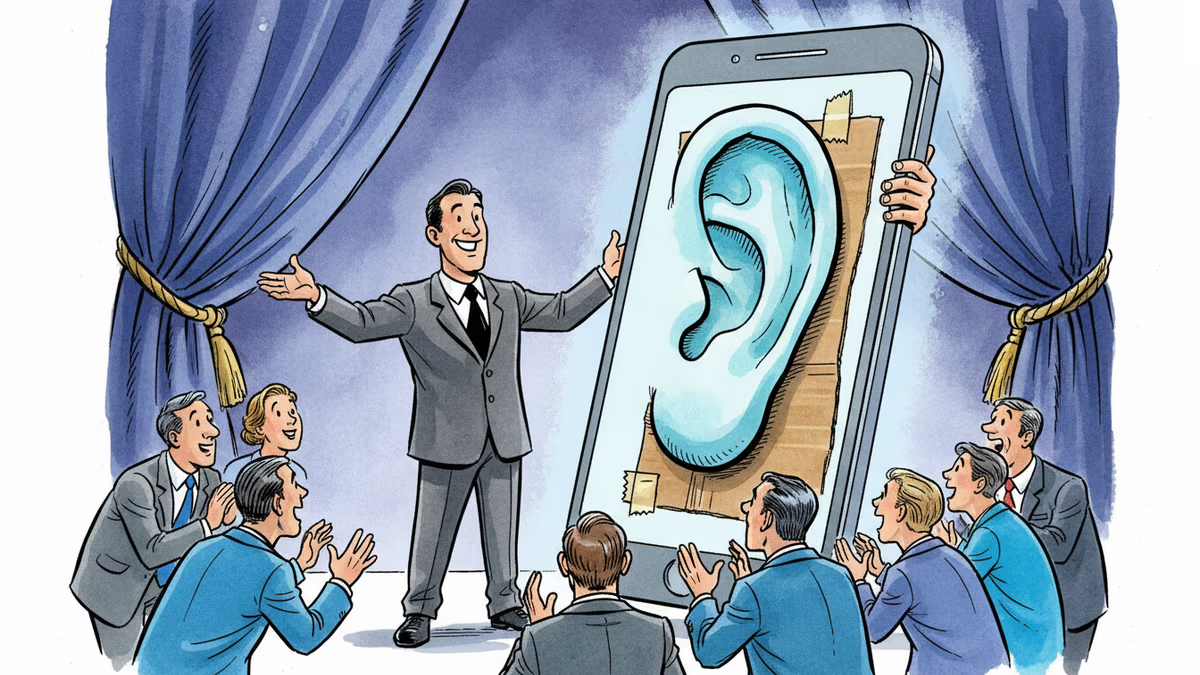
The FTC fined Cox Media and two ad firms $930,000 — not for actually eavesdropping on users, but for falsely claiming they could. The case raises uncomfortable questions about surveillance capitalism.
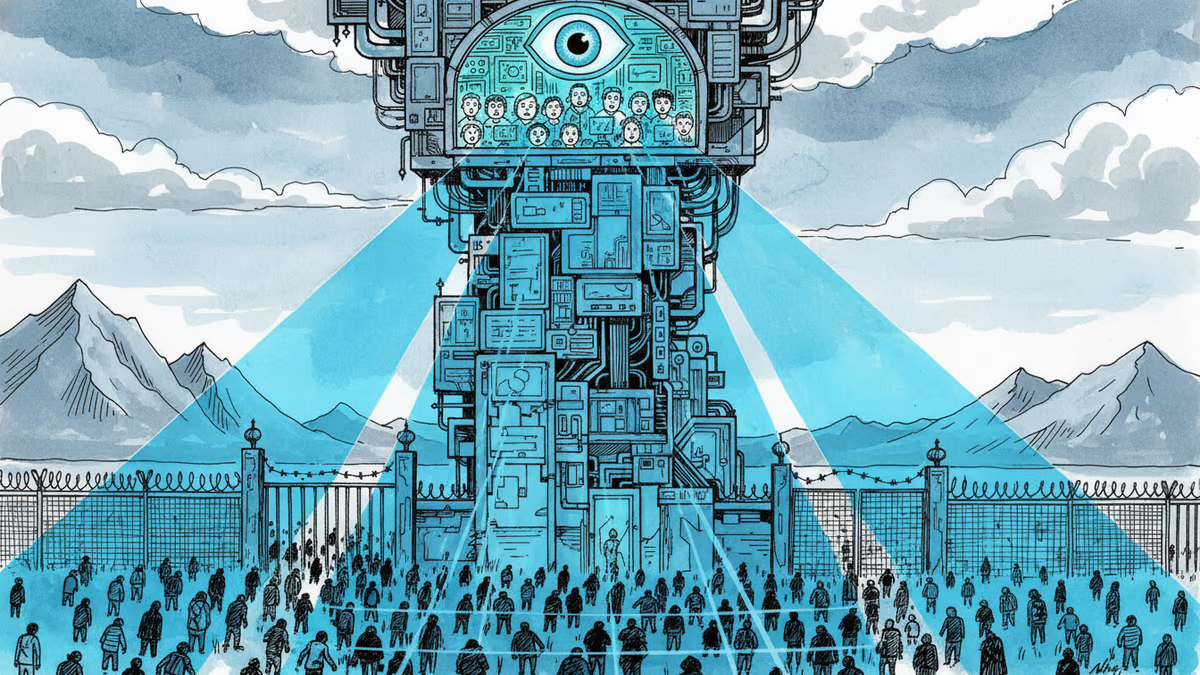
Palantir has become the tech backbone of Trump's immigration enforcement. Former employees are calling it a 'descent into fascism.' What happens when the people who build surveillance tools start asking uncomfortable questions?
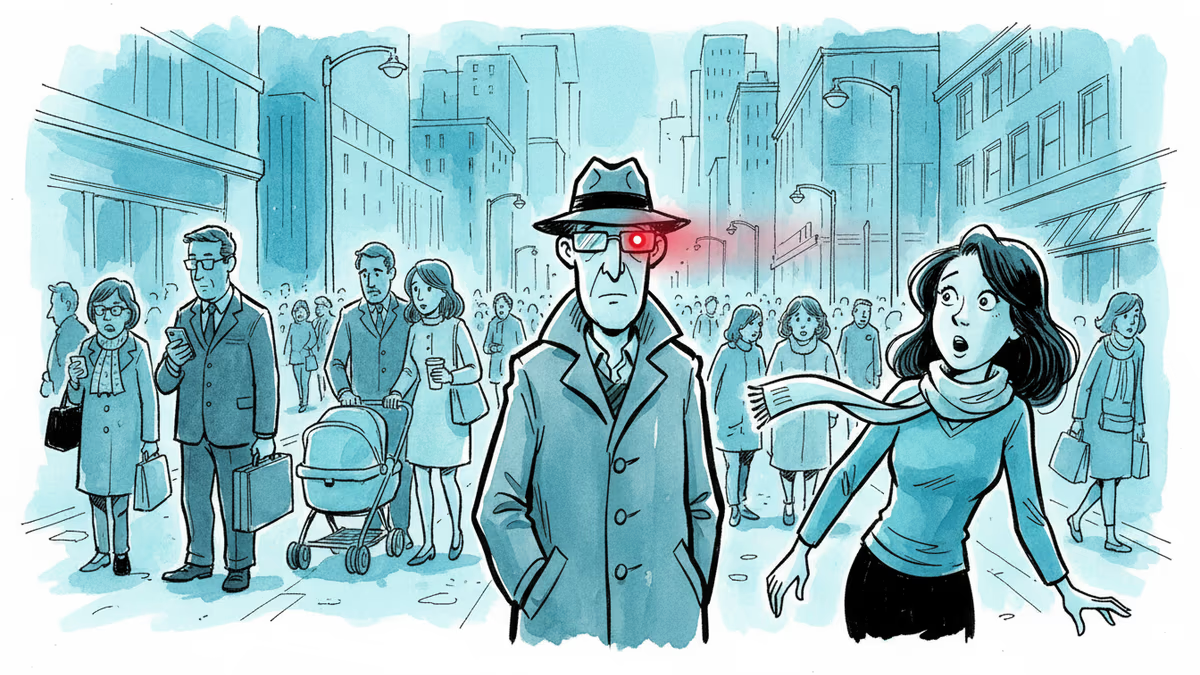
Meta Ray-Ban smart glasses sold 8 million units in 2025 alone. Now a black market for disabling their recording indicator lights is thriving—and lawmakers are alarmed about what comes next.
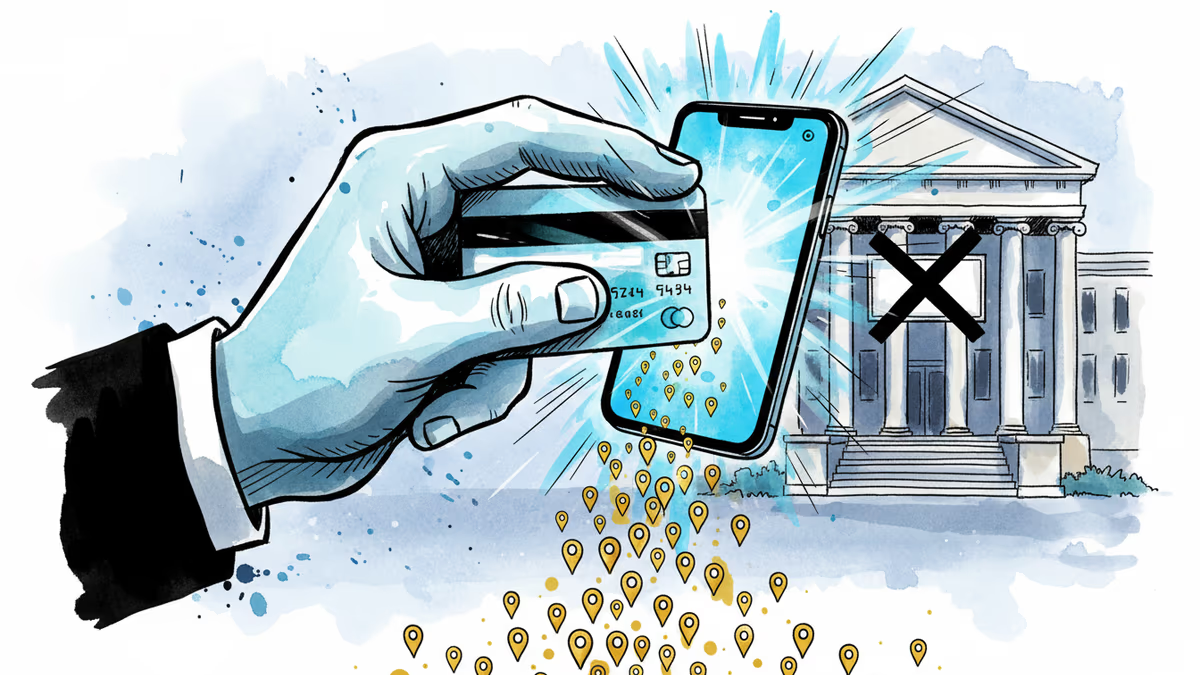
FBI Director Kash Patel confirmed the agency purchases Americans' location data from commercial brokers without a warrant. The admission raises urgent questions about the future of the Fourth Amendment.
The FTC fined Cox Media and two ad firms $930,000 — not for actually eavesdropping on users, but for falsely claiming they could. The case raises uncomfortable questions about surveillance capitalism.
Palantir has become the tech backbone of Trump's immigration enforcement. Former employees are calling it a 'descent into fascism.' What happens when the people who build surveillance tools start asking uncomfortable questions?
Meta Ray-Ban smart glasses sold 8 million units in 2025 alone. Now a black market for disabling their recording indicator lights is thriving—and lawmakers are alarmed about what comes next.
FBI Director Kash Patel confirmed the agency purchases Americans' location data from commercial brokers without a warrant. The admission raises urgent questions about the future of the Fourth Amendment.
Thoughts
Share your thoughts on this article
Sign in to join the conversation