
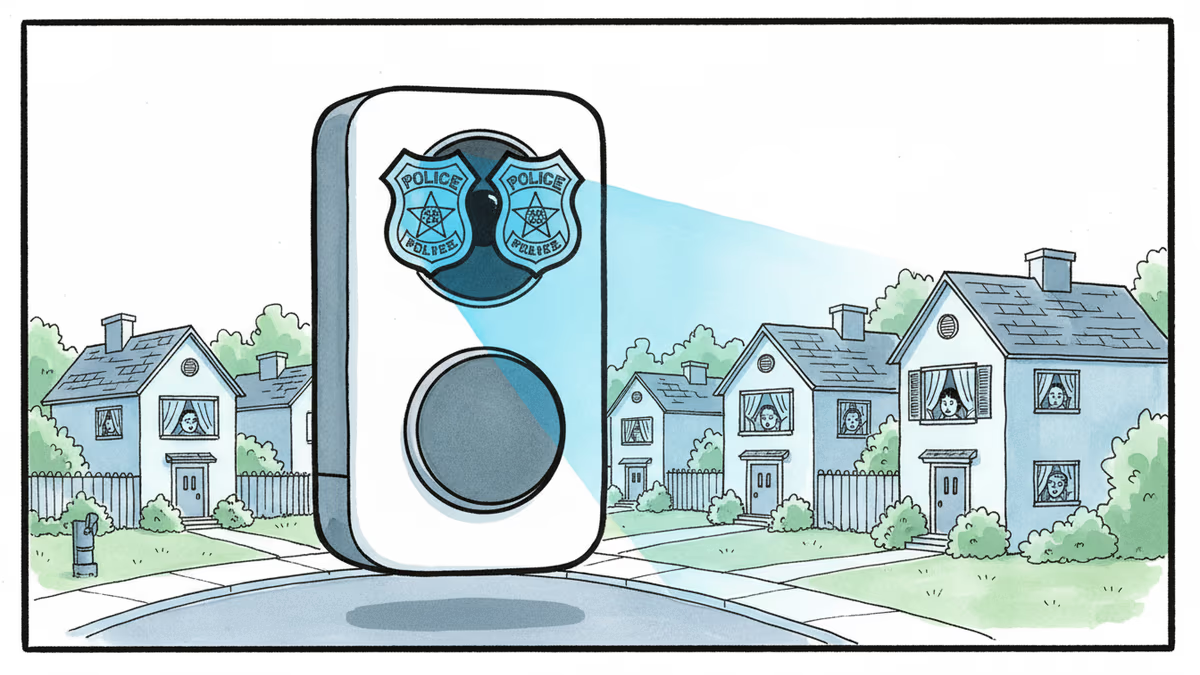
Amazon Just Killed Its Police Camera Deal - Here's Why
Amazon ended its Ring-police partnership after Super Bowl ad backlash revealed deep privacy concerns. A look at the surveillance vs safety debate reshaping tech.
100 Million Cameras Just Went Dark for Police
Amazon abruptly terminated its partnership with Flock Safety, ending a program that would have given law enforcement access to millions of Ring cameras nationwide. The official trigger? A Super Bowl ad that was supposed to tug heartstrings but instead triggered a privacy panic.
The 30-second spot started innocuously: a young girl surprised by a puppy gift. Then came the gut punch: "10 million dogs go missing every year." Cue the missing pet posters and Ring's new "Search Party" feature, promising to revolutionize how neighbors unite to find lost animals. But viewers saw something entirely different.
When Warm and Fuzzy Becomes Big Brother
Social media erupted within hours. "This isn't heartwarming, it's horrifying," read one viral tweet with 50,000 retweets. Privacy advocates pounced on what they saw as surveillance infrastructure disguised as community care.
The backlash wasn't just about the ad's tone—it exposed deeper anxieties about Amazon's growing surveillance empire. Ring cameras now monitor 20% of US households, creating what critics call an "always-on panopticon" where every package delivery, neighborhood walk, and front-door conversation gets recorded.
Electronic Frontier Foundation attorney Jennifer Lynch didn't mince words: "Amazon tried to make mass surveillance cute. They failed spectacularly."
The Three-Way Tension Nobody Talks About
Behind the marketing misstep lies a complex triangle of competing interests that tech companies are still learning to navigate.

Police departments love the access. Flock Safety claims its camera networks have boosted crime solve rates by 70% in partner cities. Real-time footage helps catch everything from package thieves to violent criminals. "It's like having a witness on every block," says one police chief who requested anonymity.
Privacy advocates see a different picture. They point to mission creep—how tools introduced for one purpose inevitably expand. "Today it's finding Fluffy, tomorrow it's tracking political protesters," warns American Civil Liberties Union technologist Matt Cagle.
Amazon sits in the middle, trying to balance a $5 billion annual Ring business with growing regulatory pressure. The company has already faced congressional hearings about police partnerships and paid $25 million in FTC fines for privacy violations.
The Bigger Picture: Surveillance Capitalism Hits a Wall
This isn't just about one company's PR disaster. Amazon's retreat signals a broader shift in how tech giants approach surveillance partnerships. Google quietly ended its police data-sharing programs last year. Meta has scaled back facial recognition features. Even Microsoft paused police facial recognition sales.
The pattern suggests that what seemed like inevitable tech adoption—ubiquitous surveillance justified by safety benefits—is hitting unexpected social resistance. Consumers want security, but not at the cost of becoming unwilling participants in a surveillance state.
Investors are taking note. Ring's valuation has stagnated despite user growth, while privacy-focused competitors like Apple's HomeKit Secure Video gain market share. The message is clear: surveillance without consent has become a liability, not an asset.
What Happens Next?
Amazon's pivot doesn't mean the end of police-camera partnerships—it means they'll need to be more transparent and consensual. Some cities are experimenting with opt-in programs where residents explicitly choose to share footage during investigations.
But the fundamental tension remains: How much privacy are we willing to trade for safety? And who gets to decide?
Authors
Related Articles
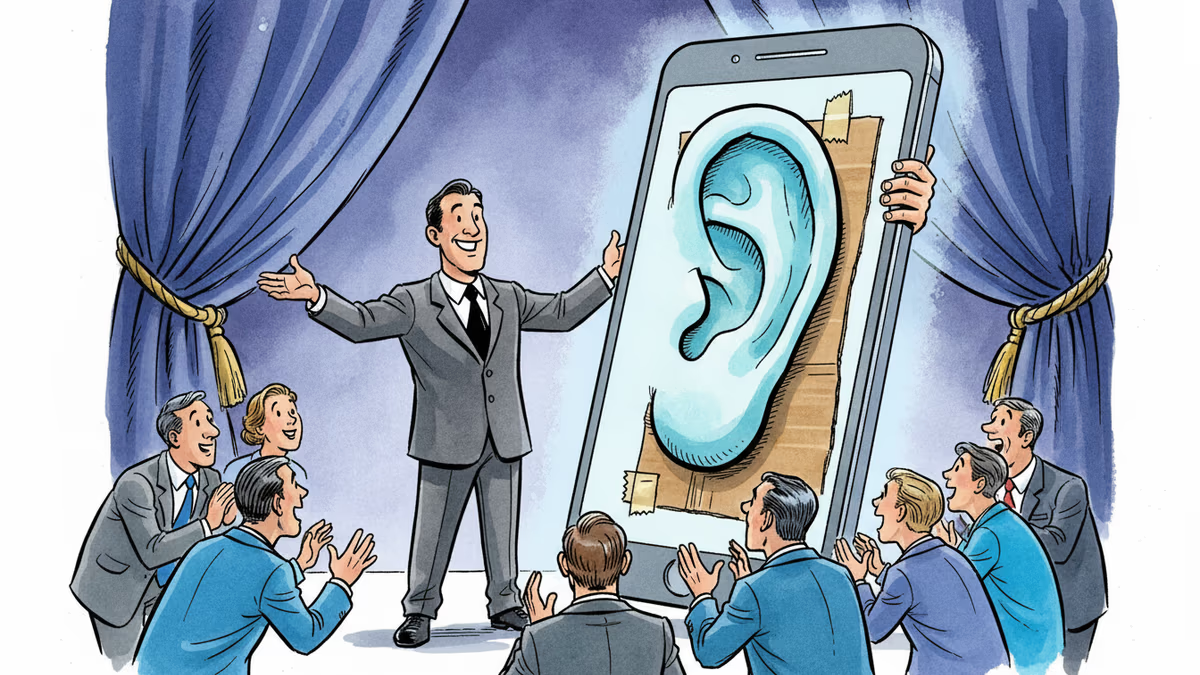
The FTC fined Cox Media and two ad firms $930,000 — not for actually eavesdropping on users, but for falsely claiming they could. The case raises uncomfortable questions about surveillance capitalism.
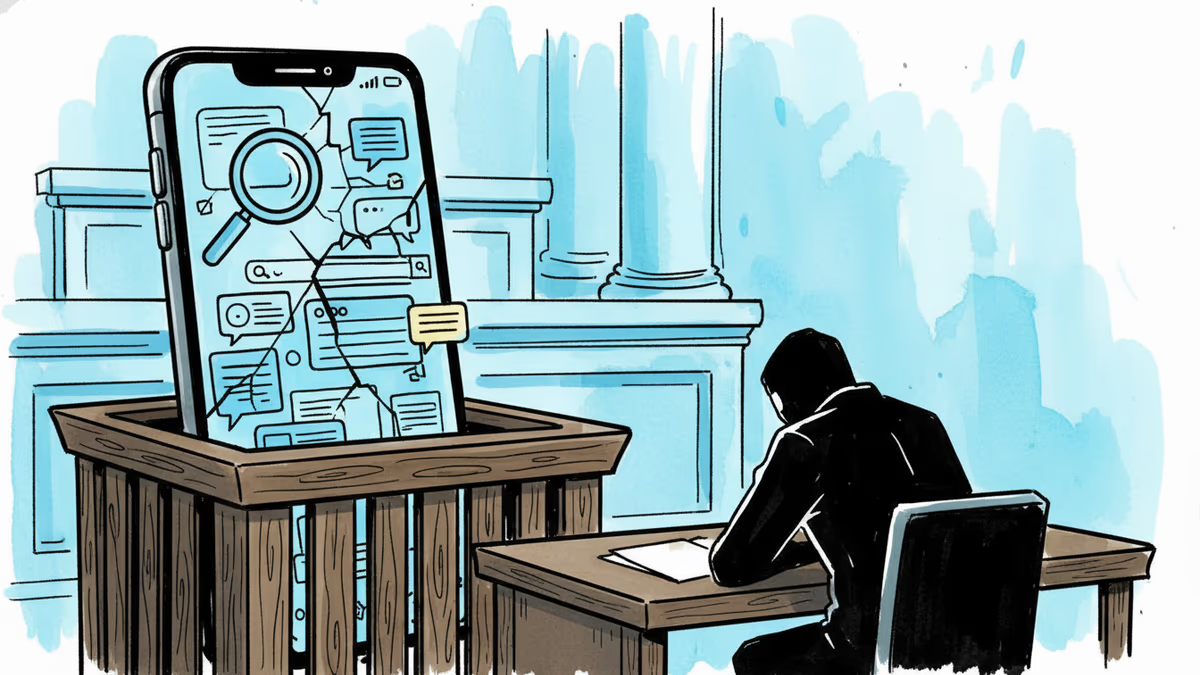
A Utah woman was sentenced to life in prison partly because of her Google searches and deleted texts. The Kouri Richins case reveals how digital footprints have become the courtroom's most reliable witness.
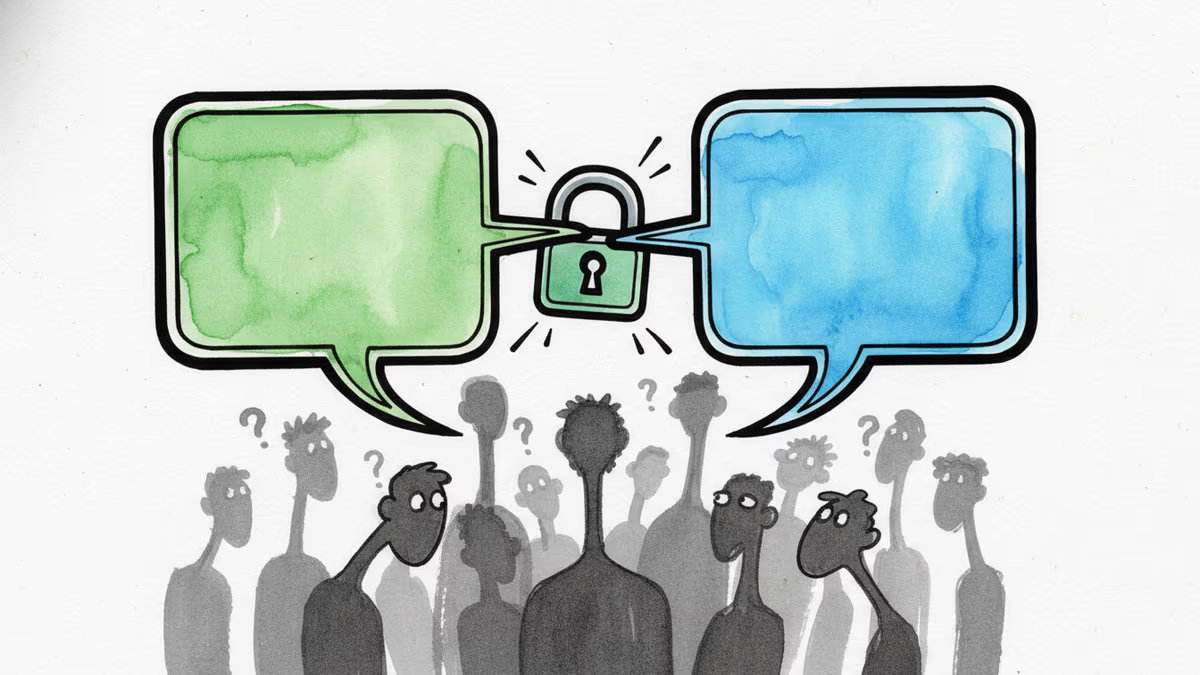
After 15 years of fragmented mobile messaging, Apple and Google are rolling out end-to-end encrypted RCS messaging between iPhones and Android devices. Here's what changed, why it took so long, and what it means for your privacy.
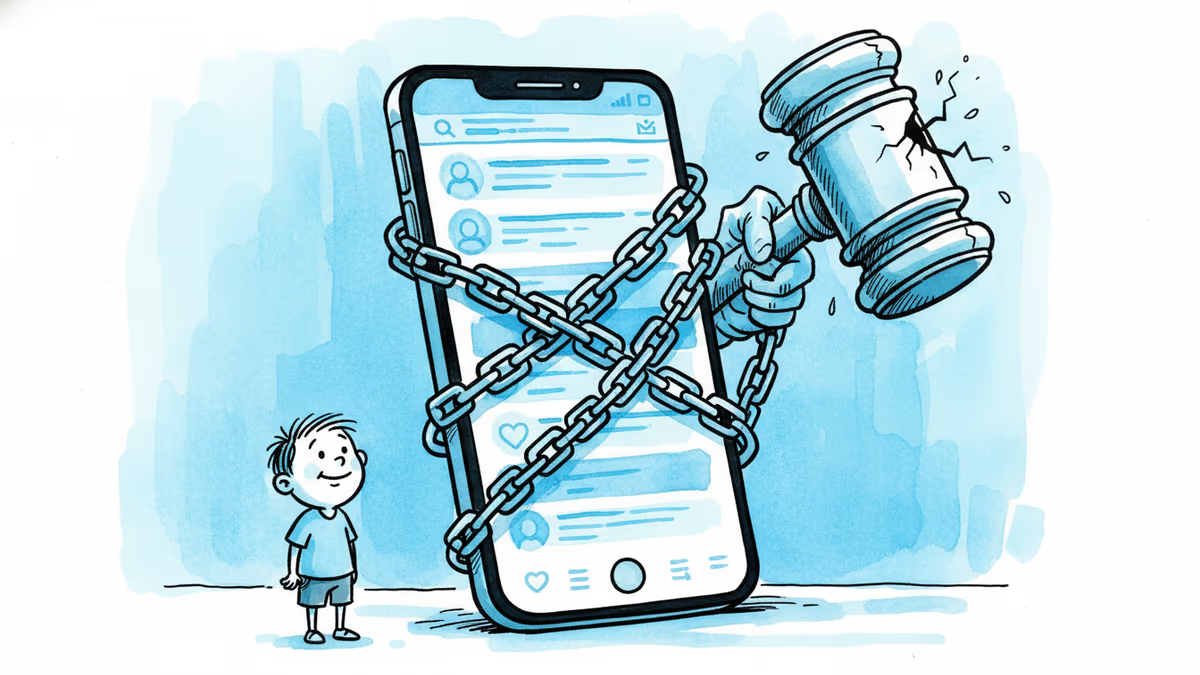
New Mexico already won $375 million from Meta. Now it wants something harder to give: a court order forcing Facebook, Instagram, and WhatsApp to redesign themselves. A three-week trial starts Monday.
The FTC fined Cox Media and two ad firms $930,000 — not for actually eavesdropping on users, but for falsely claiming they could. The case raises uncomfortable questions about surveillance capitalism.
A Utah woman was sentenced to life in prison partly because of her Google searches and deleted texts. The Kouri Richins case reveals how digital footprints have become the courtroom's most reliable witness.
After 15 years of fragmented mobile messaging, Apple and Google are rolling out end-to-end encrypted RCS messaging between iPhones and Android devices. Here's what changed, why it took so long, and what it means for your privacy.
New Mexico already won $375 million from Meta. Now it wants something harder to give: a court order forcing Facebook, Instagram, and WhatsApp to redesign themselves. A three-week trial starts Monday.
Thoughts
Share your thoughts on this article
Sign in to join the conversation