
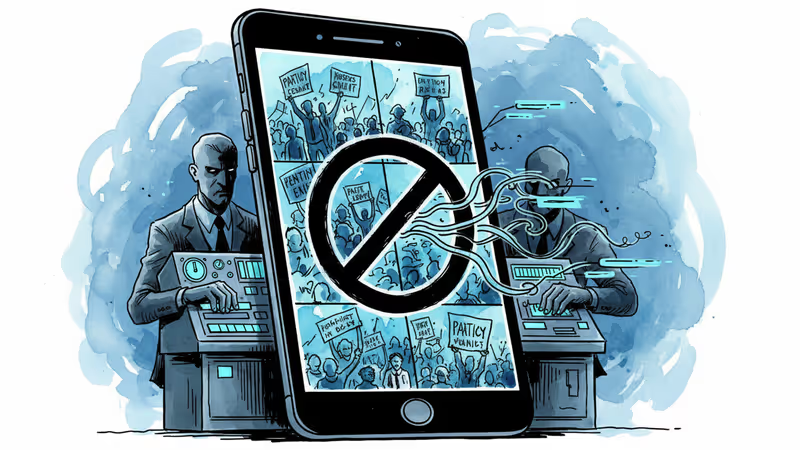
TikTok's 'Technical Glitch' Defense Falls Flat
Following Trump's handpicked takeover, TikTok faces censorship allegations as anti-ICE content gets blocked. Platform claims technical errors, but experts say user concerns are justified
Something's not right at TikTok. Videos criticizing Immigration and Customs Enforcement won't upload. Direct messages mentioning Jeffrey Epstein fail to send. The platform insists these are just "technical glitches," but timing tells a different story.
The Convenient Timing Problem
These "bugs" emerged right after Donald Trump's handpicked US owners took control of TikTok last week. For a platform that processes millions of uploads daily without issue, the selective nature of these glitches raises eyebrows.
Ioana Literat, who's studied TikTok's political dynamics since 2018 at Columbia University's Teachers College, doesn't buy the technical explanation. "Users' fears are absolutely justified," she told Ars Technica, calling the bugs explanation "insufficient."
The pattern is too precise to ignore. Anti-government content gets blocked while cat videos upload fine. Political keywords trigger "errors" while brand promotions flow freely. Either TikTok's algorithm has developed remarkably specific blind spots, or something else is happening.
From Chinese Control to Trump Influence
The ownership change wasn't just a business transaction—it was political surgery. Under intense US government pressure, Chinese parent company ByteDance was forced to sell its American operations. The new owners have deep ties to the Trump camp.
This creates an uncomfortable parallel. Critics once worried about Chinese government influence over TikTok's content policies. Now they're raising similar concerns about American political influence. The platform may have changed hands, but the fundamental question remains: who really controls what users can say?
The shift highlights how social media platforms have become geopolitical chess pieces. Whether it's China's Great Firewall or America's national security concerns, governments worldwide are asserting more control over digital speech.

The Technical Glitch That Wasn't
If these really are technical errors, TikTok has bigger problems than censorship allegations. A platform serving over 1 billion users shouldn't experience "glitches" that perfectly align with political sensitivities.
Modern content moderation systems use sophisticated AI that can distinguish between a cooking video and political commentary. For such systems to "accidentally" target anti-ICE content while leaving pro-government posts untouched defies technical logic.
The alternative explanation—intentional censorship—is equally troubling. It would mean TikTok is actively suppressing political discourse based on its new ownership's preferences. Either way, users lose.
The Broader Platform Dilemma
This controversy exposes the impossible position of global social media platforms. They must navigate conflicting demands from governments, users, advertisers, and activists across dozens of countries with vastly different values.
Facebook faces similar pressures in India. Twitter dealt with government demands in Brazil. YouTube manages content disputes across the EU. Each platform walks a tightrope between compliance and free expression, often satisfying no one.
The TikTok case is particularly stark because the ownership change was so public and politically charged. Users can draw direct lines between new management and content policies in ways that weren't possible before.
What Users Can Actually Do
User complaints have limited power against platform policies, but they're not powerless. The TikTok controversy has already sparked congressional interest and regulatory scrutiny. Public pressure can force transparency, even if it can't guarantee neutrality.
Diversifying social media consumption helps too. Relying on a single platform for news or political discourse creates vulnerability. When that platform's policies shift—whether through ownership changes, algorithm updates, or government pressure—users need alternatives.
The rise of decentralized platforms and creator-owned content distribution offers some hope. But these alternatives lack TikTok's massive reach and sophisticated features.
Authors
Related Articles
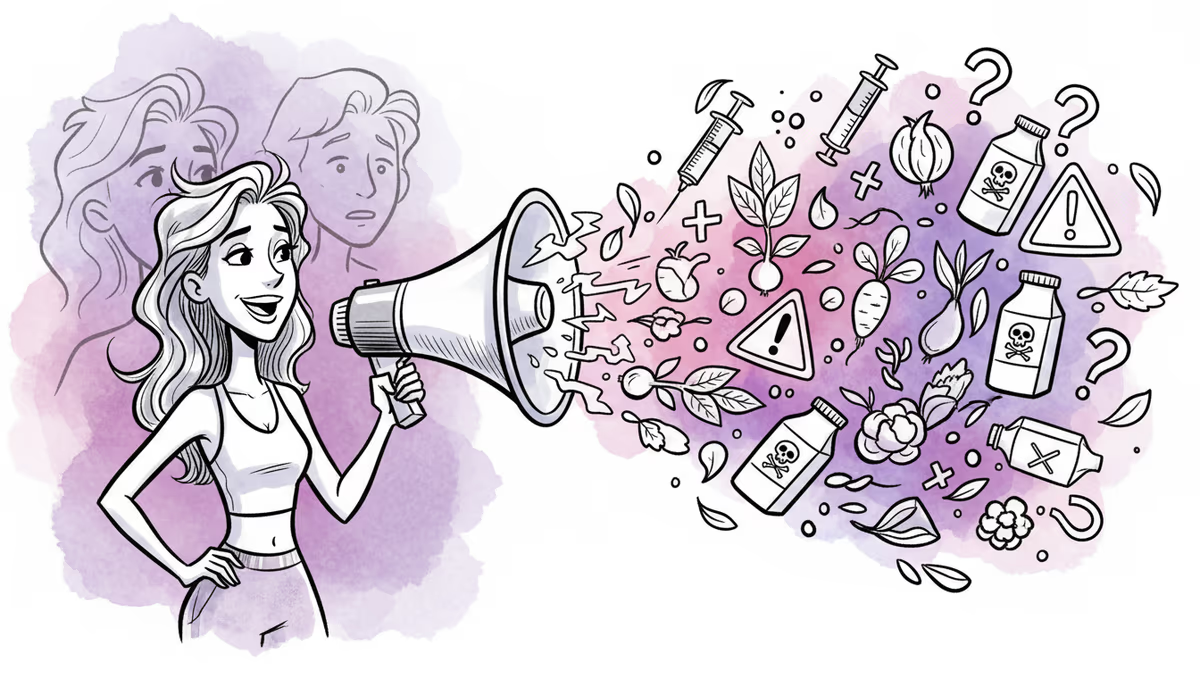
The journey from promoting healthy living to spreading medical misinformation reveals a troubling pattern in how selective science and algorithmic amplification create dangerous echo chambers.
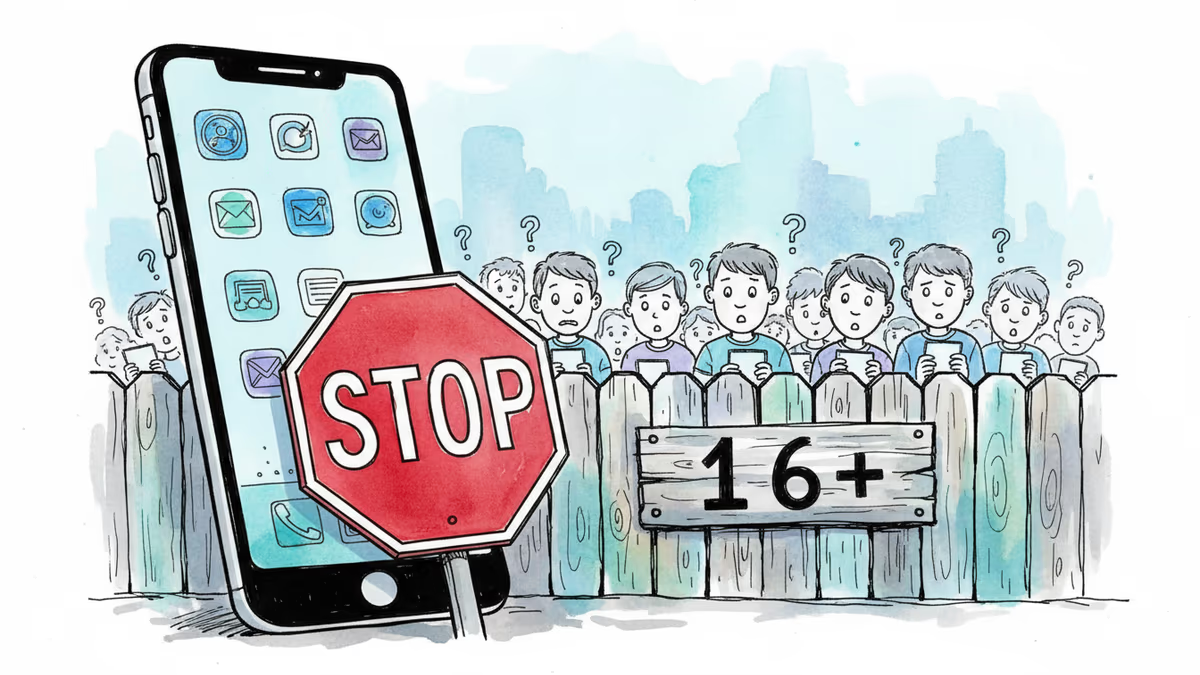
Karnataka state, home to Bengaluru's tech hub, joins a global wave of social media restrictions for minors. But can these bans actually work?
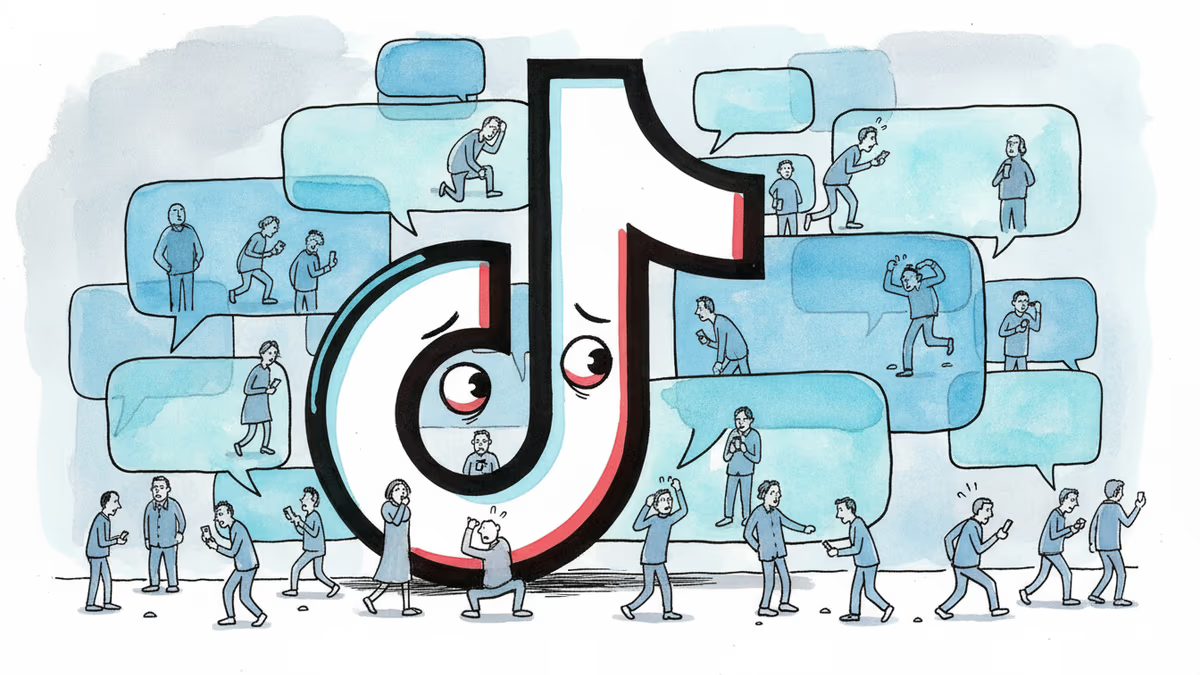
TikTok refuses end-to-end encryption for DMs, citing user safety. But this decision reveals a complex calculation about regulation, competition, and control.
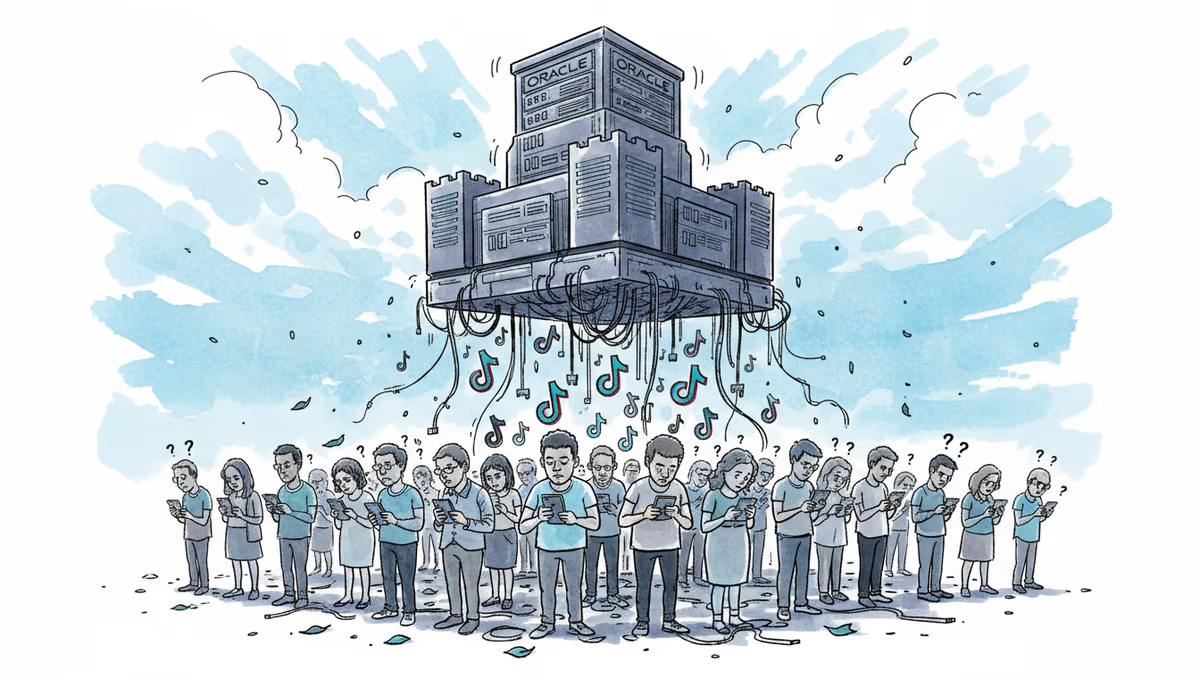
Second major TikTok outage in two months due to Oracle data center issues raises questions about cloud dependency and digital sovereignty in the post-divestiture era.
The journey from promoting healthy living to spreading medical misinformation reveals a troubling pattern in how selective science and algorithmic amplification create dangerous echo chambers.
Karnataka state, home to Bengaluru's tech hub, joins a global wave of social media restrictions for minors. But can these bans actually work?
TikTok refuses end-to-end encryption for DMs, citing user safety. But this decision reveals a complex calculation about regulation, competition, and control.
Second major TikTok outage in two months due to Oracle data center issues raises questions about cloud dependency and digital sovereignty in the post-divestiture era.
Thoughts
Share your thoughts on this article
Sign in to join the conversation