
Dear Algorithm" - When Users Start Talking to the Machine
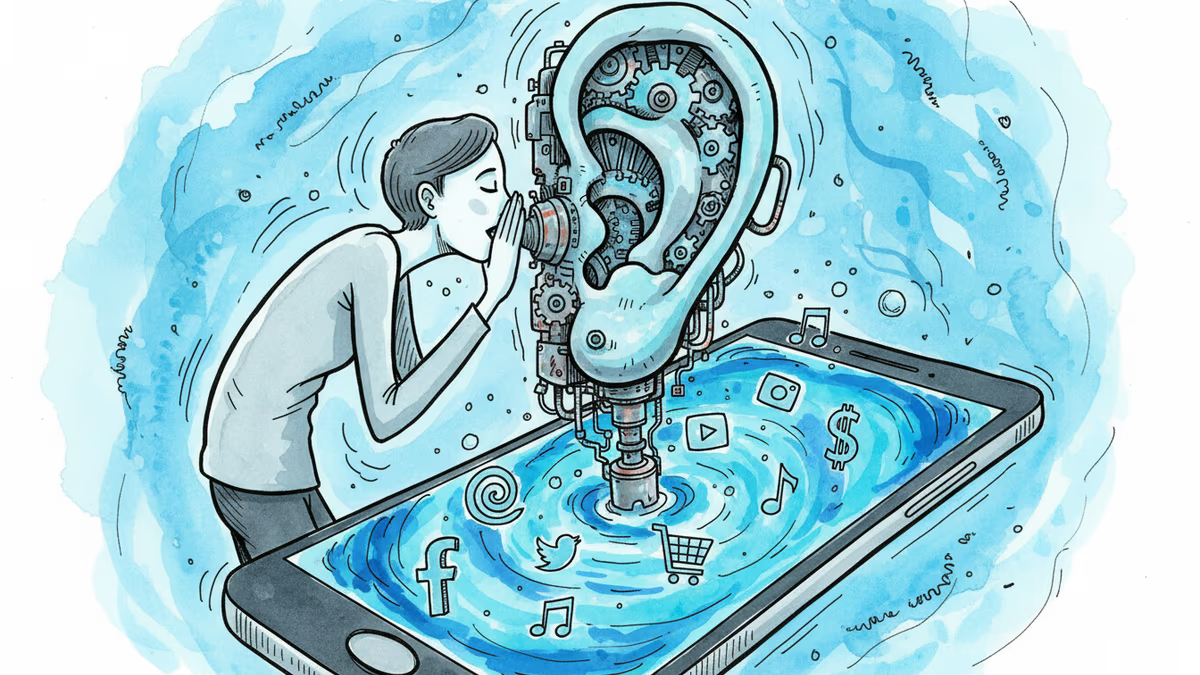
Meta's Threads launches Dear Algo feature in the US, letting users directly request content preferences. Is this algorithmic transparency or a sophisticated data collection method?
"Dear Algorithm, please stop showing me cat videos." Now that actually works.
Meta'sThreads has officially launched its Dear Algo feature in the US. Users can now write "Dear Algo" in a post, explain what content they want to see, and the algorithm will supposedly adjust their feed accordingly. After testing in Australia, Canada, New Zealand, and the UK, the feature has finally reached American users.
When User Superstition Becomes Official Policy
The backstory here is fascinating. Users were already posting "Dear Algo" messages, essentially pleading with the algorithm to show them different content. Of course, it didn't actually work—it was digital superstition, like throwing salt over your shoulder. But Meta was watching, and decided to make the superstition real.
This isn't happening in isolation. It's part of Meta's broader push across all platforms to give users more control over algorithmic recommendations. Similar experiments are rolling out on Instagram and Facebook, signaling a company-wide shift toward what they're calling "algorithmic transparency."
The Illusion of Control?
On the surface, this looks revolutionary. Users finally get to peek behind the curtain and influence the black box that's been curating their digital lives. But dig deeper, and the picture gets murkier.

First, how much control are we actually getting? When you ask for "more cooking content," who decides what qualifies as cooking content? You're still operating within Meta's predefined categories and classifications. The algorithm might be listening, but it's still speaking its own language.
Second, this could be data collection disguised as user empowerment. When users explicitly state their interests in text form, they're essentially providing Meta with the most accurate preference data imaginable. Why guess what users want when you can just ask them to tell you directly?
The Regulatory Angle
Timing matters here. This launch comes as regulators worldwide are scrutinizing algorithmic transparency. The EU's Digital Services Act, various US state privacy laws, and growing congressional pressure all point in the same direction: tech companies need to explain how their algorithms work.
Dear Algo could be Meta's preemptive strike—offering user control before being forced to provide algorithmic transparency. It's much easier to let users "talk" to the algorithm than to explain how the algorithm actually makes decisions.
What Competitors Are Thinking
TikTok has already mastered the art of algorithmic engagement without explicit user input. Their "For You" page is eerily accurate without users having to ask for anything. Twitter/X under Elon Musk has been experimenting with more user control over algorithmic feeds, though with mixed results.
YouTube has long offered preference controls, but they're buried in settings menus. Meta's approach of making algorithm interaction conversational and social could set a new standard for how platforms handle user preferences.
Authors
Related Articles

Indonesia introduces age-tiered social media restrictions, allowing 13+ for low-risk platforms and 16+ for high-risk ones. How does this compare to Australia's blanket ban?

From Australia's $34M fines to France's parliamentary vote, 10 countries are restricting teen social media access. A global experiment in digital parenting begins.

Middle East missile strikes trigger global doomscrolling epidemic. Neuroscience reveals why we can't stop scrolling through bad news and how to break free.

Instagram's new suicide search alerts for parents raise questions about whether surveillance-based solutions truly protect teens or simply push their struggles underground.
Indonesia introduces age-tiered social media restrictions, allowing 13+ for low-risk platforms and 16+ for high-risk ones. How does this compare to Australia's blanket ban?
From Australia's $34M fines to France's parliamentary vote, 10 countries are restricting teen social media access. A global experiment in digital parenting begins.
Middle East missile strikes trigger global doomscrolling epidemic. Neuroscience reveals why we can't stop scrolling through bad news and how to break free.
Instagram's new suicide search alerts for parents raise questions about whether surveillance-based solutions truly protect teens or simply push their struggles underground.
Thoughts
Share your thoughts on this article
Sign in to join the conversation