

X Tests Ads That Don't Look Like Ads
X is experimenting with recommendation links beneath posts mentioning companies. A Starlink ad appeared under a Starlink mention - could this reshape social media advertising?
When Mentions Become Monetization
A user in Portugal praises Starlink's satellite service. Moments later, a "Get Starlink" button appears directly beneath their post. Coincidence? Hardly. It's X's latest advertising experiment in action.
X product head Nikita Bier confirmed the test, explaining they're "trying to make an ad product that isn't an ad." The concept is elegantly simple: when users mention a company or product, X automatically inserts a recommendation link beneath their post.
Currently live for select European users, the feature shows as an empty placeholder box for others. In test markets, that box transforms into a direct pathway to the mentioned company's website.
The Creator Economy Play
This experiment arrives alongside X's rollout of "Paid Partnership" labels this week. Instead of hashtags like #ad or #paidpartnership, creators can now use official labels for sponsored content compliance.
The timing isn't accidental. If X combines creator-sponsored posts with these embedded recommendation links, the platform could attract significantly more marketers. More marketing dollars means more creator payouts, potentially boosting X's appeal against creator-favorite platforms like Instagram, YouTube, and TikTok.
X has been chasing creator content for years—long before Elon Musk's ownership. The company has launched viral content payouts, ad-revenue sharing, creator subscriptions, and this week, individual thread monetization. Yet it hasn't quite found its footing in the creator economy.

The Trust Paradox
When someone suggested allowing affiliate links in these ad slots, Bier pushed back: "No, then people will lie. I want to trust recommendations on here."
This reveals X's broader ambition: building a recommendation system based on authentic user mentions rather than traditional advertising. The platform wants to monetize genuine conversations, not manufactured ones.
But here's the tension: if mentioning a company automatically triggers their ad, will users still share honest opinions? Will negative reviews disappear as positive mentions become financially incentivized?
The Invisible Advertising Revolution
This test represents something larger than a new ad format. It's part of a shift toward "invisible" advertising—marketing so seamlessly integrated into content that users barely recognize it as promotion.
TikTok pioneered this with its algorithm-driven product placement. Instagram refined it with influencer partnerships. Now X is attempting to automate the process entirely, turning every organic mention into a potential sales funnel.
For marketers, it's a dream: advertising that feels like peer recommendations. For users, it raises questions about the authenticity of social media conversations.
Will users adapt by becoming more skeptical of positive mentions, or will the line between genuine endorsement and algorithmic advertising blur beyond recognition?
Authors
Related Articles
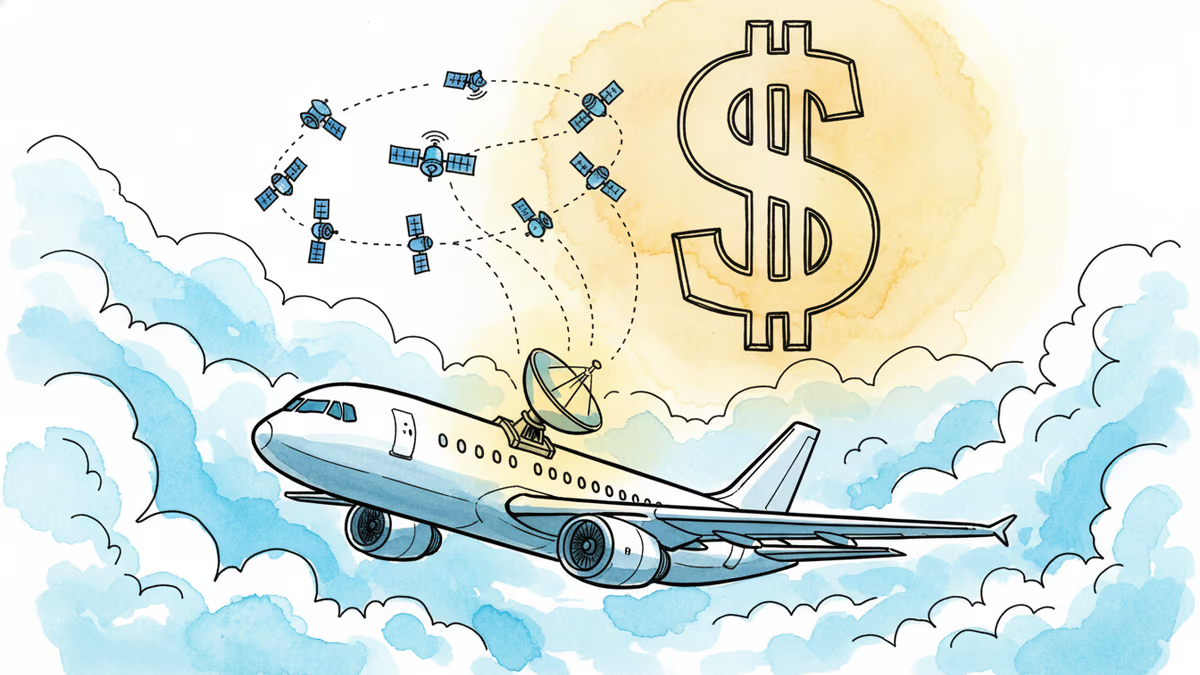
American Airlines just signed Starlink for 500+ aircraft. It's not just about faster inflight internet — it's a calculated move in the run-up to what could be the largest IPO in history.
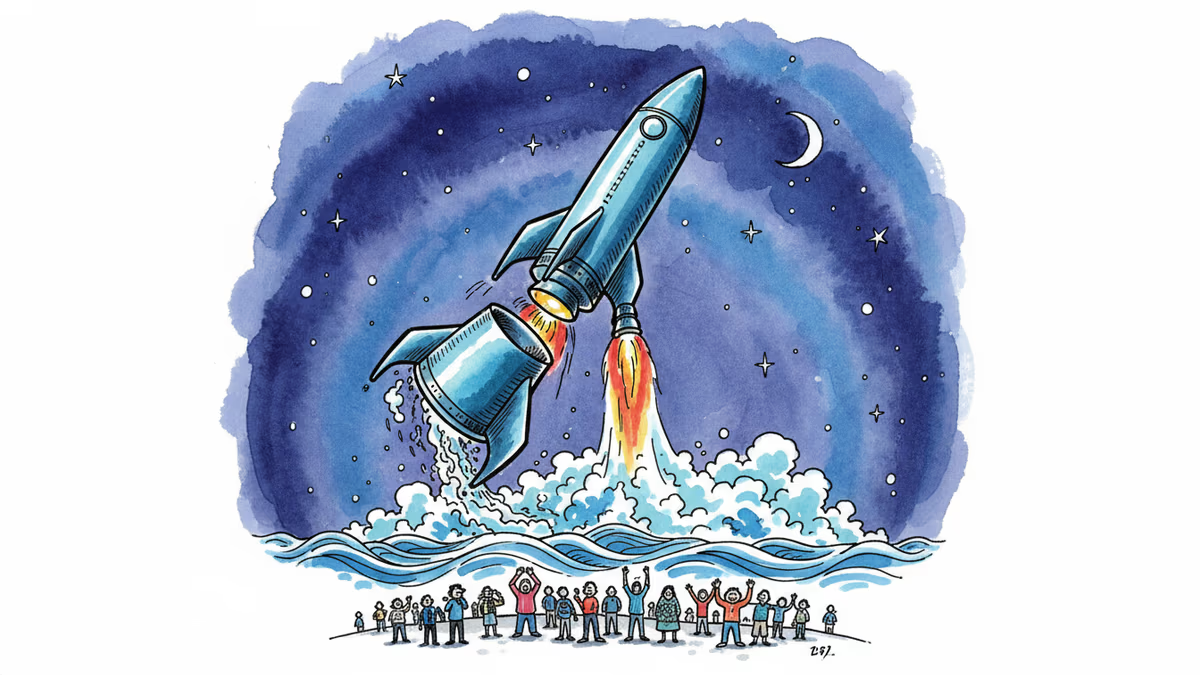
SpaceX's upgraded Starship V3 completed its first test flight, deploying 20 Starlink simulators but losing the Super Heavy booster. With an IPO weeks away, the stakes just got higher.
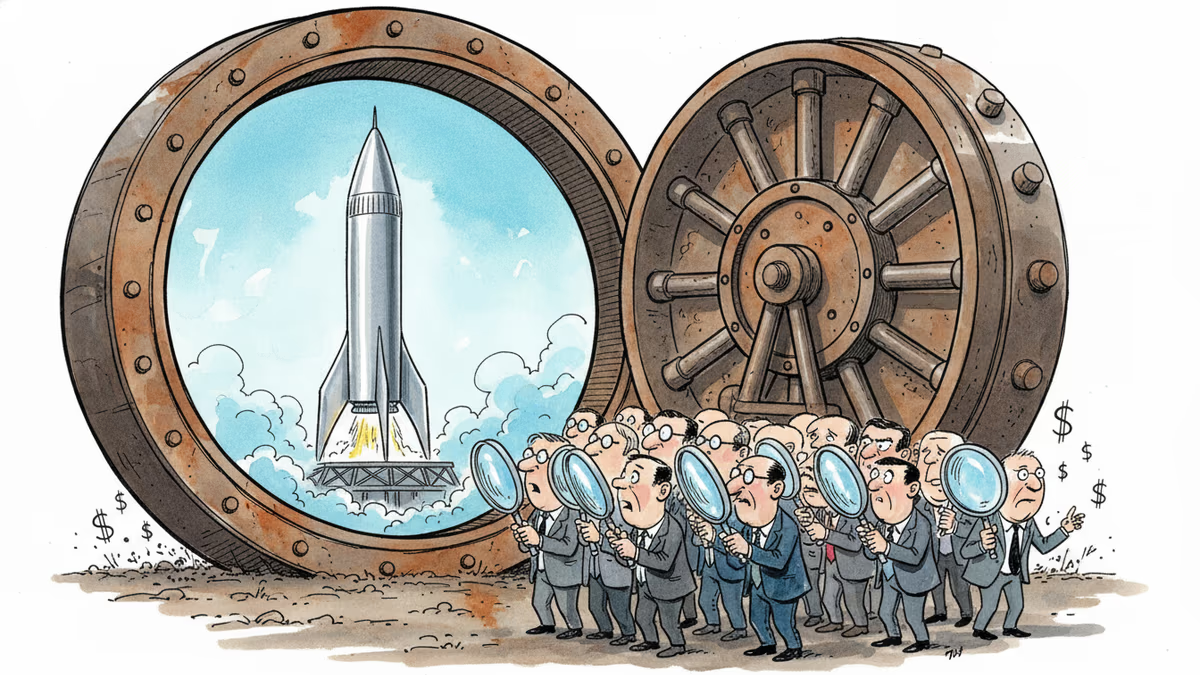
SpaceX filed a nearly 400-page S-1 with the SEC, targeting an IPO as early as June 12. Here's what the filing reveals—and what it doesn't.
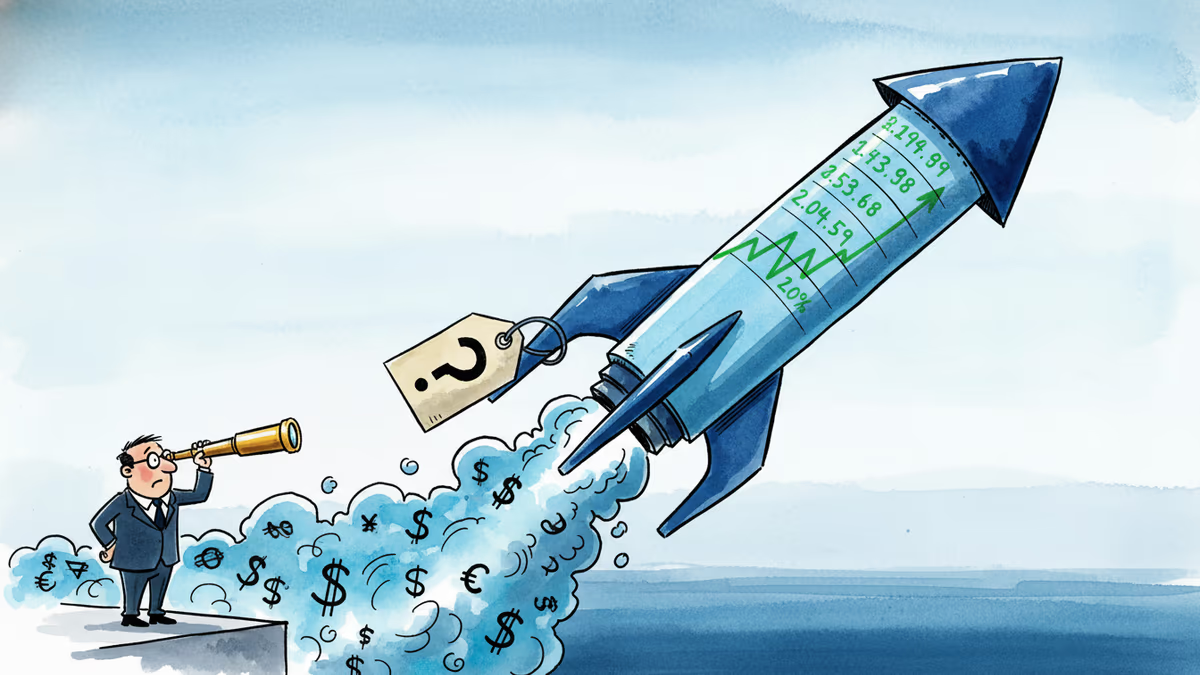
SpaceX has filed its S-1 with the SEC, targeting the Nasdaq under ticker SPCX. With $18.67B in revenue but a $4.9B loss, the IPO forces investors to answer one hard question.
American Airlines just signed Starlink for 500+ aircraft. It's not just about faster inflight internet — it's a calculated move in the run-up to what could be the largest IPO in history.
SpaceX's upgraded Starship V3 completed its first test flight, deploying 20 Starlink simulators but losing the Super Heavy booster. With an IPO weeks away, the stakes just got higher.
SpaceX filed a nearly 400-page S-1 with the SEC, targeting an IPO as early as June 12. Here's what the filing reveals—and what it doesn't.
SpaceX has filed its S-1 with the SEC, targeting the Nasdaq under ticker SPCX. With $18.67B in revenue but a $4.9B loss, the IPO forces investors to answer one hard question.
Thoughts
Share your thoughts on this article
Sign in to join the conversation