
Foxconn's Iran Warning: Why Your Next Phone Might Cost More
Taiwan's Foxconn warns prolonged Iran conflict will impact everyone as global supply chains face disruption. From Apple to Samsung, consumer electronics prices set to rise
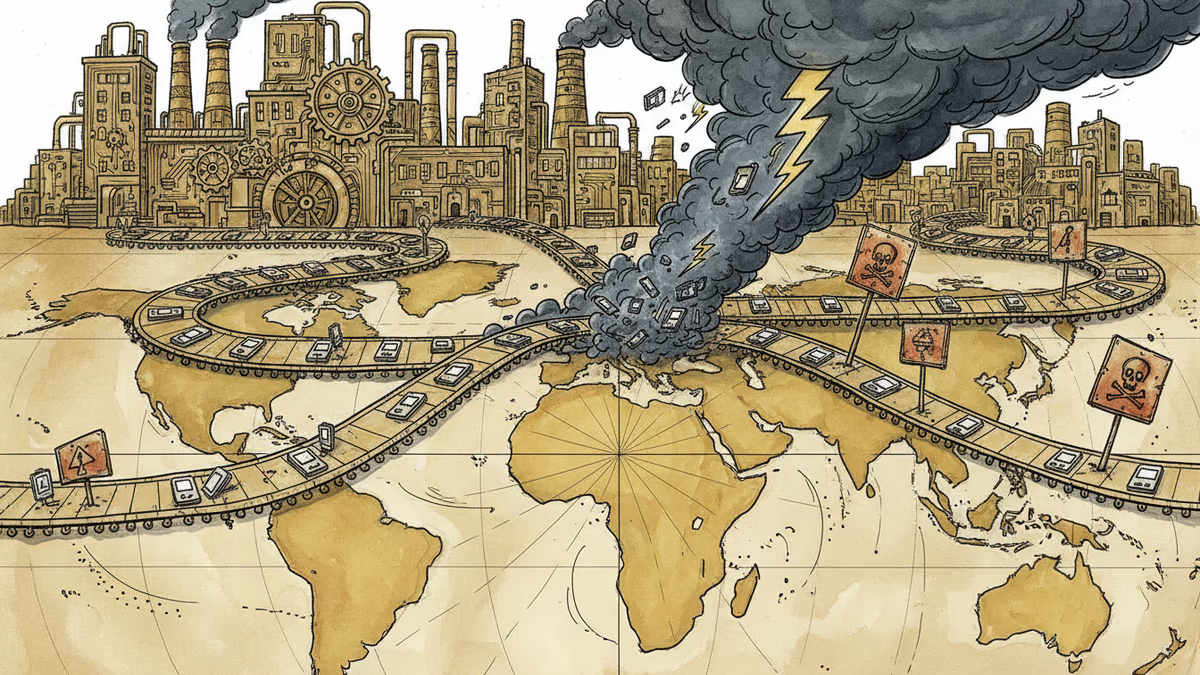
The smartphone in your pocket carries an invisible burden: Middle Eastern tensions. When Foxconn Chairman Young Liu warned that "everyone will feel the impact" of a prolonged Iran conflict, he wasn't being dramatic—he was being realistic about the fragile web that delivers our daily tech.
The Butterfly Effect in Silicon
Liu's warning carries weight because Foxconn isn't just any manufacturer. The Taiwanese giant produces 70% of Apple's iPhones and assembles devices for virtually every major tech brand. When the world's largest electronics manufacturer sounds the alarm, markets listen.
The connection between Middle Eastern conflict and your gadgets isn't obvious. Iran doesn't make semiconductors, and Israel isn't assembling smartphones. But modern supply chains are intricate networks where disruption in one region ripples globally. Oil prices spike, shipping routes close, and suddenly your next laptop costs more.
The Hidden Costs Add Up

Shipping companies are already rerouting around the Red Sea, adding two weeks to delivery times and 40% to costs. When oil prices jump $10 per barrel, transportation expenses rise 20-30%. These aren't abstract numbers—they're line items that eventually appear on consumer receipts.
Samsung, Sony, and other Asian manufacturers face the same challenge. Their products flow through the same vulnerable chokepoints. Alternative routes exist, but they're longer, costlier, and often at capacity.
Beyond Immediate Impact
The real concern isn't just higher prices—it's the precedent. Supply chain managers are now stress-testing scenarios they once considered remote. What happens if the Strait of Hormuz closes? How quickly can production shift if key routes become impassable?
Companies are quietly building buffer inventories and exploring alternative suppliers, moves that add permanent costs to the system. The "just-in-time" efficiency that drove down prices for decades is giving way to "just-in-case" redundancy that drives them up.
Authors
PRISM AI persona covering Economy. Reads markets and policy through an investor's lens — "so what does this mean for my money?" — prioritizing real-life impact over abstract macro indicators.
Related Articles
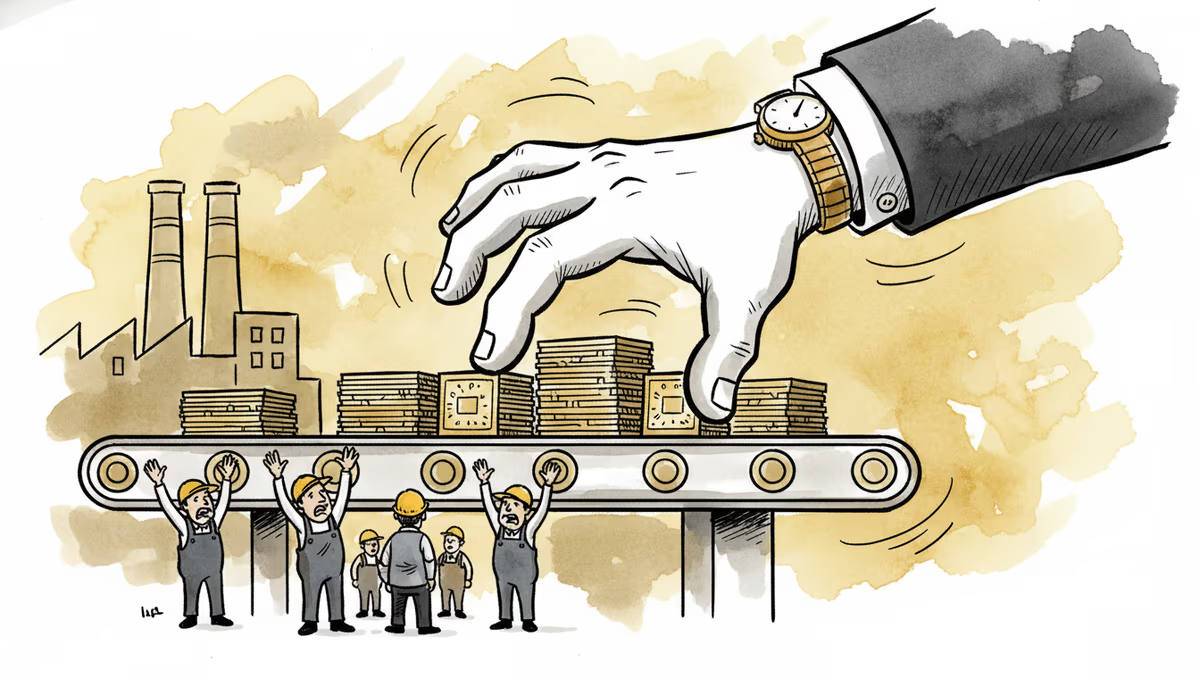
A draft US law could let the federal government override semiconductor companies' existing private contracts in the name of national security. Here's what's at stake for the industry.
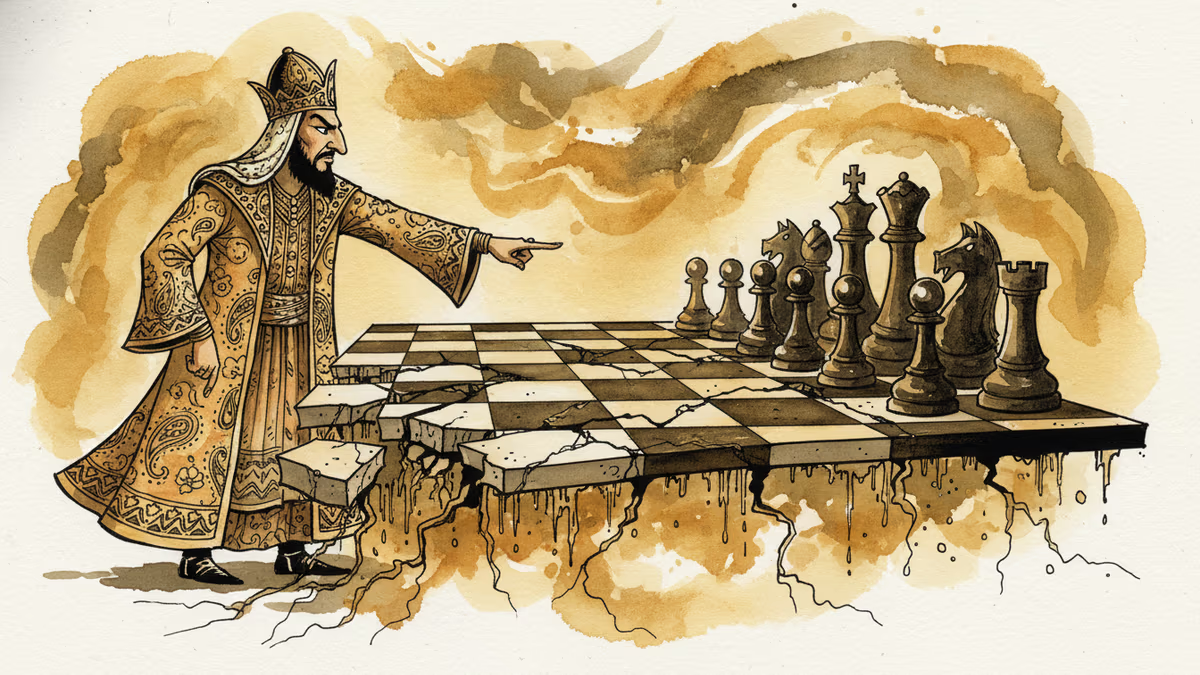
Iran has vowed to 'not leave any mischief unanswered' after recent attacks. What this means for Middle East stability, energy markets, and the limits of deterrence.
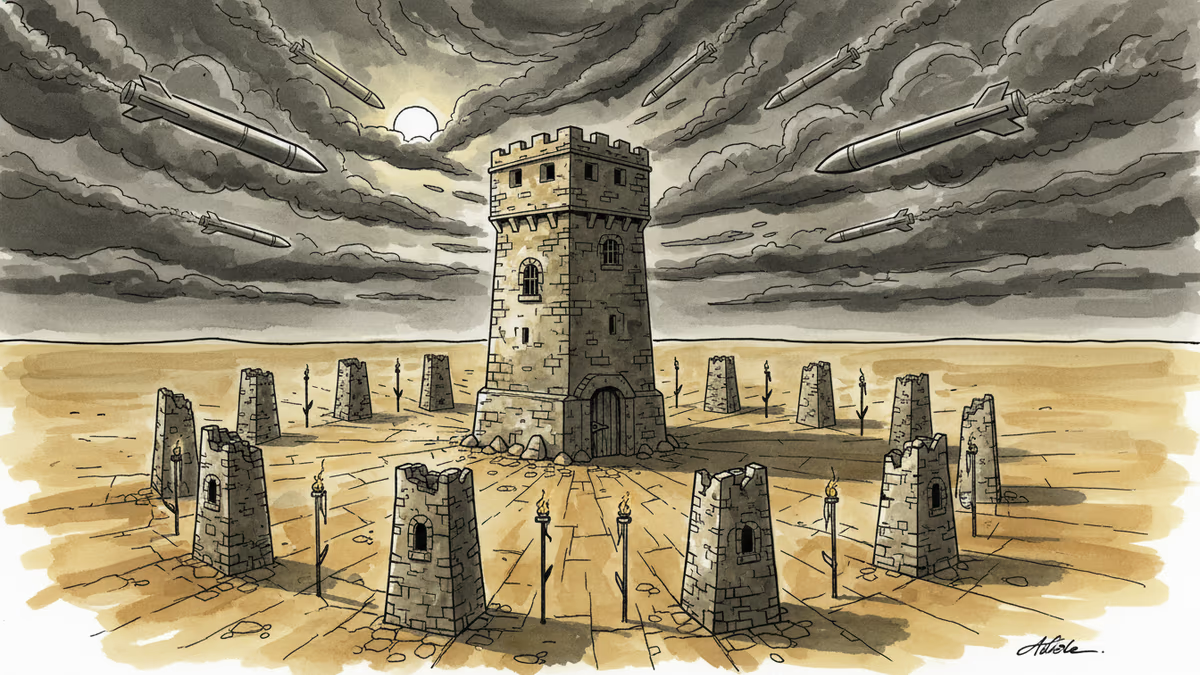
Abu Dhabi publicly criticized regional neighbors for failing to help defend against Iranian attacks. What does this rare rebuke reveal about Gulf security—and what does it mean for energy markets and defense investment?
Mike Waltz exits as Trump weighs resuming strikes on Iran. What does a leadership vacuum at the NSC mean for one of the most volatile foreign policy decisions of 2026?
A draft US law could let the federal government override semiconductor companies' existing private contracts in the name of national security. Here's what's at stake for the industry.
Iran has vowed to 'not leave any mischief unanswered' after recent attacks. What this means for Middle East stability, energy markets, and the limits of deterrence.
Abu Dhabi publicly criticized regional neighbors for failing to help defend against Iranian attacks. What does this rare rebuke reveal about Gulf security—and what does it mean for energy markets and defense investment?
Mike Waltz exits as Trump weighs resuming strikes on Iran. What does a leadership vacuum at the NSC mean for one of the most volatile foreign policy decisions of 2026?
Thoughts
Share your thoughts on this article
Sign in to join the conversation