
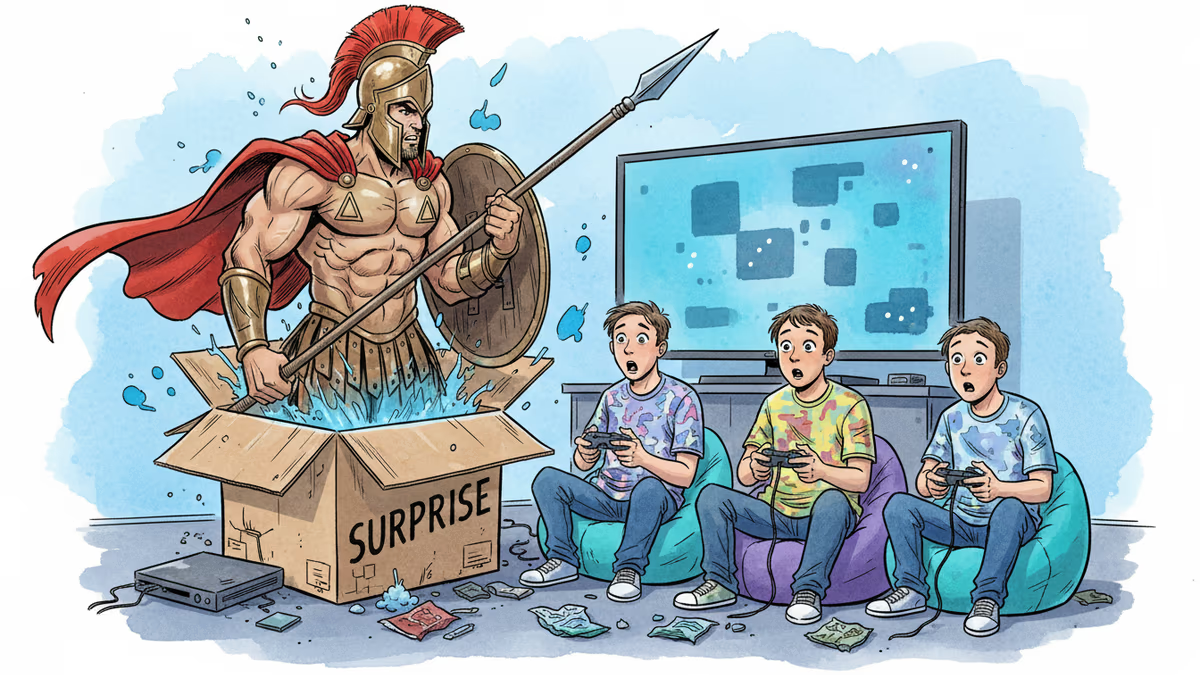
Sony's Surprise Drop Strategy: When Gaming Marketing Goes Stealth
Sony just shadow-dropped God of War Sons of Sparta with zero warning. Is this the future of game marketing or a risky gamble?
The $0 Marketing Budget That Broke the Internet
Sony just pulled off something most publishers would consider insane: they announced God of War: Sons of Sparta and made it available immediately. No pre-orders, no countdown timers, no months of trailer drops. Just "here's a new God of War game, go play it now."
This isn't some mobile cash-grab either. It's a canonical 2D prequel showing young Kratos training at the Agoge alongside his brother Deimos, complete with spear-and-shield combat and divine artifacts called the "Gifts of Olympus." Santa Monica Studio collaborated with an external developer to create what appears to be a legitimate entry in the franchise.
The Death of the Hype Cycle?
Traditional AAA game marketing follows a predictable playbook: announce 18-24 months early, drip-feed content through gaming conventions, build wishlists, secure pre-orders. It's a system that worked when physical distribution dominated and social media buzz was slower to build.
But streaming changed everything. Why spend millions on Super Bowl ads when a single Twitch streamer can generate more authentic engagement? Fall Guys proved this in 2020, going from unknown to cultural phenomenon in days. Among Us did it even more dramatically, becoming a global hit two years after its quiet initial release.

Sony's shadow-drop strategy leverages this new reality. State of Play viewers could immediately satisfy their curiosity instead of adding another title to their "maybe someday" mental queue.
The Stakeholder Split
Developers are divided on this approach. Indie studios love it—they can't afford traditional marketing anyway, and surprise releases level the playing field. But major publishers worry about leaving money on the table. Pre-orders provide crucial revenue forecasting and help secure retail partnerships.
Gamers, meanwhile, seem increasingly fatigued by endless marketing cycles. Reddit threads consistently complain about games being "announced too early" or suffering from "overhype." The surprise drop eliminates that problem entirely—you can judge the game on its merits, not its promises.
Retailers hate it, obviously. GameStop and other physical stores rely on pre-order data to manage inventory. Digital-first strategies like this gradually erode their relevance.
The real question isn't whether this strategy works—it's whether it democratizes or further consolidates power in the gaming industry.
Authors
Related Articles
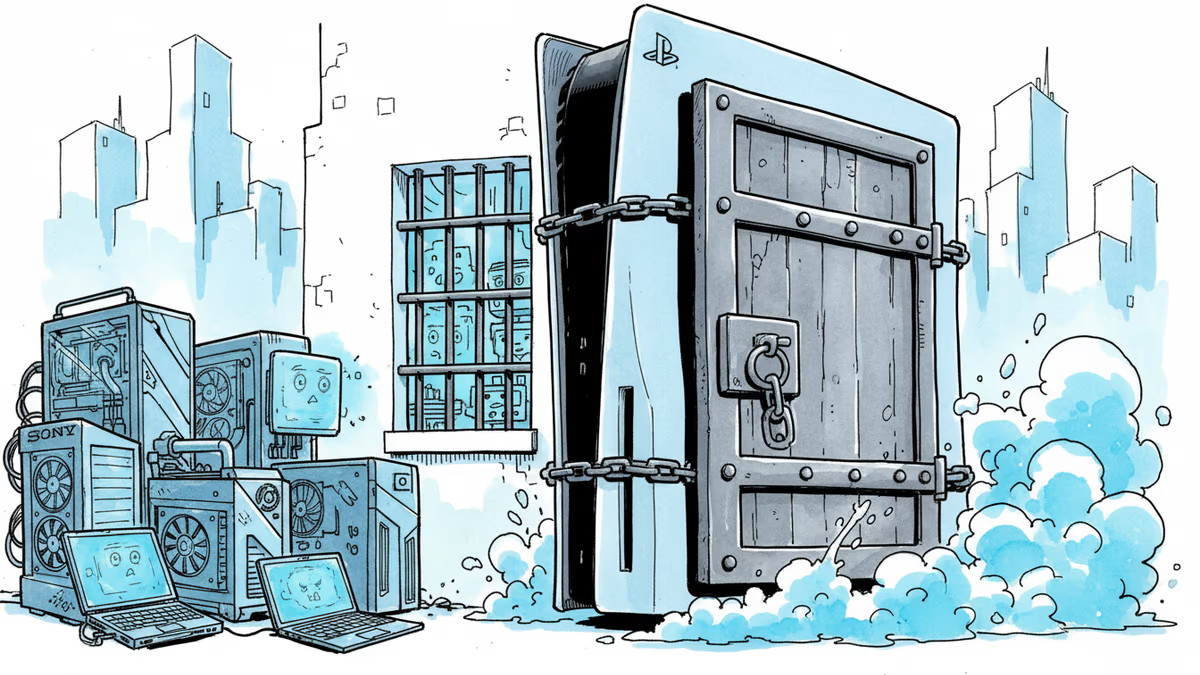
Sony is pulling its major single-player PlayStation games from PC. After six years of multiplatform expansion, the reversal raises hard questions about exclusivity, hardware sales, and who really controls gaming's future.
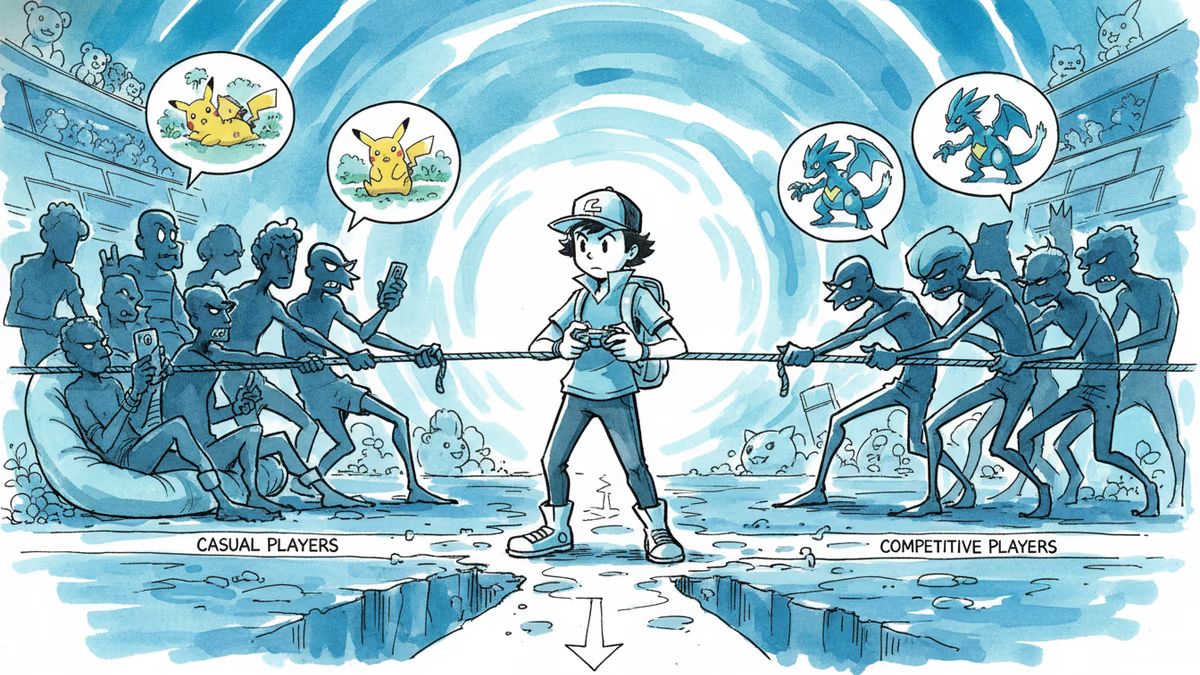
Pokémon Champions launched on Switch with bugs breaking core battle mechanics. But the deeper issue isn't the bugs — it's whether a game trying to please all players can satisfy any of them.
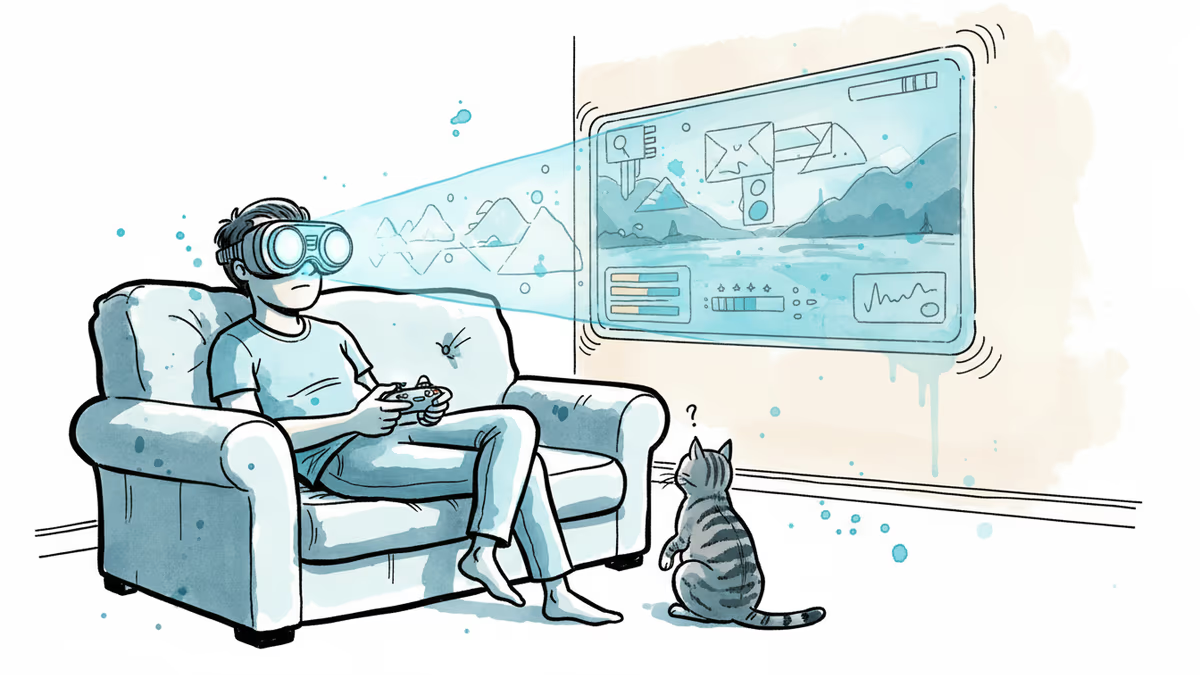
Xreal and Viture's latest AR glasses all do a few things well and a few things poorly. Here's what the best pair would look like — and why none of them are there yet.
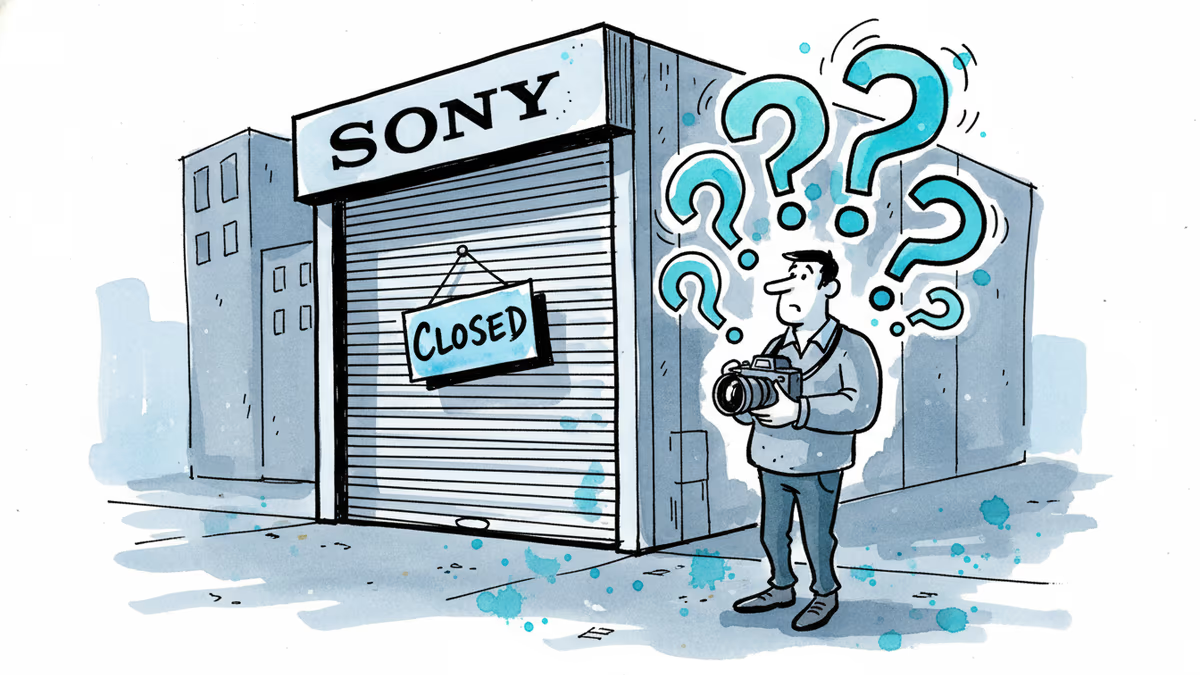
Sony halted orders for most of its CFexpress and SD card lineup on March 27, 2026 — the same day it raised PS5 prices. What does this mean for photographers, consumers, and Sony's broader strategy?
Sony is pulling its major single-player PlayStation games from PC. After six years of multiplatform expansion, the reversal raises hard questions about exclusivity, hardware sales, and who really controls gaming's future.
Pokémon Champions launched on Switch with bugs breaking core battle mechanics. But the deeper issue isn't the bugs — it's whether a game trying to please all players can satisfy any of them.
Xreal and Viture's latest AR glasses all do a few things well and a few things poorly. Here's what the best pair would look like — and why none of them are there yet.
Sony halted orders for most of its CFexpress and SD card lineup on March 27, 2026 — the same day it raised PS5 prices. What does this mean for photographers, consumers, and Sony's broader strategy?
Thoughts
Share your thoughts on this article
Sign in to join the conversation