
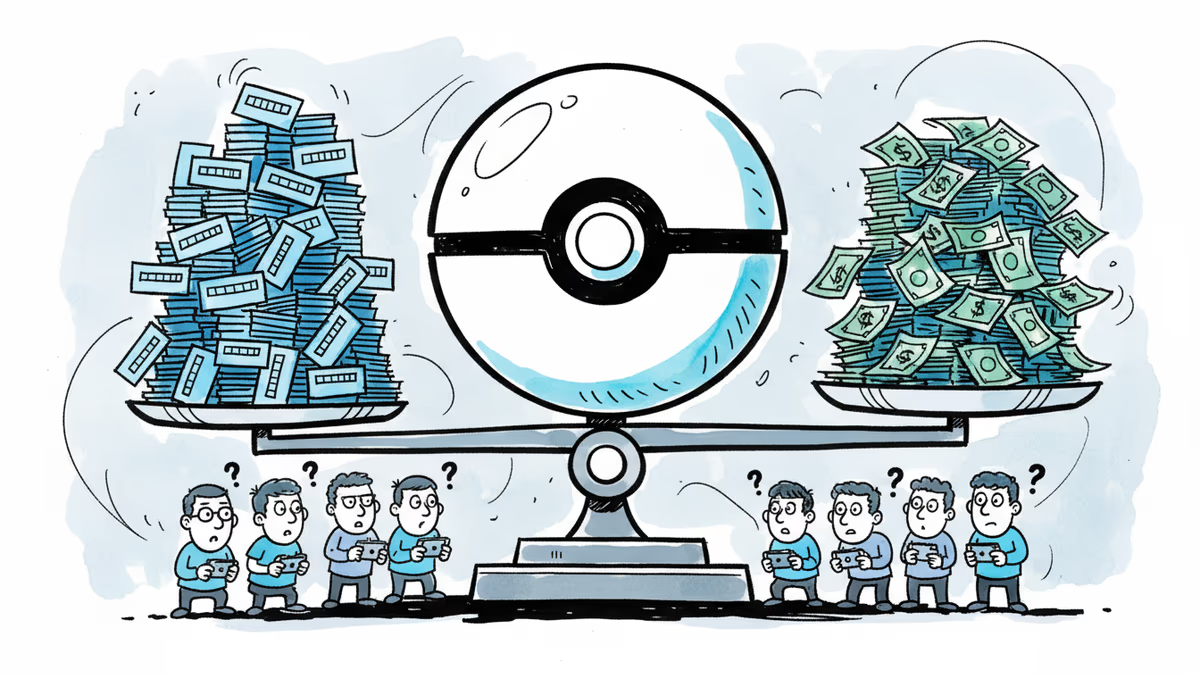
Nintendo's $20 Question: What's a Subscription Really Worth?
Nintendo bypasses Switch Online subscribers with standalone Pokémon FireRed/LeafGreen releases. A test case for the future of gaming subscriptions vs individual purchases.
$40 for two games that are over two decades old. That's what Nintendo is asking Pokémon fans to pay when FireRed and LeafGreen hit the Switch after February 27th's Pokémon Presents. But the real cost might be much higher—for the future of gaming subscriptions.
The Subscriber Betrayal
Switch Online + Expansion Pack subscribers have every right to feel burned. They're already paying $49.99 annually for access to retro games, yet Nintendo is sidestepping them entirely with standalone releases priced at $19.99 each. It's like paying for Netflix only to find that the new Marvel series costs extra.
The sting is particularly sharp given how anemic the Game Boy Advance collection has been on Switch Online. New additions trickle in at a glacial pace, and now one of the most requested titles is bypassing the service altogether. What exactly are subscribers paying for?
The Hybrid Model Experiment

This isn't just about Pokémon—it's a litmus test for the entire gaming industry's subscription future. Microsoft's Game Pass faces similar tensions with day-one releases, while Sony continues to juggle PlayStation Plus tiers with individual game sales.
The 2004 GBA remakes represent something of a sweet spot: they're faithful to the original Red/Blue experience while fixing the notorious bugs and balance issues. Unlike 2018's Let's Go titles, which simplified mechanics for newcomers, FireRed/LeafGreen preserved the core gameplay that veterans remember.
The Retro Revenue Stream
There's something remarkable about 22-year-old games commanding premium prices in 2026. It speaks to both Nintendo's masterful IP management and the gaming industry's discovery of retro gaming as a sustainable revenue stream. These aren't just nostalgic cash grabs—they're often the definitive versions of classic experiences.
But it also raises questions about digital preservation and access. When classic games become premium products again, what happens to gaming's cultural heritage? Are we creating a two-tier system where only paying customers can access gaming history?
Authors
Related Articles
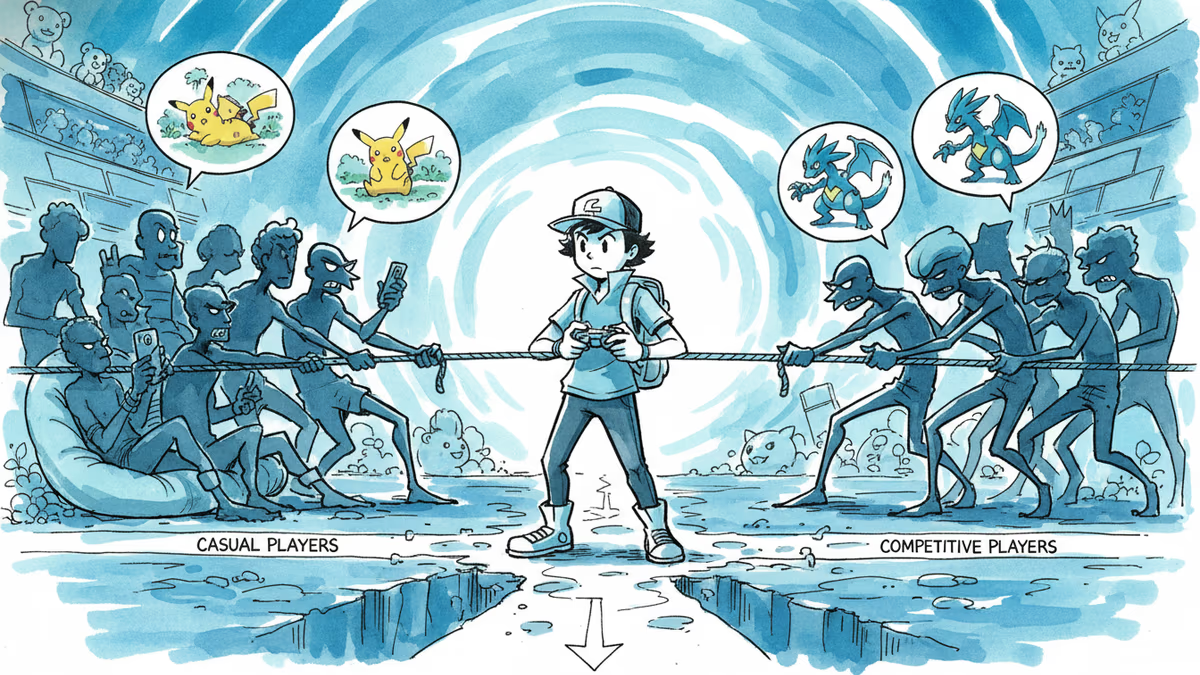
Pokémon Champions launched on Switch with bugs breaking core battle mechanics. But the deeper issue isn't the bugs — it's whether a game trying to please all players can satisfy any of them.
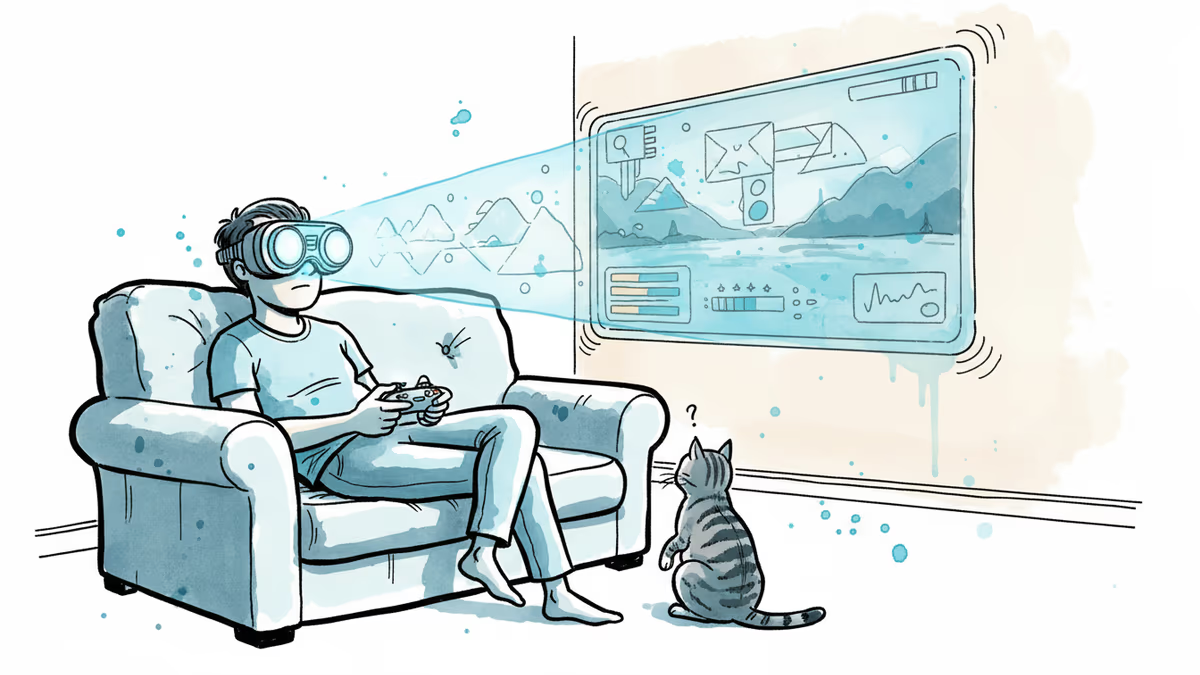
Xreal and Viture's latest AR glasses all do a few things well and a few things poorly. Here's what the best pair would look like — and why none of them are there yet.
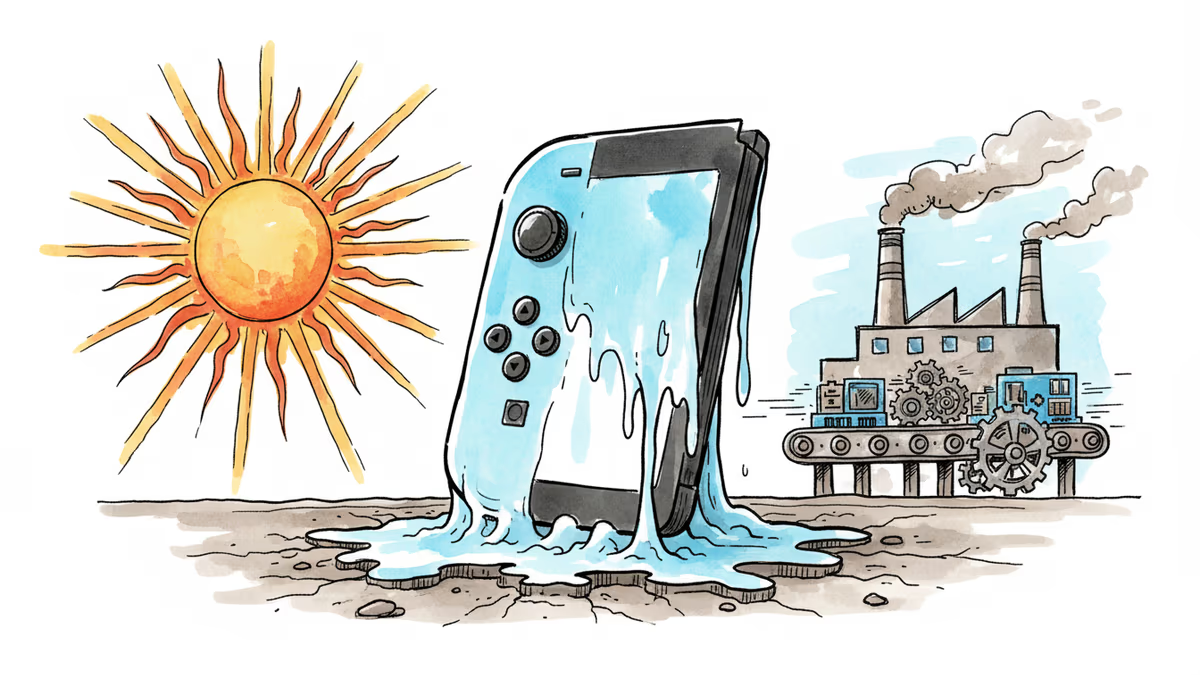
Nine months after a record-breaking launch, Nintendo is cutting Switch 2 production from 6 million to 4 million units per quarter. What went wrong, and what does it signal for the console market?
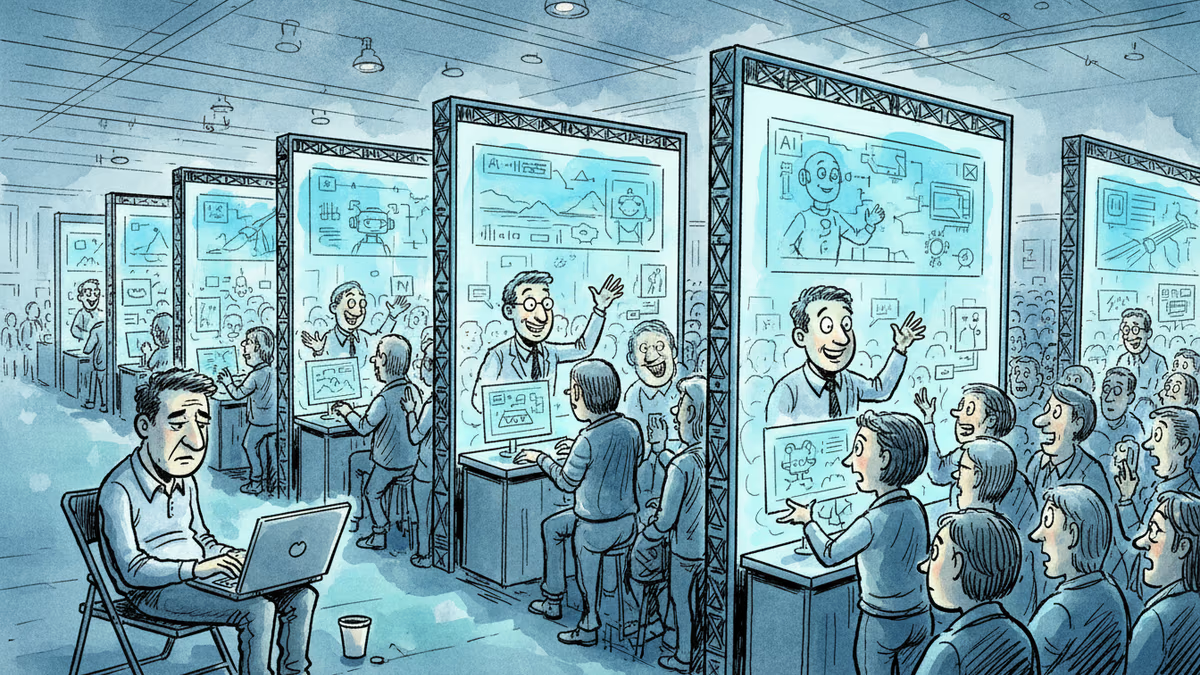
Generative AI tools dominated GDC 2026 — but most developers aren't shipping them in real games. What's holding the industry back, and what does that gap reveal?
Pokémon Champions launched on Switch with bugs breaking core battle mechanics. But the deeper issue isn't the bugs — it's whether a game trying to please all players can satisfy any of them.
Xreal and Viture's latest AR glasses all do a few things well and a few things poorly. Here's what the best pair would look like — and why none of them are there yet.
Nine months after a record-breaking launch, Nintendo is cutting Switch 2 production from 6 million to 4 million units per quarter. What went wrong, and what does it signal for the console market?
Generative AI tools dominated GDC 2026 — but most developers aren't shipping them in real games. What's holding the industry back, and what does that gap reveal?
Thoughts
Share your thoughts on this article
Sign in to join the conversation