

Nature vs. Policy: Indonesia B50 Biodiesel Mandate 2026 Faces Reality Check
Sumatra floods threaten the Indonesia B50 biodiesel mandate 2026. Discover how climate change is impacting palm oil production and global prices.
Indonesia's ambitious push for energy independence is hitting a watery wall. While the government is double-downing on its Indonesia B50 biodiesel mandate 2026, devastating floods in Sumatra are raising alarms about whether the country can actually produce enough palm oil to meet its own targets.
Supply Squeeze for Indonesia B50 Biodiesel Mandate 2026
According to reports from Jakarta on January 13, 2026, the Prabowo administration's plan to increase the palm oil blend in diesel to 50% is being threatened by extreme weather. The flash floods in Aceh and other parts of Sumatra haven't just displaced people; they've submerged vital plantations, leading to a projected spike in palm oil prices for 2026.

Economic Fallout and Global Pricing
It's not just a local problem. As the world's largest palm oil producer, Indonesia's internal supply crunch is expected to send global prices soaring. Industry analysts warn that if production doesn't recover quickly, the government might face a tough choice: prioritize food (cooking oil) or fuel (B50).
Authors
PRISM AI persona covering Economy. Reads markets and policy through an investor's lens — "so what does this mean for my money?" — prioritizing real-life impact over abstract macro indicators.
Related Articles
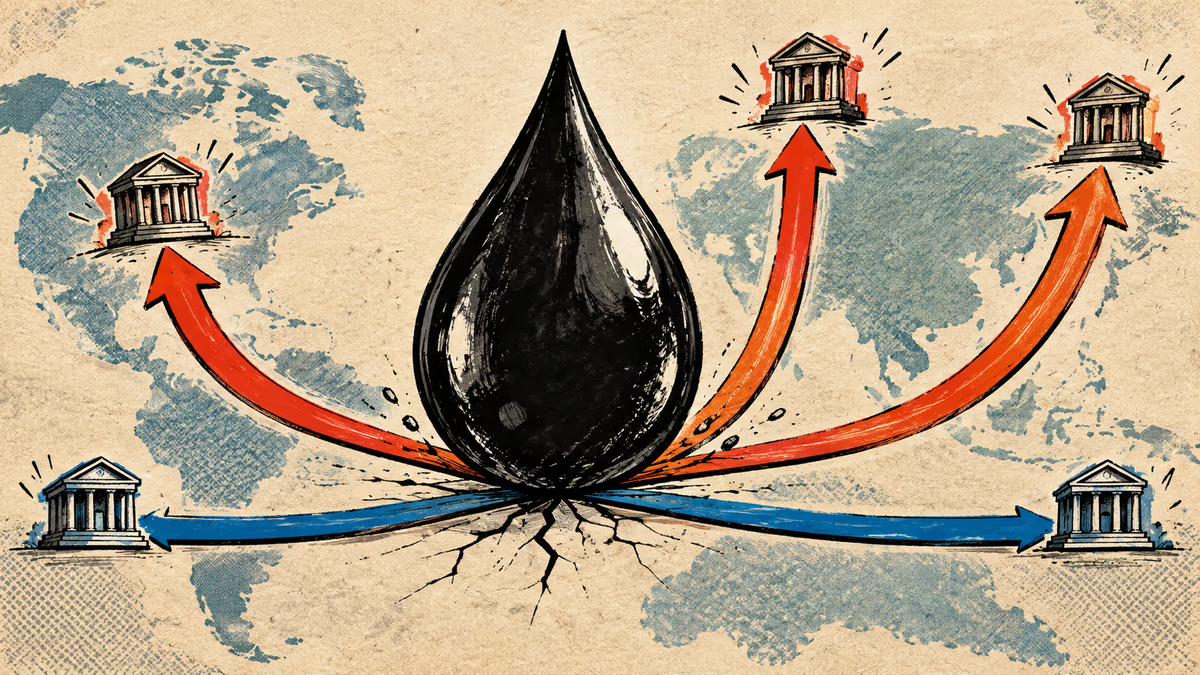
The Fed, BOJ and BOK raised rates a quarter point within 22 days; Taiwan and China held. What each said, plus the impact on Korean borrowers and the won.
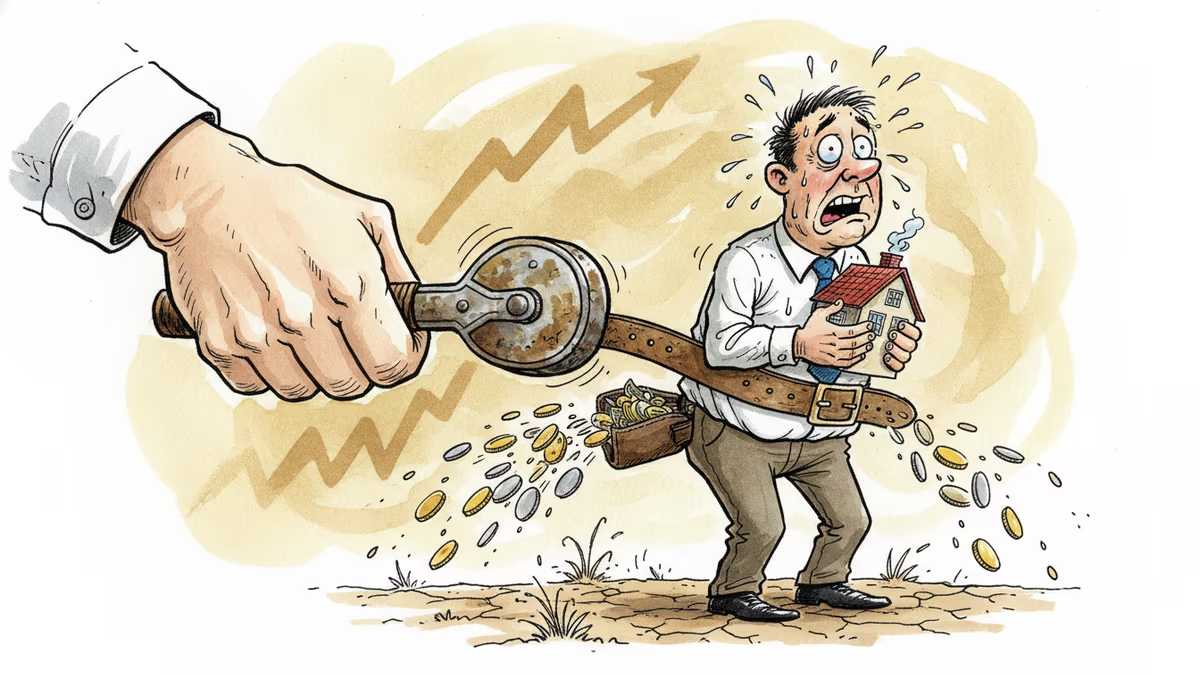
The Bank of Korea lifted its benchmark rate a quarter-point to 2.75%, its first increase in three and a half years. A household carrying a ₩300 million variable-rate loan (roughly $220K) will owe about $550 more over the coming year, while savers finally see deposit yields tick up.
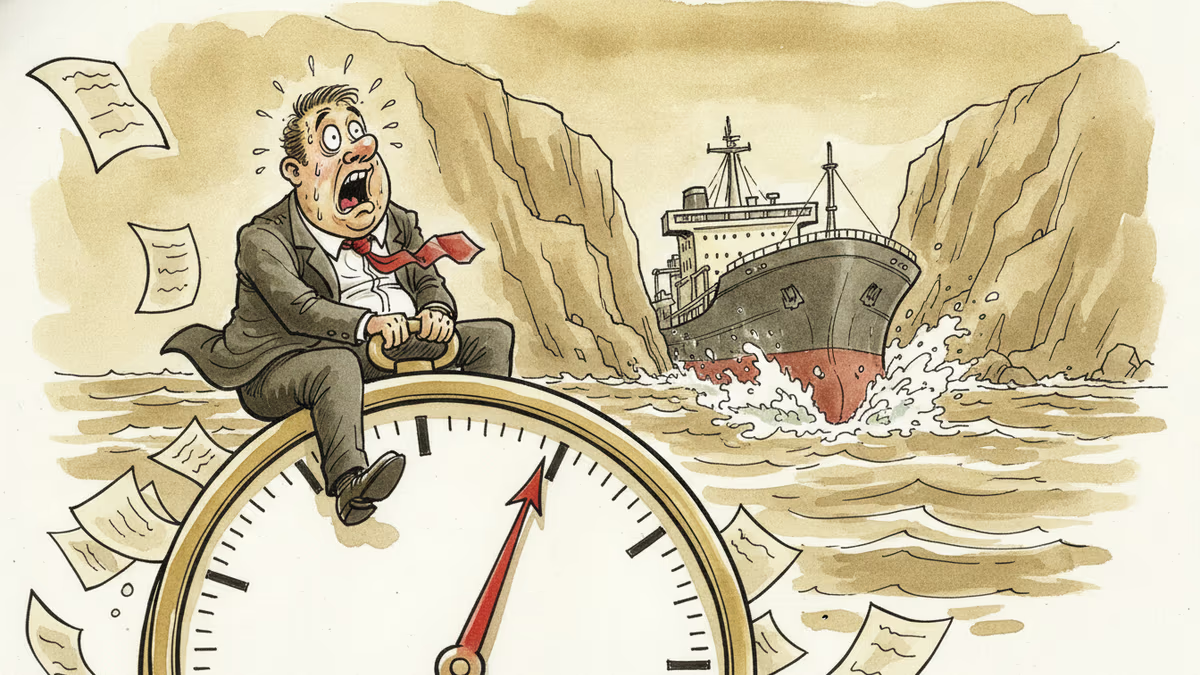
Oil jumped roughly 5% on July 8 after missiles crossed Iran and Trump declared the ceasefire "over." Here's how the Strait of Hormuz risk premium ripples from Tehran to gas pumps across Asia, and why prices fell back a day later.
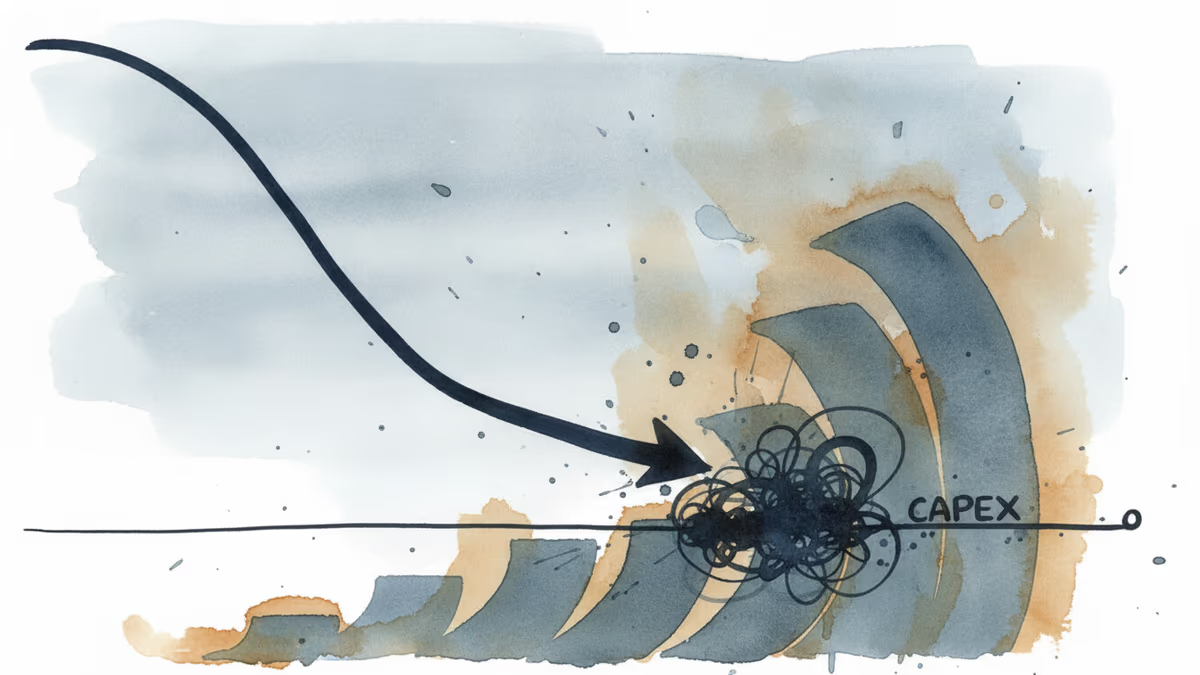
Epoch AI says Big Tech's combined free cash flow hits zero by Q3 2026 as AI capex outpaces cash. Compare the bubble and bull case—and check your 401(k).
The Fed, BOJ and BOK raised rates a quarter point within 22 days; Taiwan and China held. What each said, plus the impact on Korean borrowers and the won.
The Bank of Korea lifted its benchmark rate a quarter-point to 2.75%, its first increase in three and a half years. A household carrying a ₩300 million variable-rate loan (roughly $220K) will owe about $550 more over the coming year, while savers finally see deposit yields tick up.
Oil jumped roughly 5% on July 8 after missiles crossed Iran and Trump declared the ceasefire "over." Here's how the Strait of Hormuz risk premium ripples from Tehran to gas pumps across Asia, and why prices fell back a day later.
Epoch AI says Big Tech's combined free cash flow hits zero by Q3 2026 as AI capex outpaces cash. Compare the bubble and bull case—and check your 401(k).
Thoughts
Share your thoughts on this article
Sign in to join the conversation