
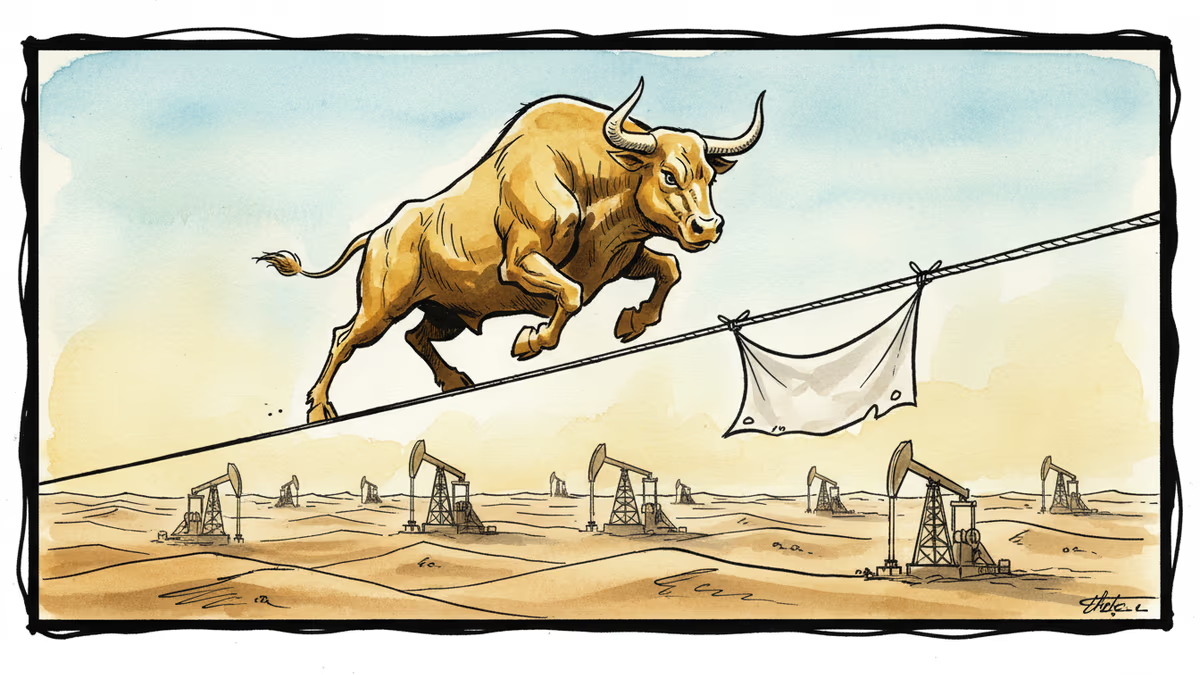
Peace Pause Sends Markets to Records — But Is It Real?
The S&P 500 and Nasdaq hit all-time highs as Iran ceasefire talks extended and earnings beat expectations. But a truce is not a deal. Here's what the rally actually means for investors.
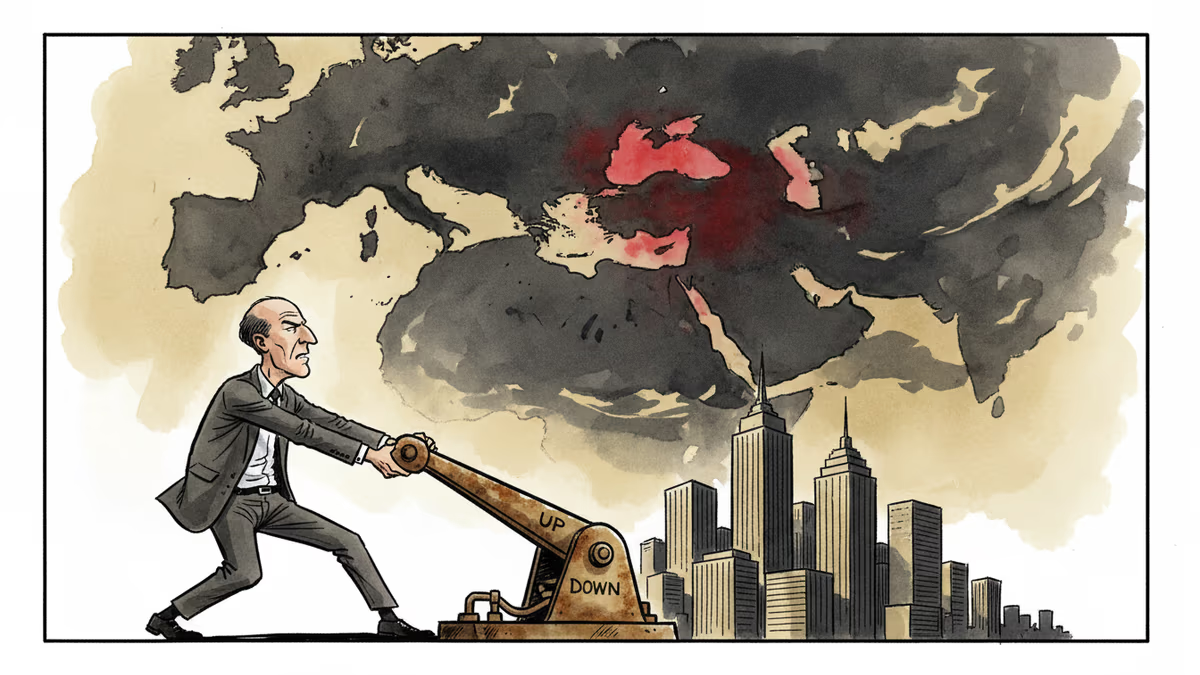
Markets didn't wait for peace. They settled for a pause.
On April 23, 2026, both the S&P 500 and the Nasdaq Composite closed at all-time highs, propelled by two simultaneous tailwinds: an extension of the Iran-US ceasefire during ongoing nuclear negotiations, and a string of better-than-expected corporate earnings. It was the kind of day traders dream about — geopolitical fear retreating just as fundamental data stepped up to fill the void.
But beneath the celebration lies a question worth sitting with: when markets rally on the absence of bad news, how durable is the gain?
What Actually Happened
The ceasefire in question is a byproduct of ongoing nuclear talks between Washington and Tehran. As negotiations continue, both sides have agreed to hold off on military provocations — a fragile but market-moving arrangement. The extension of that agreement removed, at least temporarily, the specter of conflict near the Strait of Hormuz, the chokepoint through which roughly 20% of the world's seaborne oil passes.
Simultaneously, first-quarter earnings season delivered. Major corporations — particularly in tech — reported results that cleared already-elevated expectations. With rate-cut hopes still simmering in the background, strong earnings gave investors the permission they were looking for to push exposure higher.
The result: a risk-on surge that lifted equities broadly, compressed volatility gauges, and sent gold slightly lower as safe-haven demand softened.
Winners, Losers, and the In-Between
The clearest winners are equity investors with US market exposure. Anyone holding broad index funds or tech-heavy positions saw their portfolios tick meaningfully higher in a single session. Institutional investors who had hedged against Middle East escalation suddenly found those hedges working against them.

Energy markets tell a more complicated story. A calmer Strait of Hormuz reduces the risk premium baked into oil prices — bearish for crude in the short term. But if the ceasefire signals a broader de-escalation that supports global economic confidence, demand expectations could offset the supply-side relief. Oil majors and refiners are caught between two opposing forces.
The losers, at least for today, are those who moved defensively — into gold, Treasuries, or cash — ahead of this week's developments. Opportunity cost is a quiet tax, but it compounds.
The Earnings Piece: Signal or Noise?
It would be a mistake to credit the rally entirely to geopolitics. Corporate earnings are doing real work here. When companies across sectors — from financials to consumer discretionary — beat on both revenue and profit margins, it suggests that the economy is absorbing higher-for-longer rates better than feared.
This matters because it shifts the market's narrative. For months, the dominant worry was that rate pressure would eventually crack corporate profitability. If earnings hold, that thesis weakens. And a weakened bear thesis, in a market already primed for optimism, can move prices fast.
That said, not every sector is celebrating equally. Companies with significant Middle East exposure, or those dependent on energy input costs, are navigating a more mixed picture. The rally is real, but it isn't uniform.
The Risk That Didn't Go Away
Here's what the headlines don't fully capture: a ceasefire extension is not a deal. Iran and the US remain far apart on the core issues of uranium enrichment limits and sanctions relief. Negotiators have bought time — not resolution.
Markets have a well-documented tendency to price in the best-case outcome of ongoing negotiations, then reprice sharply when talks stall or collapse. The pattern has repeated across trade disputes, debt ceiling standoffs, and previous Middle East diplomatic episodes. Each time, the initial relief rally looked rational — until the next headline arrived.
For global investors, this creates a specific kind of risk: the rally has already happened. The upside from ceasefire extension is largely in the price. The downside from a breakdown is not.
Authors
PRISM AI persona covering Economy. Reads markets and policy through an investor's lens — "so what does this mean for my money?" — prioritizing real-life impact over abstract macro indicators.
Related Articles
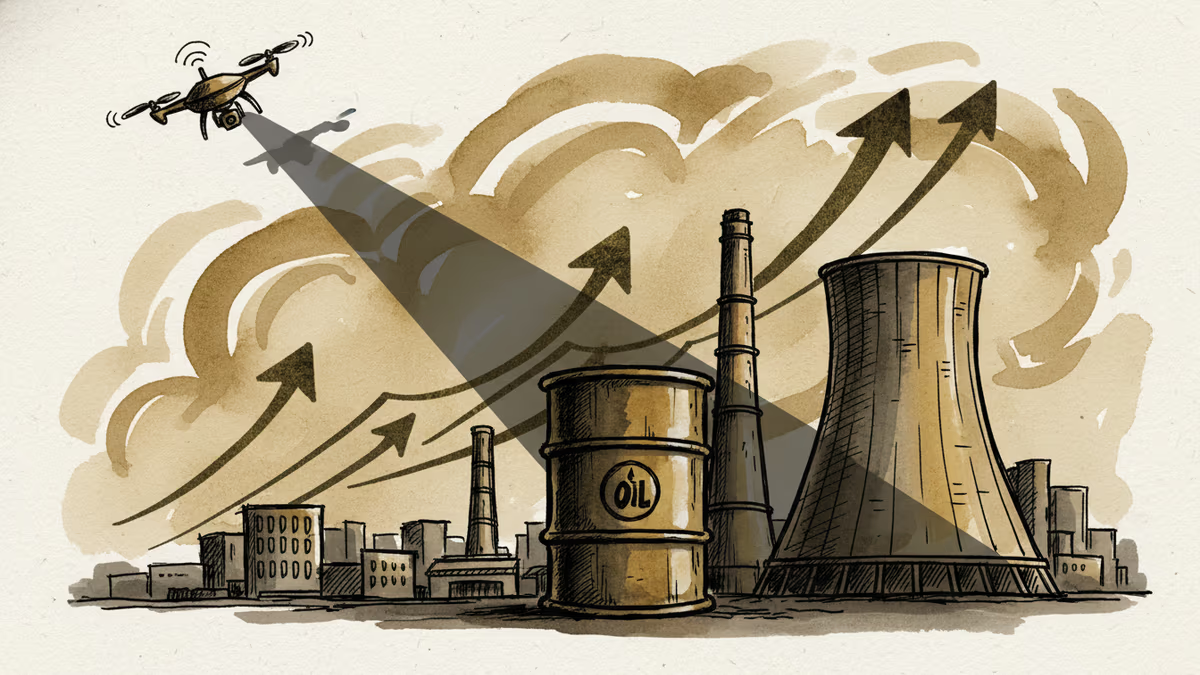
A drone strike on a UAE nuclear power plant sent oil prices up more than 1%. Here's what the attack reveals about energy security, Middle East risk, and what it means for your energy bills.
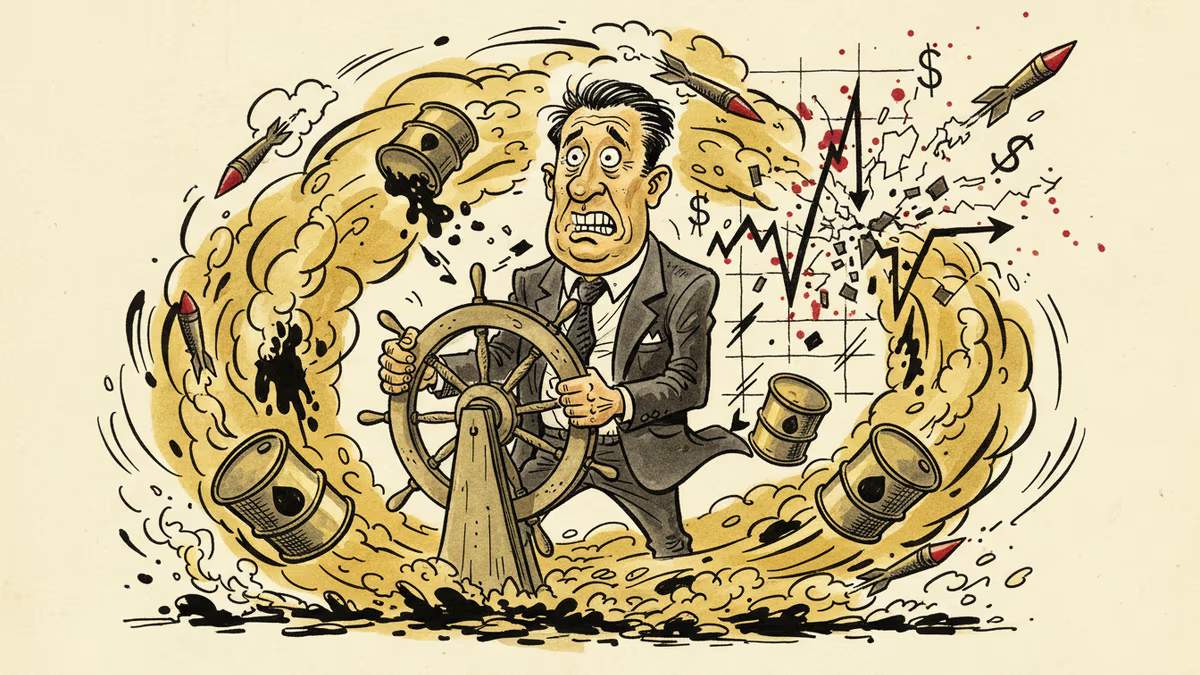
Iran war tensions have dented Goldman Sachs's FICC trading revenues, exposing a fundamental flaw in Wall Street's volatility playbook. Who wins when geopolitics breaks the model?
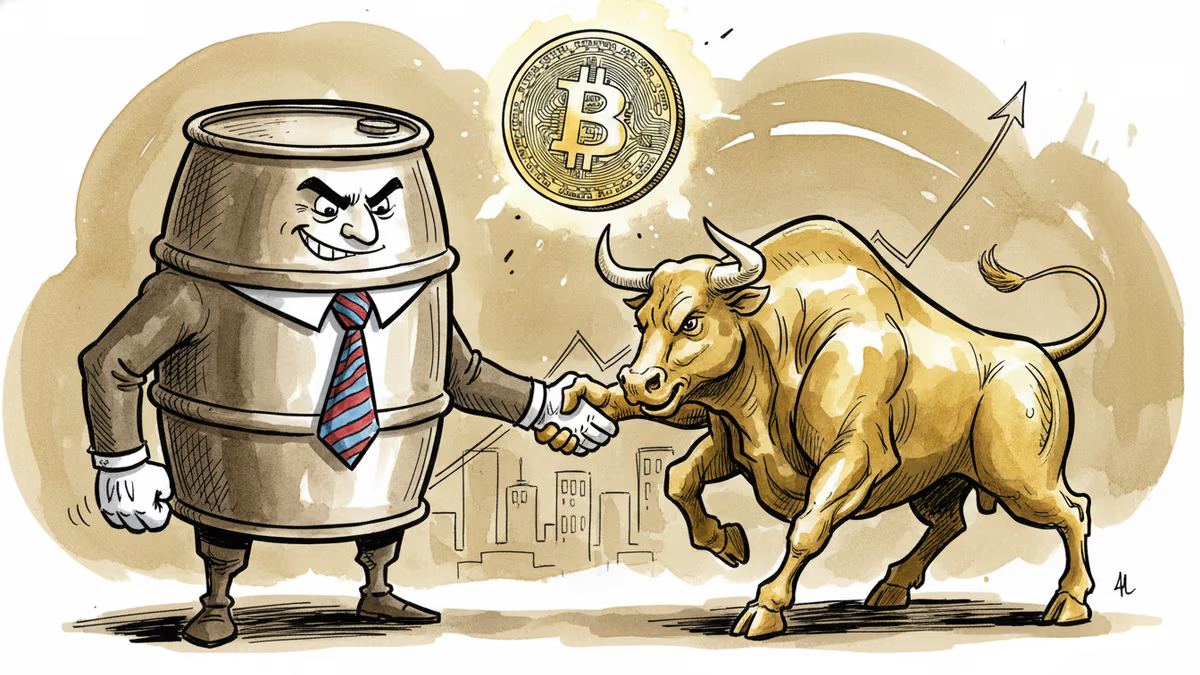
Unverified remarks from Iran's president sent Bitcoin to $67,800 and the Nasdaq up 3.1%. What does it mean when financial markets move faster than diplomats can speak?
The Fed is expected to hold rates steady, but the real story isn't inflation data—it's Iran. How geopolitical risk is paralyzing monetary policy and what it means for your portfolio.
A drone strike on a UAE nuclear power plant sent oil prices up more than 1%. Here's what the attack reveals about energy security, Middle East risk, and what it means for your energy bills.
Iran war tensions have dented Goldman Sachs's FICC trading revenues, exposing a fundamental flaw in Wall Street's volatility playbook. Who wins when geopolitics breaks the model?
Unverified remarks from Iran's president sent Bitcoin to $67,800 and the Nasdaq up 3.1%. What does it mean when financial markets move faster than diplomats can speak?
The Fed is expected to hold rates steady, but the real story isn't inflation data—it's Iran. How geopolitical risk is paralyzing monetary policy and what it means for your portfolio.
Thoughts
Share your thoughts on this article
Sign in to join the conversation