
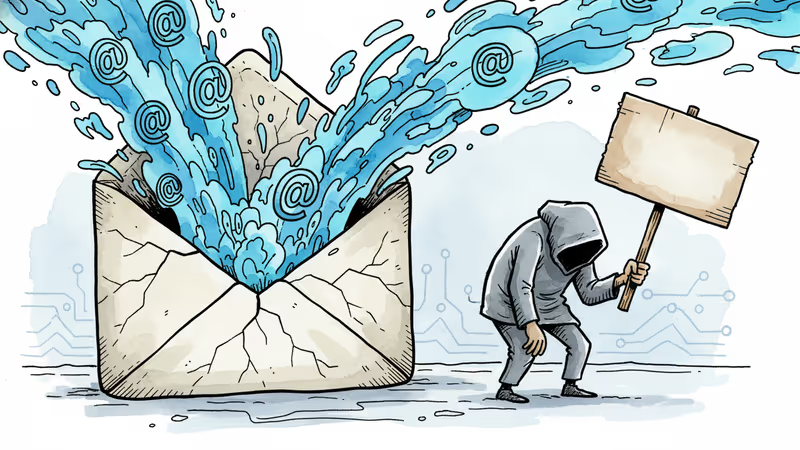
Substack's 4-Month Silence on Data Breach Raises Trust Questions
Substack disclosed a security incident from October 2025 that exposed user emails and phone numbers, but waited four months to inform users, sparking debate about transparency in creator platforms.
Four months. That's how long Substack users remained in the dark about a security breach that exposed their email addresses and phone numbers. The gap between the October 2025 incident and February 2026 disclosure isn't just a timeline issue—it's a trust problem that strikes at the heart of the creator economy.
What Actually Happened
Chris Best, Substack's CEO, sent users an email on February 3rd revealing that "an unauthorized third party" had accessed limited user data without permission. The exposed information included email addresses, phone numbers, and internal metadata. Passwords, credit card numbers, and financial data remained secure, the company emphasized.
But here's the kicker: the breach occurred in October 2025. Substack's explanation? They "identified evidence of the problem" on February 3rd. This raises an obvious question—did they really not know for four months, or did they know and choose not to tell?
The timing matters because email addresses aren't just contact details for Substack users—they're business assets. For creators building subscriber lists worth thousands of dollars, this data represents their livelihood.
The Creator Economy's Vulnerability
Substack has positioned itself as the antidote to social media's algorithmic chaos. Creators own their subscriber relationships, build direct revenue streams, and maintain editorial independence. But this incident exposes a fundamental vulnerability: when the platform fails, creators and their audiences pay the price.
Exposed email addresses and phone numbers create multiple attack vectors. Phishing campaigns targeting Substack users could exploit the trust relationship between creators and subscribers. Political newsletters, investigative journalists, and controversial voices face particular risks—their subscriber data could enable harassment or worse.

The breach also highlights how dependent creators have become on these platforms. Unlike traditional media companies with dedicated IT security teams, individual creators rely entirely on their platform's protection. When that fails, they have little recourse.
The Transparency Problem
The four-month delay is perhaps more damaging than the breach itself. Under GDPR, companies must report data breaches within 72 hours of discovery. California's privacy laws have similar requirements. Even if Substack isn't legally bound by these timelines globally, the delay suggests concerning priorities.
Security experts note that delayed disclosure often indicates companies prioritizing damage control over user protection. The longer the delay, the more time bad actors have to exploit stolen data. It also prevents users from taking protective measures like changing passwords or monitoring for suspicious activity.
Substack's explanation—that they "identified evidence" in February—feels inadequate. Modern security systems generate logs and alerts continuously. The idea that a breach could go completely undetected for months strains credibility.
Regulatory Scrutiny Ahead
This incident comes as regulators worldwide are tightening oversight of data protection. The EU's Digital Services Act and various state privacy laws in the US are creating new compliance requirements. Platforms that handle creator revenue and subscriber data face particular scrutiny.
Substack's handling of this breach could trigger regulatory investigations. The company operates globally but lacks the compliance infrastructure of larger tech platforms. This incident may force them to invest heavily in security and transparency measures they've previously avoided.
For creators, this raises questions about platform diversification. Relying entirely on one platform—whether Substack, YouTube, or any other—creates single points of failure. The most successful creators may need to treat platform relationships more like business partnerships, with appropriate due diligence.
Authors
Related Articles
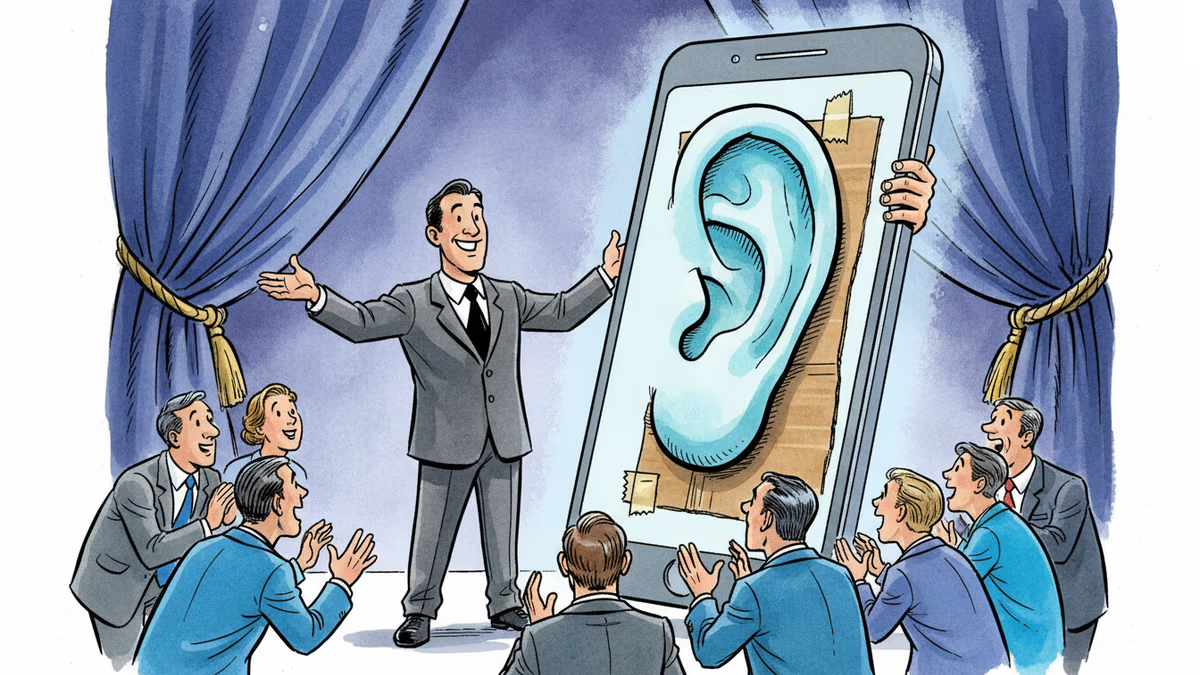
The FTC fined Cox Media and two ad firms $930,000 — not for actually eavesdropping on users, but for falsely claiming they could. The case raises uncomfortable questions about surveillance capitalism.
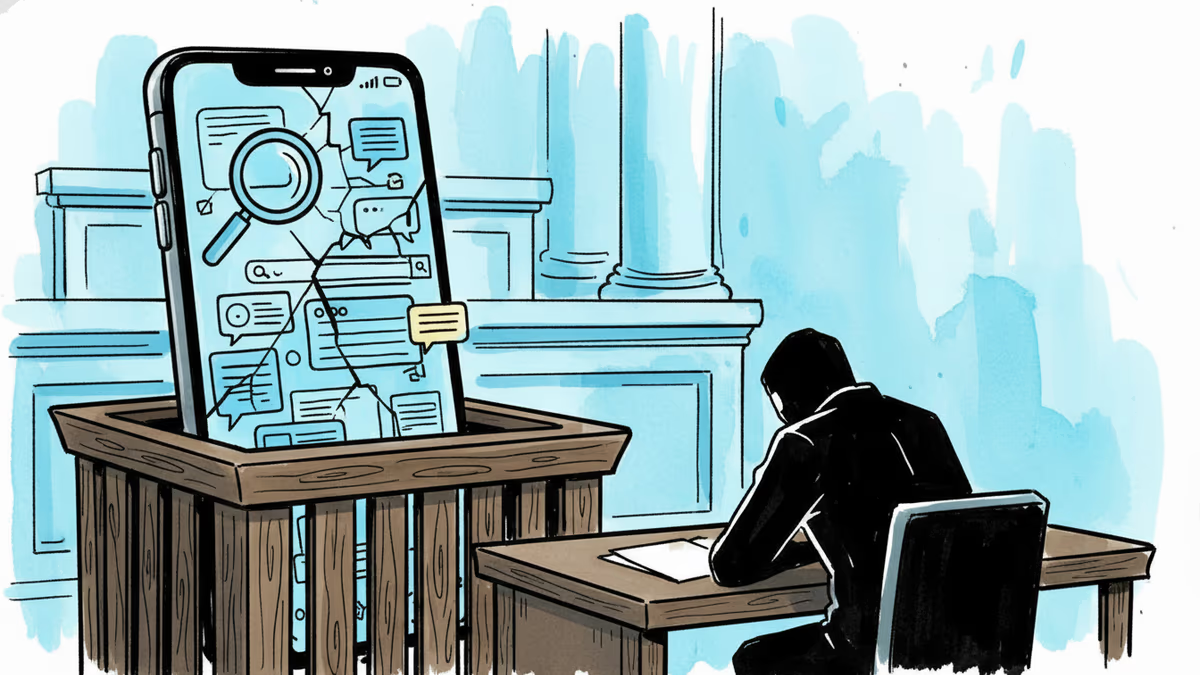
A Utah woman was sentenced to life in prison partly because of her Google searches and deleted texts. The Kouri Richins case reveals how digital footprints have become the courtroom's most reliable witness.
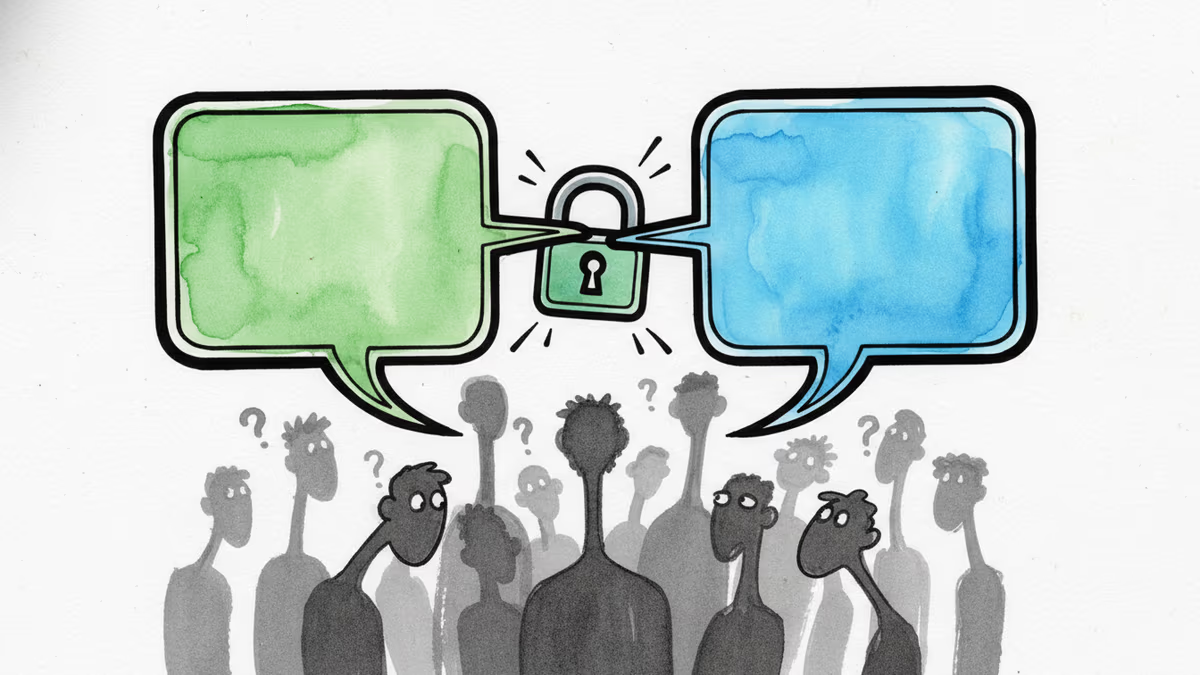
After 15 years of fragmented mobile messaging, Apple and Google are rolling out end-to-end encrypted RCS messaging between iPhones and Android devices. Here's what changed, why it took so long, and what it means for your privacy.
New Mexico already won $375 million from Meta. Now it wants something harder to give: a court order forcing Facebook, Instagram, and WhatsApp to redesign themselves. A three-week trial starts Monday.
The FTC fined Cox Media and two ad firms $930,000 — not for actually eavesdropping on users, but for falsely claiming they could. The case raises uncomfortable questions about surveillance capitalism.
A Utah woman was sentenced to life in prison partly because of her Google searches and deleted texts. The Kouri Richins case reveals how digital footprints have become the courtroom's most reliable witness.
After 15 years of fragmented mobile messaging, Apple and Google are rolling out end-to-end encrypted RCS messaging between iPhones and Android devices. Here's what changed, why it took so long, and what it means for your privacy.
New Mexico already won $375 million from Meta. Now it wants something harder to give: a court order forcing Facebook, Instagram, and WhatsApp to redesign themselves. A three-week trial starts Monday.
Thoughts
Share your thoughts on this article
Sign in to join the conversation