
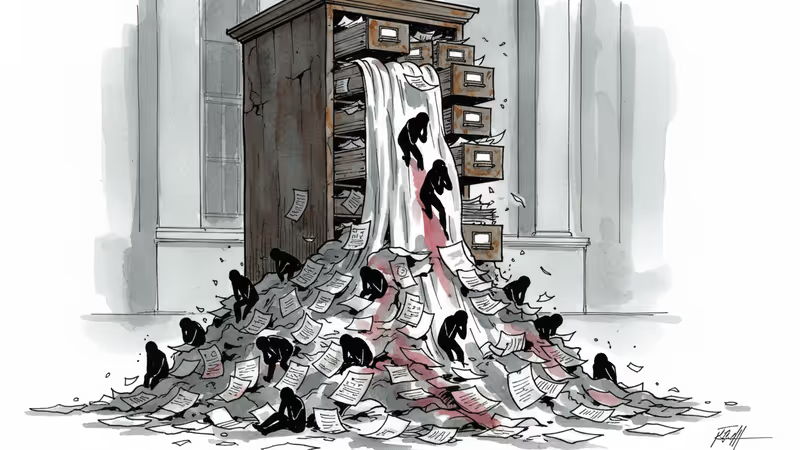
DOJ Botches Epstein File Release, Exposes Victims' Photos and Names
The Department of Justice failed to properly redact nude photos and names of 43 victims in the Epstein files release, raising serious questions about government information handling capabilities.
The Department of Justice missed its deadline by over a month, then botched the job entirely. When it finally released the Jeffrey Epstein files on Friday, 43 victims' names remained unredacted alongside dozens of nude photographs.
A Month Late, Millions of Mistakes
The Epstein Files Transparency Act set a clear deadline: December 19th. The DOJ blew past it by more than a month, giving the public hope that the extra time meant more careful preparation. Instead, it delivered a privacy nightmare.
The New York Times discovered "nearly 40 unredacted images that appeared to be part of a personal photo collection, showing both nude bodies and the faces of the people portrayed." These weren't accidental glimpses or partial exposures—they were complete, identifiable photographs that should never have seen public light.
The photos showed at least seven different people across various locations, including what appeared to be Epstein's private island beaches and intimate bedroom settings. While the subjects appeared young, it remained unclear whether they were minors—a distinction that hardly matters when it comes to the violation of releasing such images without consent.

When Government Fails Its Most Basic Duty
This isn't just bureaucratic incompetence. It's a fundamental failure to protect the most vulnerable people in one of America's most high-profile criminal cases. These victims have already endured unimaginable trauma—now they face the additional violation of having their most private moments broadcast to the world.
The DOJ had one job: balance transparency with victim protection. They had extra time to get it right. Yet they managed to fail on both counts—delivering information too late while simultaneously exposing the very people the justice system is supposed to protect.
The Digital Age Dilemma
This debacle highlights a growing challenge for government agencies in the digital era. Redacting paper documents with black markers is child's play compared to properly sanitizing digital files, which can contain hidden metadata, embedded images, and layers of information invisible to casual review.
But that's exactly why government agencies need better systems, better training, and better oversight. If a private company exposed customer data this carelessly, it would face massive fines and congressional hearings. Government agencies, it seems, operate under different rules.
Authors
Related Articles
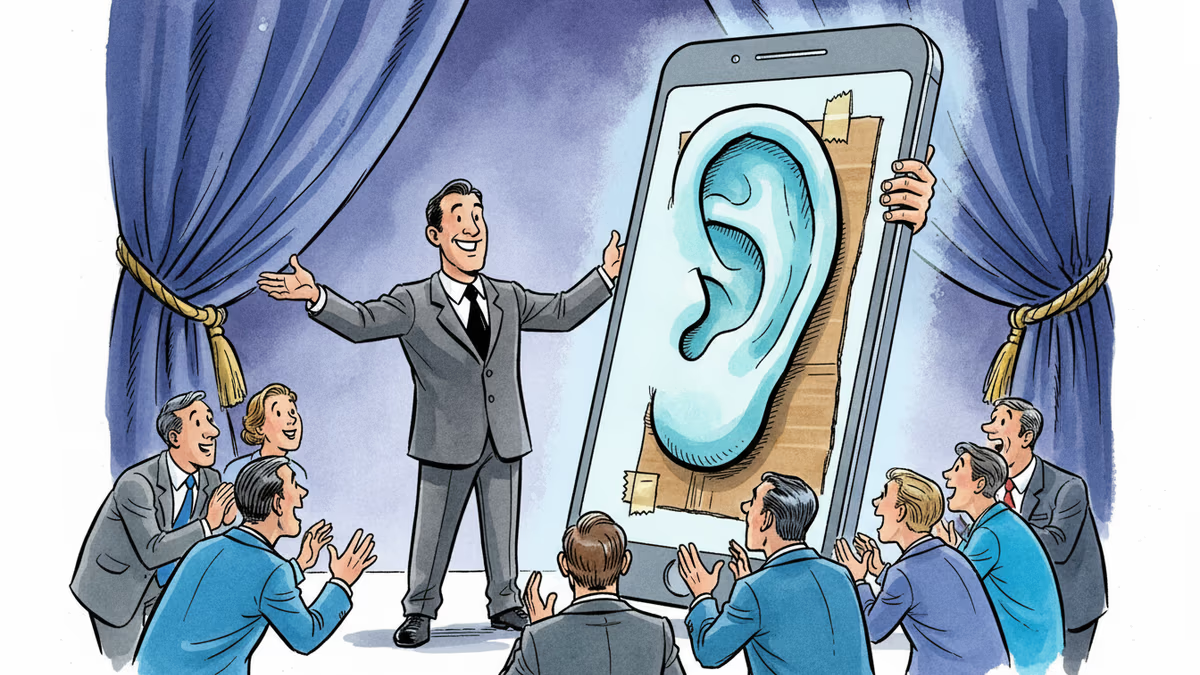
The FTC fined Cox Media and two ad firms $930,000 — not for actually eavesdropping on users, but for falsely claiming they could. The case raises uncomfortable questions about surveillance capitalism.
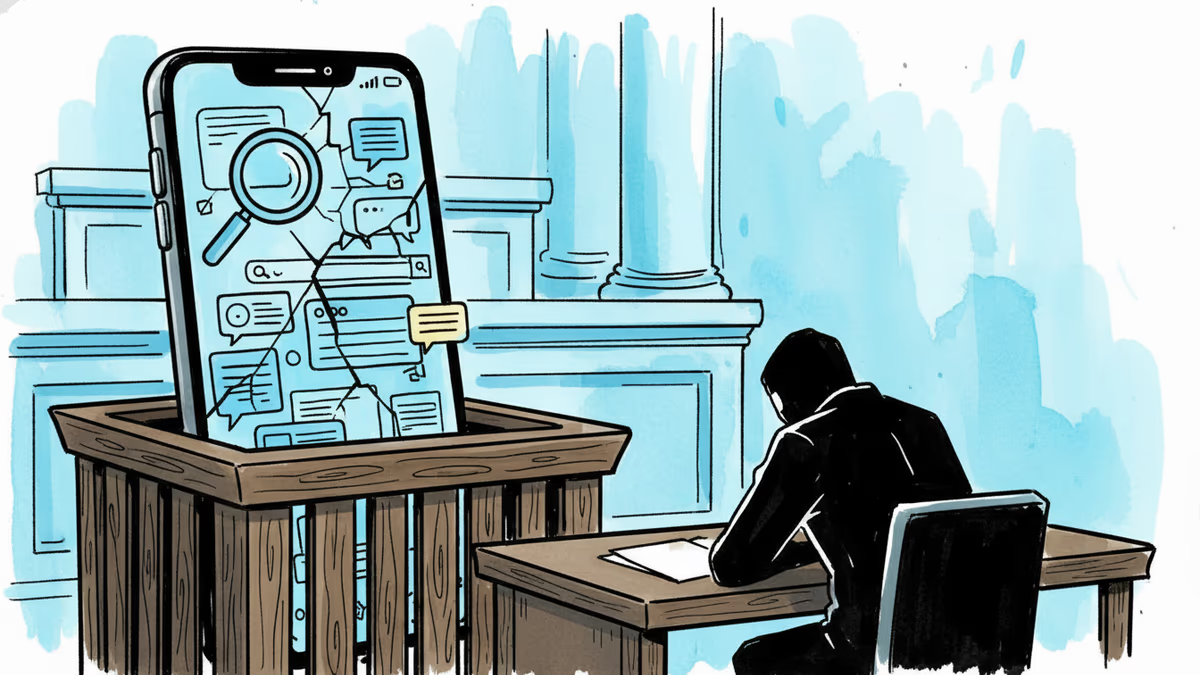
A Utah woman was sentenced to life in prison partly because of her Google searches and deleted texts. The Kouri Richins case reveals how digital footprints have become the courtroom's most reliable witness.
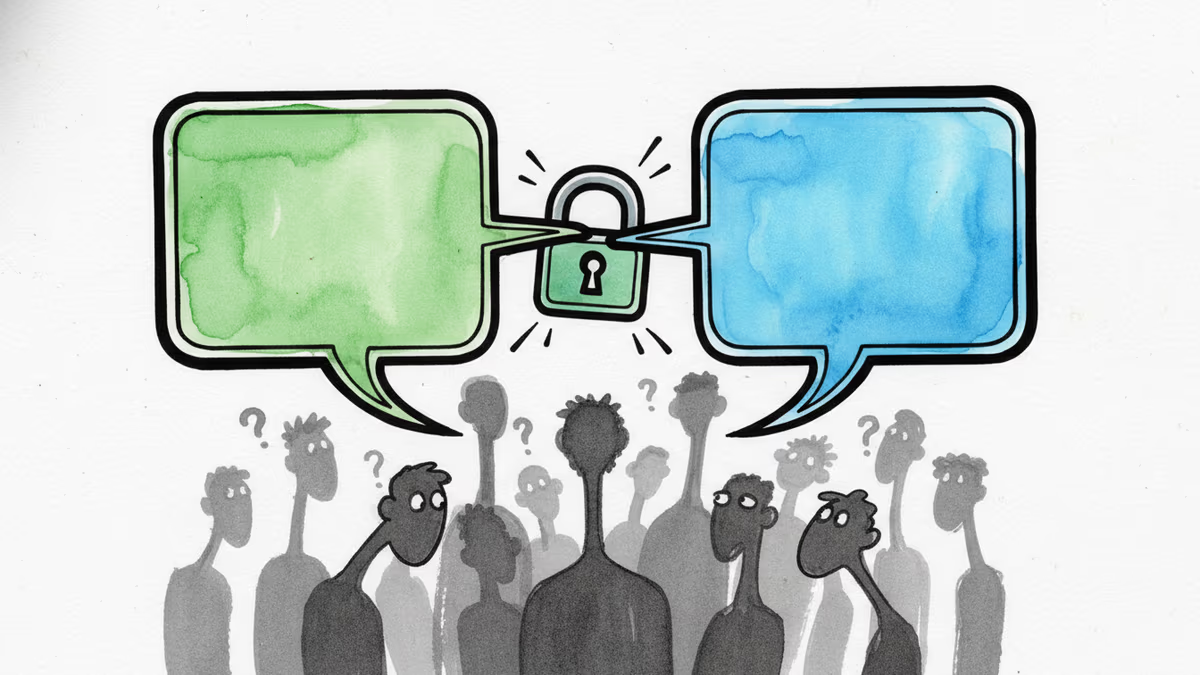
After 15 years of fragmented mobile messaging, Apple and Google are rolling out end-to-end encrypted RCS messaging between iPhones and Android devices. Here's what changed, why it took so long, and what it means for your privacy.
New Mexico already won $375 million from Meta. Now it wants something harder to give: a court order forcing Facebook, Instagram, and WhatsApp to redesign themselves. A three-week trial starts Monday.
The FTC fined Cox Media and two ad firms $930,000 — not for actually eavesdropping on users, but for falsely claiming they could. The case raises uncomfortable questions about surveillance capitalism.
A Utah woman was sentenced to life in prison partly because of her Google searches and deleted texts. The Kouri Richins case reveals how digital footprints have become the courtroom's most reliable witness.
After 15 years of fragmented mobile messaging, Apple and Google are rolling out end-to-end encrypted RCS messaging between iPhones and Android devices. Here's what changed, why it took so long, and what it means for your privacy.
New Mexico already won $375 million from Meta. Now it wants something harder to give: a court order forcing Facebook, Instagram, and WhatsApp to redesign themselves. A three-week trial starts Monday.
Thoughts
Share your thoughts on this article
Sign in to join the conversation