
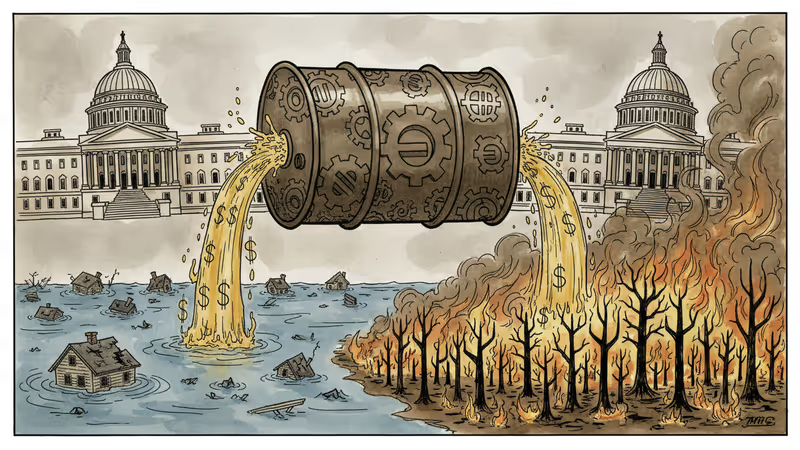
Climate Bills Coming Due: States Target Big Oil
Illinois joins growing movement of US states creating climate superfunds to make fossil fuel companies pay for climate change damages. A new paradigm in climate cost allocation is emerging across America.
Your home insurance premium just doubled. Your utility bills are climbing. Record-breaking storms keep hitting your community. Someone has to pay for all this climate damage—and increasingly, states are deciding it shouldn't be you.
Illinois lawmakers are preparing to introduce a climate change superfund bill this legislative session, joining a growing chorus of states demanding that fossil fuel companies help foot the bill for climate adaptation and recovery. It's a fundamental shift in who bears the cost of our warming world.
The Great Cost Shift
State Rep. Robyn Gabel, who will sponsor the Illinois bill, isn't mincing words about her motivation: rising flood risks and deadly heat waves are threatening her constituents. This isn't environmental activism—it's economic survival.
Right now, climate costs fall heavily on individuals and local governments. Homeowners face skyrocketing insurance premiums. Cities drain budgets rebuilding after storms. Taxpayers fund emergency responses to heat waves and hurricanes. The climate superfund model flips this equation.
Based on the federal Superfund program that makes polluters pay for toxic cleanup, climate superfunds apply the same "polluter pays" principle to global warming. Companies that contributed significantly to greenhouse gas emissions would contribute to funds supporting climate resilience and adaptation projects.
Beyond Illinois: A National Movement
Illinois isn't pioneering this approach—it's catching up. New York already passed its climate superfund law last year. Vermont is actively considering similar legislation. California, Massachusetts, Maryland, and other states are exploring their own versions.

The mechanics vary, but the core concept remains consistent: major fossil fuel companies would pay into state funds based on their historical emissions. These funds would finance everything from sea-level rise infrastructure to extreme weather preparedness, renewable energy transitions to public health programs.
The oil industry's response is predictably fierce. Companies argue these laws create legal uncertainty, unfairly target their industry, and retroactively punish past legal activities. But as climate damages mount and become impossible to ignore, public sentiment is shifting toward holding major emitters accountable.
The Broader Implications
This movement reflects a deeper transformation in how Americans think about climate responsibility. For decades, the costs of climate change have been treated as unavoidable natural disasters or unfortunate externalities. The superfund approach reframes them as consequences with identifiable causes—and responsible parties.
The financial stakes are enormous. Climate damages in the US already run into hundreds of billions annually, and they're accelerating. If even a handful of major states successfully implement climate superfunds, it could reshape corporate climate strategies nationwide.
Investors are watching closely. Oil companies face the prospect of significant new liabilities just as they're already grappling with the energy transition. Meanwhile, renewable energy and climate adaptation sectors could see major new funding streams.
The Accountability Question
But the superfund model raises complex questions about fairness and effectiveness. How do you fairly allocate responsibility for emissions that occurred decades ago under different regulatory frameworks? Should companies that have since invested heavily in clean energy face the same obligations as those that haven't?
There's also the practical challenge of implementation. Oil companies will almost certainly challenge these laws in court, potentially tying up funds for years. And if successful, will the money actually reach the communities most affected by climate change?
Authors
Related Articles
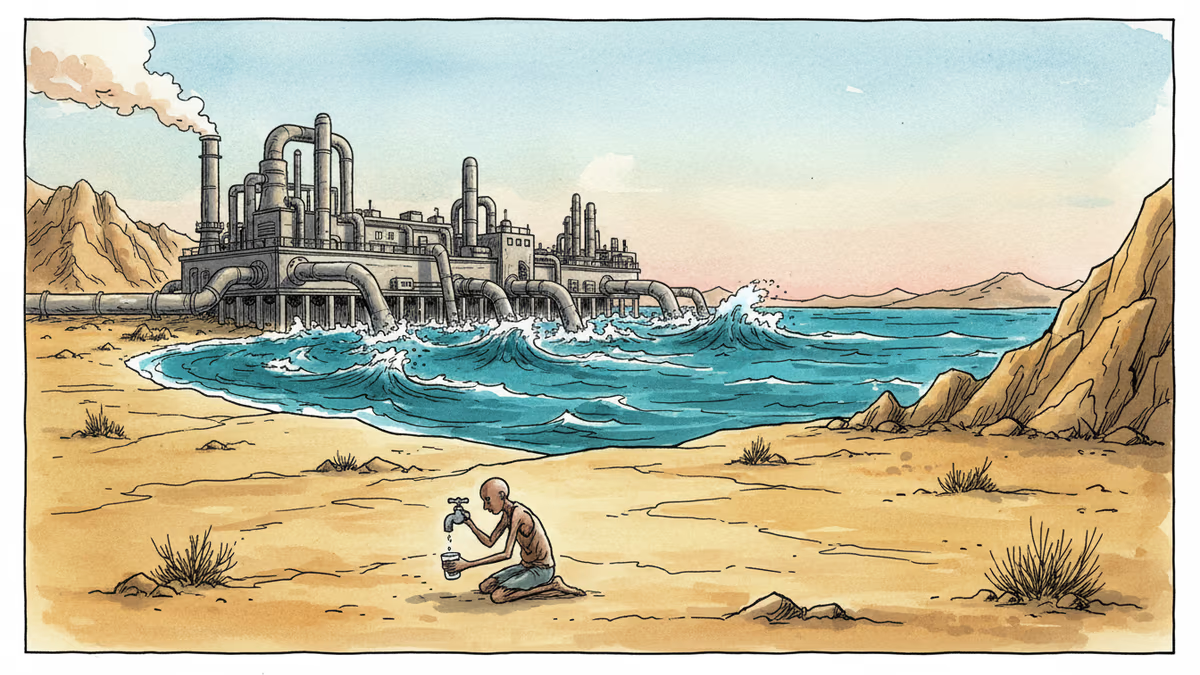
Qatar gets 99% of its drinking water from the sea. As the Middle East prepares to spend $25 billion expanding desalination capacity, this once-niche technology is becoming critical global infrastructure.

Vulnerable nations are suing wealthy countries and corporations for climate damages, backed by increasingly precise attribution science that could reshape global accountability.
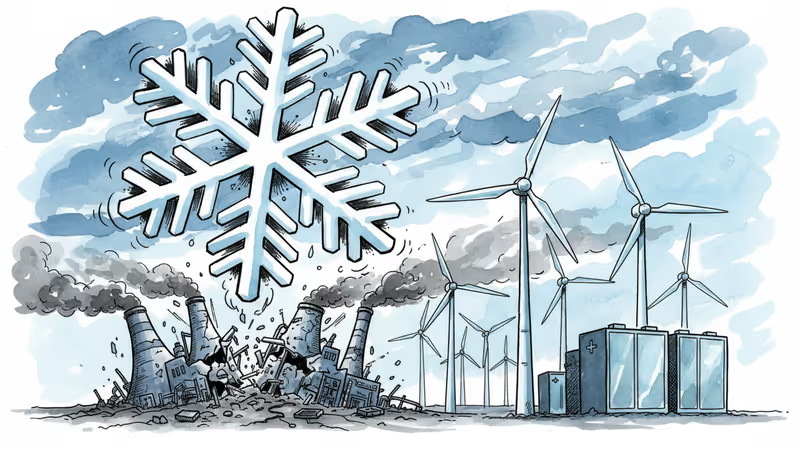
Massive fossil fuel outages during East Coast snowstorm show grid vulnerabilities, while Texas batteries prove their worth. What does this mean for energy security in an era of extreme weather?
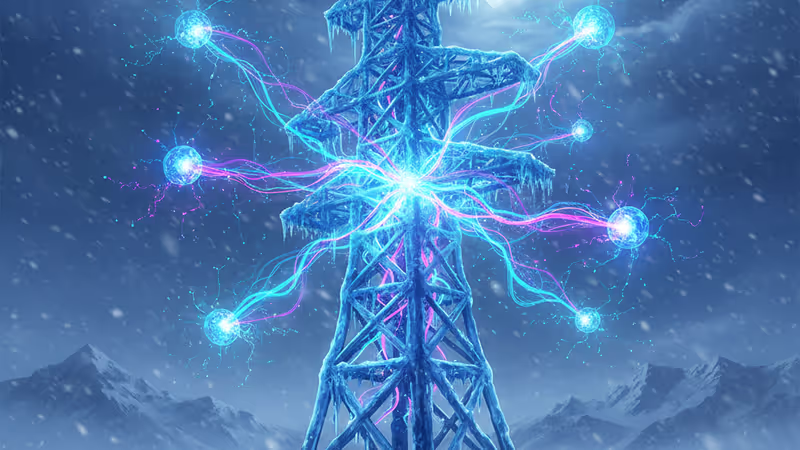
170 million Americans face a historic deep freeze. The 2026 US record winter storm brings -50°F wind chills and threatens critical infrastructure.
Qatar gets 99% of its drinking water from the sea. As the Middle East prepares to spend $25 billion expanding desalination capacity, this once-niche technology is becoming critical global infrastructure.
Vulnerable nations are suing wealthy countries and corporations for climate damages, backed by increasingly precise attribution science that could reshape global accountability.
Massive fossil fuel outages during East Coast snowstorm show grid vulnerabilities, while Texas batteries prove their worth. What does this mean for energy security in an era of extreme weather?
170 million Americans face a historic deep freeze. The 2026 US record winter storm brings -50°F wind chills and threatens critical infrastructure.
Thoughts
Share your thoughts on this article
Sign in to join the conversation