
Why $230 Earbuds Feel Like Half a Product
Sony LinkBuds Clip review reveals the pricing bubble in open earbuds and the consumer dilemma of paying premium for compromise.
What $230 Actually Buys You
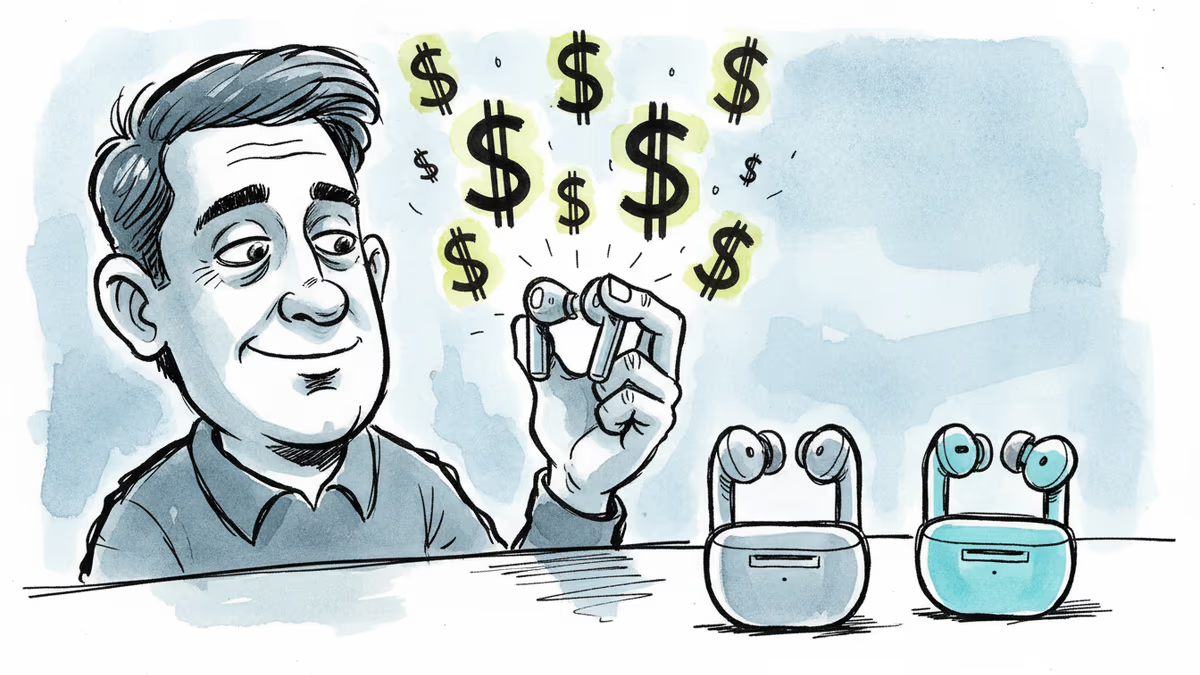
Sony's new LinkBuds Clip costs $230. For the same money, you could buy AirPods Pro, or eight pairs of $30 open earbuds that do roughly the same thing. So why is Sony charging premium prices for what feels like a compromise product?
The answer reveals something uncomfortable about how tech companies price "innovation." When a new category emerges—like open earbuds—early adopters pay not just for the product, but for the privilege of being first. The question is whether that privilege is worth 200 extra dollars.
The Promise vs. Reality
Open earbuds solve a real problem. They let you listen to music while staying aware of your surroundings—perfect for cycling, jogging, or working in an office where you need to hear colleagues. It's a genuinely useful middle ground between total isolation and no audio at all.
The LinkBuds Clip delivers on this basic promise. Nine hours of battery life, intuitive touch controls, and Sony's signature sound tuning all work as advertised. The clip-on design is comfortable enough for all-day wear.
But here's where things get awkward: they're essentially useless in loud environments. Subway? Forget it. Busy café? You'll catch maybe half your podcast. Phone calls sound like you're on speakerphone from 2005. No wireless charging, despite the premium price tag.
The Competition Problem

Here's what makes Sony's pricing particularly bold: Anker'sSoundcore AeroCLIP costs $60 and reportedly sounds better. Budget options start at $30 and deliver 80% of the experience. Bose's$300Ultra Open earbuds are genuinely superior but cost even more.
This creates a strange market dynamic. Unlike traditional earbuds, where expensive models clearly outperform cheap ones, open earbuds hit a performance ceiling quickly. Physics limits how good they can sound without sealing your ear canal.
So consumers aren't really paying for dramatically better audio. They're paying for brand recognition, app integration, and design refinements that may or may not matter to them.
The Early Adopter Tax
Tech history is littered with expensive first-generation products that seem overpriced in hindsight. Remember $600 first-gen iPhones? $1,500 early VR headsets? The pattern is always the same: high prices for imperfect products, followed by rapid improvement and price drops.
Open earbuds are following this script perfectly. Early models were expensive and limited. Now we're seeing the second wave—still pricey, still compromised, but slightly better. The question for consumers is whether to pay the early adopter tax or wait for the inevitable price corrections.
The Bigger Picture
Sony's pricing strategy reflects a broader trend in consumer electronics: companies are increasingly charging premium prices for niche products that serve specific use cases rather than being universally excellent.
This isn't necessarily wrong, but it requires honest marketing. Open earbuds aren't replacements for traditional headphones—they're specialized tools for specific situations. Pricing them like flagship products creates unrealistic expectations.
Authors
Related Articles

Xreal's Project Aura debuted at Google I/O with OLED displays, hand tracking, and an IPO on the horizon. The industry has burned billions for a decade. So why does it feel like something has actually shifted?
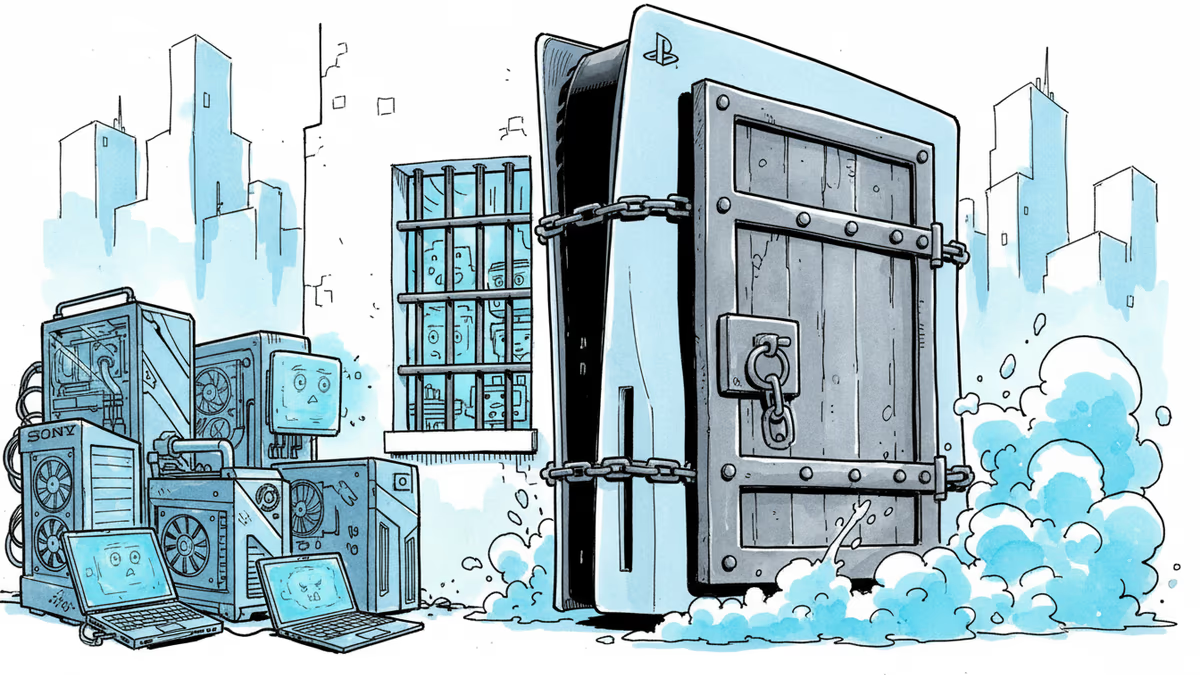
Sony is pulling its major single-player PlayStation games from PC. After six years of multiplatform expansion, the reversal raises hard questions about exclusivity, hardware sales, and who really controls gaming's future.
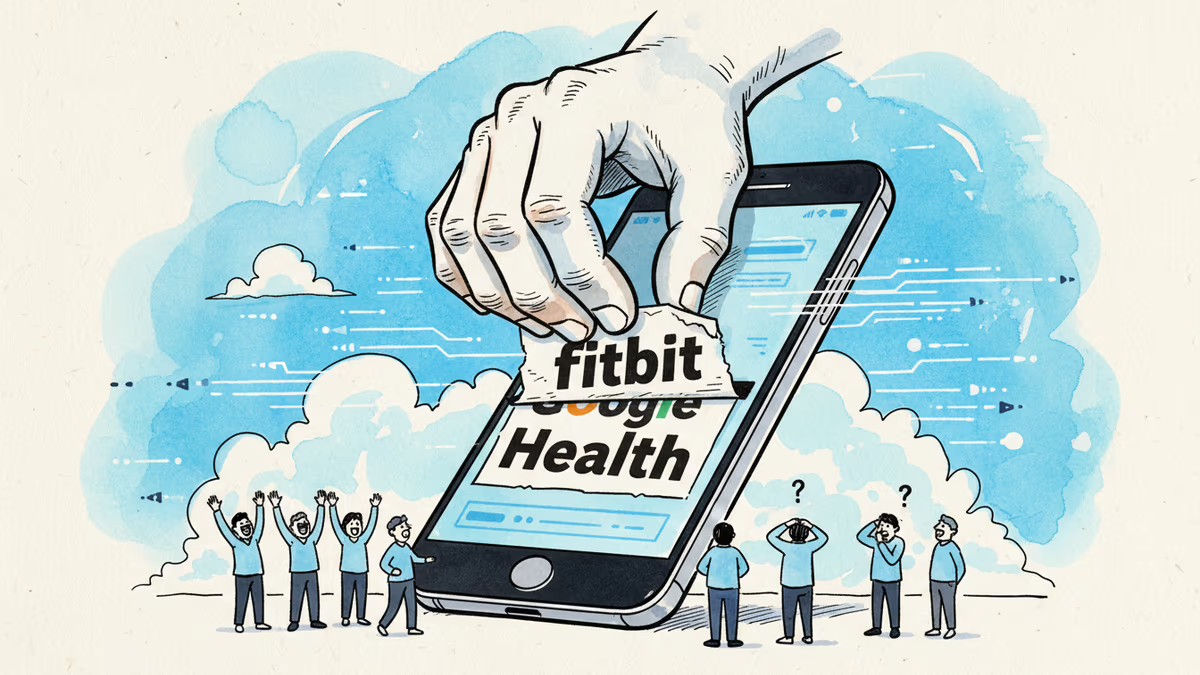
Google is rebranding the Fitbit app as Google Health on May 19, launching an AI Health Coach powered by Gemini. What does this mean for your data, your doctor, and Apple?
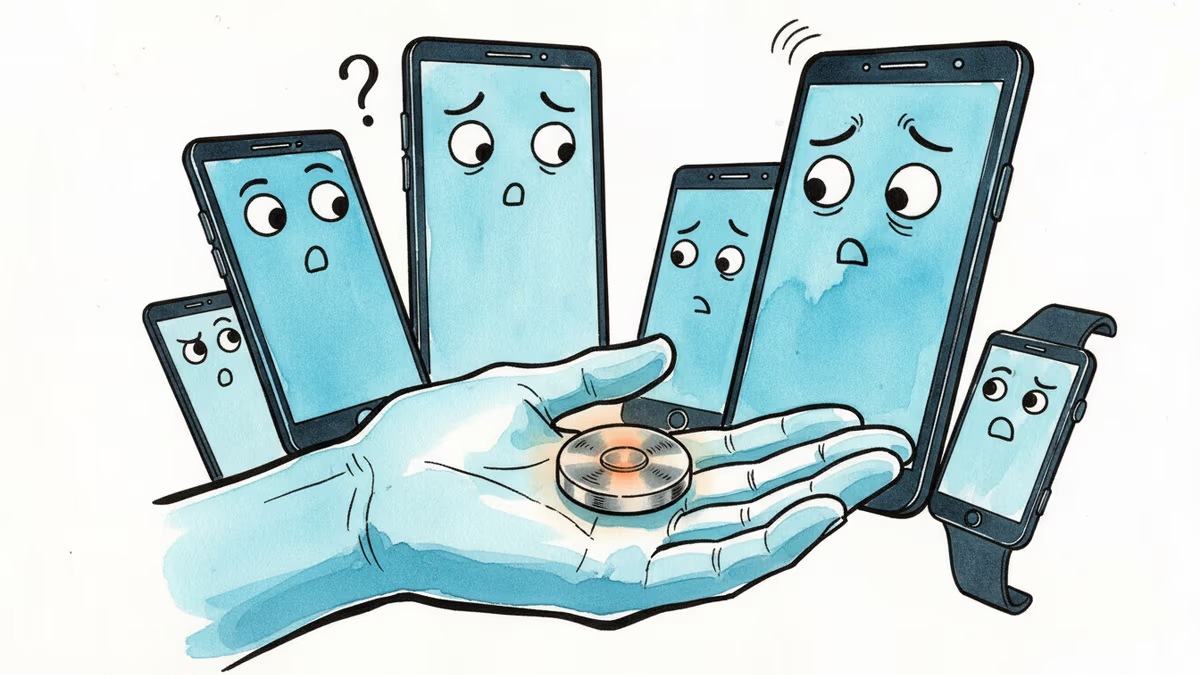
Two ex-Apple engineers built an AI puck that only listens when you press it. At $179, Button is a deliberate bet that dedicated AI hardware beats the Swiss Army knife approach of smartphones.
Xreal's Project Aura debuted at Google I/O with OLED displays, hand tracking, and an IPO on the horizon. The industry has burned billions for a decade. So why does it feel like something has actually shifted?
Sony is pulling its major single-player PlayStation games from PC. After six years of multiplatform expansion, the reversal raises hard questions about exclusivity, hardware sales, and who really controls gaming's future.
Google is rebranding the Fitbit app as Google Health on May 19, launching an AI Health Coach powered by Gemini. What does this mean for your data, your doctor, and Apple?
Two ex-Apple engineers built an AI puck that only listens when you press it. At $179, Button is a deliberate bet that dedicated AI hardware beats the Swiss Army knife approach of smartphones.
Thoughts
Share your thoughts on this article
Sign in to join the conversation