

California Billionaire Wealth Tax 2026: The Real Reason Silicon Valley is Fleeing
Silicon Valley faces a major shift with the proposed California billionaire wealth tax 2026. Learn why founders like Larry Page are eyeing Miami as voting power becomes a taxable asset.
Silicon Valley's elite are packing their bags, and it's not just because of a 5% top-line rate. The proposed California billionaire wealth tax 2026 contains a provision that scares founders more than any income tax ever could: it targets voting control instead of just equity ownership.
Taxing Power: The Technicality Behind the California Billionaire Wealth Tax 2026
According to the New York Post, the proposal would hit founders on their voting shares. Take Larry Page, who owns only about 3% of Google but controls 30% of its voting power through dual-class stock. Under this new formula, he'd owe taxes on that 30% stake. For a tech giant valued in the trillions, that's an enormous bill for wealth he hasn't actually realized.

The Resistance: 'Save California' and the Miami Exodus
The backlash is fierce and bipartisan. As reported by the WSJ, tech leaders have formed a Signal group called 'Save California.' It includes everyone from David Sacks to Chris Larsen. They've labeled the proposal as "Communism" and warn it'll destroy the state's innovation engine.
Even Governor Gavin Newsom is fighting the measure. He told the New York Times he's been "relentlessly working behind the scenes" to defeat it. However, the healthcare union pushing the initiative argues it's necessary to raise $100 billion from roughly 200 individuals to offset deep federal cuts to Medicaid.
Authors
Related Articles
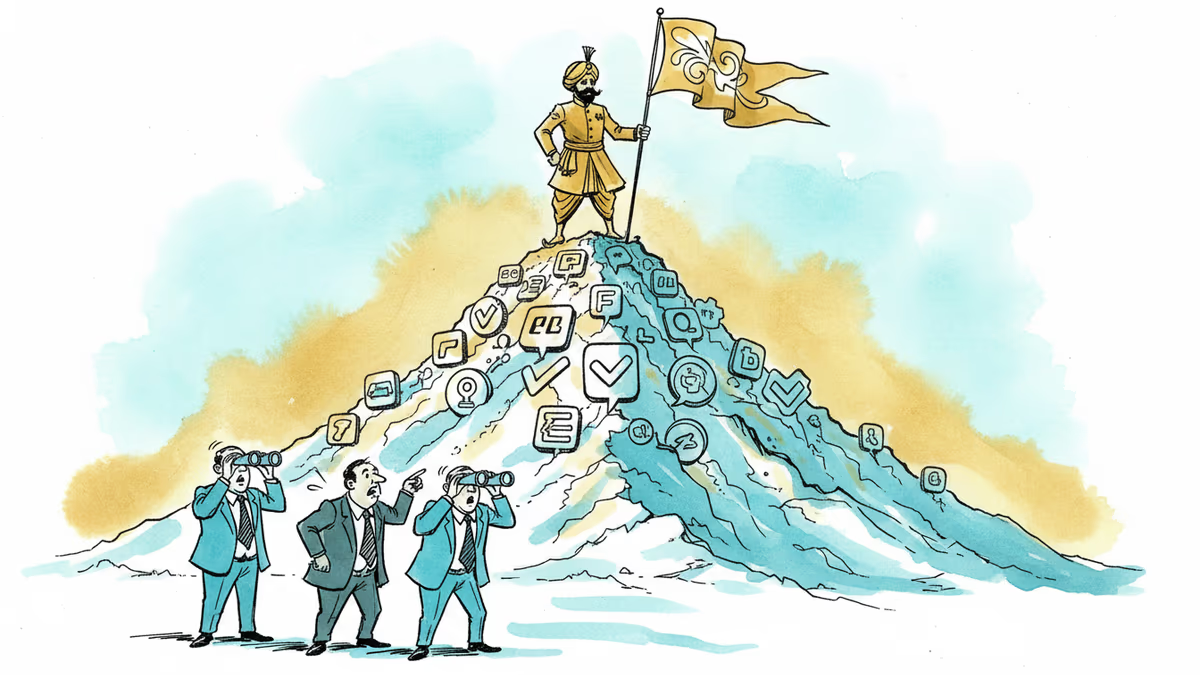
Indian venture capital has quietly displaced Silicon Valley in its own backyard. Only one American VC made India's top 10 investor list last year. Here's why that matters beyond India.
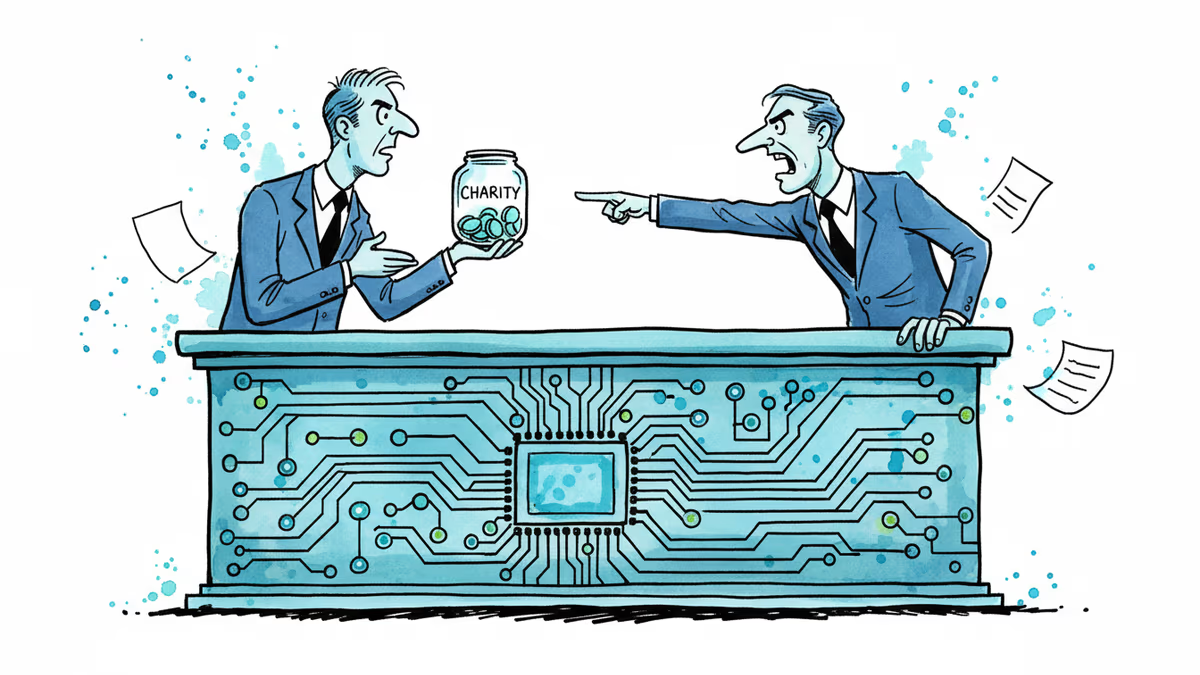
After two weeks of witnesses calling him a liar, OpenAI CEO Sam Altman testified in his own defense, claiming Elon Musk tried to kill the company twice.
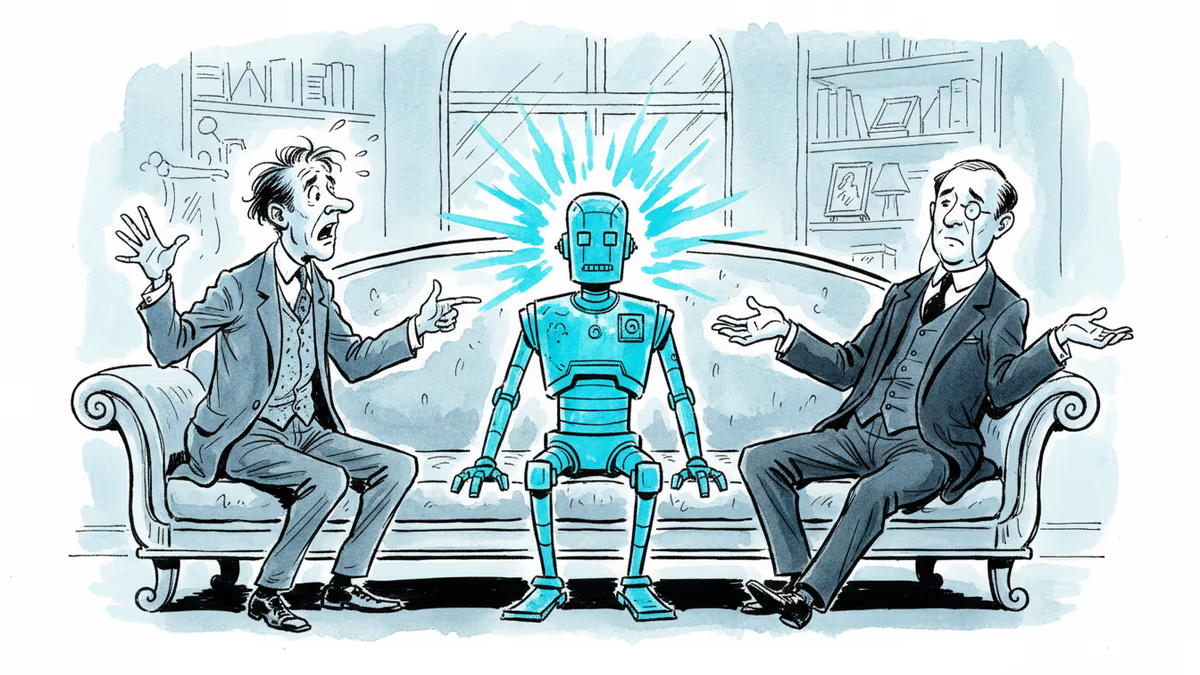
At his OpenAI trial, Elon Musk testified under oath about a falling-out with Larry Page over AI safety. The story reveals how personal philosophy shapes billion-dollar industries.
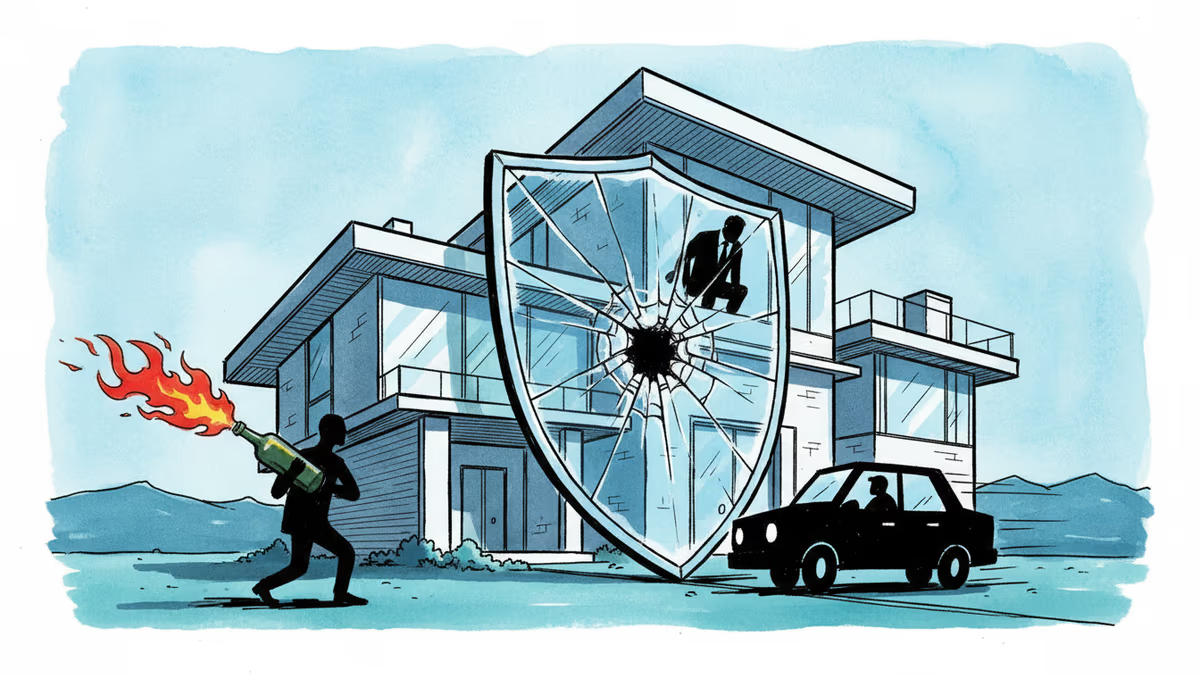
OpenAI CEO Sam Altman's San Francisco residence was attacked twice in three days — first a Molotov cocktail, then a shooting. What does this say about tech power, public anger, and the real-world risks facing AI leaders?
Indian venture capital has quietly displaced Silicon Valley in its own backyard. Only one American VC made India's top 10 investor list last year. Here's why that matters beyond India.
After two weeks of witnesses calling him a liar, OpenAI CEO Sam Altman testified in his own defense, claiming Elon Musk tried to kill the company twice.
At his OpenAI trial, Elon Musk testified under oath about a falling-out with Larry Page over AI safety. The story reveals how personal philosophy shapes billion-dollar industries.
OpenAI CEO Sam Altman's San Francisco residence was attacked twice in three days — first a Molotov cocktail, then a shooting. What does this say about tech power, public anger, and the real-world risks facing AI leaders?
Thoughts
Share your thoughts on this article
Sign in to join the conversation