
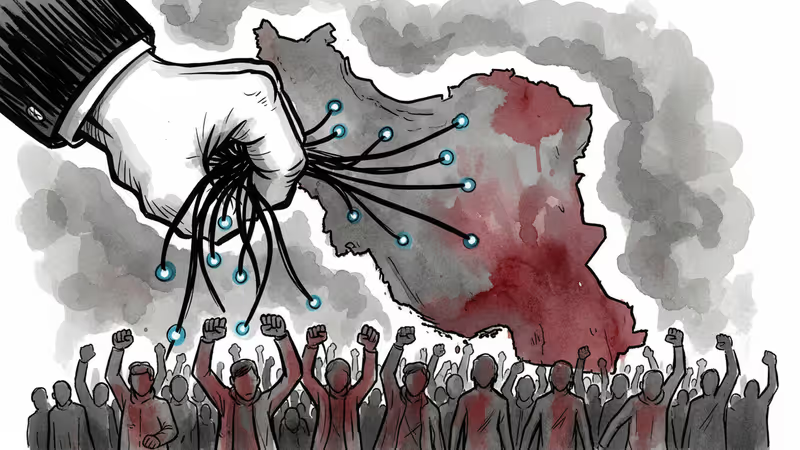
Iran's 30-Day Internet Blackout Reveals Digital Control's Limits
Iran's month-long internet shutdown, the longest in its history, failed to stop protests but created economic chaos. Death toll estimated between 3,000-30,000 as digital censorship backfires.
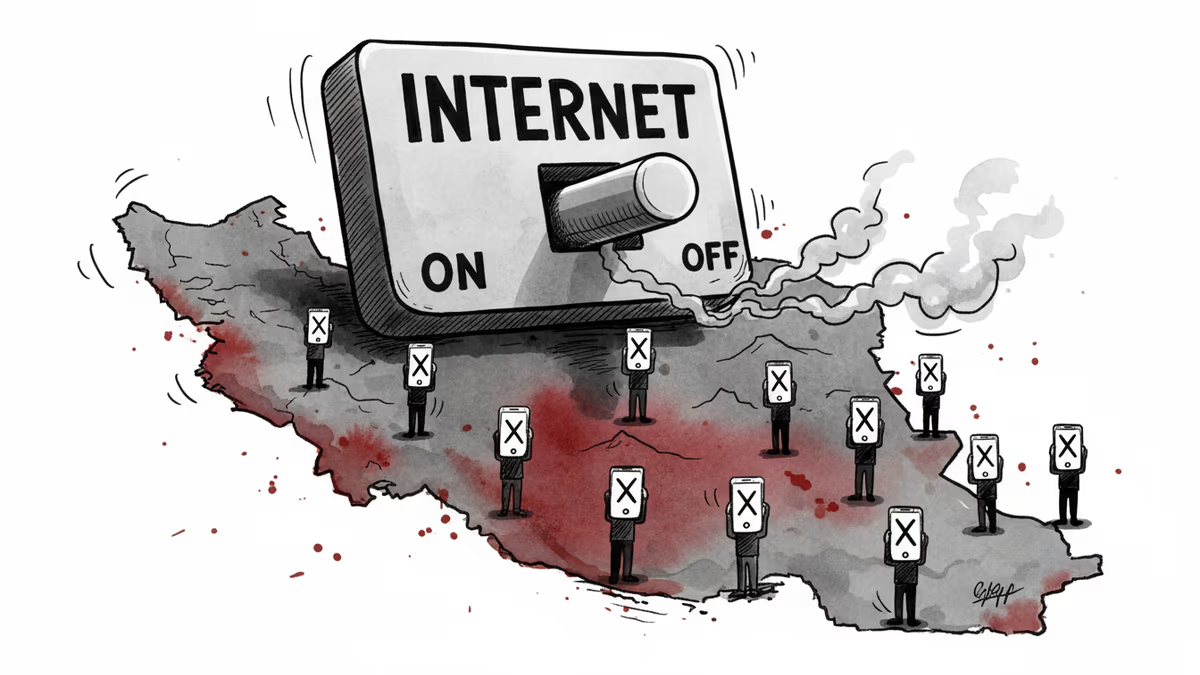
Thirty days and counting. That's how long Iran has kept its internet switched off, creating the longest digital blackout in the country's history. The government's goal was simple: cut communication, stop the protests. The result? The protests haven't stopped, but everything else has.
When demonstrations erupted in early January, Iranian authorities didn't hesitate. They pulled the plug on the entire digital infrastructure—social media, messaging apps, even international calls went dark. Behind this digital iron curtain, the regime's crackdown has been brutal. Conservative estimates put the death toll at 3,000, while some sources suggest it could reach 30,000.
When Digital Quarantine Backfires
The Iranian government's logic seemed sound on paper. No internet means no coordination among protesters, no viral videos of police brutality, no international scrutiny in real-time. For the first few days, this strategy appeared to work. Protesters struggled to organize, and the outside world received only fragments of information about what was happening inside Iran.
But 30 days later, the strategy is unraveling. The economic cost has become astronomical. Iran's already sanctions-battered economy is now dealing with a complete digital shutdown. E-commerce, digital banking, remote work, online education—everything that keeps a modern society functioning has ground to a halt.
More critically, the blackout has transformed the nature of the protests themselves. What began as demonstrations against specific policies has evolved into broader resistance against authoritarian control. Citizens who might have stayed home are now asking: "What is the government hiding that requires shutting down the entire internet?"
The Authoritarian Digital Dilemma

Iran's extreme measure highlights a fundamental challenge facing authoritarian governments in the digital age. Complete internet shutdowns are like using a sledgehammer to kill a fly—they work, but they destroy everything else in the process.
This is why countries like China and Russia have invested heavily in sophisticated censorship systems rather than crude blackouts. They understand that in 2026, cutting internet access is like cutting electricity—it paralyzes society. The Great Firewall of China allows economic activity to continue while filtering political content. Iran chose the nuclear option.
The irony is striking. A government trying to maintain control through information restriction has created an information vacuum that breeds even more distrust. Every day the blackout continues, more Iranians are asking fundamental questions about their government's legitimacy.
Global Implications of Digital Isolation
Iran's blackout isn't just an Iranian problem. It's a stress test for the global internet's resilience and a preview of how quickly digital rights can vanish. The ease with which a government can isolate 85 million people from the digital world should concern anyone who values internet freedom.
For tech companies, the Iran situation poses uncomfortable questions about infrastructure vulnerability. How many other countries could flip the same switch? For international observers, it reveals the limitations of digital activism when governments are willing to pay any economic price to maintain power.
The blackout also exposes the global internet's fragmented nature. Despite all our talk of a "connected world," national governments still hold the ultimate power over their digital borders. Iran's action is a reminder that the internet isn't as borderless as we like to believe.
Authors
Related Articles
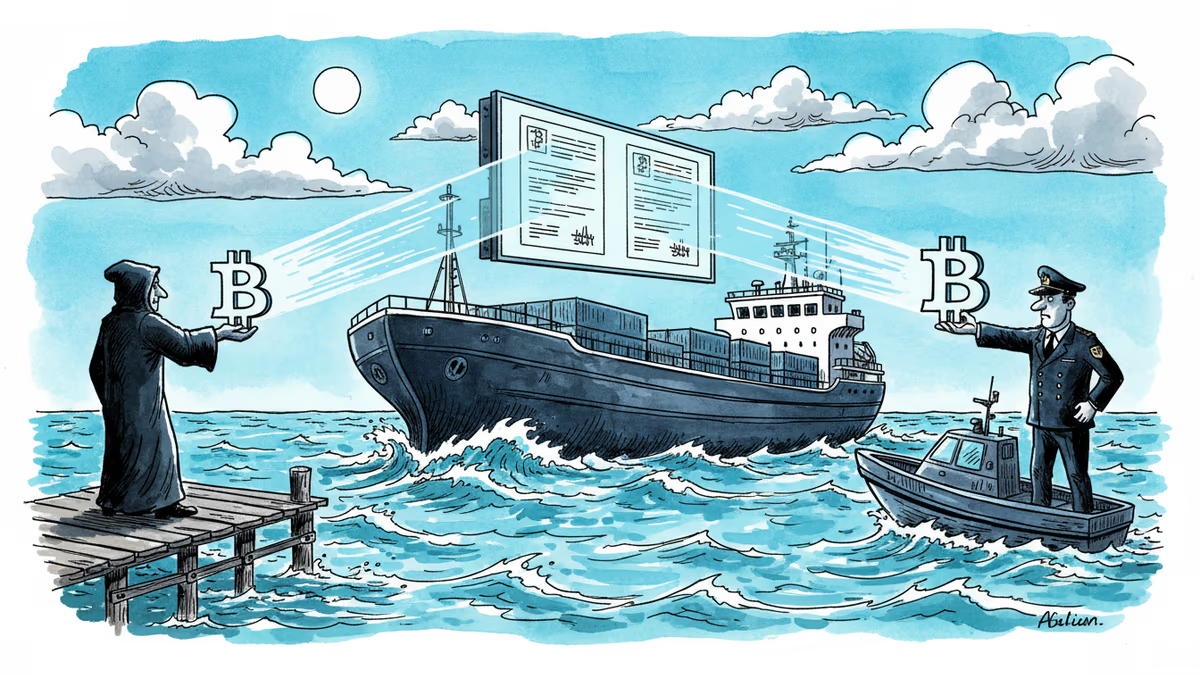
Scammers posing as Iranian authorities are demanding bitcoin and tether from ships near the Strait of Hormuz—exploiting the fact that Iran already does exactly this.
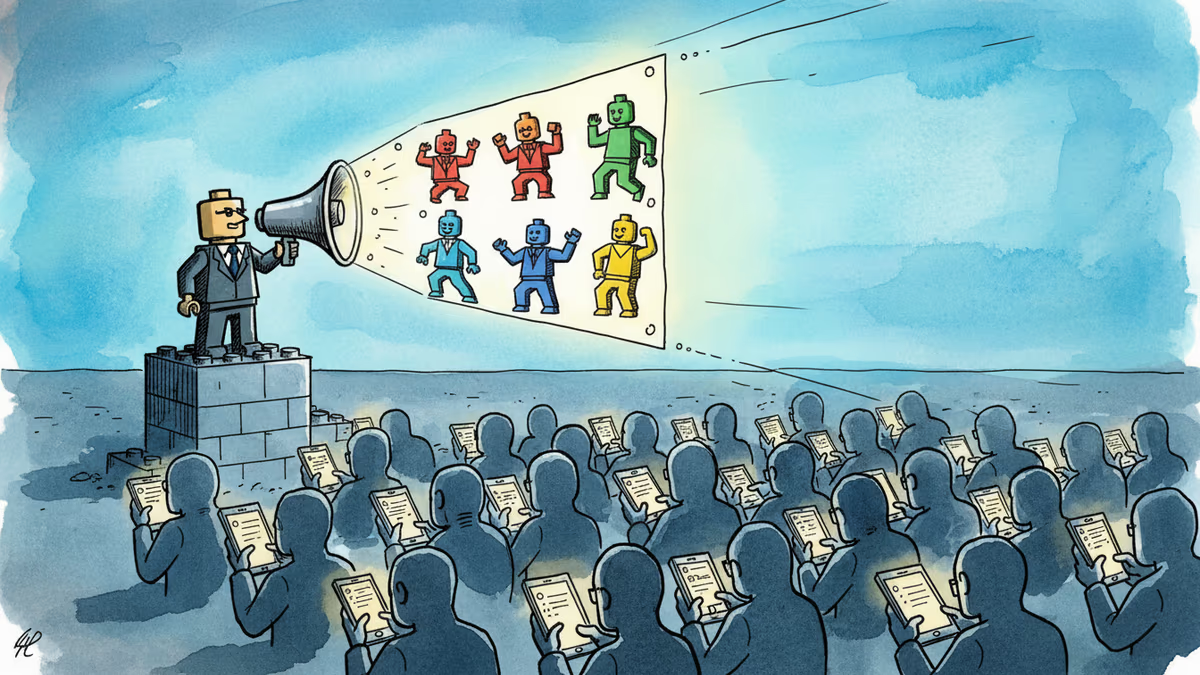
A small pro-Iran team is racking up millions of views with AI-generated Lego videos that mock Trump — and Americans are sharing them. What does that tell us about information warfare?
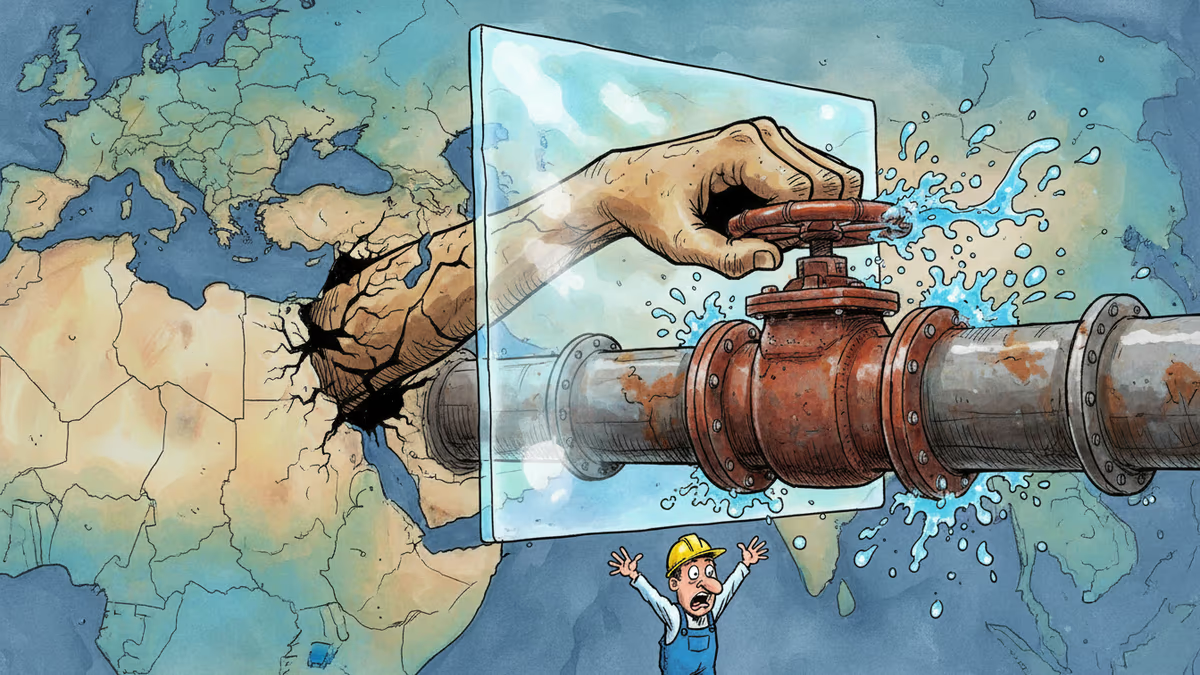
Iranian government-backed hackers have escalated from data theft to physically manipulating U.S. water, power, and local government control systems. A joint FBI-NSA-CISA-DOE advisory confirms operational disruption has already occurred.
Iran's total internet blackout after US-Israeli strikes reveals how regimes weaponize connectivity. While elites stay online, ordinary citizens face digital isolation amid kinetic warfare.
Scammers posing as Iranian authorities are demanding bitcoin and tether from ships near the Strait of Hormuz—exploiting the fact that Iran already does exactly this.
A small pro-Iran team is racking up millions of views with AI-generated Lego videos that mock Trump — and Americans are sharing them. What does that tell us about information warfare?
Iranian government-backed hackers have escalated from data theft to physically manipulating U.S. water, power, and local government control systems. A joint FBI-NSA-CISA-DOE advisory confirms operational disruption has already occurred.
Iran's total internet blackout after US-Israeli strikes reveals how regimes weaponize connectivity. While elites stay online, ordinary citizens face digital isolation amid kinetic warfare.
Thoughts
Share your thoughts on this article
Sign in to join the conversation