

CES 2026 Tech Trends Recap: Foldables, AI, and the Future of Mobility
A comprehensive CES 2026 tech trends recap. Discover the latest in foldables, AI agents, and smart glasses as reported by Mashable, IGN, and CNET experts.
The curtains have closed on the world's biggest tech stage, but the ripple effects are just starting to hit. CES 2026 is officially in the books, leaving behind a blueprint for how we'll live and work for the rest of the year.
CES 2026 Tech Trends Recap: Redefining Gadgets
Vegas was packed with everything from futuristic hardware to the next evolution of digital intelligence. According to major industry analysts, the spotlight wasn't just on single devices, but on how these tools integrate into a seamless ecosystem.

- Foldable & Rollable Tech: Phones that transform into tablets with new durable hinge designs stole the show.
- Ambient AI: Artificial intelligence moved from chatbots to proactive agents embedded in smart home appliances.
- Practical Smart Glasses: Lightweight frames with high-brightness displays signaled that AR is finally ready for the masses.
Expert Insights from the Show Floor
At 6 p.m. ET, journalists from Mashable, IGN, and CNET teamed up for a live recap of the most impactful tech trends. They didn't just talk about the hits; they dissected the oddities that make CES unique. If you missed the live podcast, the full livestream is available on YouTube for a deep dive into the products expected to dominate the market.
Authors
Related Articles

SpaceX's IPO filing puts AI at the center, claiming a $26.5 trillion market opportunity. But can Grok compete with OpenAI and Anthropic for enterprise customers?

AI is everywhere now—but is it helping or hurting? MIT Technology Review diagnoses a new mood: not excitement, not panic, just a creeping, uncomfortable uncertainty.

ByteDance's Seedance 2.0 is shocking China's creative industry, but Hollywood studios are fighting back with cease-and-desist letters. What's driving this cultural divide?
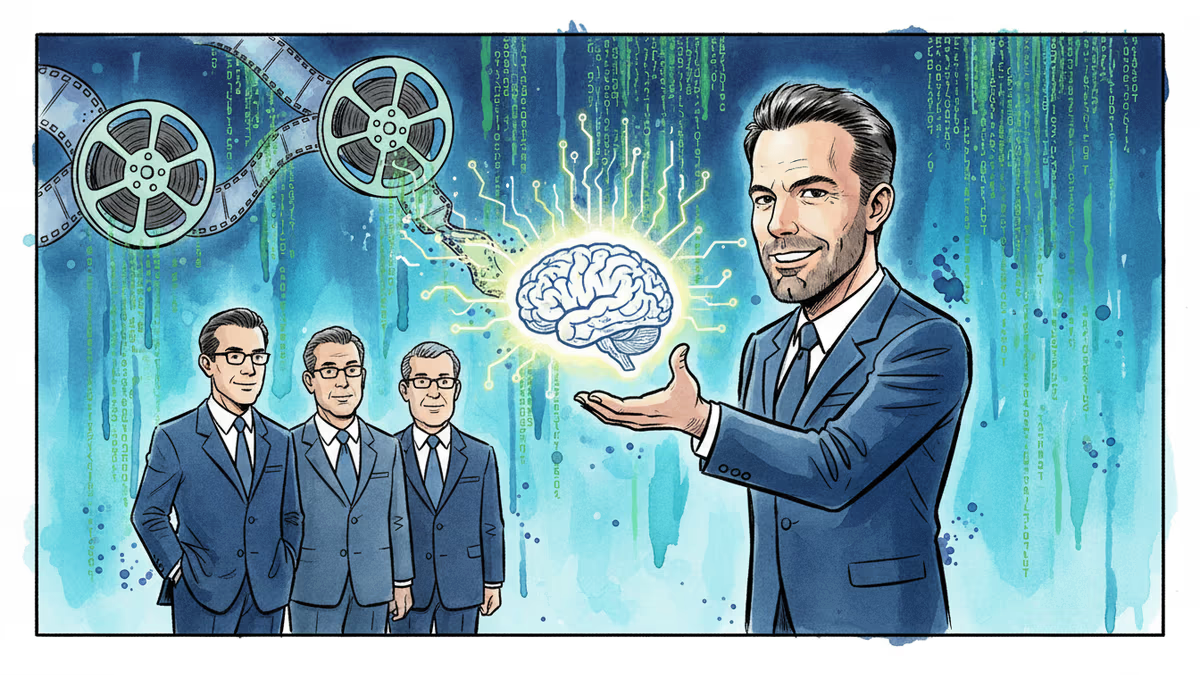
Netflix acquired Ben Affleck's AI company InterPositive, signaling a major shift in how streaming giants plan to revolutionize content production and compete in Hollywood.
SpaceX's IPO filing puts AI at the center, claiming a $26.5 trillion market opportunity. But can Grok compete with OpenAI and Anthropic for enterprise customers?
AI is everywhere now—but is it helping or hurting? MIT Technology Review diagnoses a new mood: not excitement, not panic, just a creeping, uncomfortable uncertainty.
ByteDance's Seedance 2.0 is shocking China's creative industry, but Hollywood studios are fighting back with cease-and-desist letters. What's driving this cultural divide?
Netflix acquired Ben Affleck's AI company InterPositive, signaling a major shift in how streaming giants plan to revolutionize content production and compete in Hollywood.
Thoughts
Share your thoughts on this article
Sign in to join the conversation