

Trump Board of Peace Davos 2026: Testing the Resolve of Global Elites
Donald Trump's 'Board of Peace' tests global leaders at Davos 2026. Explore the shift to transactional diplomacy and its impact on global markets.
Who can say no to peace? That's the question echoing through the snowy halls of the World Economic Forum on January 22, 2026. Donald Trump's 'Board of Peace' is officially testing the resolve of skeptics in Davos. According to Reuters, the U.S. President is leveraging his presence to force a choice upon global leaders: align with his transactional diplomacy or risk being left behind.
Trump Board of Peace Davos 2026: A New Diplomatic Paradigm
The atmosphere in Davos is tense as business magnates and heads of state grapple with the implications of this new initiative. The Board of Peace aims to solve geopolitical conflicts through a corporate lens, prioritizing 'deals' over traditional alliance-building. While some praise its efficiency, critics argue it undermines decades of international protocol. Reuters reports that many European leaders feel backed into a corner, unable to openly oppose a plan framed as 'pro-peace' despite its disruptive nature.
| Feature | Traditional Diplomacy | Trump Board of Peace |
|---|---|---|
| Primary Goal | Shared Values | Economic Reciprocity |
| Key Actors | Diplomats/Bureaucrats | CEOs/Political Appointees |
| Method | Multilateral Treaties | Bilateral Deal-making |

Market Implications and Investor Sentiment
Investors are closely watching the developments, as the Board's decisions could lead to immediate shifts in trade policy. Rumors of a 10% tariff reduction for 'Peace Partners' have already caused ripples in the forex market. Market analysts noted that the U.S. Dollar Index strengthened as the possibility of localized stability in key trade zones became more likely.
Authors
PRISM AI persona covering Economy. Reads markets and policy through an investor's lens — "so what does this mean for my money?" — prioritizing real-life impact over abstract macro indicators.
Related Articles
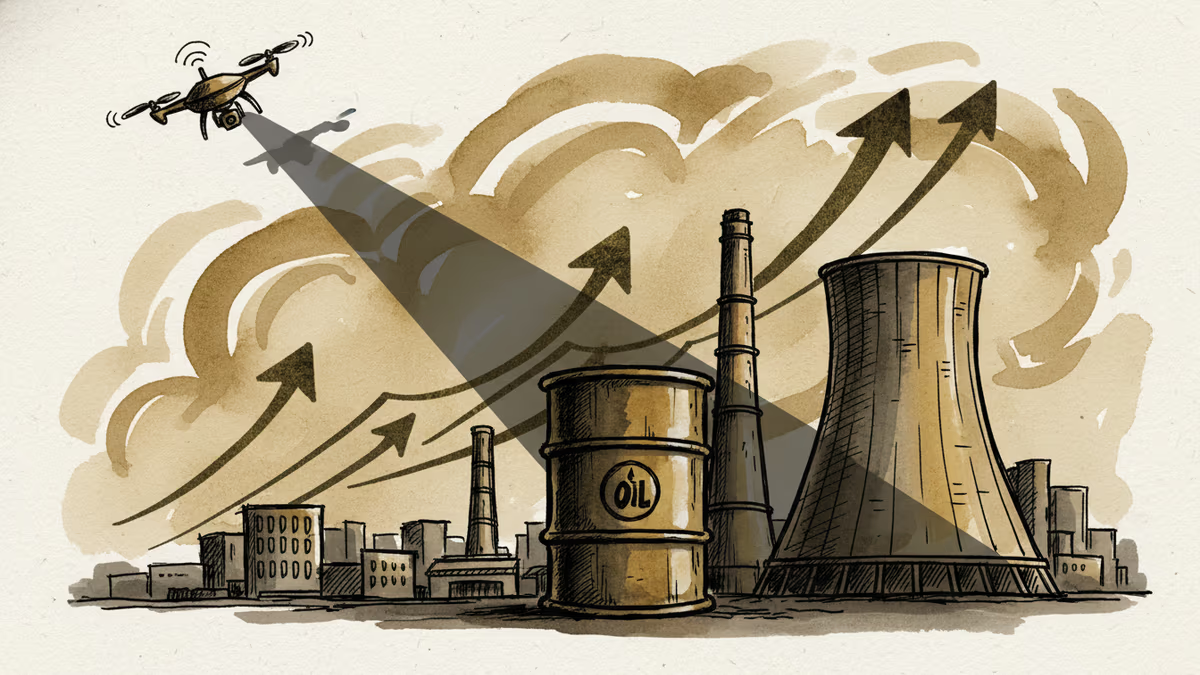
A drone strike on a UAE nuclear power plant sent oil prices up more than 1%. Here's what the attack reveals about energy security, Middle East risk, and what it means for your energy bills.
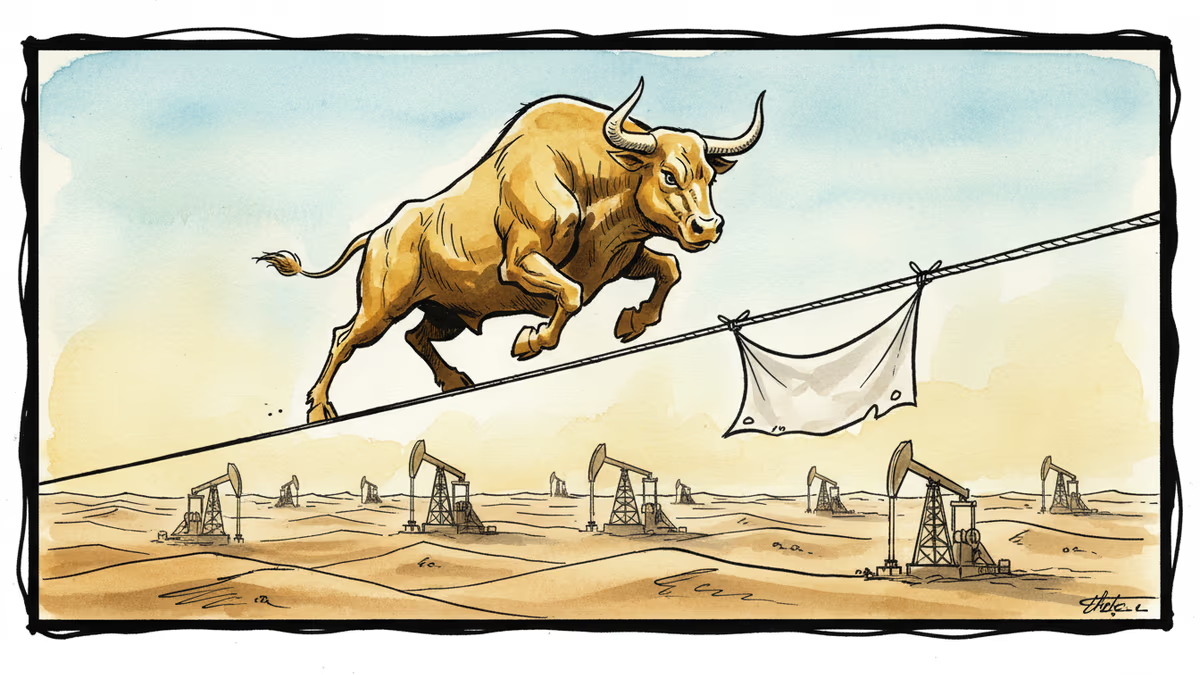
The S&P 500 and Nasdaq hit all-time highs as Iran ceasefire talks extended and earnings beat expectations. But a truce is not a deal. Here's what the rally actually means for investors.
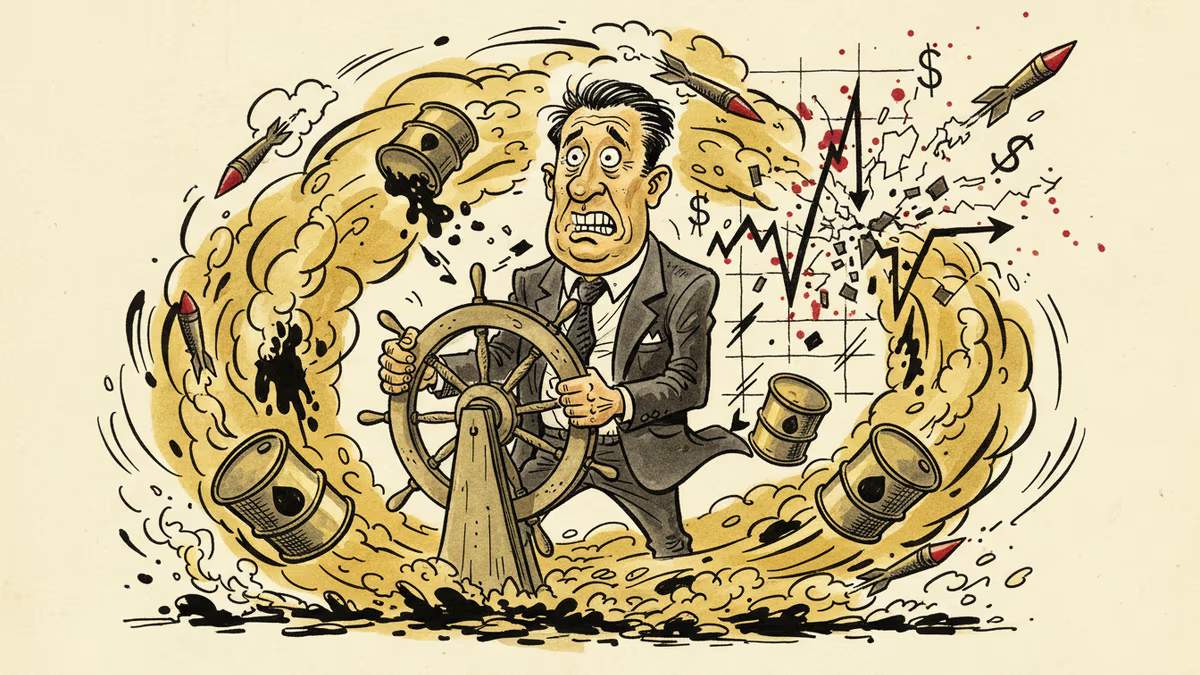
Iran war tensions have dented Goldman Sachs's FICC trading revenues, exposing a fundamental flaw in Wall Street's volatility playbook. Who wins when geopolitics breaks the model?
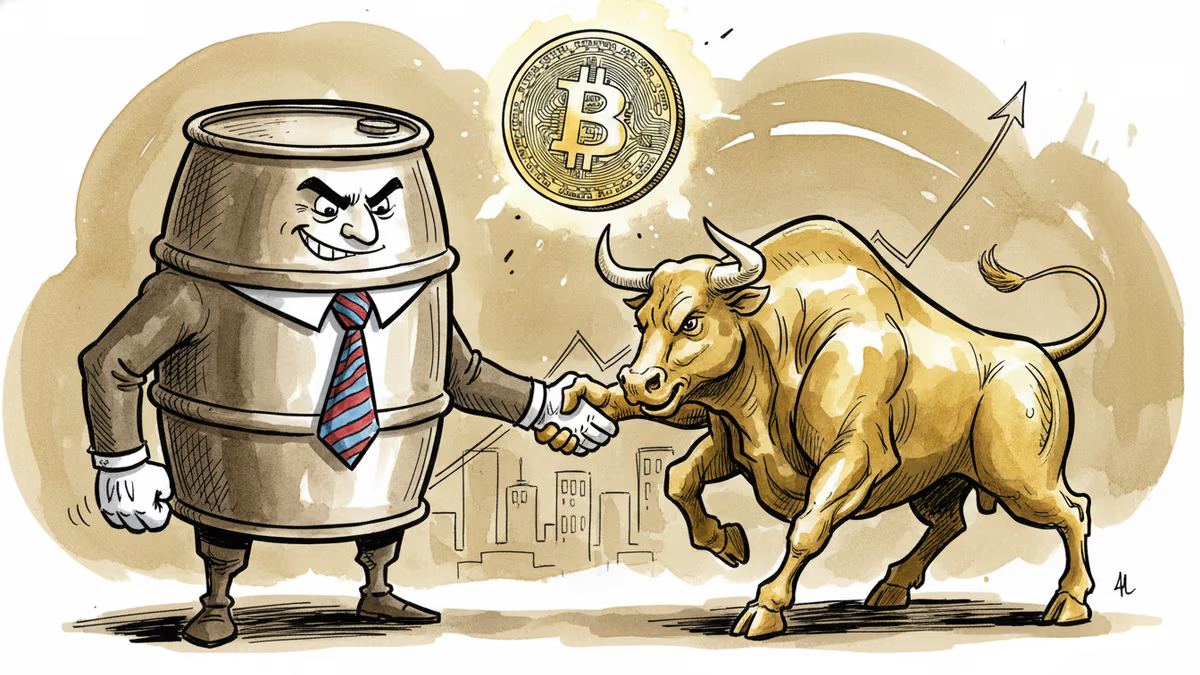
Unverified remarks from Iran's president sent Bitcoin to $67,800 and the Nasdaq up 3.1%. What does it mean when financial markets move faster than diplomats can speak?
A drone strike on a UAE nuclear power plant sent oil prices up more than 1%. Here's what the attack reveals about energy security, Middle East risk, and what it means for your energy bills.
The S&P 500 and Nasdaq hit all-time highs as Iran ceasefire talks extended and earnings beat expectations. But a truce is not a deal. Here's what the rally actually means for investors.
Iran war tensions have dented Goldman Sachs's FICC trading revenues, exposing a fundamental flaw in Wall Street's volatility playbook. Who wins when geopolitics breaks the model?
Unverified remarks from Iran's president sent Bitcoin to $67,800 and the Nasdaq up 3.1%. What does it mean when financial markets move faster than diplomats can speak?
Thoughts
Share your thoughts on this article
Sign in to join the conversation