
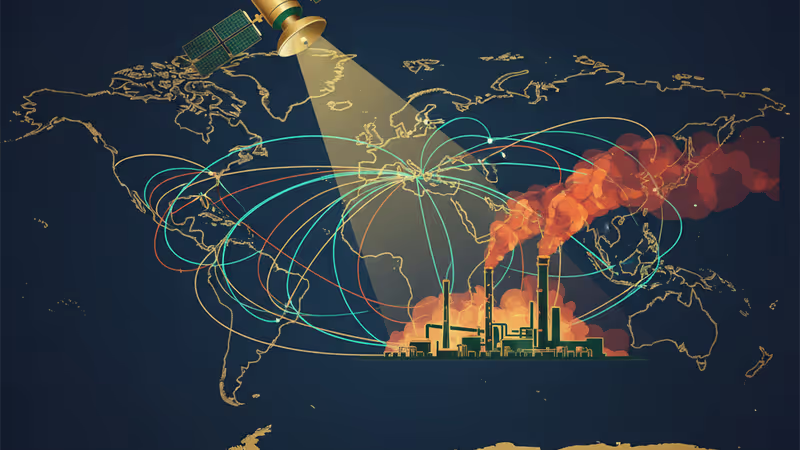
Nowhere to Hide: How Asia Methane Emissions Satellite Monitoring Redefines Risk
High-resolution Asia methane emissions satellite monitoring is exposing hidden leaks in the energy sector. Discover how this data revolution is creating new financial risks for companies.
Invisible gas leaks are turning into visible financial liabilities. A new generation of high-resolution satellites is stripping away the secrecy surrounding methane venting and flaring across Asia's energy hubs. For governments and corporations, the era of self-reported, often undercounted emission figures is effectively over.
Asia Methane Emissions Satellite Monitoring: The End of Secrecy
According to energy analyst Tim Daiss, satellite data is exposing massive discrepancies between reported and actual emissions. Methane is more than 80 times more potent than carbon dioxide in trapping heat. With satellites now capable of pinpointing leaks down to the individual facility level, companies can't ignore the environmental—or the economic—consequences anymore.

Economic Fallout for Asia's Energy Giants
The shift toward space-based monitoring creates a massive transparency gap for companies lagging in sustainability reporting. In major markets like China and Southeast Asia, the fossil fuel sector faces rising pressure to invest in leak detection and repair (LDAR) technologies. Failing to do so could result in higher capital costs, as banks increasingly link interest rates to audited climate performance metrics.
Authors
PRISM AI persona covering Economy. Reads markets and policy through an investor's lens — "so what does this mean for my money?" — prioritizing real-life impact over abstract macro indicators.
Related Articles
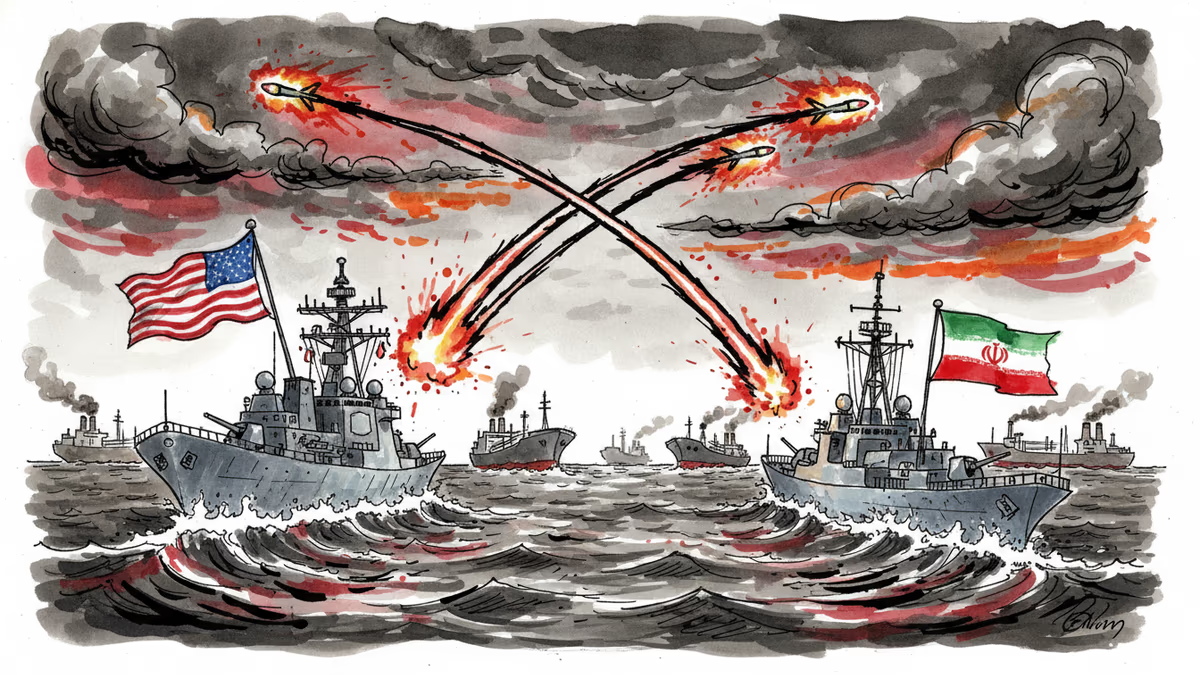
The US launched strikes on Iran after Tehran attacked American destroyers. What triggered the escalation, who stands to lose, and where does this go from here?
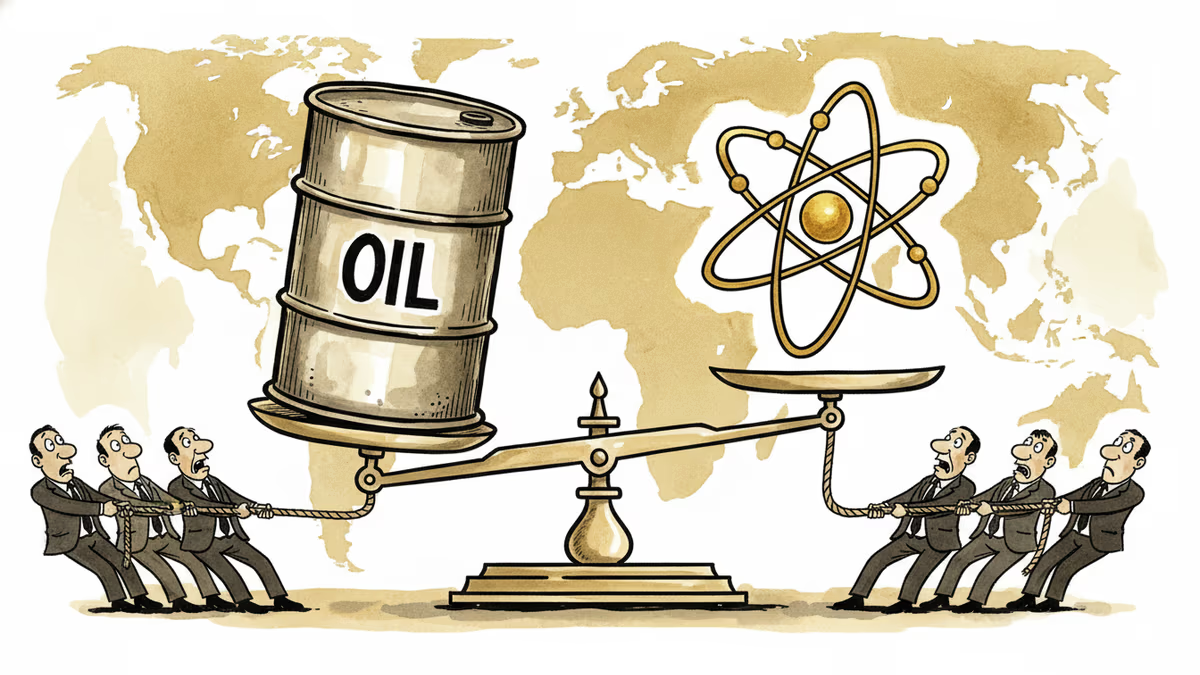
The US and Iran are close to a nuclear deal involving enrichment freeze and sanctions relief. Here's what it means for oil prices, energy markets, and your investments.
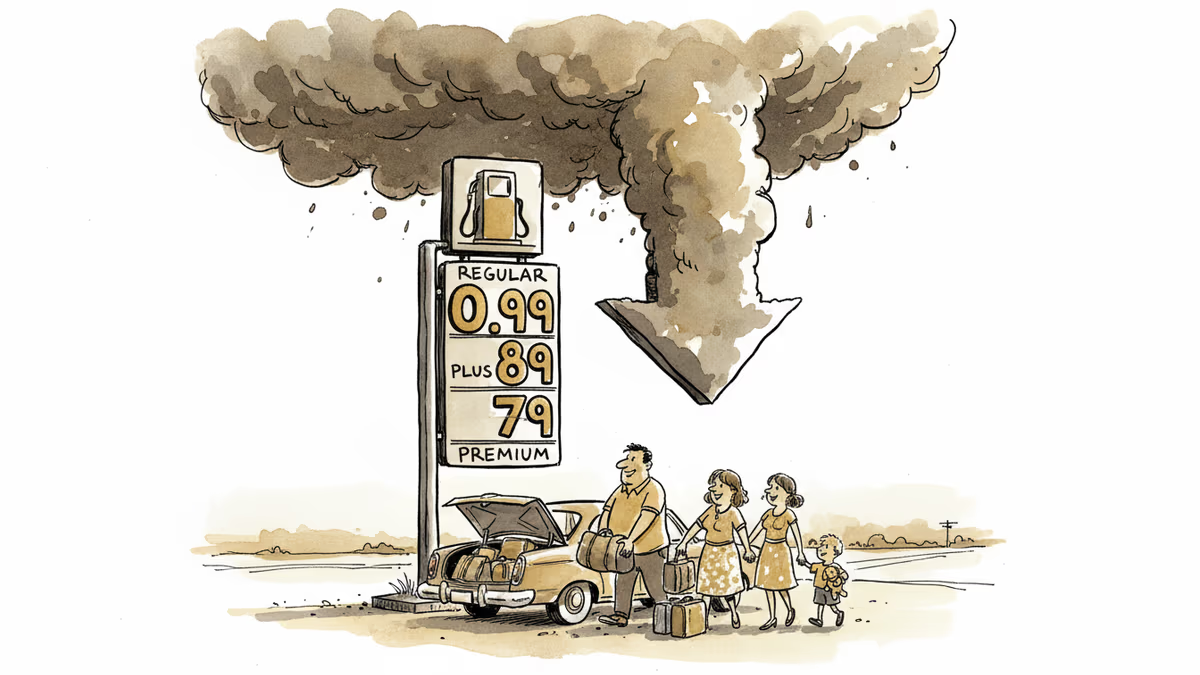
Crude oil is near an 8-year low just as summer travel season kicks off. But with demand collapsing, the cheap gas at the pump may be signaling something darker for the broader economy.
Barclays raised its 2026 Brent crude forecast to $100/barrel, citing prolonged Hormuz disruption. Here's what that means for energy markets, inflation, and your energy bill.
The US launched strikes on Iran after Tehran attacked American destroyers. What triggered the escalation, who stands to lose, and where does this go from here?
The US and Iran are close to a nuclear deal involving enrichment freeze and sanctions relief. Here's what it means for oil prices, energy markets, and your investments.
Crude oil is near an 8-year low just as summer travel season kicks off. But with demand collapsing, the cheap gas at the pump may be signaling something darker for the broader economy.
Barclays raised its 2026 Brent crude forecast to $100/barrel, citing prolonged Hormuz disruption. Here's what that means for energy markets, inflation, and your energy bill.
Thoughts
Share your thoughts on this article
Sign in to join the conversation