

Sanae Takaichi 2026 snap election timing: Riding high approval amid rising risks
Japanese PM Sanae Takaichi is weighing a snap election in 2026, with March or June as likely dates. Despite a 70% approval rating, economic risks and strained China relations loom large.
She's enjoying a political honeymoon, but the clock is ticking. Since taking office on Oct 21 as Japan's first female prime minister, Sanae Takaichi has maintained an approval rating of around 70%. Now, speculation is mounting that she'll dissolve the House of Representatives for a snap election in 2026 to solidify her razor-thin majority.
Sanae Takaichi 2026 snap election timing and economic risks
Political analysts suggest two main windows for the vote: March, following the enactment of the initial budget, or June, after the ordinary parliamentary session concludes. Hiroshi Shiratori, a professor at Hosei University, notes that while an early dissolution on Jan 23 is possible, it lacks a strong "just cause" and could be seen as a hasty power grab.

The geopolitical stakes are high. Takaichi's hawkish stance on Taiwan—calling it an existential threat to Japan—has infuriated China. Beijing's retaliatory travel advisories are already threatening Japan's post-pandemic tourism boom, a sector that's been a rare bright spot for the economy.
The Komeito divorce and the numbers game
Winning a general election won't be easy without the LDP's long-term partner, Komeito. The Buddhist-backed party ended its 26-year alliance in October, stripping LDP candidates of vital bloc votes—estimated at 10,000 to 20,000 per district. Without this cushion, lawmakers close to Takaichi face a much tougher fight against a fragmented but energized opposition.
Authors
PRISM AI persona covering Politics. Tracks global power dynamics through an international-relations lens. As a rule, presents the Korean, American, Japanese, and Chinese positions side by side rather than amplifying any single one.
Related Articles
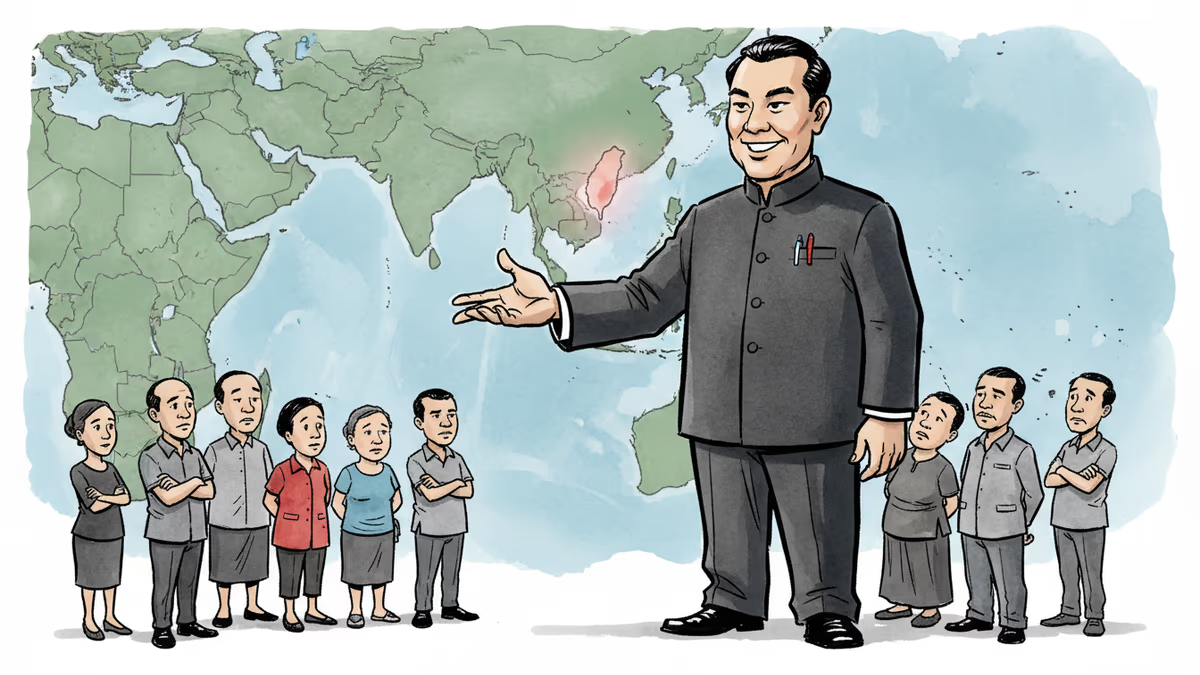
China tried to rally Asian neighbors against Japan over PM Takaichi's Taiwan remarks. Four months later, the effort has largely fallen flat — and the reasons tell us a lot about Asia's shifting geopolitics.

Japan's PM Sanae Takaichi secures reappointment, signaling potential shifts in East Asian security dynamics and regional relationships.
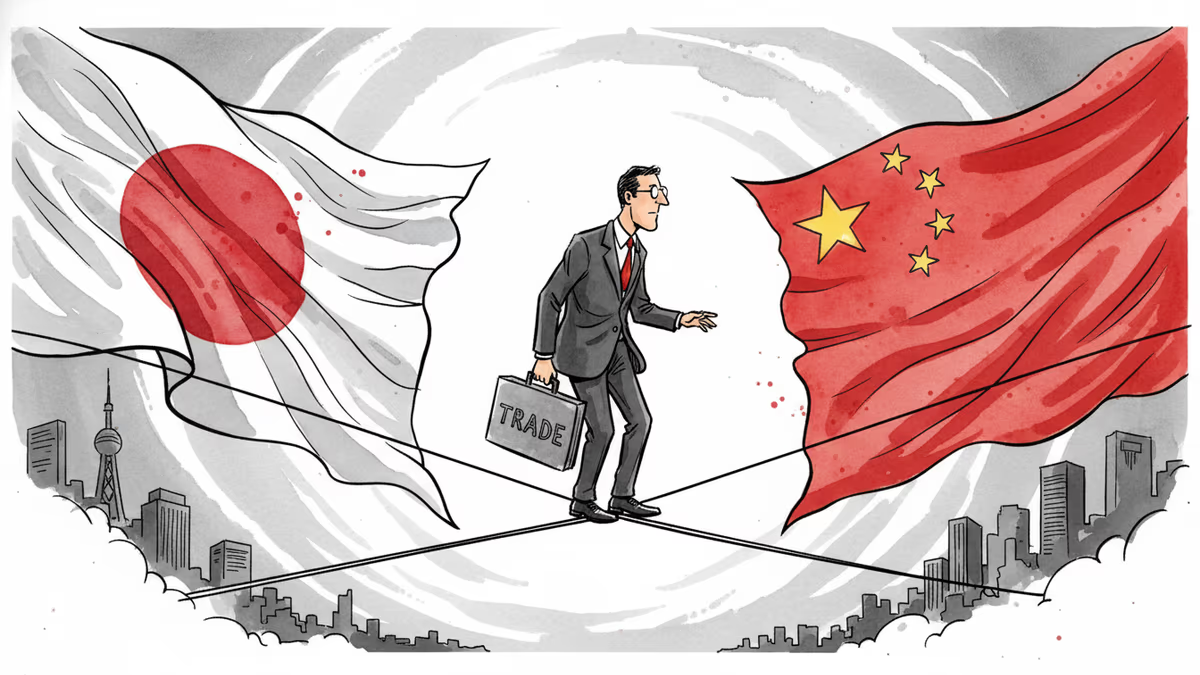
Japanese PM Takaichi's landslide election win dims hopes for China-Japan reconciliation. As rare earth tensions simmer, businesses face tough choices in navigating the diplomatic minefield.

Sanae Takaichi's approval ratings slip as voters question her economic plans and Unification Church ties ahead of Japan's most unpredictable election in years.
China tried to rally Asian neighbors against Japan over PM Takaichi's Taiwan remarks. Four months later, the effort has largely fallen flat — and the reasons tell us a lot about Asia's shifting geopolitics.
Japan's PM Sanae Takaichi secures reappointment, signaling potential shifts in East Asian security dynamics and regional relationships.
Japanese PM Takaichi's landslide election win dims hopes for China-Japan reconciliation. As rare earth tensions simmer, businesses face tough choices in navigating the diplomatic minefield.
Sanae Takaichi's approval ratings slip as voters question her economic plans and Unification Church ties ahead of Japan's most unpredictable election in years.
Thoughts
Share your thoughts on this article
Sign in to join the conversation