

Samsung Electronics Q4 2025 Operating Profit Triples to 20 Trillion Won
Samsung Electronics expects its Q4 2025 operating profit to reach 20 trillion won, tripling year-over-year. Learn how memory shortages are driving record profits.
PC builders are struggling, but Samsung is celebrating. Global memory scarcity is driving storage prices through the roof, and the world's largest chipmaker just reaped the rewards with a massive jump in earnings.
Samsung Electronics Q4 2025 Operating Profit: A Triple-Digit Surge
According to Reuters, Samsung Electronics released revenue guidance this week predicting an operating profit between 19.9 and 20.1 trillion Korean won (roughly $13.8 billion USD) for Q4 2025. This marks a staggering increase from the 6.49 trillion won reported in Q4 2024.

While enthusiasts have been feeling the sting of expensive RAM and SSD upgrades for months, the impact is only beginning to spread. Industry experts warn that if these shortages persist, the price of pre-built laptops, smartphones, and graphics cards will likely spike throughout 2026.
Capitalizing on the Component Crunch
Memory manufacturers are riding a wave of high demand, largely fueled by the AI infrastructure boom. As data centers gobble up supply, consumer-grade components have become scarce and expensive. Samsung's ability to maintain high margins during this shortage has allowed it to secure record-breaking profits despite the broader economic cooling in other sectors.
Authors
Related Articles
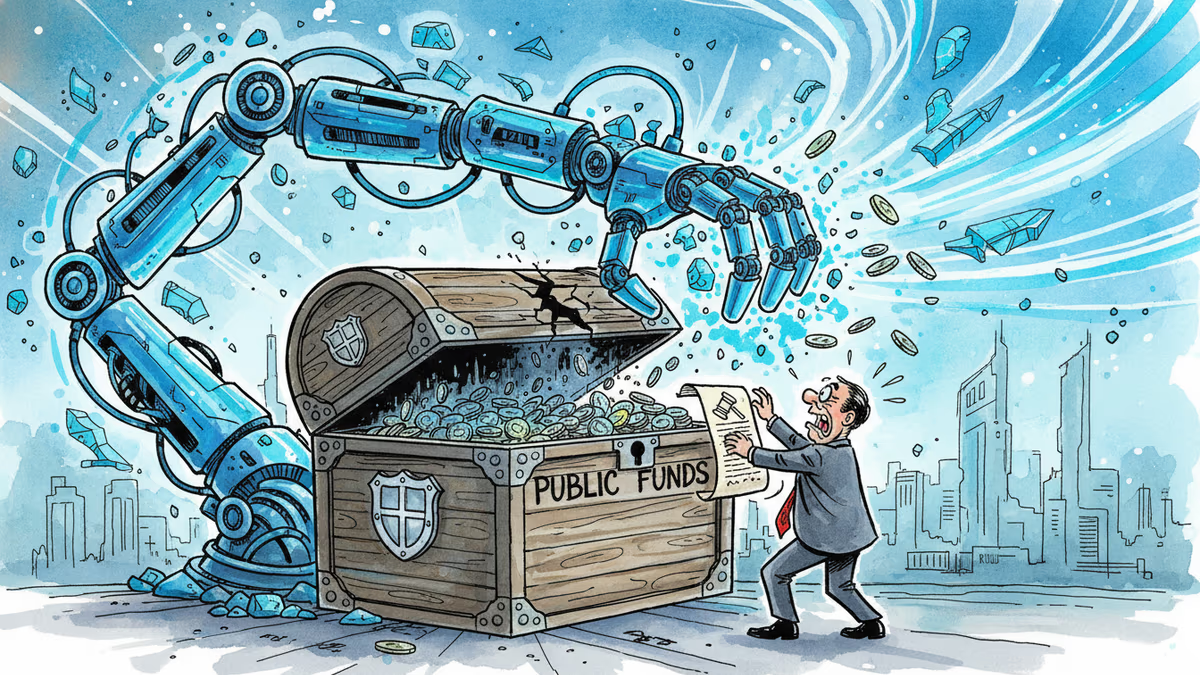
The US government invested $2 billion in quantum computing startups, but Congress says the money was never authorized for that purpose. The fate of IBM-backed Anderon hangs in the balance.
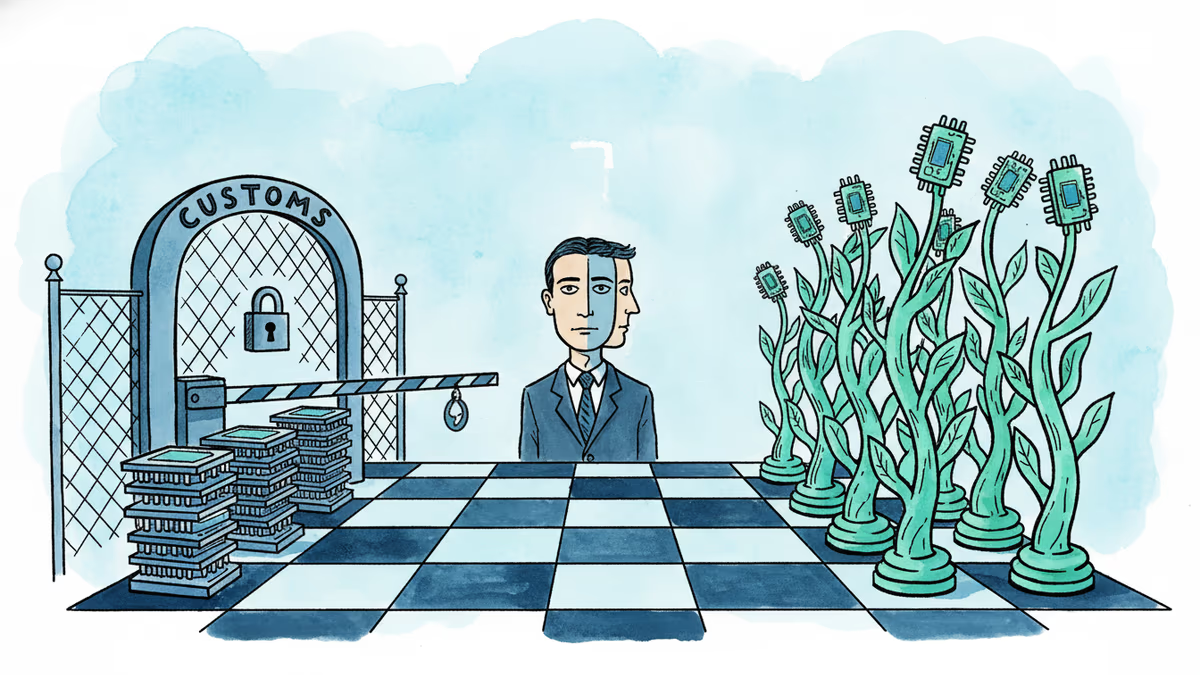
Beijing added an Nvidia gaming chip to its customs ban list the same week Jensen Huang visited China with Trump. Here's what it means for the chip war—and who actually wins.
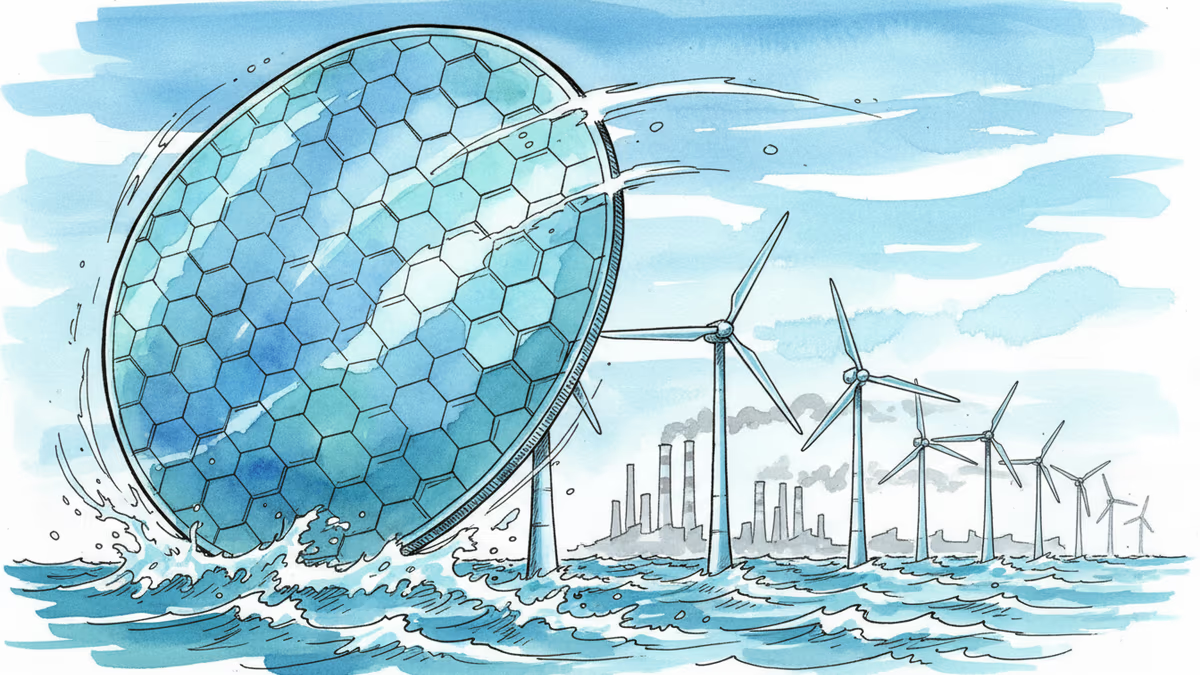
TSMC has signed a 30-year power purchase agreement for 100% of output from Taiwan's Hai Long offshore wind project. The 1GW deal reveals how chipmakers are quietly becoming energy companies.
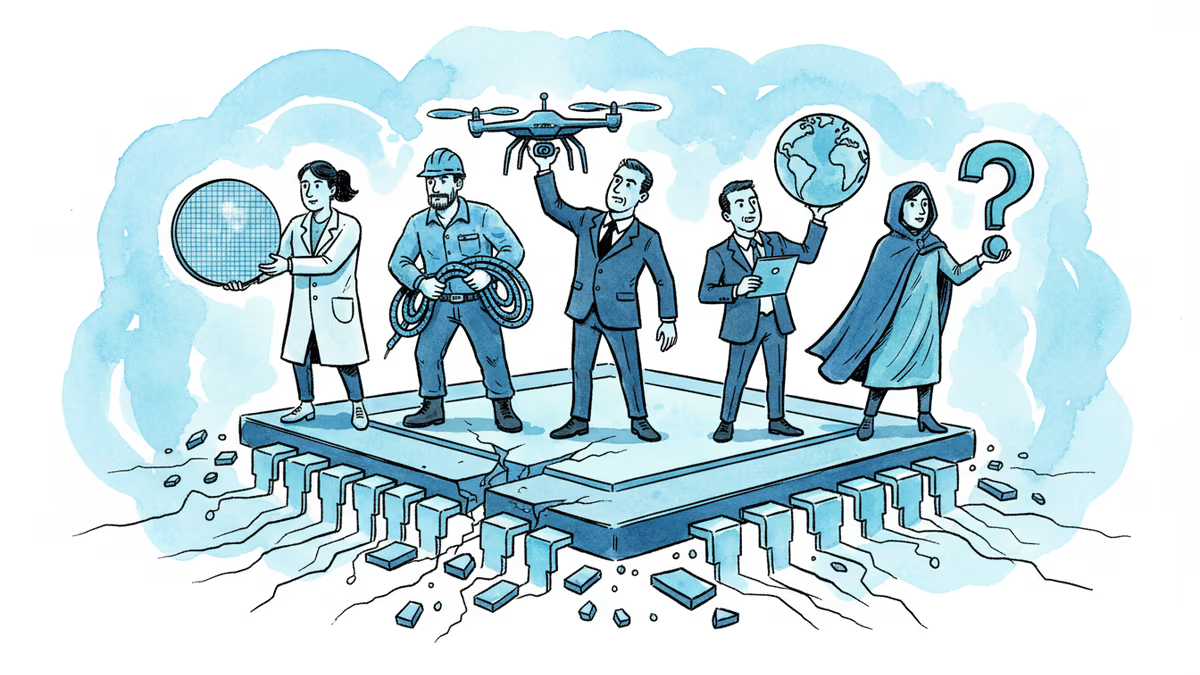
At Milken 2026, five AI insiders—from the CEO of ASML to a quantum physicist challenging LLMs—laid out the physical, energy, and geopolitical limits the AI boom is running into.
The US government invested $2 billion in quantum computing startups, but Congress says the money was never authorized for that purpose. The fate of IBM-backed Anderon hangs in the balance.
Beijing added an Nvidia gaming chip to its customs ban list the same week Jensen Huang visited China with Trump. Here's what it means for the chip war—and who actually wins.
TSMC has signed a 30-year power purchase agreement for 100% of output from Taiwan's Hai Long offshore wind project. The 1GW deal reveals how chipmakers are quietly becoming energy companies.
At Milken 2026, five AI insiders—from the CEO of ASML to a quantum physicist challenging LLMs—laid out the physical, energy, and geopolitical limits the AI boom is running into.
Thoughts
Share your thoughts on this article
Sign in to join the conversation